Few films capture the heart and soul of San Francisco quite like Mrs. Doubtfire. Robin Williams' tour-de-force as Daniel Hillard, the loving but hapless father who transforms into a Scottish nanny, isn't just a beloved comedy; it's a cinematic love letter to the city by the bay, albeit one that takes a few scenic detours. Having spent decades tracking down film locations across the country, I've learned that the truth behind the silver screen often offers more intrigue than the movie itself. Let's peel back the layers of movie magic and explore the real-world spots that brought this classic to life, with a few candid observations you won't find in your typical tourist pamphlet.
There’s a common misconception that every iconic scene unfolds within San Francisco’s famously hilly confines. The reality, as often happens in filmmaking, is a bit more sprawling, stretching into the East Bay and beyond. Understanding this geographic spread is crucial for planning your own pilgrimage, especially if you’re hoping to hit more than just the famed Hillard residence. Prepare for some pleasant surprises, and perhaps a dash of realistic expectation-setting, as we navigate Mrs. Doubtfire's world.
Steiner Street's Enduring Allure: A Private Icon
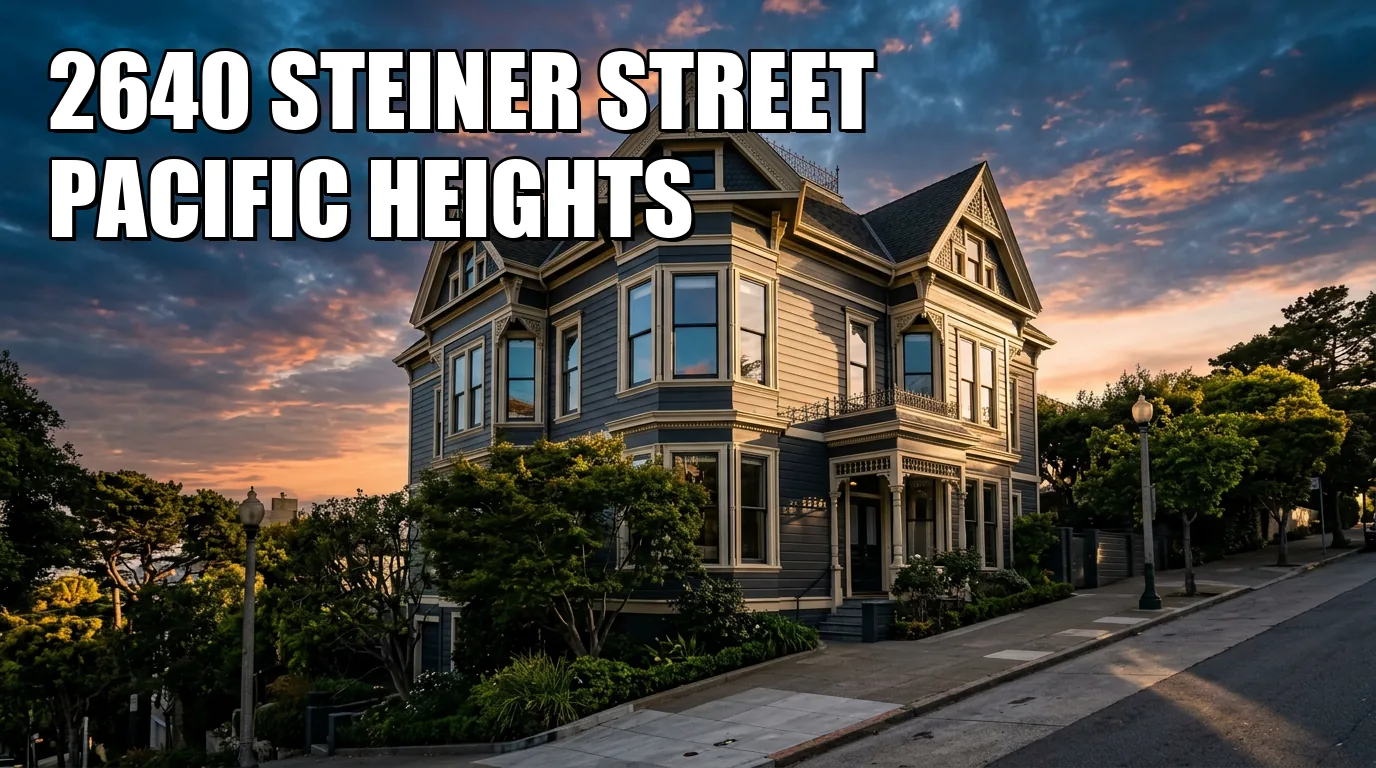
Any exploration of Mrs. Doubtfire must begin at 2640 Steiner Street in Pacific Heights. This Victorian mansion, with its distinctive bay windows and prominent corner lot, is, without question, the film’s most recognizable landmark. Miranda Hillard herself utters the address in the movie, cementing its place in cinematic history, and it remains a pilgrimage site for fans, decades after its 1993 release. You can almost hear Daniel’s frantic attempts to clean up the house before Miranda arrives.
Standing on the public sidewalk here, gazing up at the elegant facade, it’s impossible not to feel a surge of nostalgia. The house truly looks as grand and idyllic as it did on screen, perched majestically on a steep incline. Yet, here's a crucial distinction: while the exterior screams "Hillard family home," practically all interior scenes—from the chaotic living room to the kids' bedrooms—were actually shot on a converted soundstage in the Bay Area. This is a detail often missed by casual fans, and it means that while you can absorb the essence of the Hillards' world from outside, you won't be peeking into their actual living spaces. The current owners, understandably, have installed railings on the front steps to gently deter overzealous visitors from attempting to reenact their favorite scenes on private property. It’s a necessary measure, given the constant stream of visitors, but it also underscores the reality: this isn't a museum, it's someone's private home.
Visiting the Steiner Street house is best done during daylight hours, anytime from late morning to late afternoon, to capture its best light for photographs. Pacific Heights is an affluent neighborhood, and parking can be notoriously difficult, so consider taking a ride-share or public transport (Muni bus lines offer routes nearby) to avoid frustration. Expect to see other fans, but generally, the atmosphere is respectful. It’s a moment of quiet reverence for a film that touched so many, rather than a boisterous tourist attraction. For those seeking the full San Francisco experience, Dylan's Tours and San Francisco Movie Tours often include this stop, offering their own unique commentary on the area's cinematic history.
The Culinary Conundrum: Danville's Bridges Restaurant
Now, let's talk about the film’s comedic centerpiece: the infamous "bait-and-switch" dinner scene, where Daniel juggles two identities at once, darting between Miranda and Mrs. Doubtfire, and nearly setting his prosthetic bosom ablaze. Many assume this chaotic sequence was filmed in a bustling San Francisco restaurant, adding to the city’s vibrant tapestry. But here’s the unexpected twist: that unforgettable scene, which clocks in at nearly eight minutes of screen time and took two weeks to film, unfolded some 30 miles east of the city, at Bridges Restaurant & Bar in Danville. Why the trek?
The production needed a spacious venue that could be completely closed for an extended period, a logistical challenge in a prime San Francisco location. Bridges offered the perfect solution. It’s a testament to the magic of filmmaking that a quiet suburban restaurant could so convincingly stand in for a city hotspot. Today, Bridges is still very much in business, serving California cuisine with European and Asian influences. The restaurant fully embraces its cinematic legacy, with memorabilia and photographs from the filming prominently displayed. You might even find a Mrs. Doubtfire-themed cocktail on the menu, a playful nod to its past.
Dining at Bridges offers a unique opportunity to immerse yourself in one of the movie's most iconic moments. Modern menu pricing, naturally, reflects contemporary inflation; while a fine dining meal in 1993 might have cost $25-$45 per person, expect today’s entrees to range from $19-$29 for brunch to $64-$99 for special event menus. Is it a "tourist trap"? I'd argue not. It's a genuine restaurant with good food that also happens to be a piece of film history. Reservations are always a good idea, especially for dinner, and if you’re driving from San Francisco, factor in about an hour's travel time each way, perhaps more with Bay Area traffic. It’s a destination in itself, not just a quick photo op, making it a worthwhile detour for devoted fans.
North Beach Narratives: Daniel's Bachelor Pad
After the Hillard family's separation, Daniel finds himself in a rather less grand, but no less charming, apartment in San Francisco's vibrant North Beach neighborhood. His post-divorce digs, located at 520-522 Green Street, offer a glimpse into a different side of San Francisco life – one of bustling streets, cozy cafes, and the distinct aroma of espresso and garlic wafting from nearby Italian restaurants. This is where we witness Daniel's early struggles and, famously, where the Mrs. Doubtfire mask meets an unfortunate end under the wheels of a garbage truck in the alley below, having fallen from a third-story window.
This residential building, much like the Steiner Street house, is a private residence, so your visit will be limited to exterior viewing. However, its location is a major draw. North Beach, often referred to as Little Italy, is a treasure trove of culture and history, situated right near Washington Square Park. A stroll through this neighborhood reveals the authentic character visible in the film – the narrow streets, the unique architecture, and the palpable energy. It’s a fantastic area to explore on foot, grab a coffee, or enjoy a meal before or after your cinematic pilgrimage. Parking can be challenging here, as in most dense city neighborhoods, so public transit or ride-sharing is highly recommended. The charm of this area isn't just its film connection, but its enduring San Francisco spirit, making it a place to linger and soak in the atmosphere.
Berkeley's Grand Getaway: The Claremont Resort Pool
Remember the delightful country club outing where the entire Hillard family, including Mrs. Doubtfire, enjoys a sunny day by the pool? That scene, full of splashes and genuine family moments, was filmed at the luxurious Claremont Resort & Spa in Berkeley. Straddling the Berkeley-Oakland border, this historic property offers stunning Bay Area views and an air of old-world elegance that perfectly suited the Hillards' aspirational leisure time.
For visitors today, the Claremont remains an opulent destination. Its three heated outdoor pools, spa facilities, and tennis courts continue to draw guests seeking a taste of luxury. The catch? The pools aren't publicly accessible without a hotel reservation or a spa treatment booking. While you can certainly visit the grounds, explore the grand lobby, and dine at one of its restaurants, a casual dip in the famous pool isn't on the cards for day-trippers. This might surprise some, who imagine simply walking in, but it speaks to the resort's exclusive, high-end nature. However, the property’s historic architecture alone is worth appreciating, offering a tangible sense of the grandeur depicted in the film. Consider booking a spa treatment or a meal to truly experience the resort's amenities and perhaps catch a glimpse of the celebrated pool area. The resort’s position high in the hills provides panoramic vistas, making it a picturesque stop even without a swim.
Redwood City's Temple of Justice: The Courthouse Drama
The film’s more serious, poignant moments, particularly the courtroom scenes where Daniel fights for custody, were filmed a little further south, at the San Mateo County History Museum in Redwood City. This magnificent building, constructed in 1910, is a stunning example of Romanesque and Renaissance revival architecture, grandly known as the "Temple of Justice." Its imposing facade and formal courtroom setting provided the perfect backdrop for the legal proceedings that shape Daniel's fate.
What makes this location particularly special is that it’s not just an exterior facade; the very courtrooms used in the film are now part of the museum's exhibition space. For a general admission fee of $10 (seniors/students $6, children under 5 free), you can walk through the halls and even sit in the actual courtroom where Daniel's heartfelt pleas unfolded. The museum is typically open Tuesday through Sunday from 10:00 AM to 4:00 PM, with the added bonus of free admission on the first Friday of each month – a savvy tip for budget-conscious history buffs. Don't miss the building's awe-inspiring stained-glass dome, rumored to be the largest of its kind on the West Coast, which floods the 40,000-square-foot space with a kaleidoscope of color. Visiting here offers a profound connection to the film's emotional core, reminding us that Mrs. Doubtfire wasn't just about laughter, but also about the pain and enduring love of family.
Parking in downtown Redwood City is generally easier than in San Francisco, with metered street parking and garages available nearby. Allow at least an hour, if not more, to fully appreciate the museum’s extensive exhibits on San Mateo County history, beyond just its cinematic appeal. This isn't merely a film set; it's a vibrant historical institution that doubles as a powerful reminder of the film's dramatic narrative. It’s a great example of how filmmakers often find the perfect real-world locations that resonate with the story's deeper themes, adding authenticity that a soundstage simply can’t replicate.
So, as you plan your own journey through Mrs. Doubtfire’s world, remember that the magic extends far beyond the screen. It’s in the quiet street corners, the bustling restaurants, and the grand halls of justice, each holding a piece of cinematic history and offering a unique window into the multifaceted beauty of the Bay Area. Just be sure to bring your comfortable shoes, and perhaps a discerning eye for what’s truly authentic versus what’s been artfully arranged for the camera. Happy exploring!