
Unearthing America's Past: A Guide to National Trust Gems
The notion of "visiting history" often conjures images of meticulously restored homes, perfectly manicured gardens, and perhaps a polite docent reciting well-rehearsed facts. While that can be a lovely afternoon, it rarely scratches beneath the surface of what makes a place truly resonant. My travels have taught me that the most powerful historical sites are those that challenge our assumptions, reveal uncomfortable truths, or simply exist in a state of honest, beautiful decay, allowing the past to speak for itself. The National Trust for Historic Preservation, in its stewardship of over two dozen significant properties across the United States, offers an intriguing cross-section of these experiences. But which ones demand your attention, and what critical insights might a typical visitor miss?
Let's venture beyond the expected, into the heart of five diverse National Trust properties, each offering a unique window into America’s complex narrative. These aren't just old buildings; they are pages ripped from time, waiting for you to decipher their stories.
Drayton Hall: A Different Kind of Southern Grandeur
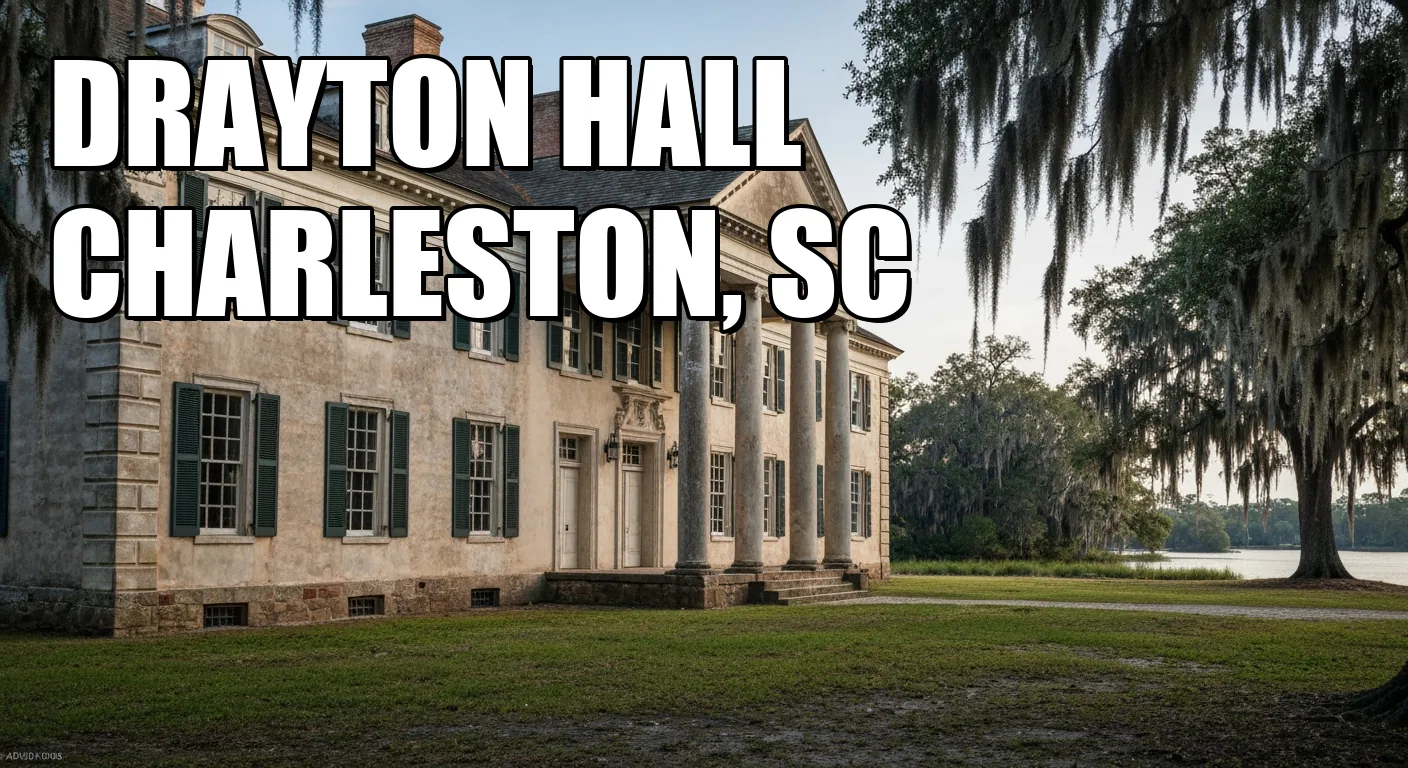
Picture a typical Lowcountry plantation, and you’ll likely envision stately columns, blooming azaleas, and perhaps a mint julep on the porch. Drayton Hall, perched majestically on the banks of the Ashley River outside Charleston, South Carolina, will immediately disabuse you of that romanticized notion. Built in 1738 by John Drayton, a wealthy planter, this isn't a restored fantasy; it is, quite remarkably, the nation’s oldest unrestored plantation house still open to the public. And that, in my estimation, is precisely its genius. Why would the National Trust acquire a property in 1974 and choose *not* to restore it to its original glory? Because the preservation philosophy here is radically different, and frankly, more intellectually honest than many of its counterparts. Instead of recreating a single moment in time, Drayton Hall embraces what they call "interpretive preservation." Every layer of paint, every scratch on the floorboards, every architectural modification across nearly three centuries tells a story. You won’t see period furnishings meticulously arranged; rather, you'll witness the raw bones of an edifice that has withstood wars, earthquakes, and the sheer passage of time. This approach, while perhaps less immediately Instagram-friendly than some perfectly restored estates, offers a far richer and more authentic encounter with history. The one-hour guided house tour, included with your $26 adult admission (score a $3 discount by booking online ahead of time), is essential. These guides aren't just reciting facts; they are interpreters of a complex narrative, adept at weaving together the stories of the powerful Drayton family and, crucially, the hundreds of enslaved African Americans whose forced labor built and sustained this vast enterprise. They don't shy away from the brutality inherent in the plantation system, presenting a balanced, albeit difficult, account that acknowledges the interwoven tapestry of wealth and human suffering. It’s a powerful, often somber experience, but one that feels deeply necessary for understanding the foundation of Lowcountry culture. Expect to grapple with history, not just passively observe it.The Sculptor's Sanctuary: What Chesterwood Tells Us About Creation
Have you ever wondered what kind of environment fosters monumental artistic genius? A visit to Chesterwood, nestled in the bucolic Berkshires of Stockbridge, Massachusetts, offers a profound answer. This wasn't merely a summer retreat for Daniel Chester French (1850–1931), America's most distinguished sculptor of public monuments; it was his crucible of creation, the place where ideas took physical form. Here, in the quietude of his studio, designed in 1897 by Lincoln Memorial architect Henry Bacon, French conceived over 100 public sculptures, including the iconic Abraham Lincoln statue for the Lincoln Memorial. Stepping into French's studio is like entering a time capsule of artistic process. The air itself seems to hum with the echoes of his work. Unlike many artist's homes that have been stripped of their working tools, Chesterwood meticulously preserves the very environment French inhabited. You’ll see his enormous plaster models—miniature versions of the giants that now grace civic spaces across the nation—tools, and the ingenious track system that allowed him to roll his large sculptures outdoors to observe them in natural light. This detail alone provides a powerful insight into the practical challenges of sculpting on a grand scale, a reality often overlooked in the finished, polished works we admire. The juxtaposition of the serene Berkshires landscape with the sheer ambition of his monumental art is truly arresting. Guided tours of the studio and residence are highly recommended, running for limited groups of 20 people and frequently selling out, so *do* book online in advance to secure your spot. General admission for adults is $22. Don't rush past the serene grounds; they offer not only stunning views but also often host contemporary sculpture exhibitions, creating a dialogue between past and present artistic endeavors. What you might expect is a staid museum; what you discover is a vibrant testament to the creative spirit, a powerful reminder that even the most enduring public art begins in a deeply private, reflective space.Filoli: Beyond the Gilded Cage of California Wealth
Out in Woodside, California, a sprawling estate named Filoli stands as a testament to early 20th-century wealth and ambition. Built between 1915 and 1917 for William Bowers Bourn II, heir to a gold fortune, this 654-acre property, boasting 16 acres of formal gardens, represents one of the most remarkably intact Gilded Age estates remaining in the state. Its very name, derived from Bourn's personal credo—"Fight for a just cause; Love your fellow man; Live a good life"—paints a picture of high-minded ideals. But does the experience live up to this grand declaration, or is it merely a beautiful facade? Visitors arriving at Filoli for the first time often express surprise at its sheer scale and exquisite preservation. Unlike some Gilded Age properties that feel more like dusty museums, Filoli maintains a vibrant pulse, welcoming over 100,000 visitors annually. The gardens are, without question, the undeniable stars of the show, meticulously designed and maintained, offering a spectacular array of flora through every season. You can easily spend hours wandering the themed garden rooms, from the sunken garden to the walled garden, each offering a distinct aesthetic and botanical experience. It’s a horticultural masterpiece, yes, but also a living canvas that reflects the immense resources poured into its creation. General admission is approximately $38 for adults, providing self-guided access to the historic house, gardens, hiking trails, a café, and a gift shop. While the house tour provides insight into the Bourn family’s opulent lifestyle, the real story here is the interplay between the Bourn family's immense wealth—rooted in California's Empire Mine gold fortune—and their professed ethos. Was the credo a genuine guiding principle, or a convenient justification for unparalleled luxury? That’s a question for visitors to ponder as they stroll through spaces that speak volumes about turn-of-the-century San Francisco elite. While beautifully presented, understanding the context of the wealth that built Filoli deepens the experience beyond just appreciating its aesthetics.Shadows-on-the-Teche: Confronting Louisiana's Complex Past
Driving through New Iberia, Louisiana, you might stumble upon a stately Greek Revival mansion, its white columns gleaming against the lush greenery of the Bayou Teche. This is The Shadows-on-the-Teche, a property completed in 1834 for sugar planter David Weeks, and it offers a pivotal, often challenging, exploration of Louisiana history. What sets "The Shadows" apart from many other Southern plantation tours is its resolute commitment to presenting a truly "nuanced and balanced" historical narrative, drawing from an astonishing 17,000 family documents and the archives of the Iberia African American Historical Society. Many plantation sites struggle with how to tell the story of enslavement without either glossing over its horrors or reducing the enslavers to caricatures. The Shadows grapples with this head-on. Their tours don’t just focus on the grandeur of the Weeks family—though their story, including David Weeks' unexpected death shortly after the house's completion, is fascinating. Crucially, they meticulously weave in the experiences of the over 200 enslaved men, women, and children who were forced to labor on the sugar plantation, providing context for the wealth that built and maintained the estate. This isn't a passive history lesson; it's an immersive, often uncomfortable, confrontation with the realities of the antebellum South. Admission is $18 for adults, and NTHS members enjoy free entry—a tangible benefit if you plan to visit multiple National Trust sites. The raw power of this site lies in its unflinching honesty. Instead of merely showing you beautiful architecture, The Shadows invites you to understand the profound human cost of that beauty. Expect to leave with more questions than answers, a mark of truly insightful historical interpretation. It pushes visitors beyond the surface, challenging them to consider the deeply intertwined lives of all who inhabited this property.Lyndhurst Mansion: Jay Gould's Gothic Statement in Tarrytown
Perched dramatically overlooking the Hudson River in Tarrytown, New York, Lyndhurst Mansion is an architectural marvel—a stunning example of Gothic Revival design. While its original owners include a New York City mayor and a merchant, the estate gained its enduring fame, and arguably its most complex legacy, when it was acquired in 1880 by railroad magnate and financier Jay Gould. To understand Lyndhurst is to understand Gould, one of America's most notorious "robber barons," a man whose immense wealth and ruthless business dealings simultaneously fueled industrial expansion and sparked furious public debate. Walking through Lyndhurst is a journey into the opulent world of late 19th-century American aristocracy, filtered through Gould’s distinctive, often controversial, persona. The mansion isn't just grand; it's almost theatrical, with its soaring ceilings, pointed arches, and a collection of original Tiffany stained glass windows that cast jewel-toned light across the interiors. You'll find an impressive array of European paintings, testaments to the Gould family's global tastes and vast purchasing power, displayed in the Grand Art Gallery on the second floor. However, the true intrigue lies in how this architectural statement reflects the era's economic titans. Was this a display of cultured refinement, or a calculated projection of power by a man whose reputation preceded him? A Classic Mansion Tour, lasting about an hour, covers two floors and approximately 16 rooms, requiring visitors to navigate one staircase with 25 steps. Admission is $26 for adults, though seniors, military, and students receive a slight discount. A vital piece of advice: tour tickets are limited and frequently sell out, especially on weekends and during peak fall foliage season. Make advance reservations, and plan to arrive at least 15 minutes before your scheduled entry time. This tour, not recommended for children under six due to its depth and duration, offers a deep dive into Gould’s personal tastes and the extravagant, yet often turbulent, world he inhabited. Lyndhurst, then, isn't just a beautiful house; it's a monumental character study of one of America's most significant, and polarizing, historical figures. My hope is that this guide sparks not just your wanderlust, but also a deeper curiosity for the stories that shape our nation. These National Trust sites are more than just places to visit; they are opportunities to engage with history on its own terms, to question, to learn, and occasionally, to be profoundly surprised. Happy travels, and may your journeys be rich with genuine discovery.Discovering America's Historic Treasures: Your Complete Guide to National Trust Sites
What is the National Trust for Historic Preservation?
The National Trust for Historic Preservation is a privately funded, nonprofit organization based in Washington, D.C., dedicated to preserving and promoting historic places across the United States. Founded in 1949, it works to protect America's diverse historic buildings, neighborhoods, and heritage through preservation programs and advocacy.
How many National Trust Historic Sites are open to the public?
The National Trust for Historic Preservation manages 27 diverse historic sites open to the public, ranging from colonial mansions and Frank Lloyd Wright homes to Creole plantations and Italian villas across the United States.
What are the best National Trust Historic Sites to visit?
Popular National Trust sites include Drayton Hall in Charleston, South Carolina; Montpelier (James Madison's home) in Virginia; Woodlawn Plantation and Pope-Leighey House in Alexandria, Virginia; Lyndhurst in Tarrytown, New York; Rowan Oak in Oxford, Mississippi; Shadows-on-the-Teche in New Iberia, Louisiana; and Poplar Forest (Thomas Jefferson's retreat) in Lynchburg, Virginia.
What are typical admission costs for National Trust Historic Sites?
Admission prices vary by site; for example, Rowan Oak charges $5 cash-only per person, Drayton Hall offers online discounts (save $3 with advance registration), and some sites like Lyndhurst offer ticketed tours starting at various price points. Most sites offer free admission for National Trust members.
How can I save money with a National Trust membership?
National Trust members receive free or discounted admission to all National Trust Historic Sites, plus discounts on travel, gift shops, and other benefits. Membership also often waives parking fees at member properties.
Part of ⭐ Famous Residents
Famous Residents
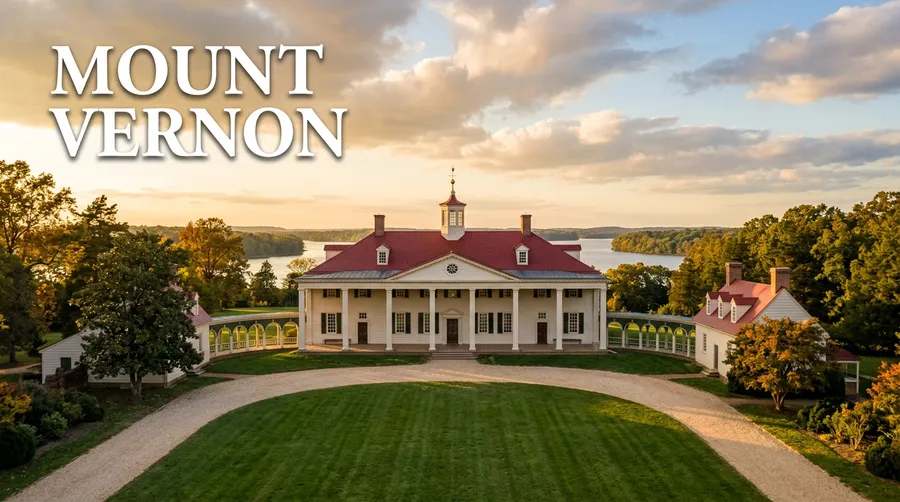
Mount Vernon Tickets, Mansion Tour, and What to See at George Washington’s Estate
A first-timer’s Mount Vernon guide covering timed mansion entry, how long to budget, what is included beyond the house, and how the estate now frames slavery as central history.
Famous Residents
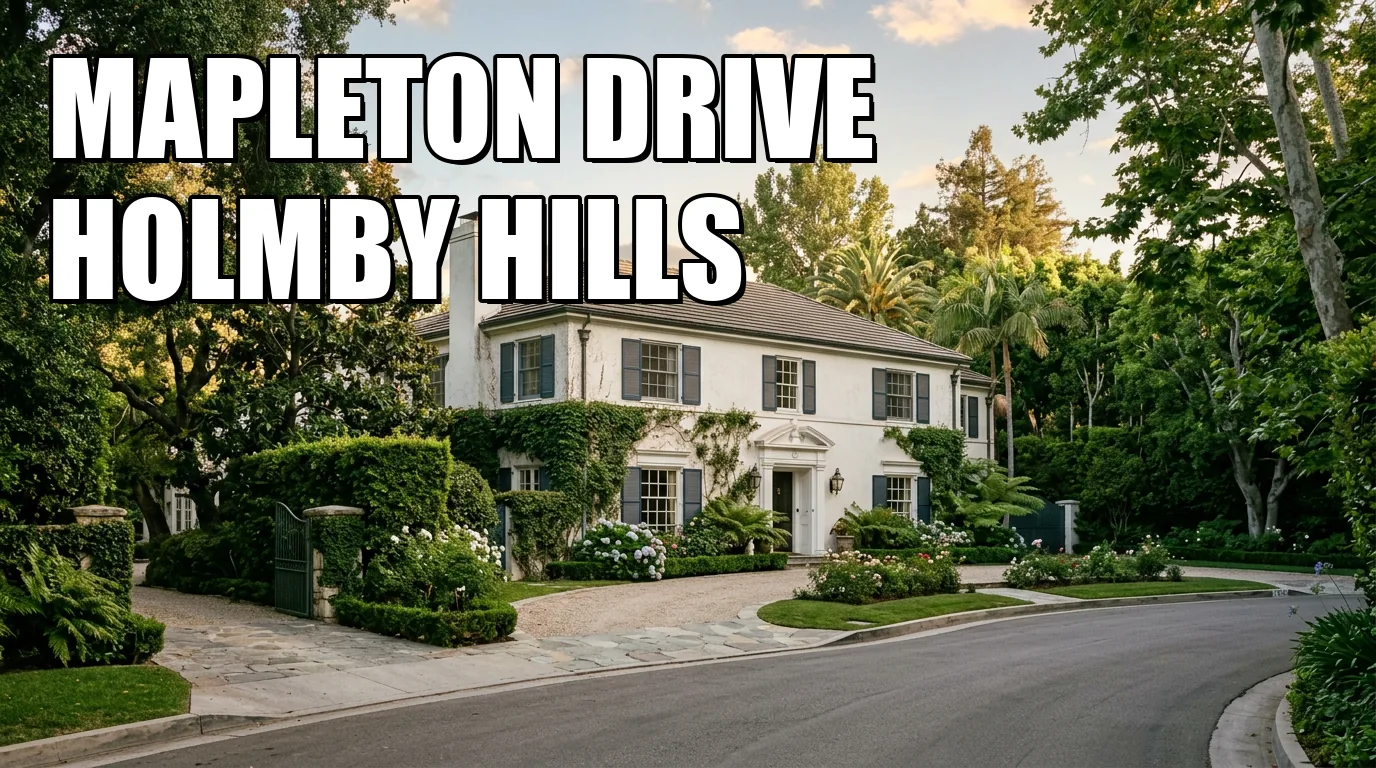
Humphrey Bogart Homes: The Los Angeles Addresses Fans Still Search For
Most Bogart addresses in Los Angeles are private residential properties. Here is which stops are publicly accessible, what each address documents, and how to frame the trip.
Famous Residents
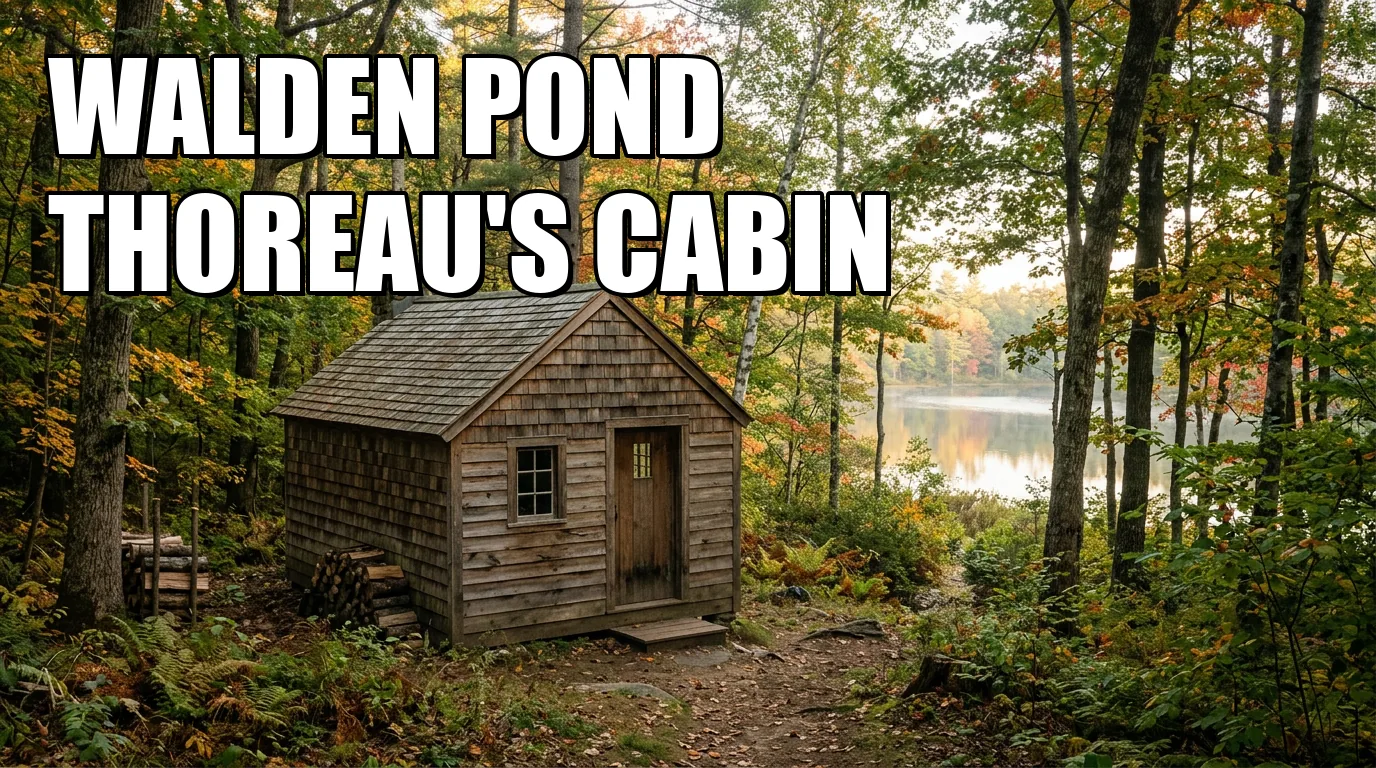
Walden Pond and Thoreau's Cabin: Replica, Site, and What Is Original
The cabin near the lot is a replica; the documented site is a half-mile away. A field guide to scale, archaeological location, landscape change, and access.

From the author of this guide
Check In After Dark
One writer checks into the rooms with the stories — Stanley 217, Banff Springs 873, the Del's 3327 — and reports what the night is actually like.