Photo by James Whitfield for Cornerstone Mansion · January 15, 2026
For years, I’ve chased the phantom limb of history across this country, often finding it not in grand museums, but in the quiet corners of buildings that have simply refused to die. The concept of adaptive reuse—transforming an old structure for a new purpose—isn’t merely architectural fashion; it's an act of profound respect, a commitment to memory, and frankly, a brilliant way to create truly unique travel experiences. When a former farm, factory, or schoolhouse opens its doors as a bed and breakfast, it’s an invitation to step into a narrative, not just a room. The best of these places aren't just pretty; they're poignant. They challenge us to see the layers of time, making a stay less about amenities and more about immersion.
What makes one of these conversions genuinely stand out from a merely "old building" B&B? It’s often the audacity of the transformation, the sheer contrast between a building’s original, utilitarian function and its current luxurious, hospitality-driven one. Consider a place where tobacco was cured, or where glass was meticulously cut, now offering a tranquil night’s sleep. The air in such places seems to hum with forgotten stories, and discerning travelers, much like myself, increasingly seek out these living museums where history isn't just displayed, but *felt*.
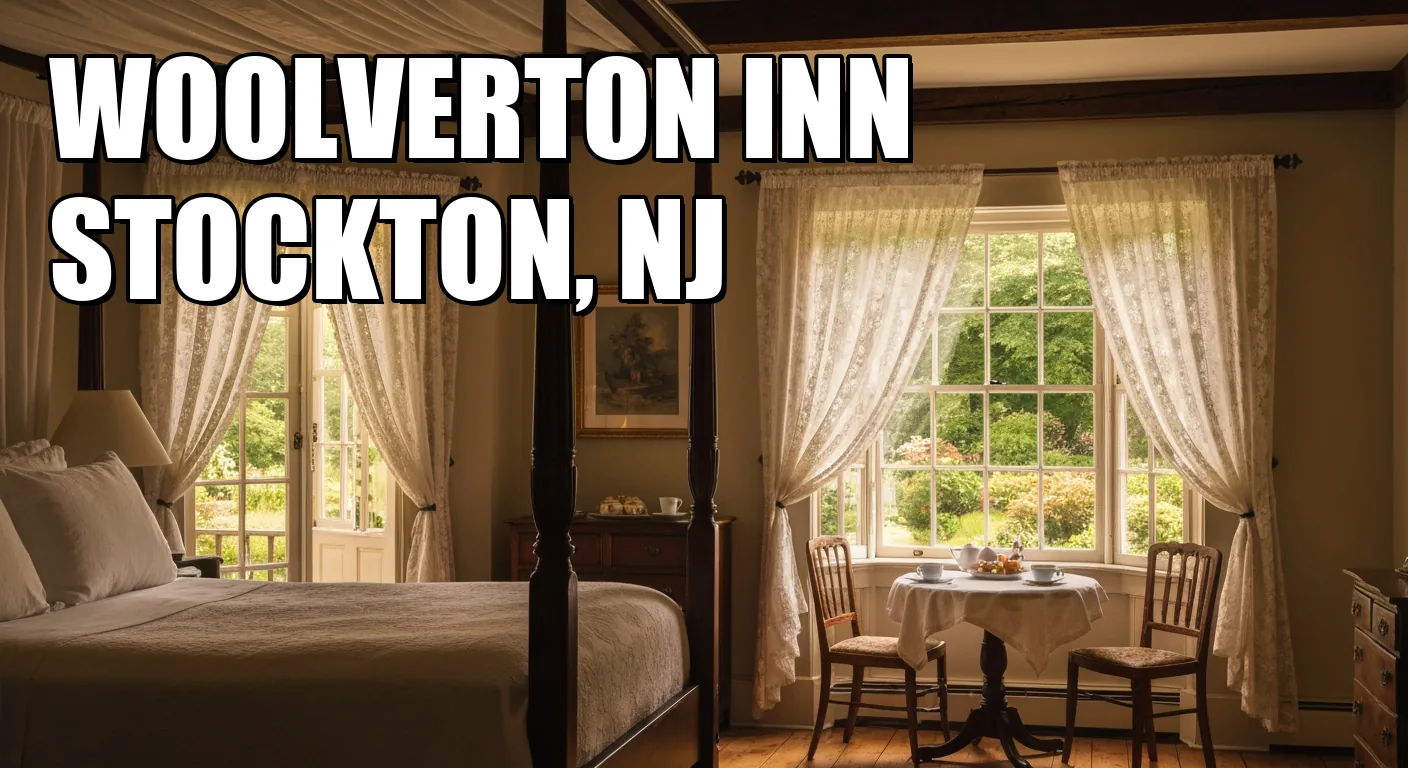
Stepping onto the grounds of the Woolverton Inn in Stockton, New Jersey, you might half-expect to hear the distant clatter of a musket. This wasn't always a serene escape; it began its life as a two-story farmhouse in 1792, anchoring 290 acres purchased by Lieutenant John Prall Jr., a veteran of the Revolutionary War. Imagine this: a man who fought in the Battle of Germantown and Monmouth, coming home to till these very fields, cultivating linseed and grain, tending a fruit orchard. The original stone barn, dating to the 1830s, still stands, a silent testament to centuries of agricultural toil.
Today, the Woolverton offers a decidedly more genteel experience, a stark and delightful contrast to its working past. The award-winning cottages, like the Hunterdon, blend historical charm with modern comforts. Expect to pay around $407 per night for a weekend stay in October 2024, which might seem a robust price for "farmhouse charm," but you're not just buying a room; you're investing in an atmosphere rich with historical resonance. The inn skillfully navigates the line between preserving its heritage and providing contemporary luxury, never letting you forget its origins while ensuring your comfort is paramount. The location in Stockton, nestled in the scenic Delaware River Valley, means you’re within easy reach of charming river towns, but the Inn itself often feels like a destination. My advice? Book well in advance, especially for autumn weekends when the foliage turns the surrounding landscape into a painter’s masterpiece, and those rates hold steady.
Chicago's Literary Lair: A Century of Surprising Transformations
Urban adaptive reuse often tells a more complex, layered story, and The Publishing House Bed & Breakfast in Chicago’s West Loop is a prime example. This three-story brick building, erected in 1909, first served as the Free Methodist Publishing House—a hub for spreading the doctrines of the Free Methodist Church, which was founded in 1860. It churned out books, periodicals, and Sunday school curricula for decades, a bastion of religious thought in a rapidly industrializing city. But its history didn't stop there. By the 1930s, it had shifted gears entirely, becoming the Walter Rudolph Casket Factory, a rather grim yet intriguing pivot that speaks volumes about urban economic shifts. Later, from 1976 to 2009, it housed the Museum of Holography, a truly unexpected chapter in its life before its 2017 rebirth as a B&B.
The current incarnation cleverly nods to its publishing past, naming its 11 guest rooms after Chicago authors. Staying in Room 1, for example, which might run you between $193-$204 per night for a weekend stay in October 2024, including free breakfast, you're not just sleeping in a room; you're surrounded by the ghost of printed words and industrial enterprise. The West Loop, once a gritty industrial zone, has transformed into one of Chicago's hottest dining and entertainment districts. While this means abundant choices for dinner, it also implies a vibrant, sometimes bustling, street scene. Parking can be a challenge here, so factor in valet or garage costs. This property really makes you reflect on how buildings, much like people, can reinvent themselves across the decades, shedding one skin for another, each leaving its imprint.
Ledges Hotel: Where Industrial Grit Sparkles as Luxury
What happens when a grand bluestone edifice, once a hive of intricate craftsmanship, finds new life overlooking a dramatic gorge? The Ledges Hotel in Hawley, Pennsylvania, answers this question with an emphatic flourish. This five-story Federal-style building, constructed in 1890, was originally the J.S. O’Connor American Rich Cut Glass Factory. John S. O’Connor (1831-1916), an Irish-born Civil War veteran, was no ordinary entrepreneur; he was a master glass cutter who had spent 25 years as superintendent at the esteemed Christian Dorflinger & Sons. He not only designed highly collectible patterns like Parisian, Florentine, and Princess but also innovated special cutting wheels and even a vacuum device to protect his nearly 300 workers from inhaling glass dust – a testament to a visionary mind at a time when worker safety was rarely prioritized. Imagine, at its peak, this factory receiving orders for 200 wine glasses shipped all the way to St. Petersburg, Russia, during Grover Cleveland’s administration!
Today, the Ledges Hotel embraces its industrial heritage with exposed bluestone walls and soaring ceilings, creating an aesthetic that’s both raw and refined. A contemporary hotel room, like Room 8, averages around $295-$371 per night for a fall 2024 weekend stay. Hawley itself is a charming Poconos town, offering access to lakes and outdoor activities, but the hotel itself offers a unique architectural journey, celebrating the building’s past rather than erasing it. For visitors, the challenge might be that the dramatic setting, while stunning, means less walkable immediate amenities than a city-center B&B. However, the sheer history embedded in the very walls, the echoes of skilled artisans shaping glass into glittering works of art, makes it a compelling stay. Expect a quiet retreat, punctuated by the sounds of the Lackawaxen River gorge below.
The School House: Recapturing Childhood Charms (Without the Homework)
There’s an undeniable, almost universal nostalgia associated with schoolhouses, and the School House Bed & Breakfast in Rocheport, Missouri, plays into that sentiment beautifully. Originally built circa 1914, this was Rocheport's public school building, diligently serving grades 1-8 for miles of the surrounding Lebanon community until its closure in 1972. It’s a building that was, for decades, the intellectual and social heart of a rural area, and its listing on the National Register of Historic Places underscores its cultural significance. The property even retains the original merry-go-round from the schoolyard, a charming, tangible link to the laughter and learning that once filled these grounds.
Staying here feels less like a typical hotel and more like an immersive trip down memory lane. The 11 guest rooms are named after school-themed memories, each thoughtfully designed to evoke a sense of comfortable nostalgia. The Art Room, for instance, offered pricing around $250 per weekend night in fall 2024. Rocheport itself is a tiny, picturesque town, famed for its proximity to the Katy Trail, one of the longest rail-trails in the country. This means it’s a perfect base for cyclists and hikers, but perhaps less appealing for those seeking bustling nightlife or extensive shopping. What you gain in charm and tranquility, you trade in urban convenience. For anyone who yearns for the simple pleasures of childhood or appreciates the enduring spirit of community education, this B&B is a heartwarming and surprisingly sophisticated choice. Don't expect a typical concierge, but do anticipate genuine small-town hospitality.
Leola Village: Harvesting History in Pennsylvania Dutch Country
From tobacco leaves to luxury suites—this is the remarkable journey of The Inn at Leola Village in Leola, Pennsylvania. Once an 1867 collection of historic farmhouses and barns, this property was a working Amish tobacco farm, cultivating crops destined for the cigar factories in nearby Lancaster. For generations, these structures served a purely agricultural purpose, witnessing countless harvests and the rhythms of rural life in Pennsylvania Dutch country. Tragically, by the late 20th century, the farm was abandoned and faced demolition, a common fate for many historical agricultural complexes until preservation-minded owners stepped in to acquire and transform it into a boutique inn in 1999.
The Inn at Leola Village today is a sprawling complex that masterfully integrates its past. The converted tobacco barn, with its vaulted ceilings and rustic post-and-beam construction, is a highlight, now offering an impressive event space. Guest rooms, like the Coach Room with two Queen Beds, average around $168-$188 per night for weekend stays in fall 2024, making it a surprisingly accessible option for such a storied property. For a truly unique experience, consider the Wine Cellar Suite in the historic Bard House, featuring exposed stone walls and an arched reading nook – a fantastic example of using existing architectural features to create distinctive spaces. While the Lancaster region can be a magnet for tourists, Leola Village manages to maintain an authentic sense of place. It’s an ideal base for exploring the area’s Amish heritage and rich farmlands, offering a blend of historical depth and modern comfort that truly respects its origins. Be prepared for a pastoral setting, perhaps with the sounds of horse-drawn buggies passing by, which is, after all, part of the region's charm.
Ultimately, choosing an adaptive reuse B&B isn’t just about finding a place to sleep; it’s about choosing a story. These buildings, these very stones and timbers, have borne witness to generations of American life—from revolutionary fervor and industrial might to scholarly pursuits and agricultural labors. Each conversion is a testament to vision, perseverance, and a deep-seated belief that our past is not something to be discarded, but rather, cherished, reinterpreted, and enjoyed anew. For the savvy traveler in 2025, these reborn landmarks offer not just a bed, but a portal.
Historic Inns and B&B Stays Worth Booking
Use this section for real inns with a clear property story, a defined location, and an overnight stay people can actually plan around.
Ultimate Guide to Adaptive Reuse Bed and Breakfast Stays Across America
What exactly is an adaptive reuse bed and breakfast?
An adaptive reuse bed and breakfast is a historic building originally designed for another purpose—such as a factory, school, train station, firehouse, or convent—that has been carefully restored and repurposed as a boutique inn or bed and breakfast accommodation. These properties combine authentic historical architecture and character with modern amenities, offering guests an immersive experience in historic preservation.
What makes an adaptive reuse bed and breakfast experience unique compared to traditional hotels?
Adaptive reuse B&Bs offer guests authentic character-rich environments with preserved historical features like exposed brick walls, original wood beams, and period-specific architectural details that new construction cannot replicate. Each property tells a story rooted in its original purpose, creating emotional connections and memorable stays with built-in history and distinctive design that set them apart from standard hotel experiences.
What types of buildings are being converted into adaptive reuse bed and breakfasts?
Common building types include former factories, warehouses, schools, train stations, firehouses, historic homes, convents, department stores, barns, hospitals, and even luxury ocean liners. Examples from the 2025 Historic Hotels of America list include a former junior high school with 'hall pass' keycards, a converted train station with railroad-themed suites, and a former glass factory perched on a creek.
Where are the best locations for adaptive reuse bed and breakfast stays in the USA?
Adaptive reuse hotels are concentrated in urban centers, with notable properties in states like Pennsylvania, New Jersey, Massachusetts, New York, Tennessee, California, North Carolina, and Missouri. These conversions are primarily an urban trend, often located in historic districts near other cultural attractions, restaurants, and amenities.
How much does it cost to stay at an adaptive reuse bed and breakfast?
Pricing varies widely depending on location and amenities, but adaptive reuse properties typically offer competitive rates with boutique hotel pricing; research indicates conversion economics can reduce development costs compared to new construction. Specific rates depend on individual properties, seasonal demand, and booking platforms like Booking.com and Historic Hotels of America websites.
What are the environmental and sustainability benefits of staying at adaptive reuse bed and breakfasts?
Staying at adaptive reuse properties supports environmental conservation by reducing demolition waste, conserving resources, and minimizing embodied carbon compared to new construction. These conversions preserve existing structures, avoid the substantial environmental costs of demolition and rebuilding, and often incorporate eco-friendly modern systems while maintaining historical authenticity.
How do I book a stay at an adaptive reuse bed and breakfast?
You can book directly through individual property websites, the Historic Hotels of America official website (historichotels.org), or major online travel platforms like Booking.com, Airbnb, and VRBO. Many properties offer direct booking benefits including flexible cancellation policies, special packages, and loyalty perks.
Are adaptive reuse bed and breakfasts accessible for travelers with disabilities?
Accessibility varies by property, but many adaptive reuse B&Bs incorporate ADA features including ground-floor rooms with roll-in showers, wide doorways, grab bars, and accessible entrances. However, historic preservation requirements sometimes pose accessibility challenges; it's recommended to contact individual properties directly regarding specific accessibility accommodations.
Do adaptive reuse bed and breakfasts include breakfast with the room rate?
Breakfast inclusion policies vary by property. Many traditional B&Bs include farm-to-table or locally-sourced breakfasts as part of the experience, while some hotel-style adaptive reuse properties offer breakfast as an add-on charge. Check individual property listings for specific meal inclusions.
What are the cancellation and booking policies for adaptive reuse bed and breakfasts?
Cancellation policies vary by property and booking method. Many independent adaptive reuse properties now offer flexible free cancellation windows (typically 48 hours before arrival) to meet traveler expectations for booking flexibility. Policies differ between direct bookings and online travel agencies, so review specific terms when booking.
Are pets allowed at adaptive reuse bed and breakfast accommodations?
Pet policies vary significantly by property. Some adaptive reuse B&Bs welcome pets with specific requirements such as vaccination records and additional fees, while others have breed or size restrictions. Contact individual properties directly to confirm pet-friendly status and any associated policies.
Do adaptive reuse bed and breakfasts host events like weddings and corporate gatherings?
Many adaptive reuse properties, particularly larger ones like historic inns with restored barns or event spaces, welcome weddings, corporate retreats, and private events. Historic venues like Woolverton Inn's restored barn restaurant and The Blackburn Inn Conference Center offer unique event backdrops.
What is the best time of year to visit adaptive reuse bed and breakfasts?
Peak seasons vary by location and regional climate, but many adaptive reuse properties experience high demand during spring (May-June) and fall (September-October) for favorable weather and autumn foliage. Rural properties may have seasonal closures; check availability year-round on booking platforms.
How many adaptive reuse bed and breakfast properties currently exist in the United States?
In 2023, hotels accounted for more than one-third of adaptive reuse projects in the U.S. with over 4,500 units delivered, and by May 2024, 151,000 hotel units were in various stages of development. The 2025 Historic Hotels of America list highlights 25 top-tier adaptive reuse properties recognized as exemplary preservation projects.
What certifications or ratings should I look for when choosing an adaptive reuse bed and breakfast?
The Historic Hotels of America program is the official recognition from the National Trust for Historic Preservation, and their annual Best of Adaptive Reuse list is considered the gold standard for identifying quality preservation projects. Properties may also hold National Register of Historic Places designations and sustainability certifications.
Why This Page Exists
Maison builds place guides to help readers plan a real visit or understand a real site. When a page makes present-day access, booking, or visitor claims, those details are revised against public-facing source material and editorial review. For the wider standards behind that work, see methodology.
The Cornerstone Brief
One historic place, once a week — what it is, why it matters, whether it's worth going. No filler, no paid placements.
Coming soon. Unsubscribe any time.
We use cookies to enhance your experience. By continuing to visit this site you agree to our use of cookies.