
There's a peculiar alchemy involved in translating a beloved theme park attraction into a cinematic experience. Disney's *Haunted Mansion* has attempted this feat twice, first in 2003 with Eddie Murphy and then again in 2023 with a star-studded ensemble. What often goes unsaid in the glitzy promotional tours is the sheer logistical marvel, the obsessive dedication to detail, and the clever trickery required to bring those spectral halls and gloomy grounds to life. Having traipsed through enough historical homes and movie sets to discern genuine authenticity from mere window dressing, I can tell you these productions didn't just wave a magic wand. They scouted, built, and reimagined, weaving a tapestry of real-world locations and meticulously crafted studio sets across the United States. So, if you're like me, someone who appreciates the practical artistry behind the illusion, let's explore where the Doom Buggies *really* rolled.
Unearthing Haunted Mansion's Real-World Filming Secrets
From Soundstage to Spectral Manor: Unpacking Trilith's Practical Magic
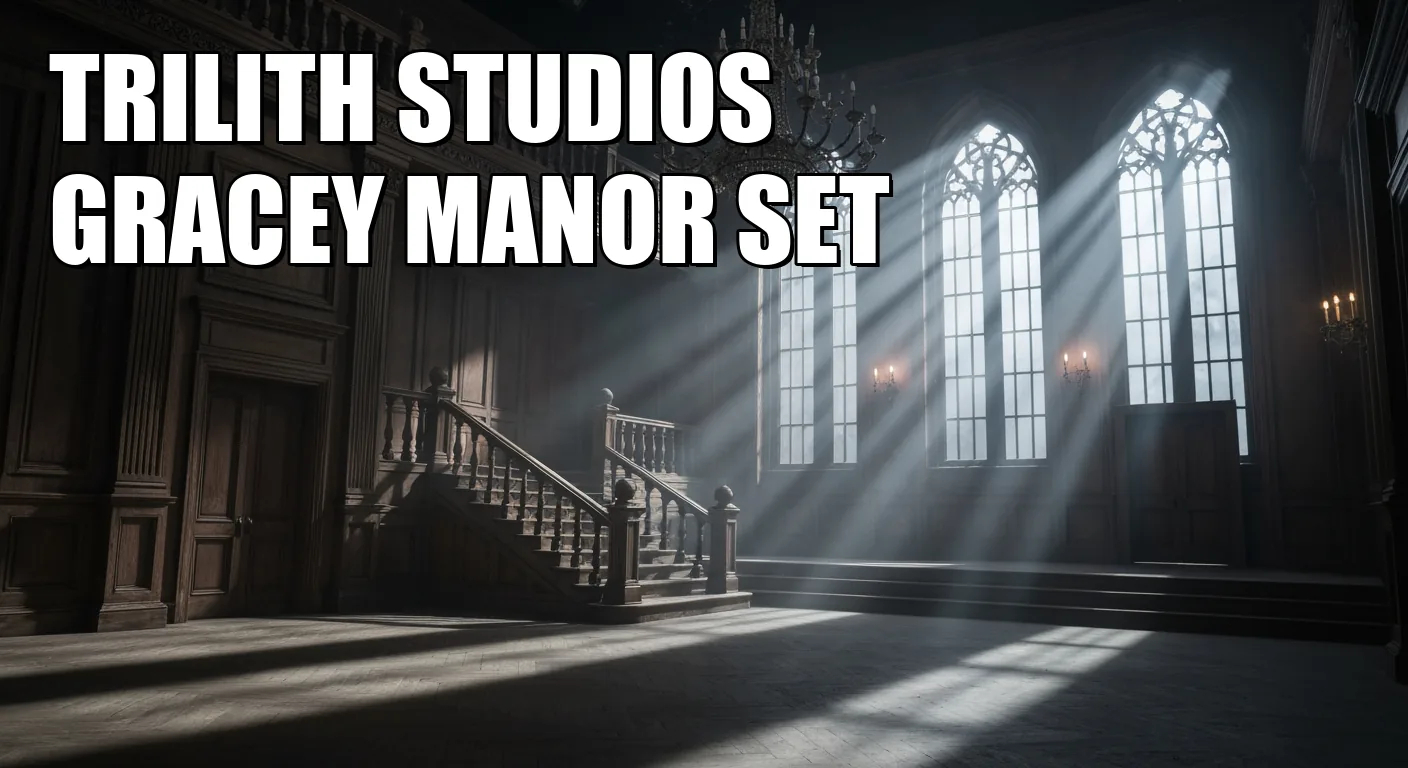
For the 2023 *Haunted Mansion*, much of the chilling interior was conjured within the sprawling confines of Trilith Studios in Atlanta, Georgia. This isn't just any soundstage work; the production team took an almost unheard-of approach, building the *entire* first-floor interior of Gracey Manor as a physically connected, full-scale set. Imagine the grand foyer leading seamlessly into the ballroom, then the library, the séance room, and even the master bedroom, all without a single cut. This isn't how most major films operate, where individual rooms are often isolated sets. Director Justin Simien, a former Disneyland cast member, insisted on this immersion, even making a private, after-hours pilgrimage to Disneyland's original attraction to capture photos and measurements, ensuring every detail from the golden snake door handle to the bat-shaped stanchions mirrored the ride.
What this level of commitment yields for the audience is an undeniable sense of place, a feeling that the manor is a true, lived-in (albeit haunted) entity. For the actors, it reportedly heightened their performances, grounding their fear in genuinely eerie environments. If you’re a film enthusiast, you might wonder how you can experience this. While the actual sets are long dismantled, Trilith Studios offers "The Trilith Experience," a guided trolley tour around its vast 700-acre complex and the adjacent Town at Trilith. You won't walk through Gracey Manor's halls, no, but seeing the sheer scale of North America's second-largest purpose-built movie studio, the 18 premium sound stages, and the extensive 400-acre backlot gives you a profound appreciation for the ecosystem that births such films. A general admission ticket runs about $28 for adults, with tours operating Monday through Sunday, generally from 10:00 AM to 5:00 PM (12:00 PM on Sundays). Don't go expecting props or direct set access, but rather an insight into modern filmmaking infrastructure.
Where Illusions Began: Inside the 2003 Film's California Production Hub
Turning back the clock to the 2003 *Haunted Mansion*, the interior scenes of Gracey Manor took shape at what was then Barwick Studios, now known as Quixote Studios – Griffith Park in Los Angeles, California. Like its 2023 counterpart, this was a monumental undertaking in set design. Production designer John Myhre meticulously recreated the attraction's iconic spaces: the sprawling grand foyer with its "endless" corridors, the cobweb-draped attic, the ballroom, and the master bedroom. The crew frequently reported being "in awe" of the sheer size and detail of these sets, which isn't a common sentiment among seasoned film professionals. They even employed miniature "lipstick" cameras and 3D computer visualizations during the pre-production phase to plan every shot before a single nail was hammered into the foam core models.
The facility, located near the famous Griffith Park, has been a major production hub for decades, undergoing a rebranding in 2005. So, can you visit? Unfortunately, Quixote Studios is a working commercial rental facility and doesn't offer public tours. You can poke around their website for virtual tours of their sound stages, which is a neat peek behind the curtain, but it won't scratch the itch of walking through a ghostly mansion set. Your best bet for a public experience in the vicinity is exploring Griffith Park itself, which boasts over 53 miles of hiking trails and stunning city views. Just don't expect to stumble upon Eddie Murphy's old haunts. This location serves as a testament to the immense, often unseen, effort that goes into practical set building before digital effects take over.
Conjuring a Louisiana Swamp in SoCal: Sable Ranch's Exterior Secrets
Perhaps one of the most surprising locations for the 2003 film's exterior shots was Sable Ranch in Santa Clarita, California. Here, far from the bayous of Louisiana, a three-story facade of the Mansion was painstakingly constructed. The upper attic, chimney, and spires were later added with CGI, but the physical structure and its immediate surroundings were very real. What's truly remarkable is how the production managed to transform this 400-acre California property, known for its oak groves, into a credible Louisiana marshland. They built an elaborate, above-ground graveyard, characteristic of New Orleans' waterlogged cemeteries, and used existing vegetation to create the illusion of a boggy landscape. Production designer John Myhre even added subtle, hidden "eyes" within the metal framework and wallpaper of the set, an insidious touch that made the house feel truly alive and watchful.
This is where cinema truly showcases its power to transport. An audience would never suspect that the gloomy, atmospheric exteriors were shot in a dry, sun-drenched canyon north of Los Angeles. However, for the casual fan hoping to visit, there's a dose of reality: Sable Ranch is a privately owned working movie ranch, which was actually listed for sale in 2024 for a cool $35 million. It has hosted productions since the 1970s, but it remains a professional facility, not a tourist attraction. There are no public tours, and general access isn't permitted. It’s a fascinating footnote in the film's production history, highlighting Hollywood’s unparalleled ability to create convincing illusions, but it's not a destination for *Haunted Mansion* pilgrims.
New Orleans' True Haunting: The Buckner Mansion's Enduring Allure
When it came to the 2023 *Haunted Mansion*, the filmmakers wisely turned to the source of so much American gothic inspiration: New Orleans. The exterior of Gracey Manor in the film is directly inspired by, and features establishing shots of, the magnificent Buckner Mansion at 1410 Jackson Avenue in the Garden District. This 20,000 square-foot Greek Revival masterpiece, built in 1856 by cotton tycoon Henry S. Buckner, boasts forty-eight fluted columns and a distinct antebellum grandeur that makes it feel inherently haunted, even without the movie magic. The production didn't build the entire mansion facade here; instead, they constructed the first story of the mansion's exterior, complete with its front yard, driveway, and gates, on a studio backlot in Louisiana, using the Buckner Mansion for establishing shots and architectural inspiration, enhancing its upper portions with visual effects.
Stepping out onto Jackson Avenue, you'll immediately understand why this mansion was chosen. It’s not just a house; it’s a character, steeped in local lore, including tales of Miss Josephine, a former governess and midwife, still haunting its halls. Director Justin Simien, acutely aware of New Orleans' rich cultural tapestry—its unique blend of Voodoo, Catholicism, jazz, and Black history—insisted on grounding the film's aesthetic in this authenticity. While the Buckner Mansion is privately owned and famously available as a luxury vacation rental (for around $20,000 per night, should your pockets be deep enough), you absolutely can, and should, admire its imposing facade from the street. Hop on the St. Charles Avenue streetcar (disembark at the "St. Charles at Jackson" stop) for a truly atmospheric approach. It’s a perfect example of a cinematic location that’s not a tourist trap, but rather a living piece of New Orleans history that you can genuinely appreciate from afar.
Beyond the Camera: Disney Studios as the Administrative Nexus
When discussing film locations, it’s easy to focus solely on the glamorous sets and scenic backdrops. However, the often-overlooked reality of major motion picture production involves vast administrative and logistical operations. For the 2003 *Haunted Mansion*, the Walt Disney Studios in Burbank, California, served precisely this function. While primary filming for interiors and exteriors happened elsewhere, this historic 51-acre lot was the nerve center for much of the film's production phases, including housing offices, costume departments, and various other essential administrative functions. It's the engine room, not the glittering ballroom.
Established in 1940, the Burbank lot is a microcosm of Hollywood itself, featuring sound stages, animation buildings, editing suites, and even the iconic signpost at the corner of Mickey Avenue and Dopey Drive. If you’re a die-hard Disney fan, you’ll naturally be curious about visiting. Unfortunately, unlike other major studios, Disney doesn’t offer regular public tours of its lot. Occasionally, exclusive tours are offered through D23, Disney's official fan club, or as part of specialized Adventures by Disney packages. So, for those specifically chasing *Haunted Mansion* connections, this isn't a destination you can readily experience. It serves as a quiet reminder that a film's creation is a massive, multi-faceted enterprise that extends far beyond what’s visible on screen or even on set.
A Stroll Through Cinematic History: Finding Gracey Manor's Heart in Jackson Square
Returning to the 2023 *Haunted Mansion*, few locations could more authentically ground a story in New Orleans than Jackson Square. This iconic 2.5-acre historic park, framed by the majestic St. Louis Cathedral, the Cabildo, and the Pontalba Apartments, played a pivotal role in several key scenes. You’ll recognize it as the backdrop for the romantic engagement scene and a poignant flashback involving Ben (LaKeith Stanfield) and his fiancée. Even the legendary Café du Monde makes a cameo, providing an undeniable sense of place. It’s a cinematic choice that feels less like a set and more like an embrace of the city's very soul.
Jackson Square, originally known as Place d'Armes, has been a central gathering spot since 1721 and was deservedly declared a National Historic Landmark in 1960. It’s a vibrant, bustling hub, hosting street artists, musicians, and fortune tellers. Director Justin Simien’s personal connection to New Orleans and his desire for cultural authenticity truly shine here. Unlike studio sets, this is a fully accessible, living monument. Jackson Square is open daily, typically from 8:00 AM to 6:00 PM in winter and extending to 7:00 PM during Daylight Saving Time. You can reach it easily via the Riverfront Streetcar or by simply walking through the charming French Quarter. Expect crowds, especially during peak tourist seasons (spring and fall), and consider an early morning visit to capture the square’s serene beauty before the throngs arrive. The magic here isn't about seeing a prop; it's about standing in the very spot where cinematic moments unfolded, surrounded by the undeniable spirit of New Orleans itself.
Beyond these six primary locations, the 2023 *Haunted Mansion* further cemented its New Orleans roots by utilizing other notable sites. Lafayette Cemetery No. 2, with its eerie above-ground tombs, provided a striking backdrop for a jazz funeral sequence. Royal Street, especially the 800 block, offered picturesque establishing shots of character residences, while Tulane University lent its academic gravitas as the campus for Danny DeVito’s historian character. These additions, though secondary, were crucial in painting a rich, authentic picture of the city.
Whether it's the meticulous studio builds that recreate a mansion brick by brick, or the real-world historical landmarks that lend their inherent atmosphere, the journey to bring the *Haunted Mansion* to the big screen is a testament to cinematic craftsmanship. For the discerning traveler and film enthusiast, these locations offer not just a glimpse behind the scenes, but a deeper appreciation for the interplay between imagination, history, and the relentless pursuit of movie magic. You might not encounter any grim grinning ghosts, but you’ll certainly find a thrilling story in every brick and bayou.
Haunted Mansion Filming Locations & Attractions: The Complete Visitor's Guide
Home Alone Filming Locations: What You Can Actually Visit
The McCallister home is split across a private Winnetka exterior, school-built interiors, two working churches, Hubbard Woods and post-security O’Hare. Here is the route that respects each boundary.

Beverly Wilshire Hotel: Pretty Woman, Suites, and Whether It Is Worth Staying
The Beverly Wilshire is the real Pretty Woman hotel, but the better question is whether Beverly Hills is the version of Los Angeles you actually want. Here is what the stay really offers.

Sopranos Filming Locations: What Still Exists in New Jersey
Five famous Sopranos stops now mean five different things: a public restaurant with a replacement booth, an opening-credits pizzeria, a private house, an uncertain club and a demolished set.
Check In After Dark
One writer checks into the rooms with the stories — Stanley 217, Banff Springs 873, the Del's 3327 — and reports what the night is actually like.