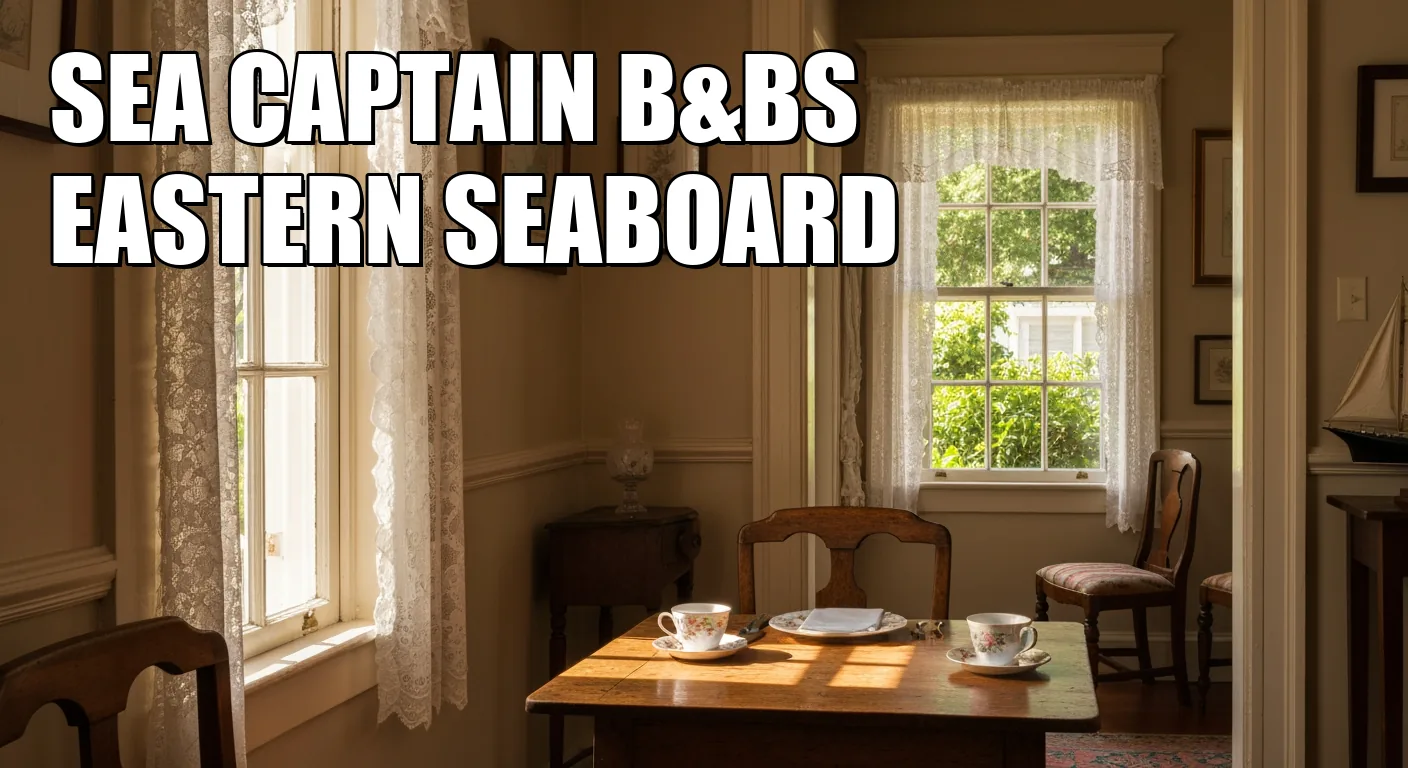
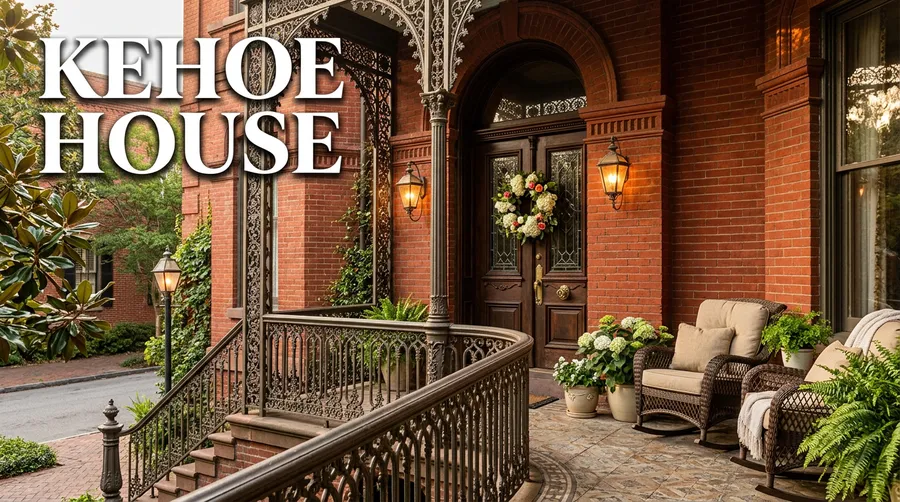
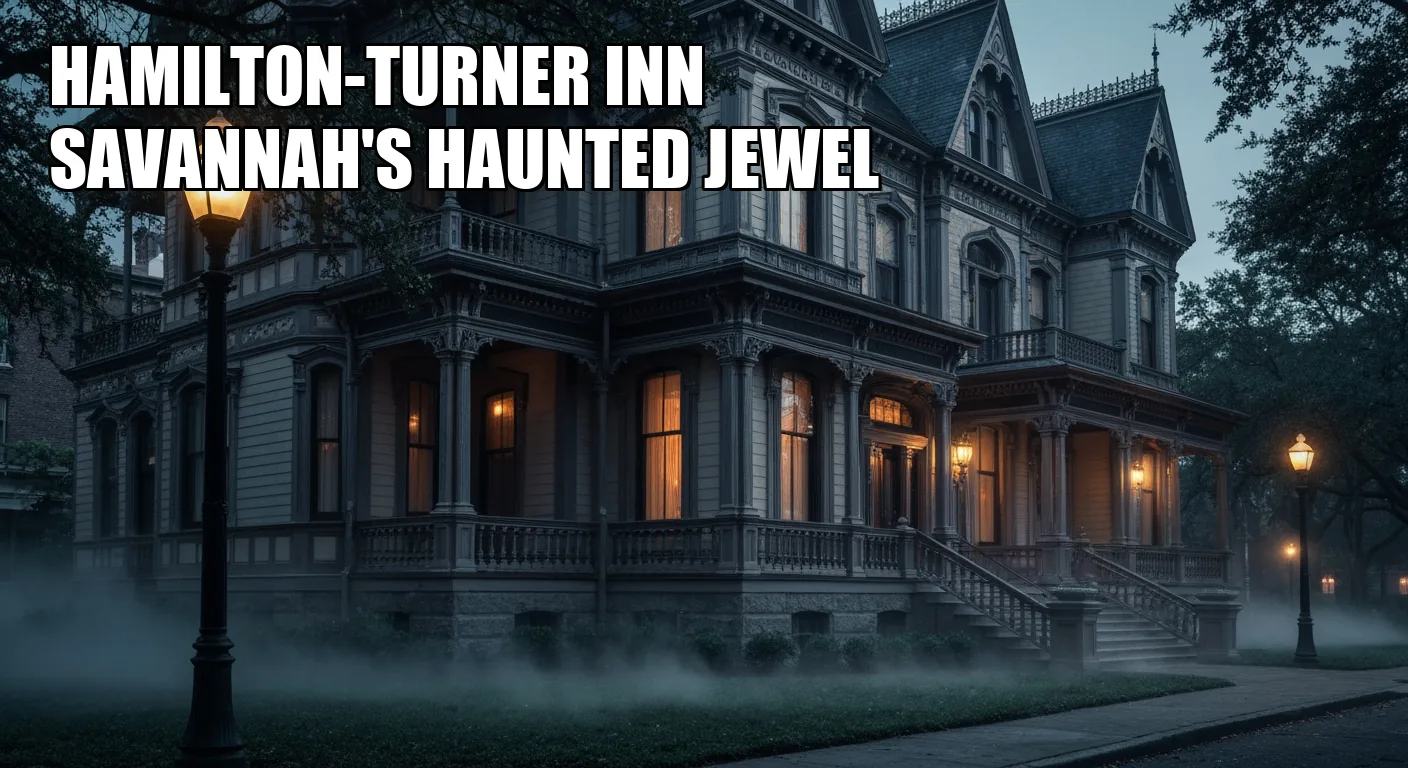
The salty air, the distant call of gulls, the silent strength of old timber – these are the whispers of America's maritime past, a past intimately tied to the daring men who commanded ships and the grand homes they built with their fortunes. For years, I’ve chased these echoes across the Eastern Seaboard, seeking out the bed and breakfasts that truly embody the spirit of their original inhabitants. Forget the generic inn; we're talking about places where history isn't just displayed, but felt, breathed, and sometimes, even debated over morning coffee.
What makes one of these venerable estates stand out amidst the countless charming B&Bs dotting the coastline? It's more than just age; it’s the palpable connection to a specific narrative, a sense that the original owner might still be pacing the floorboards, waiting for the tide. Many of these properties carry the distinct architectural signatures of their era—Greek Revival, Italianate, Federal—each style a statement of the captain’s success and the prevailing tastes of the time, often reflecting exotic influences brought back from distant ports. Understanding these nuances is key to appreciating the story embedded in the very structure of the building.
Beyond the Postcard: Why These Historic Homes Still Speak Volumes
Have you ever wondered why certain houses, built almost two centuries ago, still hold such an allure? It’s not simply nostalgia, but a profound architectural and social statement. These aren’t just old buildings; they are physical manifestations of a golden age of American commerce and exploration. The Greek Revival style, for instance, which you’ll find in some of the oldest captain’s houses, emerged in the mid-19th century as America looked to ancient Greece for democratic ideals, translating into grand, columned facades that projected stability and prosperity. An Italianate mansion, a later style, often boasts ornate cornices, tall windows, and a square cupola, showcasing a flair for the dramatic and a burgeoning global aesthetic. These homes weren't merely shelters; they were monuments to fortunes earned on the treacherous seas, designed to impress and provide a stately sanctuary for families awaiting their patriarch’s return.
However, the "historic" label can sometimes be a double-edged sword. While some B&Bs meticulously preserve their original character, others might lean into a sort of "Disneyfied" version of history, prioritizing modern convenience over authentic feel. The trick is discerning where genuine history resides. Look for places where the owners can tell you stories not just about the house, but about the captain and his family, places where the furnishings feel curated rather than just collected. You’ll know you’re in the right spot when you find yourself imagining the captain’s wife lighting a lamp in the parlor or children playing in the garden – that's when the house truly begins to speak.
Charting New England's Shores: Massachusetts' Enduring Legacies
Our journey begins, as many maritime tales do, on the storied shores of Cape Cod, Massachusetts, a region steeped in seafaring lore. Here, the Captain's House Inn in Chatham, dating back to 1839, stands as a quintessential example of Greek Revival elegance. This isn't just a place to sleep; it’s an immersion into the life of Captain Hiram Harding, whose prosperity allowed him to build this stately home. Walking through its meticulously maintained grounds and elegantly appointed rooms, you get a sense of the quiet dignity and significant wealth associated with a successful 19th-century sea captain.
The inn's atmosphere is one of refined comfort, a far cry from the cramped quarters of a ship. Should you seek the most coveted experience, aiming for the Lady Hope room on the second floor of the Main House is a wise move. It promises a spacious haven complete with a gas fireplace and a queen bed, offering a glimpse into the comfort a captain's family would have known. Planning your visit for the peak season, roughly June through August, means you should anticipate estimated rates between $260 and $330 per night. Crucially, I always advise booking your stay at least six to eight months in advance, especially if you have your heart set on a particular room, as the most sought-after accommodations vanish quickly. Don't rely solely on online booking platforms either; a direct call to the innkeeper can often reveal hidden availability or insider tips, and sometimes even a better rate.
Just a short distance away, in the quieter village of Centerville, sits the Captain David Kelley House, built in 1835. While perhaps less widely known than its Chatham counterpart, it offers a more intimate, equally authentic Greek Revival experience. Captain David N. Kelley, and later Captain John Baker (the "Skipper of the Pride of the Port"), were prominent figures in this community, and their legacy is palpable here. The charm of this house lies in its understated elegance and sense of belonging to a close-knit Cape Cod community.
The Captain Baker Room, a sunny first-floor option, provides a lovely space with high ceilings, built-in corner bookcases, and crown moldings—details that speak to the craftsmanship and pride of its original construction. It even has a private entrance and sitting area, offering a delightful sense of personal space that's not always guaranteed in a historic home. While estimated peak-season rates range from $226 to $357 per night, these figures, like all others I'll mention, are based on available booking data and should be confirmed directly with the inn. Centerville often feels like a gentle exhale compared to the bustling energy of Chatham, making the Kelley House an ideal choice if your preference leans towards tranquil reflection over vibrant activity.
Maine's Rugged Coastlines: Stories Etched in Stone and Sea
Crossing into the Pine Tree State, Maine presents a different flavor of maritime history—one imbued with a touch more ruggedness and, often, a healthy dose of legend. The Captain Nickels Inn in Searsport, an impressive Italianate mansion constructed in 1874 by Captain Albert V. Nickels, immediately captures attention with its commanding presence and sweeping ocean views. This house isn't just historically significant; it's listed on the National Register of Historic Places as part of the East Main Street Historic District, anchoring a neighborhood rich with similar architectural treasures.
What truly sets the Captain Nickels Inn apart, however, is a captivating local legend: Captain Nickels, while at sea, was reportedly declared dead by locals, who then proceeded to sell his previous house. Upon his entirely unexpected return, he promptly built this grander, more imposing mansion, a testament to his resilience and, perhaps, a touch of defiant humor. Imagine the stories those walls could tell! For those seeking the best of what the inn offers, the Katherine room, described as its largest and most popular queen guest room with an ocean view and fireplace, is a superb choice. Alternatively, the Captain's Suite on the third floor offers an elevated retreat. Be aware, this level of historical immersion and scenic beauty comes with a higher price tag, with estimated peak-season rates often climbing to $375-$415+ per night. Searsport itself is a treasure trove for maritime enthusiasts, home to the Penobscot Marine Museum, making the Captain Nickels Inn an excellent base for a deeper dive into Maine’s seafaring past.
Further down the coast, in Southwest Harbor, the Lindenwood Inn (built in 1904) offers a slightly later, yet equally fascinating, glimpse into captain’s life. This home was commissioned by Captain Otis Mills and his wife, Nettie. The very idea of the third floor originally serving as a "widow's walk," where Nettie would gaze out to sea, anxiously awaiting her husband's return, is a poignant reminder of the enduring anxieties tied to a mariner's life. It transforms a mere architectural feature into a powerful symbol of love, hope, and resilience.
Today, the Lindenwood Inn has been recently renovated, marrying historical charm with contemporary luxury, a balance that can be tricky but which they execute beautifully. The Penthouse Suite (Room 7) on the third floor is the undisputed crown jewel, boasting a private rooftop deck with a hot tub and gas fire table – a startlingly modern amenity in a historic setting, yet one that offers unparalleled views and a unique experience. With estimated peak-season rates ranging from $739 to $939 per night for this suite, it represents a significant investment, but for those seeking a truly indulgent and private retreat steeped in history, it could be well worth it. This property, a member of Select Registry, exemplifies how a historic home can evolve while honoring its past.
Rhode Island's Rebel Spirit: A Privateer's Haven
Our final port of call takes us to the historic streets of Newport, Rhode Island, where the Captain Simeon Potter House, dating back to circa 1723, offers a much older, more raw sense of history. This isn't the stately grandeur of later Greek Revival or Italianate homes; this is the weathered, resilient spirit of early colonial America. Captain Simeon Potter was no ordinary merchant; he was an 18th-century privateer and speculator, meaning he was authorized by a government (in his case, supporting the American Revolution) to attack and capture enemy vessels. Think of him as a legal pirate, operating for patriotic and personal gain. This context immediately lends an air of intrigue and daring to the property, situated, as it is, in the Point neighborhood, a National Historic Landmark District.
The house itself, a recipient of a 2004 Newport Preservation Award, feels truly ancient, with its period furnishings, headboards of Honduran mahogany, and original art. It’s a place where you can almost hear the clinking of tankards and the hushed conversations of revolutionaries. The Southwest Chamber or Northwest Chamber are described as exemplary, offering European linen and heated towel bars—a surprising modern comfort in such an old setting. Specific 2024 peak-season rates were particularly elusive for this gem; spring rates were listed around $130 per night, which strongly suggests that summer rates would be significantly higher. For truly accurate pricing and availability, a direct call to the inn is not just recommended, but absolutely essential. Newport itself, with its Gilded Age mansions and colonial streets, provides a rich backdrop for exploring the multifaceted history that Captain Potter was undoubtedly a part of.
Unlocking Your Own Maritime Journey: Planning a Seamless Stay
Embarking on a journey to these historic sea captain homes requires a bit more than just pointing and clicking. The charm of these establishments often comes hand-in-hand with unique quirks and, sometimes, less uniform booking processes than larger hotels. My most critical piece of advice for anyone considering these voyages into the past is to always contact the bed and breakfast directly. Not only can they provide the most accurate, real-time 2025 peak-season rates (as the online estimates I've provided are just that—estimates, and often based on historical data or less-than-peak periods), but they can also offer insights into specific room availability, parking situations, and local dining recommendations that no booking engine ever could.
Think strategically about your timing. New England’s peak season, generally late spring through early fall, offers the best weather, but also the largest crowds and highest prices. If you prefer a quieter, more contemplative experience, consider visiting in the shoulder seasons—late April/early May or mid-September/October. The foliage in autumn, especially in Maine, adds another layer of magic, and the prices tend to be a bit more forgiving. For those highly sought-after rooms, like the Lady Hope at Captain's House Inn or the Penthouse Suite at Lindenwood, booking eight to twelve months out isn't excessive; it's simply smart planning.
Finally, manage your expectations. While many of these historic B&Bs have undergone thoughtful renovations to include modern comforts like private bathrooms and Wi-Fi, they are still old homes. You might encounter creaky floorboards, slightly uneven hallways, or the occasional charming draft. These aren't flaws; they are part of the authenticity, the very fabric of history you're seeking. Embrace them as part of the story. Staying in a sea captain's house isn't just about finding a place to rest your head; it’s about participating in a living legacy, a conversation with the past that continues to unfold with every guest who walks through its venerable doors. So, pack your bags, prepare to listen to the whispers of history, and set sail for an unforgettable journey.
Discover the Charm of Sea Captain House Bed & Breakfasts: Your Complete Travel Guide
What are the reviews for sea captain house bed and breakfast?
Sea Captain's Houses across the USA receive excellent reviews, with guests praising charming historic details, beautiful ocean views, and warm hospitality; locations like Captain's House Inn in Chatham, Massachusetts consistently earn 9-10 out of 10 ratings with visitors highlighting friendly staff, delicious breakfasts, and well-maintained grounds.
What do you wear to the sea captains house?
The dress code for dining at Sea Captain's House restaurants is casual; men should wear shirts with sleeves (no tank tops), and guests coming from the beach should wear cover-ups, though no formal dress is required.
Where is The Sea Captain's Wife set?
Beth Powning's novel 'The Sea Captain's Wife' is set in 1862 in Whelan's Cove, New Brunswick, Canada, on the Bay of Fundy, following the journey of a sea captain's wife who travels aboard her husband's merchant ship.
Is Captain's Wife family friendly?
Yes, Sea Captain's House locations are family-friendly establishments offering children's menus and welcoming environments for families with kids.
How much of the Isola book is true?
Allegra Goodman's 'Isola' is based on the true story of Marguerite de La Rocque, a 16th-century French noblewoman who was abandoned on an island off the coast of what is now Newfoundland; the core historical events are real, though the novel adds fictional elements to the narrative.
Where does The Pilot's Wife take place?
Anita Shreve's 'The Pilot's Wife' is set in coastal southern Massachusetts in the 1990s, featuring a family living in a beach house during a tragic airplane crash and its aftermath.
Is The Winemaker's Wife a true story?
'The Winemaker's Wife' by Kristin Harmel is based loosely on true events, chronicling the French Resistance in the Champagne region during Nazi occupation in the 1940s, with inspiration drawn from the real story of an American woman who helped rescue airmen and soldiers.
Is The Pilot's Wife based on a true story?
No, Anita Shreve's 'The Pilot's Wife' is a work of fiction inspired by architecture and setting rather than actual events; Shreve stated that the novel was inspired by a particular white-clapboard house.
Is Memoir of a Geisha based on a true story?
'Memoir of a Geisha' by Arthur Golden is historical fiction, not based on a true story; however, the author drew inspiration from interviews with real geishas, including geisha Mineko Iwasaki.
Why is it illegal to take pictures of geishas?
It is technically illegal to photograph geishas without permission in certain areas of Kyoto like Gion, though this rule is not typically enforced; the prohibition exists due to disrespectful tourist behavior and cultural respect for these traditional entertainers.
What are the best locations for Sea Captain House bed and breakfasts in the USA?
Popular Sea Captain House B&B locations include coastal Maine (including Waldoboro, Rockland, and Machias), Cape Cod Massachusetts, and the Chatham area; many are situated on historic properties dating from the 1800s with ocean views and waterfront access.
What amenities are typically included at Sea Captain House bed and breakfasts?
Most Sea Captain House B&Bs offer full kitchens or kitchenettes, multiple bedrooms, ocean or waterfront views, screened porches, fireplaces, and complimentary breakfast; many include modern conveniences like WiFi, air conditioning, and outdoor recreational areas.
What is the best time to visit a Sea Captain House bed and breakfast?
Summer months (June-August) offer warm weather and full activity schedules, while fall (September-October) provides stunning foliage and fewer crowds; spring (April-May) and early winter (November) are excellent for peaceful getaways with lower rates.
Are Sea Captain House bed and breakfasts pet-friendly?
Many Sea Captain House B&Bs are pet-friendly, though policies vary by property; it's recommended to check with individual listings on booking platforms like Airbnb or VRBO, as some charge additional pet fees or have specific restrictions.
What activities are available near Sea Captain House bed and breakfasts?
Activities typically include beach access, kayaking, hiking in nearby parks and nature preserves, visiting Acadia National Park (for Maine locations), exploring historic towns, dining at local seafood restaurants, and enjoying water sports.
How far in advance should I book a Sea Captain House bed and breakfast?
Booking 2-3 months in advance is recommended for summer season and peak tourist periods, though availability during off-season months allows for more flexible last-minute bookings with better rates.
We use cookies to enhance your experience. By continuing to visit this site you agree to our use of cookies.