Bed & Breakfast

Unearthing PNW Farm Stays: Beyond the Plate

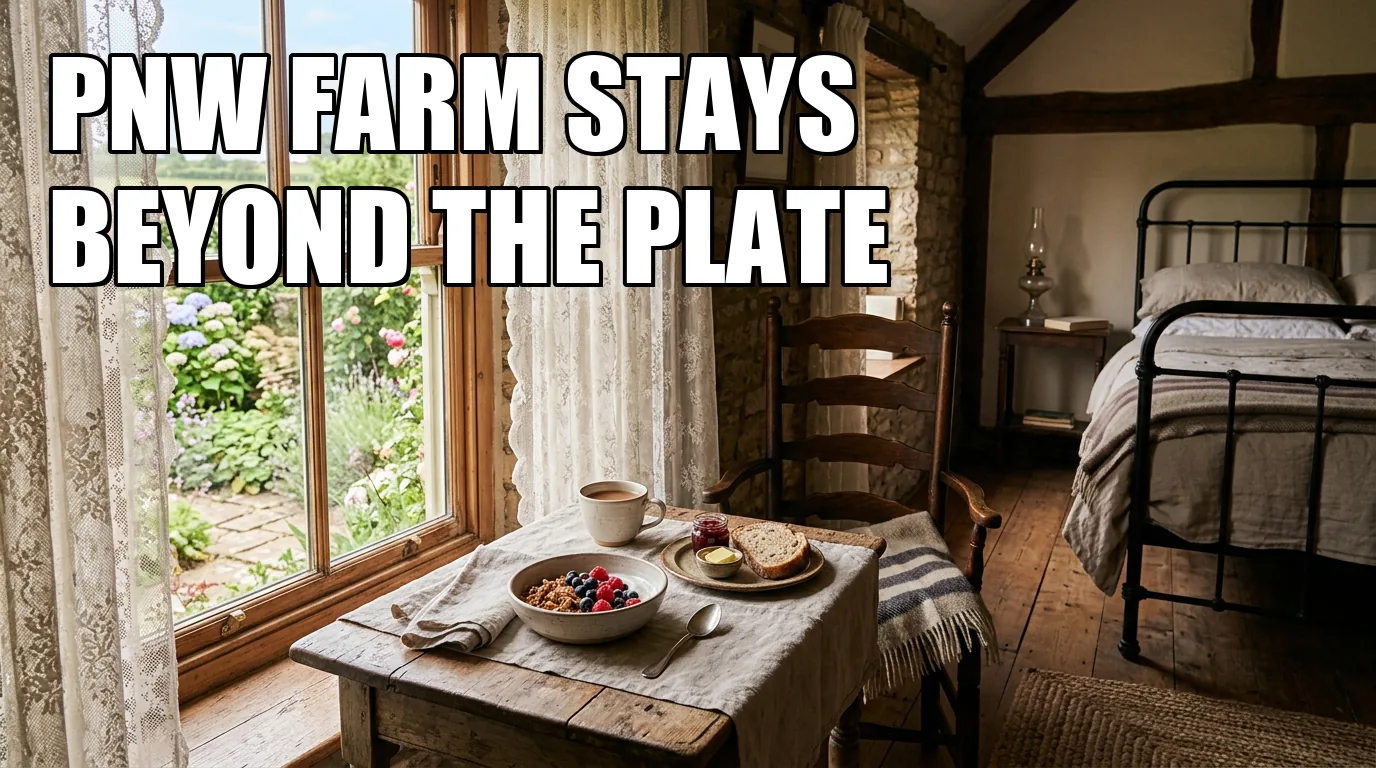
There’s a common misconception that "farm-to-table" is just a culinary buzzword, a marketing ploy to justify higher prices. Having spent years chasing down authentic experiences, I can tell you it’s far more profound, especially when embedded within a bed and breakfast. These aren't just places to sleep; they are living, breathing ecosystems where your breakfast arrives with a story, your wine has a zip code, and the very air feels different. The Pacific Northwest, a region often celebrated for its innovative spirit and stunning landscapes, has truly elevated this concept, offering immersive stays that challenge your assumptions about food, luxury, and the rhythm of life itself.

Before we delve into specific gems, a quick, crucial piece of advice: many of the most sought-after culinary workshops, particularly those in the harvest-rich autumn, book up with alarming speed. As we stand in late 2025, any late 2024 workshop dates are, quite naturally, long past. This isn't merely a logistical note; it’s a vital lesson in planning. If a hands-on culinary experience is high on your wish list, treat it like a concert ticket for a beloved band – set reminders, follow their social media, and be ready to click "book" the moment new dates are announced. The best farm stays aren't waiting for you; you need to chase them down.

Beyond the Breakfast Plate: Why These Farm Stays Resonate

Why bother with a farm-to-table B&B when a hotel offers more amenities? It’s a fair question, one I hear often. The answer, I’ve found, lies in the deliberate, intimate nature of the experience. You're not just consuming; you're connecting. The simple act of stepping onto a working farm, smelling the soil, seeing the chickens that laid your eggs, or walking past the vines that yielded your evening wine, fundamentally shifts your perspective. These properties actively invite you into their world, showcasing the often-laborious journey from soil to spoon, a journey most modern consumers rarely witness firsthand.

What truly sets these places apart from a standard B&B, even one with good food, is the direct ownership of the ingredients. There's no middleman, no vague "local sourcing." When your hosts tell you the greens came from their garden this morning, they mean it. This hyper-locality translates into flavors you simply won't find elsewhere, an intensity and freshness that makes you question every supermarket tomato you've ever eaten. It’s an education as much as it is a vacation, a gentle recalibration of your palate and your appreciation for sustenance.

Carlton's Silo Stays: Abbey Road Farm's Vineyard Immersion

My first encounter with Abbey Road Farm in Carlton, Oregon, was less about the food initially and more about the sheer audacity of its accommodation: luxury silo suites. Yes, actual silos, repurposed into surprisingly spacious and stylish rooms. This isn't just a gimmick; it's emblematic of the Willamette Valley's creative spirit. The farm, sprawling across 82 acres with 42 dedicated to organically-farmed vineyards, isn't simply a B&B; it’s a fully operational winery, boasting 16 distinct grape varieties. This integration is key to its identity, differentiating it sharply from other farm stays focused solely on produce.

While Abbey Road Farm doesn’t offer dedicated culinary workshops—a slight drawback if your primary goal is hands-on cooking classes—it more than compensates by anchoring itself deeply within the region's vibrant wine scene. The multi-course breakfast, prepared with ingredients largely sourced from their own gardens and local partners, is consistently lauded as a highlight. Imagine savoring a gourmet omelet, perhaps with herbs picked that morning, while overlooking rolling vineyards bathed in the soft Oregon light. It’s an experience that speaks to the senses, embodying the very essence of wine country living. If you plan to visit, consider aligning your trip with regional events like the Yamhill-Carlton AVA Spring Tasting, where Abbey Road often plays host, allowing you to sample local chefs' creations alongside exceptional wines. May 3, 2025, for example, is already on the calendar for this popular event, and it promises a lively, bustling atmosphere that truly captures the spirit of the valley.

Snohomish's Culinary Classroom: Bella Luna Farms' Deep Dive

Venturing north into Washington state, just 30 minutes from Seattle, lies Bella Luna Farms, a place that takes the "farm-to-table" mantra and elevates it into a full-blown educational experience. Spread across 12 thriving acres, this isn't just a pretty farm; it's a meticulously cultivated landscape featuring organic vegetable and herb gardens, an active apiary, a farmstead creamery, and even a wood-burning oven. But what truly sets Bella Luna apart, making it a must-visit for the culinary curious, is "The Larder," their dedicated teaching kitchen.

This isn't merely a space for occasional demonstrations; it’s a robust, year-round program of specialized culinary workshops, arguably the most comprehensive in the Pacific Northwest. While specific late 2024 dates for "Cooking with October's Mushrooms" or "The Art of Pie" are now history, their very existence serves as a potent reminder: these classes fill up almost instantly. Bella Luna's commitment to hands-on learning, from butchery basics in "The Hunter's Hearth" to the intricate flavors of "Saffron & Story: The Persian Holiday Table," showcases a depth rarely seen. For your 2025 planning, keep a keen eye on their website, especially as summer turns to fall, when the Pacific Northwest's bounty of wild mushrooms and late-harvest vegetables truly shines. Expect to pay anywhere from $245 to $385 for these intensive, full-day experiences, a small price for the skills and knowledge you'll bring home.

The Ground's Regenerative Luxury: A Holistic Approach in Yamhill

Returning to Oregon's Yamhill County, near McMinnville, we find The Ground's "Inn the Ground"—a different breed of luxury farm stay, one deeply rooted in the philosophy of regenerative agriculture. This isn't just about growing food; it's about healing the land, a concept that permeates every aspect of the experience. Guests reside in modern, upscale suites offering private patios and panoramic views, a stark contrast to Abbey Road's silos, yet equally compelling. The daily breakfast here, like at its counterparts, comes directly from Tabula Rasa Farms, the working regenerative farm that forms the heart of The Ground hospitality collective.

What truly fascinates me about The Ground is its holistic vision. They don't just produce food; they practice rotational grazing and permaculture water retention, all principles you can learn about during their farm tours or while exploring the eight miles of hiking trails. Their workshop offerings, while perhaps less frequent than Bella Luna's intensive schedule, are equally thoughtful. For instance, their "Kraut & About Sauerkraut Canning Workshop" merges chef-led fermentation with hard cider from the farm, allowing participants to grasp preservation techniques and take home a tangible piece of their learning. Looking ahead, the Pasta Social Club is hosting a culinary retreat here from October 17-19, 2025, a multi-day immersion featuring communal dinners, winery visits, and, naturally, pasta-making. These experiences are fewer, but they are deep dives, perfect for those seeking not just a meal, but a profound understanding of sustainable food systems.

Planning Your 2025 Farm Immersion: Timing, Costs, and Reality Checks

So, you're convinced a farm-to-table B&B is your next adventure. Fantastic. But let’s talk practicalities, because the magic doesn't happen by accident. First, timing is paramount. The Pacific Northwest’s peak growing season generally runs from late spring through fall, meaning the freshest produce and most robust garden activity occur between June and November. If hands-on mushroom foraging or vegetable harvesting is your dream, aim for early fall, particularly October, when the region’s natural bounty is at its zenith. However, this is also peak tourist season, especially in wine country, so expect higher prices and fiercer competition for bookings.

Booking windows are another crucial consideration. For high-demand workshops at Bella Luna Farms, or specific retreat dates at The Ground, you should be looking to book *at least* six months in advance, and often even earlier for prime weekend slots. Accommodation at these luxury B&Bs can range from $300-$600+ per night, depending on the season and suite. Culinary workshops, as noted, will add another $200-$400+ per person to your budget. Don't forget incidentals like tasting room fees or additional farm product purchases. Remember, these aren't budget stays; they're investments in unique, educational, and deeply satisfying experiences. My advice? Prioritize your interest—is it the wine, the cooking, or the regenerative philosophy? Then, target your visit accordingly and book early. You won't regret the effort when you’re savoring a meal that tells a story, prepared with ingredients you watched grow, in a setting that inspires both mind and palate.

Your Complete Guide to Farm-to-Table Bed and Breakfasts Across America

What is a farm to table bed and breakfast experience?
A farm to table bed and breakfast combines overnight accommodations with meals featuring food sourced directly from on-site farms or local producers, moving ingredients straight from fields to the kitchen without traditional wholesale distribution. These establishments celebrate fresh, locally grown produce and proteins while supporting sustainable agriculture and community connections.
How is a farm to table bed and breakfast different from a regular bed and breakfast?
Farm to table B&Bs prioritize sourcing breakfast ingredients from farms they operate or partner with locally, whereas regular B&Bs may source ingredients through conventional retail channels. Many farm to table establishments also feature working farms on their premises where guests can tour gardens, orchards, or agricultural operations during their stay.
What are the best regions in the United States for farm to table bed and breakfasts?
Popular farm to table B&B destinations include California's Sonoma County (Farmhouse Inn), Vermont's Lake Region (Inn at Pleasant Lake), Pennsylvania's Bucks County and Lancaster area (Inn at Barley Sheaf Farm, Pheasant Run Farm), and New York's Hudson Valley and Catskills regions. New Hampshire and Maine also offer highly-rated farm stay experiences with established relationships to local agricultural communities.
What can I expect to be served for breakfast at a farm to table bed and breakfast?
Breakfasts typically feature farm-fresh eggs, locally milled flour for pancakes, fresh dairy products, regionally sourced meats, and abundant seasonal vegetables and fruits from the property's garden or nearby farms. Menus often change daily based on what's fresh and in season, and may include specialty items like maple syrup from on-site trees or honey from property beehives.
What is the typical cost of staying at a farm to table bed and breakfast?
Prices vary widely based on location and amenities, ranging from around $102 per night in New England to $575+ per night at high-end properties like those in wine country, with breakfast typically included. Most properties require deposits (often 50% non-refundable) to guarantee reservations.
What is the best season to visit a farm to table bed and breakfast?
Peak farm seasons run from May through September when harvests are abundant and seasonal menus are most diverse; however, many properties offer farm-to-table experiences year-round. Fall and early summer provide the most variety of fresh produce, while many inns feature special harvest dinner series and agricultural events during these months.
Do farm to table bed and breakfasts accommodate dietary restrictions?
Most farm to table B&Bs enthusiastically accommodate vegan, gluten-free, dairy-free, and other dietary restrictions, and many offer specialized cooking classes for these dietary preferences. Properties with extensive gardens can customize fresh meals to meet guest needs, and some maintain certifications for specific dietary accommodations like AIP or Paleo diets.
What activities and experiences are available at farm to table bed and breakfasts?
Common offerings include guided farm tours, hands-on cooking classes, farmers market visits, garden strolls, foraging experiences, and educational workshops about sustainable agriculture. Many properties also offer wine tastings, yoga classes, hiking, biking, and other wellness activities alongside their culinary experiences.
Can I take cooking classes at farm to table bed and breakfasts?
Yes, many farm to table B&Bs offer chef-led cooking classes ranging from 1-4 hours, where guests learn to prepare meals using fresh ingredients harvested that morning. Classes often include visits to on-site gardens or local farmers markets where guests select produce before cooking together in the inn's kitchen.
Are farm to table bed and breakfasts pet-friendly?
Many farm to table B&Bs welcome pets, though policies vary; some charge a pet fee (typically $20-$30 per pet per stay) and limit occupancy to 2 pets. Guests should verify pet policies and any restrictions on property access or dining areas when booking.
What are the typical check-in and check-out times at farm to table bed and breakfasts?
Standard check-in is typically 3:00-4:00 PM, with early check-in available if arranged in advance, and check-out is usually 11:00 AM. Many properties offer flexible arrangements for guests arriving outside regular check-in hours.
What cancellation and deposit policies do farm to table bed and breakfasts typically have?
Most properties require a non-refundable 50% deposit to secure a reservation, with the remaining balance due 10 days before arrival. Cancellation policies are generally non-refundable, and early departures typically do not result in refunds.
How do I book a stay at a farm to table bed and breakfast?
Reservations can typically be made through the property's website, third-party booking platforms like VRBO or Booking.com, or by contacting the inn directly via phone or email. Many properties have online booking systems that show real-time availability.
What makes farm to table dining better than conventional restaurant meals?
Farm to table ensures maximum freshness and nutritional value by eliminating supply chain intermediaries, supports local farmers and sustainable practices, and provides a direct connection between food production and consumption. Seasonal menus also guarantee ingredients are at peak flavor and quality.