Photo by Benjamin Stone for Cornerstone Mansion · March 26, 2026
Find Nearby Hotels
Book Flights
The year 2025 isn't just another notch on the calendar; it's the prelude to America's 250th anniversary, a moment when the nation begins to reflect on its origins with renewed intensity. For decades, I’ve traversed the well-worn paths of our early history, nodding at familiar landmarks, yet always sensing there was more to the story, layers buried beneath the triumphal narratives. This time, as the country prepares for its quarter-millennium mark, a new initiative promises to finally unearth some of those profound, often uncomfortable, truths. This isn't your standard historical theme park itinerary.
What if the most compelling stories of the American Revolution weren't found in Boston Common or Valley Forge, but in the quiet assembly rooms of Quakers, the bustling docks where enslaved people were traded, or the hidden quarters of a Dutch manor? From May 1st to June 15th, 2025, a groundbreaking "USA 250th Anniversary Prelude Tour" will take travelers not just *to* history, but *into* it, leveraging cutting-edge augmented and virtual reality, all while centering voices long silenced. My aim here isn't to give you a glossy brochure, but to offer a seasoned traveler's perspective on what truly makes these places unique, what to expect, and why they matter more than ever.
Massachusetts' Quaker Conscience: A Different Kind of Rebellion
It's easy to picture Massachusetts in 1775 as a hotbed of muskets and fiery speeches. But travel south of Boston to Marshfield Meeting House, and you encounter a far more nuanced, perhaps even more revolutionary, form of dissent. This wasn't about bullets and bayonets; it was about conscience. Here, Quakers gathered, debating slavery and pacifism—a stance that often put them at odds with both Patriots and Loyalists. This internal struggle, this moral reckoning, was a critical undercurrent of colonial life, predating and in some ways exceeding the political squabbles that erupted into war.
Visitors in 2025 will find more than just a quiet historical building. Imagine donning lightweight AR glasses, stepping onto the grounds, and suddenly the very air around you buzzes with the ghostly echoes of those 1770s debates. You won't just *read* about abolitionist arguments; you'll witness reenacted conversations, walking through an overlay of the past as if the figures are right there beside you. Furthermore, VR experiences will plunge you into the surrounding countryside, letting you hear the hushed conversations about freedom and neutrality that shaped lives. This deep immersion is crucial because it transforms abstract concepts into tangible, resonant moments. Just be aware, this coastal site is vulnerable to sea-level rise; expect to see elevated walkways and salt-tolerant landscaping—visible reminders that history isn't static, but constantly battling the forces of nature. Expect a profound experience, but also a sober one; this isn't a celebratory reenactment but an invitation to grapple with difficult moral questions.
Rhode Island, particularly Newport, often gets a pass in the national narrative of slavery, overshadowed by the plantations of the South. That's a mistake. Newport Slave Market Site stands as a stark, necessary reminder of Northern complicity in the transatlantic slave trade—it was, in fact, a major North American slave-trading port. To truly understand the Revolution, one must confront the hypocrisy woven into the very fabric of colonial aspirations for liberty. This site challenges the comforting myth that slavery was solely a Southern institution, forcing us to examine the economic engines that powered *all* the colonies.
Walking through what was once a bustling, horrific marketplace, visitors will encounter AR memory markers positioned precisely where original auction blocks stood. Here, avatars of captured Africans will recount their voices, their stories, their unimaginable journeys. It’s an unsettling, vital experience, designed not to entertain, but to educate and provoke empathy. Then, you can dive into a VR simulation exploring a day in the life of Newport's free Black community, revealing their resilience and the sophisticated resistance networks they forged. The Rhode Island Black Heritage Society and Narragansett Tribal Council are deeply involved in co-creating these narratives through storytelling workshops and guided heritage walks, ensuring authenticity. Expect emotional weight during your two to three-day visit, particularly if you come during the peak summer season when the city is bustling, which might distract from the solemnity. The shoreline here faces severe erosion and storm risks, so you'll likely observe reinforced seawalls and community-led dune restoration projects—another layer of modern struggle overlaid on historical trauma.
A New York Manor, Not Just for Lords: Peeling Back Layers of Loyalty and Labor
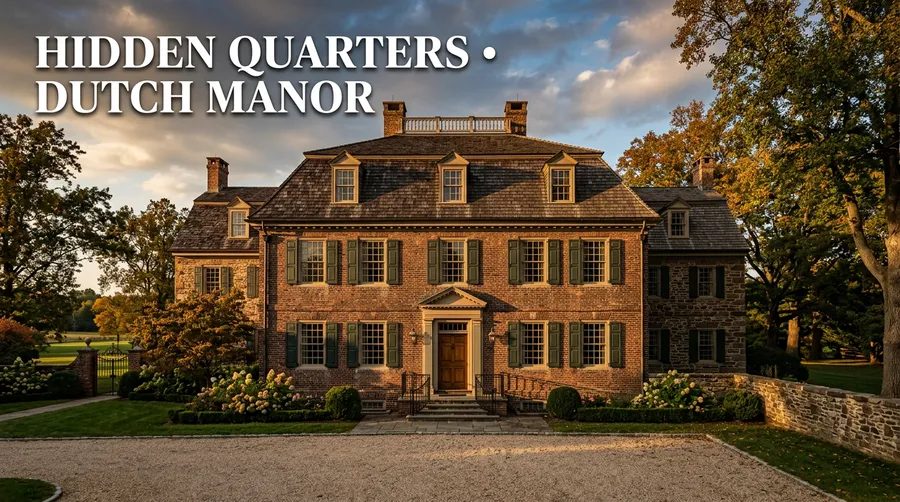
Far too many guides present grand estates like Van Cortlandt Manor as mere showcases of colonial wealth. While the Dutch-owned manor in New York certainly was that, its true historical richness lies in the complex human relationships it fostered—and exploited. This wasn't just a picturesque estate; it was a microcosm of the intense tenant-landowner tensions, the Loyal-Patriot divisions, and, crucially, the enslaved labor that underpinned its very existence. The story here isn't neat; it's a tangled web of power, dependence, and quiet rebellion.
For those planning a trip in 2025, prepare for an experience that digs deep, quite literally. An active archaeological dig will invite visitors to engage with the physical remnants of the past. The AR experience will recreate the 1777 skirmish that scarred the manor, showing not just the flames, but highlighting the perspectives of the tenants and enslaved people caught in the crossfire. Even more compelling, VR will allow exploration of hidden quarters—the cramped spaces where enslaved individuals lived, planned acts of defiance, and carved out shreds of dignity. Engaging Mohican Nation and Afro-Dutch descendant groups in these participatory digs and virtual designs ensures the stories are told from the ground up, not top-down. During periods of heavy rain, which are becoming more frequent, you might notice improved drainage systems and rain gardens, local schools often assist in their upkeep—a living testament to community involvement in heritage preservation.
Philadelphia's Forgotten Echoes: When Common Folk Challenged the Status Quo
We often think of Philadelphia's revolutionary spirit as emanating from legislative halls and eloquent declarations. But Kensington Riots Marker points to a much earlier, rawer form of resistance, one that involved common laborers, both Black and white, uniting against injustice. In 1746, decades before the Stamp Act or the Boston Tea Party, these sailors protested wage inequality, demonstrating a nascent, cross-racial solidarity that challenges our conventional understanding of colonial social dynamics. It’s a powerful, often overlooked precursor to the broader colonial resistance.
For your visit to this urban site, expect to see an AR timeline mural tracing Black labor activism from that pivotal 1746 riot through the 1780s, visually contextualizing its enduring impact. The VR re-creation of the riots themselves will be visceral, complete with multisensory soundscapes of dockside life, allowing you to feel the chaos and urgency of the moment. The Lenape Nation of Pennsylvania and the African American Museum in Philadelphia are collaborating on public art installations here, ensuring that the narratives of cross-cultural solidarity resonate through contemporary expression. Given its urban location, the site is susceptible to the "urban heat island" effect; look for green roofs on kiosks and shaded AR waypoint benches, which are practical measures to enhance visitor comfort during the warmer months of the tour. This site isn't about grand pronouncements; it's about the grit and struggle of ordinary people demanding a fairer world.
Navigating the Chesapeake's Hidden Harbors: Where Freedom Sailed and Whispers Carried
The Chesapeake Bay during the Revolution was more than a strategic waterway; it was a complex landscape of loyalties, dangers, and clandestine operations. Tangier Island Landing, located on the Maryland/Virginia border, reveals a fascinating chapter often absent from textbooks: the critical role of free Black mariners. These skilled sailors were indispensable to intelligence gathering for the Continental Navy, navigating the labyrinthine waters and often risking everything for the Patriot cause. Their story underscores how individuals on the margins actively shaped the war's outcome.
When you plan your two- to three-day immersion here, prepare for a distinct adventure. AR nautical charts will overlay secret courier routes onto the real-world landscape, allowing you to trace these hidden pathways of information. A VR captains' quarters reenactment will feature first-person narratives, bringing to life the bravery and cunning of these mariners. Partnering with the Pocomoke Indian Nation and Tangier Island Black families, the tour aims to record seamanship traditions, host boat-building workshops, and facilitate digital storytelling residencies, ensuring a vibrant, living connection to the past. This incredibly unique island faces significant challenges from land subsidence and storm surge; observe the innovative floating docks and tidal marsh restoration efforts, which are critical for its survival and the preservation of its extraordinary heritage.
Virginia's Fortifications of Freedom: A Path Forged by Unseen Hands
Fortifications like Fort Nelson in Virginia usually evoke images of soldiers and cannons. What most guides fail to mention, however, is that this Chesapeake defense site was largely manned by enslaved laborers. Crucially, their service here often earned them a path to freedom, a powerful and poignant twist on the promises of the Revolution. It's a reminder that liberty was often negotiated, earned, and fought for by those who had the least. This isn't just military history; it's a profound story of individual agency within oppressive systems.
For the 2025 experience, expect an AR journey marking "freedom points" where enslaved laborers tunneled under fort walls, a visceral connection to their desperate longing for liberty. A VR interactive excavation will reveal artifacts directly tied to Black colonial soldiers, offering tangible proof of their presence and contributions. The Pamunkey Tribe and local African American historians are key partners, recording tribal-enslaved alliances and organizing youth heritage programs, ensuring these layered stories are accurately and respectfully told. This riverine site is prone to flooding, so visitors will notice riparian buffer plantings and raised boardwalks—infrastructure designed not only for access but for the fort's long-term environmental resilience.
Deep South Defiance: Maroon Communities and the Revolutionary Spirit
Finally, moving into the Deep South, Fort Frederick in South Carolina offers yet another perspective on revolutionary struggle. This inland fort served as a hub for Patriots and, perhaps more surprisingly, for escapee fugitives—a network of maroon communities who sought freedom by leveraging the chaos of the war. These self-governing communities, often deep in swamps and forests, represented a radical form of resistance, a declaration of independence long before Jefferson penned his famous words. This isn't a story of marching armies, but of ingenious survival and unwavering defiance.
Travelers will find AR escape route overlays guiding them through the very forest paths once utilized by these freedom seekers. A VR campfire storytelling experience will immerse you in the vibrant traditions of Gullah maroon culture, a living heritage that continues to thrive. The Santee Indigenous Council and Gullah-Geechee cultural stewards are collaborating to produce a joint interpretive center and rotating exhibits, ensuring the stories are told by their rightful custodians. This region faces significant wildfire risk and heat stress, so the site incorporates fire breaks and interpretive shade pavilions, practical considerations for both preservation and visitor comfort.
These aren't just historical sites; they are living testaments to the complex, messy, and ultimately inspiring birth of a nation. This Prelude Tour, running from May to mid-June 2025, allocates two to three days for each location, allowing for genuine immersion. While specific admission costs aren't fixed yet, expect a comprehensive tour package that includes access to these groundbreaking AR/VR experiences. Parking will likely involve designated visitor lots, with details released closer to the date. What you should anticipate, regardless, is an emotional and intellectual journey that will challenge everything you thought you knew about America's founding. It's not about passive observation; it's about active engagement with the stories that truly shaped us, often from the shadows.
Timeless Journeys: Your Guide to America’s Historic Sites
Must see historical places in USA
Top must-see sites include Independence Hall in Philadelphia, the Alamo in San Antonio, and Mount Rushmore in South Dakota.
What is the most historical place in the United States?
Jamestown Settlement in Virginia is considered the nation’s earliest permanent English colony, founded in 1607.
What are the must-see places in the USA?
Must-see places blend history and culture, such as Colonial Williamsburg, Gettysburg battlefield, and the Statue of Liberty.
What are the top 10 historical places to visit in the world?
While global, Americans often include the Pyramids of Giza, the Great Wall of China, Machu Picchu, Petra, Angkor Wat, the Colosseum, Stonehenge, Taj Mahal, Alhambra, and the Acropolis.
What US city has the most interesting history?
Boston is renowned for its colonial history, Revolutionary War landmarks, and Freedom Trail.
What is the #1 tourist city in the United States?
New York City leads with iconic sites like Ellis Island, the Statue of Liberty, and historic neighborhoods.
What is the best historical place to visit?
Washington, D.C.’s National Mall offers concentration of major monuments, museums, and memorials.
What is the best state to visit for history?
Virginia features Colonial Williamsburg, Jamestown, Yorktown, and numerous Civil War battlefields.
What is the #1 tourist destination?
The Las Vegas Strip remains the top U.S. draw by annual visitor numbers, though it’s more entertainment than history.
What is the most popular landmark in the USA?
The Statue of Liberty welcomes over four million visitors annually, making it the most visited landmark.
When is the best time to visit historical sites in the USA?
Spring and fall offer mild weather and fewer crowds at major national landmarks.
How much does it cost to enter U.S. national historic parks?
Entrance fees range from free to $35 per vehicle, with annual passes available for $80.
Are guided tours available at historic battlefields?
Yes, many sites like Gettysburg and Antietam offer ranger-led tours and audio guides year-round.
What requirements are needed to visit national monuments?
Most require no advance reservation; some high-traffic monuments now use timed-entry passes available online.
We use cookies to enhance your experience. By continuing to visit this site you agree to our use of cookies.