When I first started exploring the Outer Banks, years ago, I came expecting the typical coastal charm, perhaps a few tales of pirates and shipwrecks. What I found, however, was a rich tapestry of human endeavor woven into the very fabric of its oldest lodgings. Forget the glossy brochures for a moment; the real story of these inns isn't just in their age, but in their surprising resilience, their whispers of lives lived, and the subtle ways they continue to shape the visitor experience.
What Really Constitutes "Historic" on the Coast?
It's tempting to think that any old building with a fresh coat of paint and a plaque can claim the mantle of "historic." But the Outer Banks, particularly its inns, offers a fascinating lesson in what truly endures and why. We're talking about structures that predated air conditioning, often braved countless hurricanes, and witnessed transformations from sleepy fishing villages to bustling tourist destinations. These aren't just buildings; they're witnesses to history, silent sentinels that tell a deeper story than any guidebook might initially suggest.
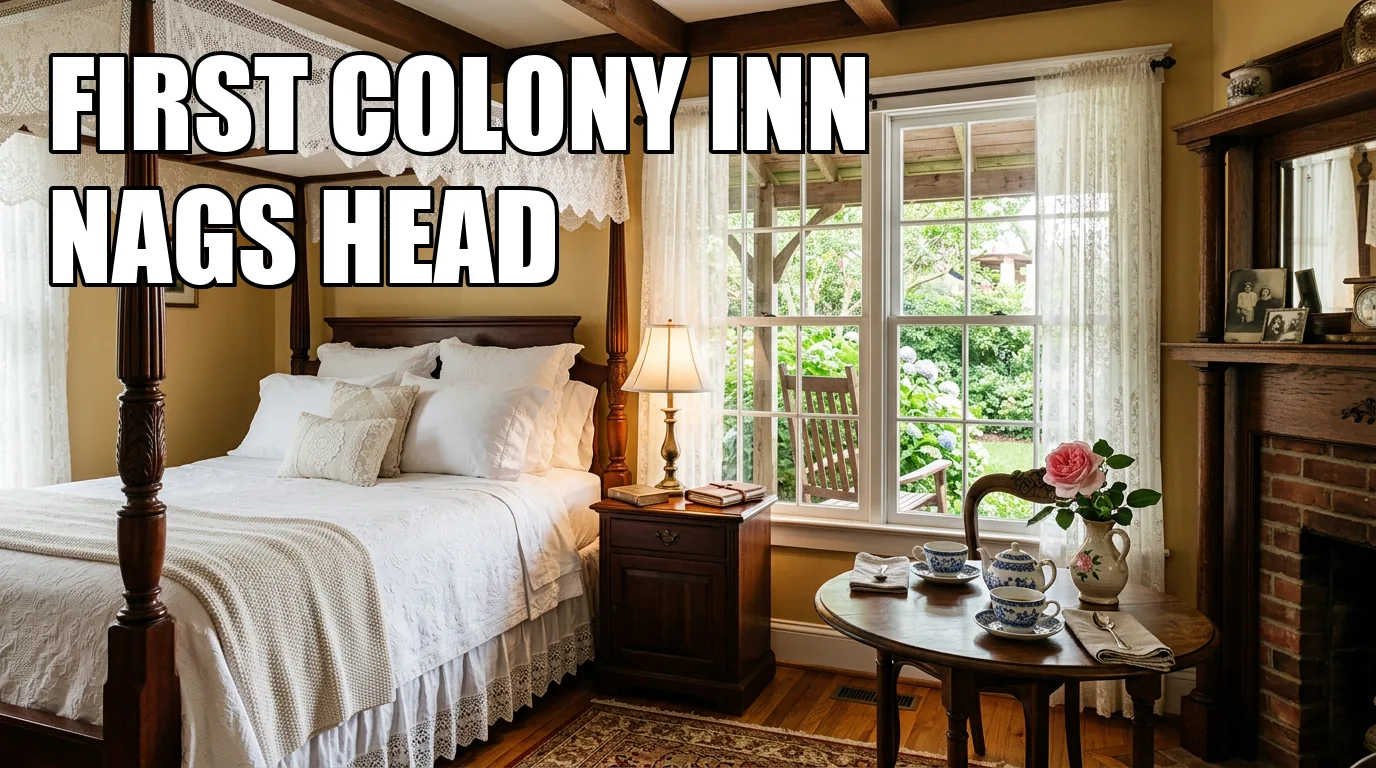
One of the oldest, and certainly among the most storied, is the First Colony Inn in Nags Head. Dating back to 1932, when it first opened its doors as LeRoy's Seaside Inn, this place has seen it all. It wasn't merely a place to sleep; it became *the* destination for the power players and "big shots" of the 1930s and 40s. Imagine the hushed conversations, the deals struck, the grand plans laid out over breakfast—all within these very walls. Renamed First Colony Inn in 1937, it holds the distinction of being the Outer Banks' oldest hotel in continuous operation, a fact that speaks volumes about its enduring appeal and adaptability. It’s also listed on the National Register of Historic Places, which, for a structure that has to contend with salty air and coastal storms, is no small feat. Expect a certain old-world grace here; rooms run about $200 a night on a weekend, a reasonable price for stepping into a tangible piece of local legacy.
Manteo's Architectural Gem: A Queen Anne Surprise
Venture over to Manteo, the charming heart of Roanoke Island, and you'll find a completely different flavor of history at the White Doe Inn. This isn't a grand resort, but a meticulously preserved Queen Anne-style mansion, completed in 1910. The very idea of such an elaborate, turreted home rising amidst the then-simple coastal architecture is surprising. It was built for Theodore S. Meekins, a prominent local, who reportedly used a photograph as his design inspiration—a detail that hints at a certain ambition and vision for the nascent community. The inn's placement on the National Register of Historic Places is largely due to its remarkable architectural integrity, making it a must-see for anyone interested in period design. When you walk through its doors, you’re not just entering a B&B; you're stepping into an era of ornate craftsmanship and quiet luxury, a striking contrast to the ruggedness often associated with the Outer Banks. Weekend rates here typically range between $222 and $294 per night, reflecting its unique style and intimate experience.
The Unsung Hero: Why a Motel Earns its Stripes
Now, this is where things get interesting, and where my own expectations were delightfully subverted. When you hear "historic inn," you rarely picture a motel, right? Yet, the Sea Foam Motel in Nags Head, built in 1948, proudly stands on the National Register of Historic Places. Why? Because it represents something deeply American: the classic post-war motel experience. This isn't about grand ballrooms or opulent fixtures; it's about the quintessential family vacation, the freedom of the open road, and the simplicity of a beachfront stay that many cherished for decades. What makes it truly special isn't just its age, but the incredible loyalty of its guests. Many families have been returning for 20, 30, even 40 years, year after year, transforming it into less of a motel and more of a multi-generational community hub. You won't find five-star amenities, but you will find a genuine, unpretentious slice of Americana. This continuity, this tangible connection to countless vacation memories, is its real historical value. Standard rooms hover around $136-$186 a night on weekends, offering an accessible entry point into this unique historical narrative.
Ocracoke's Pioneer of Hospitality: More Than Just a Lodge
Leaving the bustling northern beaches for the tranquil isolation of Ocracoke Island requires a ferry ride, but it's a journey well worth making, especially for a stay at Blackbeard's Lodge. Originally established in 1936 as the Wahab Village Hotel, this wasn't just *an* inn; it was *the* inn. Stanley Wahab built it as Ocracoke's first truly modern hotel, and its impact on the island's development cannot be overstated. Imagine this: electricity on the island, powered by a generator recovered from a sunken cruise ship, flowing through its rooms. This wasn't just comfort; it was a revolution. Beyond that, it boasted a movie theater, a roller skating rink, and a family-style restaurant, creating a vibrant social hub for both locals and early visitors. Legends like Dare Wright, author of the "Lonely Doll" series, and actress Maureen O'Sullivan have walked its halls. Staying here isn't just about a comfortable bed; it's about connecting with the very genesis of Ocracoke as a modern tourist destination, experiencing the ingenious solutions of a resourceful island community. A typical weekend night will set you back about $174, a small price for such a profound sense of place.
The Shifting Sands of History: A Moved Landmark
Finally, we arrive back in Nags Head to consider the Nags Head Beach Inn, which began its life in 1934 not as an inn, but as the Nags Head Beach Club—a pavilion-style dance hall. This building has a fascinating, almost whimsical history, having hosted a young Andy Griffith who, rumor has it, played the piano here. What's particularly striking about this structure is that the entire building was physically moved north to E. Admiral Street in the 1970s. This isn't just a quirky anecdote; it speaks to the fluid, adaptable nature of coastal structures, where buildings often get a new lease on life by literally changing address. It started as an annex to the much grander Nags Header Hotel, a three-story marvel that boasted the Outer Banks' very first hot and cold running water in its 31 guest rooms. While the Nags Head Beach Inn today offers a more contemporary experience, knowing its dance hall origins and its physical journey imbues it with a unique character. It reminds us that history isn't static; it can be picked up and moved, much like the dunes themselves. Weekend rates here are similar to the Sea Foam, around $136-$186 per night for a standard room, making it an accessible option for those seeking a touch of historical whimsy.
The Elusive Tales of Specific Rooms: Managing Expectations
Now, a word of caution for the intrepid history buff hoping to book "the very room where Blackbeard plotted his last raid" or "the exact suite where dignitaries toasted victory." While these inns are undeniably rich in general history and boast incredible pasts, the granular details—specific historical events tied to individual room numbers—are rarely, if ever, publicly available or documented for guest consumption. I’ve often found that romantic notions of "ghosts of history" in specific rooms are usually more legend than verifiable fact. For truly deep, room-level historical data, one would need to delve into archives like those at the Outer Banks History Center in Manteo, which holds guest registers from institutions like the Wilbur Wright Hotel from 1939-1944. These records exist, but extracting specific, narrative-rich events linked to individual rooms typically requires a dedicated research expedition, not a casual online search. It's a pragmatic reality of historical preservation: some details remain within the dusty archives, not on hotel booking sites.
Planning Your Historic Escape: Timing and Experience
When you decide to embark on your own historical inn adventure in the Outer Banks, timing is everything. For a more tranquil, reflective experience, consider visiting during the shoulder seasons—late April to early June or September to October. You’ll avoid the crushing crowds of July and August, find better room availability, and often secure slightly more favorable pricing. Parking can be a minor headache in Nags Head and Manteo during peak season, so arriving earlier in the day or opting for a weekday stay can make a significant difference in your overall enjoyment. Ocracoke, of course, adds the layer of ferry travel; book your ferry reservations well in advance, especially if you’re bringing a car. Expect these historic properties, even the motels, to have a different rhythm than modern chain hotels. They offer character, a sense of connection to the past, and sometimes, the charming quirks that come with age. Embrace the individual personality of each, and you’ll find an experience far richer than any standard beach vacation.
Each of these inns offers more than just a bed for the night; they provide a portal to a different era, a chance to understand the Outer Banks beyond its sandy shores. They demand you look a little closer, listen a little harder, and appreciate the enduring spirit that has kept them standing against time and tide.
Your Complete Guide to Outer Banks Historic Accommodations
What is the oldest hotel in the Outer Banks?
The First Colony Inn in Nags Head, built in the 1930s (originally opened as LeRoy's Seaside Inn in 1932), is the oldest hotel in continuous operation on the Outer Banks and is listed on the National Register of Historic Places.
What is the best bed and breakfast in the Outer Banks?
The White Doe Inn and Roanoke Island Inn in Manteo are among the most highly-rated bed and breakfasts on the Outer Banks, offering historic charm and modern amenities in charming boutique settings.
Outer Banks Historic Inn history
Historic inns on the Outer Banks date back to the 1830s when the first hotel opened in Nags Head with a capacity of 200 guests. Today, properties like the First Colony Inn and Atlantic Inn preserve the region's hospitality heritage while offering contemporary comforts.
Is any of the history in Outer Banks real?
Yes, the Netflix series Outer Banks is based on real Outer Banks locations and local history, including the real mystery of the Lost Colony of Roanoke Island and various local legends and lore passed down through generations.
Where is the world's oldest Holiday Inn?
The first Holiday Inn opened on August 1, 1952, at 4941 Summer Avenue in Memphis, Tennessee, founded by Kemmons Wilson; however, the original building was demolished in 1994.