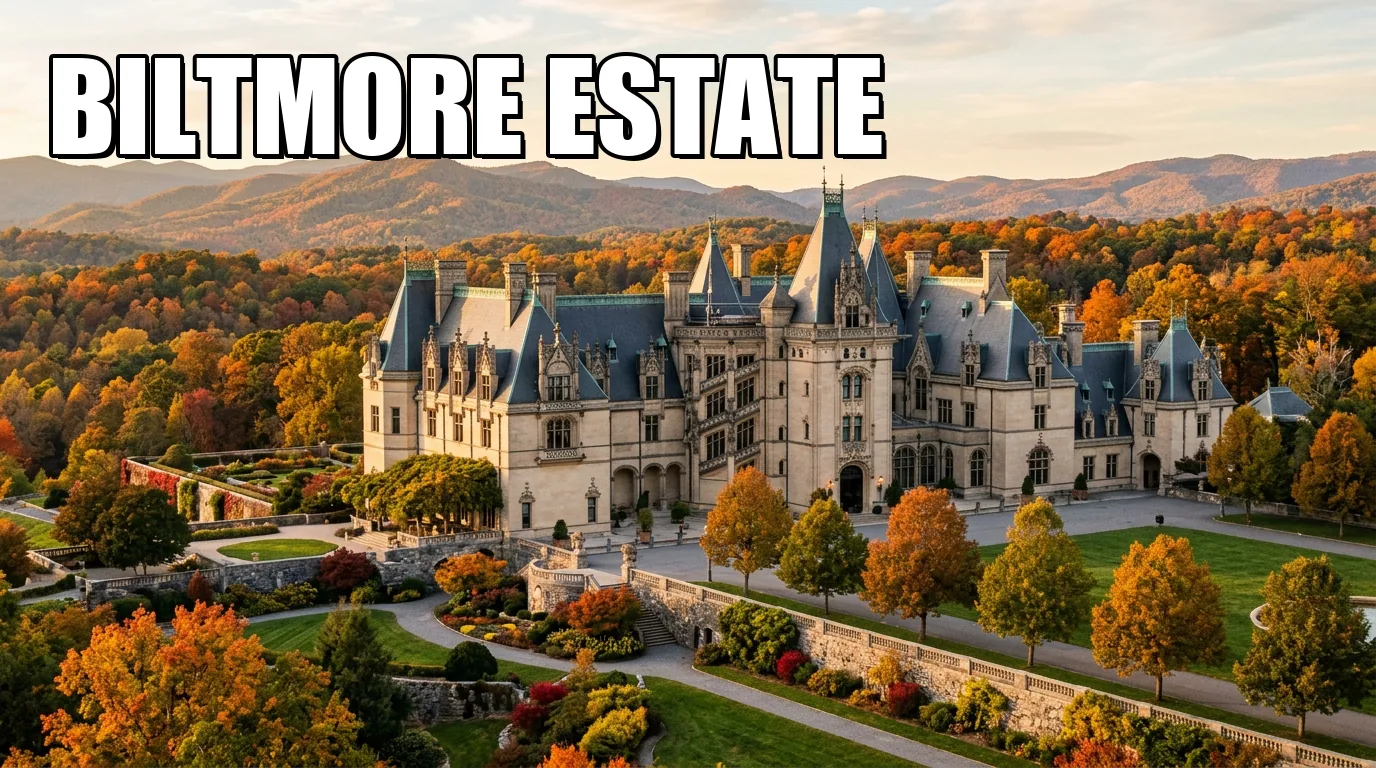
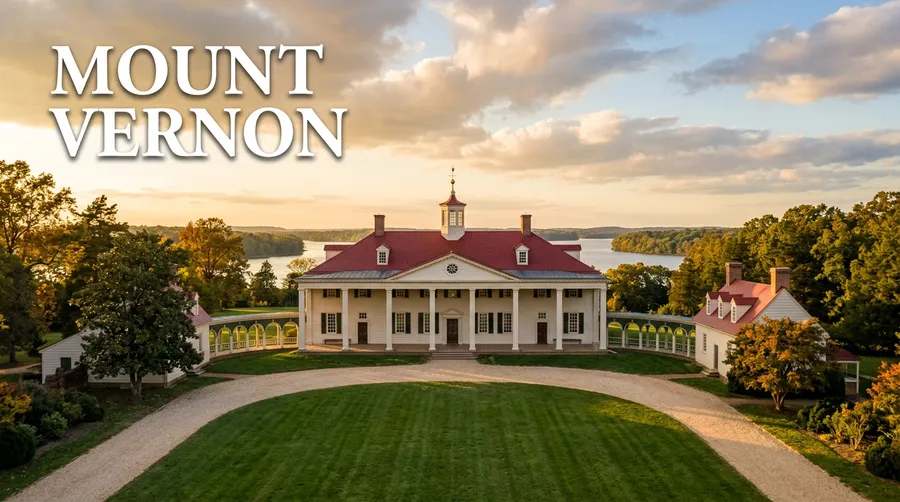
For decades, popular narratives of the American South have often been distilled into a handful of iconic, sometimes problematic, images. Grand plantation homes, Civil War battlefields, and perhaps a splash of Mardi Gras. But to truly understand this complex, vibrant region, you must peel back those familiar layers, venturing beyond the well-trodden paths that often tell only a fragment of the story. Having crisscrossed this landscape countless times, I've learned that its most profound truths lie in unexpected corners, in the echoes of resilience, creativity, and struggle that define its very soul. This isn't merely about visiting old buildings; it's about connecting with the very pulse of American identity, animated by groundbreaking approaches to storytelling.
What sets this particular journey apart is its deliberate embrace of technology, not as a gimmick, but as a vital tool for deepening empathy and understanding. We’re moving past static plaques and into immersive experiences that place you directly within the narrative, often guided by the descendants of those who lived it. It's an itinerary crafted to challenge perceptions, ignite curiosity, and leave you with a more nuanced appreciation for a region too often simplified. So, let’s dig in, bypassing the usual suspects to uncover the South’s authentic, multifaceted heritage.
Stepping Into the Gullah Geechee Corridor's Living Echoes
Where else in the United States can you encounter a culture so distinct, so deeply rooted in West African traditions, that it almost feels like stepping into another country? The Gullah Geechee Cultural Heritage Corridor, stretching along the coastal plain and Sea Islands of South Carolina and Georgia, is one such place. This isn't just history you read; it's history you hear, taste, and feel, preserved by descendants of enslaved Africans who forged a unique identity in relative isolation. Many guidebooks gloss over this critical segment of American history, preferring the more marketable antebellum estates, but to miss the Gullah Geechee story is to miss a foundational piece of the Southern mosaic.
My first recommendation, and arguably the most vital entry point, is the Penn Center on St. Helena Island, South Carolina. Established in 1862 as one of the first schools for freed formerly enslaved people, its very existence was a revolutionary act. Today, it stands as a testament to self-determination. Visitors won't find dusty displays here; instead, they'll be invited into immersive Oral-History Pods, soundproof listening suites where 360° audio playback surrounds you with the first-person testimonies of Gullah Geechee elders. It's a powerful experience, allowing their voices, their inflection, and their very cadence to wash over you, providing an intimacy that no printed word ever could. I found myself utterly captivated, sensing a direct lineage to the past.
Beyond the pods, the Penn Center utilizes Augmented Reality Trails. With a simple mobile app, walking the campus’s majestic live oak-lined paths transforms into a dynamic interaction. Historic photographs overlay the present landscape, and archival recordings whisper tales of struggle and triumph right into your ear. It’s a remarkable way to visualize the past without disturbing the serene beauty of the present. Furthermore, the center’s Community-Curated Exhibits, developed directly with local elders, dive deep into crafts like intricate sweetgrass basketry and the nuanced techniques of rice cultivation—practices that are not just historical artifacts but living traditions passed down through generations. These aren't static museum pieces; they're stories told by the hands that still practice these arts.
A more challenging, yet profoundly rewarding, experience awaits on Sapelo Island, Georgia. Accessible only by ferry, this secluded gem requires a bit of planning but offers unparalleled insights. Here, the Interactive GIS Map Lab lets you trace plantation boundaries, land grants, and even family cemeteries on a touchscreen table, layered with present-day aerial imagery. It's a stark, visual representation of how land and legacy are intertwined. But the true revelation comes with their Virtual-Reality Storytelling. Donning VR headsets, you’re transported directly into the 19th-century working rice plantations, a visceral experience narrated by descendants who vividly recount daily life and, critically, the ingenious resistance strategies employed by their ancestors. This isn't just historical reenactment; it's a bridge built from memory to immersive reality, fostering a profound connection to their struggles and triumphs. Don't expect lavish tourist amenities here; Sapelo is about raw, unfiltered history. Plan for a full day, pack snacks, and book your ferry in advance, especially during peak season (spring/fall).
The Civil Rights Movement: Unpacking Alabama's Grassroots Revolution
The Civil Rights Movement, often framed through the lens of national legislation and iconic leaders, was fundamentally a grassroots struggle, fought in the streets and hearts of ordinary citizens. Alabama, with its indelible scars and triumphs, stands as the undeniable epicenter of this seismic shift. My travels through this state have shown me that while the monumental legislation of the Civil Rights Act of 1964 and the Voting Rights Act of 1965 were federal achievements, they were forged in the crucible of local courage and unimaginable sacrifice. This isn’t a story of distant policies, but of very real human struggles, brought to life through innovative historical interpretation.
In Birmingham, the Birmingham Civil Rights Institute offers more than just a chronological retelling; it plunges visitors into the very heart of the conflict. The Dynamic Projection Gallery, a 180° room, envelops you in archival footage of events like the Children's Crusade, where thousands of young people marched for freedom in 1963, and the brutal responses from figures like Public Safety Commissioner "Bull" Connor, whose orders for police to use fire hoses and police dogs against child protestors shocked the nation. What's truly compelling are the real-time data overlays on protester demographics and arrest numbers, offering a chilling statistical counterpoint to the raw imagery. It's easy to dismiss data, but when juxtaposed with a child being hosed down, it takes on a devastating weight.
Prepare to engage directly with history at the Interactive Witness Stations, touch-screen kiosks where users can "interrogate" virtual reenactments of key figures, such as the fearless Rev. Fred Shuttlesworth, a pivotal leader in Birmingham. These stations trigger firsthand reflections sourced from recorded interviews, allowing you to ask questions and receive answers that feel remarkably personal. It's a clever way to move beyond passive observation. Before you leave, contribute to the Crowdsourced Memory Wall, where visitors share digital postcards with their reflections, aggregated into an ever-evolving mosaic. Is it purely impactful? Perhaps not for everyone, but it’s an attempt to democratize the narrative, allowing contemporary voices to join the historical chorus.
Venturing further, the Freedom Rides Museum in Anniston and the Selma Interpretive Center offer crucial pieces of the puzzle. At the Anniston train platform, the Freedom Rides AR Experience resurrects the harrowing burning bus incident of May 1961, when a Greyhound bus carrying Freedom Riders — activists challenging segregation on interstate travel — was attacked and set ablaze by a white mob. The app integrates 3D avatars of riders recounting their perspectives, painting a vivid picture of the terror and courage that defined that day. This isn't a comfortable experience, nor should it be; it puts you in the shoes of those who risked everything. Parking in Anniston is usually straightforward, but expect the small museum to be busy on weekends, so aim for a weekday visit for a more contemplative experience.
Then, on to Selma, where the Edmund Pettus Bridge stands as a solemn monument to "Bloody Sunday" in March 1965, when state troopers brutally attacked peaceful marchers attempting to cross the bridge on their way to Montgomery to demand voting rights. At the bridge's pavilion, the Selma Voting Rights VR Walk allows users to join a virtual march, guided by a fusion of historical narration and powerful survivor testimonials. The weight of history here is palpable, and the VR experience amplifies it rather than diminishes it. Critically, the AI-Enhanced Document Archive lets visitors search digitized primary sources like voting records and court transcripts through a natural-language interface, highlighting lesser-known activists whose contributions were just as vital. This moves beyond the well-known figures, unearthing the collective effort often obscured in standard accounts.
The Roots of American Music: A Journey Through Southern Soundscapes
The South isn't just a place of historical struggles; it's the fertile ground from which much of America’s most iconic music sprang. From the mournful cry of the Delta blues to the brassy exuberance of New Orleans jazz and the storytelling heart of Nashville country, this region is a testament to cultural cross-pollination and raw, untamed creativity. Forget the sterile museum experience; these are sites where the very air seems to hum with the ghosts of melodies past, interpreted now with a vibrancy that’s genuinely surprising.
Our sonic journey begins deep in Mississippi, at the Delta Blues Museum in Clarksdale. This isn't some polished, commercialized tribute; it's a gritty, authentic homage to the birthplace of blues. Here, Haptic Instrument Stations invite guests to handle replica guitars with built-in haptic feedback, allowing you to *feel* finger-style blues techniques while video projections provide crucial historical context. It's an ingenious way to connect the physical act of playing with the cultural significance of the music. Why does this matter? Because blues isn't just sound; it's a deeply embodied expression of struggle and resilience. The museum also features a 3D-Scanned Juke Joint, a life-size installation reconstructing a sharecropper’s juke joint, complete with spatial audio that shifts between solo slide guitar and powerful call-and-response vocals. It's an immediate, immersive dive into the social spaces where this music thrived, a glimpse into a world many contemporary guides overlook, favoring more polished narratives. Parking is free, but the museum itself is fairly compact; allow 2-3 hours for a thorough visit.
Heading southeast, the sultry, vibrant city of New Orleans beckons. The New Orleans Jazz Museum, housed in the historic Old U.S. Mint, captures the very essence of a musical genre born from a unique blend of African, Caribbean, and European influences. Here, Mixed-Reality Performances truly shine, overlaying holographic renditions of legendary bands like Louis Armstrong’s and Jelly Roll Morton’s onto the festival plaza stage. It’s a remarkable illusion that breathes life back into the pioneers of jazz. Even more fascinating is the AI-Powered Improvisation Lab, where visitors can jam with a responsive AI ensemble trained on early jazz recordings. This might sound like a gimmick, but it’s surprisingly effective for learning syncopation—the rhythmic displacement of accents—and improvisational phrasing, the very heart of jazz. It’s an interactive lesson in musical innovation that transcends mere observation, pushing you to participate. Beyond the tech, the Oral-History VR Lounge offers intimate portraits of often-overlooked figures—women and Creole musicians—sharing untold stories via life-size VR avatars recounting studio sessions and club gigs. It’s a crucial broadening of the jazz narrative, acknowledging the diverse voices that shaped it.
Our final musical stop is Nashville, Tennessee, the undisputed heart of country music. The Country Music Hall of Fame & Museum isn't just a shrine to rhinestone-clad legends; it’s a meticulously curated journey through a genre that tells the story of rural America. Their Storytelling Soundscapes are particularly effective, spatial audio capsules that recreate the scene of the Grand Ole Opry’s early broadcasts. You’re enveloped by the interweaving voices of performers like the foundational Carter Family and the incomparable Hank Williams, giving you a sense of what it felt like to be present at the birth of a radio phenomenon. This attention to sonic detail is what truly brings the history to life, far more than any static exhibit. Expect significant crowds, especially on weekends and during CMA Fest; an early morning weekday visit will save you a lot of hassle, and consider buying tickets online in advance to skip the main queue.
Furthermore, the Multitrack Studio Exhibit provides an unexpected, yet deeply rewarding, insight into the craft. An interactive mixing console allows visitors to isolate instrument tracks from historic country recordings. This hands-on experience demystifies the production techniques, letting you appreciate the individual contributions of each musician and the complexities of recording. It’s a revelation for anyone who’s ever wondered how those classic sounds were made. Finally, the Digital Folk Network is a living archive, connecting present-day Americana artists with Appalachian folk traditions through livestreamed workshops and networked performance spaces. It’s a powerful statement that this music isn’t just history; it’s a continually evolving, living tradition.
This journey through the Southern Mosaic fundamentally reshapes how one might experience history. By sidestepping the predictable and embracing technology-driven, community-authored experiences, this itinerary fosters a deeper, more nuanced understanding of cultural continuity, resistance, and creativity across the American South. It’s a reminder that history isn’t just about dates and names; it’s about the ongoing conversation between past and present, a dialogue best engaged with an open mind and a readiness to be surprised.