
Stepping through the grand doors of an American historic mansion, one might initially feel a sense of awe, a quiet reverence for the opulent past. We see the polished mahogany, the glittering chandeliers, the meticulously preserved portraits. Yet, after years of exploring these monumental relics across the United States, I've learned that the true magic, the most profound insights, often lie not in what’s immediately visible, but in the layers beneath the surface, in the stories rarely told by conventional guides. To truly understand these structures, we must peel back the polished veneer and question the narratives presented to us.
My journey through these grand estates began with a fascination for their sheer scale, but it quickly evolved into a quest for context. What fueled these fortunes? Who built these walls? What stood on this very ground before a single stone was laid? The answers are rarely simple, often complex, and frequently surprising, challenging our preconceived notions of wealth, power, and heritage.
Beyond the Gilded Gates: Unearthing the True American Story
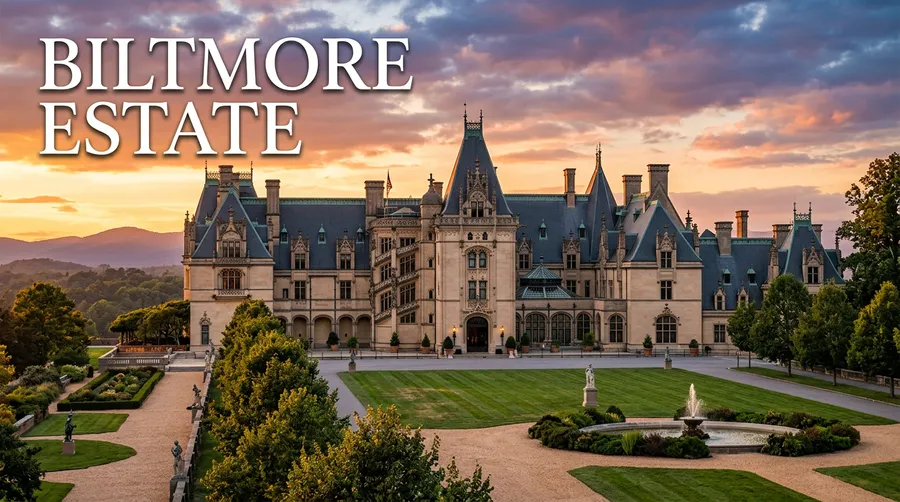
How many times have you walked through a famous Gilded Age mansion, marveling at its extravagance, without truly considering the source of that immense wealth? Iconic sites like those in Newport, Rhode Island, or the Biltmore Estate in North Carolina, undeniably offer breathtaking architectural beauty and a glimpse into a bygone era of unparalleled luxury. They are, without question, masterpieces of design and symbols of a particular kind of American ambition. But sometimes, their very grandeur can overshadow the gritty, often brutal, realities of the industrial revolution that funded them. We tend to focus on the aesthetics, missing the economic engine roaring just beyond the manicured lawns.
Consider the industrial titans whose names are synonymous with these estates: Vanderbilt, Carnegie, Rockefeller. Their fortunes were forged in steel mills, railroad monopolies, and oil fields—industries that reshaped the American landscape and workforce, often with significant social costs. When you visit a mansion, try to connect the dots: look for subtle hints of their business acumen, the specific industries mentioned in their biographies, or even the labor conditions of the era that made such wealth possible. A simple drawing room, for instance, might be adorned with imported silks whose journey was made possible by the very railroads the owner controlled. This deeper understanding transforms a mere architectural tour into a critical examination of America's economic past, making the visit far more resonant than simply admiring ornate furniture. It’s a subtle shift in perspective, but one that enriches the experience immeasurably.
The Ground Beneath Their Foundations: Echoes of an Earlier America
Another crucial, yet frequently overlooked, dimension of historic mansions involves the land itself. Before any grand house could rise, there was earth, often with its own long and storied history, predating colonial settlement by millennia. Many magnificent estates, particularly those built in the 18th and 19th centuries, occupy land that was once part of ancient indigenous pathways, hunting grounds, or sacred sites. This isn't always something that appears in the standard brochure, but understanding this context fundamentally alters your perception of the property.
Imagine visiting a sprawling estate in upstate New York or along the rivers of Virginia. While you admire the formal gardens, consider that these carefully cultivated landscapes might overlay an ancient Lenape trail, a Cherokee village site, or the traditional agricultural lands of the Powhatan. Often, the very natural features that attracted the mansion's original owner—fertile soil, strategic elevation, access to water—were precisely the same features valued by indigenous communities for generations. Researching the local tribal history before your visit can unveil this hidden layer. Sometimes, local historical societies, distinct from the mansion's official conservancy, will offer glimpses into this deeper past. This insight forces a reevaluation of the concept of "ownership" and prompts a more inclusive historical narrative, making the mansion a marker not just of European settlement, but of a much longer, often disrupted, human presence.
More Than Marble and Mahogany: Lives Beyond the Owners' Annals
The lives of the wealthy elite, while compelling, represent only a fraction of the human stories contained within these walls. The grand narratives often focus on the industrialists, the politicians, the socialites who hosted lavish parties. Yet, what about the scores of people who made their lives possible—the cooks, the maids, the gardeners, the stable hands? These individuals, often invisible in official histories, were the silent engines of these elaborate households, their daily routines and personal struggles shaping the mansion's true rhythm. Their stories, pieced together from census records, personal letters, and local newspaper archives, often reveal a side of history far more relatable and poignant than the lives of their employers.
When you take a guided tour, actively seek out evidence of these unsung contributors. Ask about the servants' quarters, often tucked away in dimly lit basements or attics. Look for details in the kitchen: the massive hearths, the primitive appliances, the sheer scale of the operation required to feed a large family and their guests. Some progressive museums are now integrating these narratives into their tours, offering insights into the harsh working conditions, the hierarchy of the household staff, and even their aspirations. For instance, at many Southern plantations, the focus has rightly shifted to the enslaved individuals whose forced labor built and maintained these estates, acknowledging their immense contributions and profound suffering. This expanded perspective transforms the mansion from a static monument to wealth into a vibrant, if sometimes unsettling, tableau of human endeavor and societal structure.
Navigating the Past, Present, and Crowds: A Practical Approach
To truly savor these historical gems without feeling rushed or overwhelmed, a strategic approach is key. My top advice? Avoid peak season. The summer months and major holidays bring throngs of visitors, long lines, and often a diminished experience. Instead, plan your visits for the shoulder seasons: late spring (April-May) or early fall (September-October). The weather is typically pleasant, the gardens are often at their most beautiful, and the crowds are significantly thinner. Weekday mornings, especially right at opening, consistently offer the most tranquil experience. You’ll have more space to linger, to absorb the details, and perhaps even to engage the docents in deeper conversations, which can yield unexpected insights.
Consider the costs, too. Admission fees for major mansions can be substantial, often ranging from $25 to $50 per person, and guided tours, while often enriching, might add an additional fee. Parking can also be a hidden expense, sometimes costing $10-$20 at popular sites. Check websites beforehand for specific operating hours, tour availability, and any special event closures. Some estates offer discounted tickets for booking online in advance, which is always a smart move. Furthermore, if you're traveling with children, confirm age appropriateness; some tours are quite long and detailed, not well-suited for younger attention spans. Many smaller, lesser-known historic homes, often run by local historical societies, offer equally rich experiences at a fraction of the cost, sometimes even free, and without the crowds. These are the "hidden gems" that often reveal the most about local history and community, fulfilling the promise of finding remarkable history right in your own vicinity if you know where to search.
The Enduring Legacy: Why These Walls Still Speak
Ultimately, visiting America’s historic mansions is about more than appreciating architecture or glimpsing the lives of the rich and famous. It's an opportunity for profound historical engagement, a chance to grapple with the complex tapestry of our nation's past. These structures are tangible links to industrial innovation, social change, and even the often-uncomfortable truths of land acquisition and labor. They are grand, yes, but they are also deeply human, filled with the echoes of triumph, struggle, ambition, and quiet resilience. They reflect not just the aspirations of their builders, but the broader societal currents of their time.
My hope is that you approach your next mansion visit not just as a tourist, but as an explorer, a detective seeking the untold stories within the gilded frames. Look beyond the obvious; question the easy answers. Seek out the evidence of the unseen hands that built and maintained these palaces, and consider the long history of the land beneath them. By doing so, you'll discover that these walls don't just stand as monuments to a bygone era; they speak volumes about who we were, who we are, and the intricate, multifaceted story of America.