Photo by Sarah Chen for Cornerstone Mansion · February 10, 2026
Find Nearby Hotels
Book Flights
For years, touring historic sites across the United States felt like a well-worn ritual: queue up, listen to a guide recite facts, perhaps peer through a velvet rope at period furniture, and then exit through the gift shop. While I’ve always cherished these glimpses into the past, I often found myself craving something more, a deeper current that flowed beneath the polished surfaces. We’re in 2025 now, and the landscape of historical exploration is finally catching up, transforming from passive observation into a vibrant, multi-sensory journey, driven by a new generation of travelers who demand authenticity and interaction.
Are these new approaches truly revolutionary, or just clever repackaging? My recent travels suggest something profound is underway, especially as sites clamor to engage younger audiences. They’re no longer content to simply present history; they’re striving to *relive* it, to *reframe* it, and perhaps most surprisingly, to *taste* it. This shift isn't just about updating a brochure; it’s about fundamentally rethinking how we encounter the stories etched into our nation’s foundations, from bustling colonial ports to the quiet dignity of civil rights landmarks, and even, implicitly, the grand estates that dot our landscape.
Stepping into the Past: How Augmented Reality Revitalizes Ancient Footpaths
Imagine walking down a cobbled street in Boston, suddenly surrounded by eighteenth-century figures bustling about, cannons firing in the distance, and the rustle of period attire. This isn't a reenactment with actors, nor is it some elaborate theme park. It’s the magic of augmented reality (AR) breathing life into history, and it’s no longer a futuristic pipe dream. On Boston’s Freedom Trail, for instance, a mobile AR app now allows visitors to superimpose 1700s colonial figures, interactive cannon drills, and period attire directly onto historic landmarks, creating an immersive experience that traditional guides simply can't replicate.
This technology represents a fascinating pivot from static displays. Instead of just hearing about the Boston Massacre, you might see a spectral crowd gather at the Old State House, complete with musket fire echoing through your headphones. Does it cheapen the experience? Some purists might argue it does, turning history into a video game. But I’ve watched teenagers, previously glued to their phones, suddenly engage with a palpable sense of wonder as a long-dead revolutionary orator materializes before them. It transforms passive learning into an active participation, making the past feel tangible, immediate, and utterly captivating. For historic mansions, often static and silent, imagine AR overlays showing domestic life, servants at work, or even lavish balls in full swing within the grand halls—a visceral connection beyond simply imagining.
Who Gets to Speak? Unearthing the Decolonized Narratives
For too long, American history tours, particularly at colonial sites or grand estates, often presented a singular, celebratory narrative—the triumphs of founders, the elegance of the elite. Yet, history is a tapestry woven from countless threads, many of them forgotten or deliberately excluded. One of the most compelling shifts I’ve observed is the deliberate effort to decolonize these narratives, bringing forward voices and experiences that were systematically silenced. This isn't about erasing history; it's about making it whole.
Consider the Revolutionary Spaces Slavery and Resistance in Colonial Massachusetts tour. It reframes Puritan-era sites, not just through the lens of colonial governors or revolutionary heroes, but through the lived experiences of enslaved peoples. Visitors learn about figures like Scipio Gunney, a formerly enslaved man who fought for his freedom, or Phillis Wheatley, the groundbreaking poet. They explore the resistance efforts of individuals like Belinda Sutton, who successfully petitioned for a pension from her former enslaver. This approach courageously contrasts with traditional celebratory accounts, resonating deeply with a generation demanding inclusive, honest history. Likewise, along the Deep South’s Civil Rights Trail, organizations like Freedom Lifted facilitate immersive learning, framing visits as participatory campaigns. Guests might lock arms on a staged Edmund Pettus Bridge march and engage in reflective dialogues, directly linking past struggles to present-day racial justice efforts. This isn't just visiting a museum; it’s an invitation to confront, empathize, and reflect. It pushes back against the sanitized versions of history, demanding that we acknowledge the full spectrum of human experience, especially the uncomfortable truths that often built the very mansions we now tour.
Beyond the Gift Shop: A Culinary Journey Through Time
What's often overlooked in our historical explorations is the fundamental human experience of food. Yet, the flavors, ingredients, and dining customs of an era can tell us as much about daily life, economy, and culture as any artifact. A fascinating development in modern historic tours is the integration of hyper-local culinary experiences, transforming a simple visit into a flavorful, sensory immersion.
In Boston, the Flavor Walk Food Tours curate six distinct tastings, directly tying each dish to its historic context. Imagine savoring clam chowder at America's oldest tavern, or biting into mini lobster rolls while hearing tales of the city's maritime past. You might try colonial popovers or even get a hands-on experience stuffing cannoli, reflecting the rich immigrant history of the North End. This isn't just a meal; it's a living history lesson that engages the palate. Similarly, along the Civil Rights Trail, curated stops at Black-owned eateries like Mahogany Memphis in Tennessee, celebrated for its Creole-influenced lamb chops and Cajun fried chicken, or Dooky Chase in New Orleans, a legendary purveyor of Creole soul food, weave cultural heritage directly into the touring experience. These culinary stops don’t just fill your stomach; they nourish an understanding of community, resilience, and tradition, making history unforgettable. For historic mansions, imagine bespoke dining experiences that recreate period meals, complete with historical explanations of ingredients and customs—a far cry from the usual grab-and-go cafeteria.
Echoes of Gold and Unseen Labor: Practicalities for the Modern Explorer
While New England and the South have embraced these innovations with vigor, the Pacific Northwest’s Gold Rush heritage offers a slightly different, though equally compelling, picture. Here, the emphasis often lies on the raw, unvarnished history of boom-and-bust, human grit, and the profound impact on indigenous lands. In Seattle, the Klondike Gold Rush National Historical Park is piloting AR apps that overlay historic port scenes and prospector animations onto Pioneer Square, appealing to its tech-savvy population. However, widespread AR deployment is still finding its footing here, a reminder that innovation often unfolds regionally.
More critically, in places like California’s Gold Country, Coloma Gold Discovery Tours are foregrounding indigenous Nisenan, Miwok, and Maidu perspectives. This integration of native ecological knowledge and pre-Gold Rush lifeways alongside traditional mining history offers a far more holistic—and often heartbreaking—narrative than the simple "discovery" story. It challenges the conventional wisdom that often paints the Gold Rush as an unmitigated boon. These tours are crucial for understanding the true costs of expansion. For a visitor planning a trip, anticipate that smaller, more specialized tours like these might require advance booking, especially if they involve specific indigenous guides. Furthermore, remember that these areas, while historically significant, are often rural; expect longer travel times between sites and plan your culinary stops strategically, perhaps with Gold Country Food Tours in Grass Valley or Nevada City, which offer curated samplings of Sierra foothills fare like artisan cheeses, craft brews, and farm-to-table pastries alongside Gold Rush lore.
The Grand Estate, Reimagined: What These Trends Mean for Historic Mansions
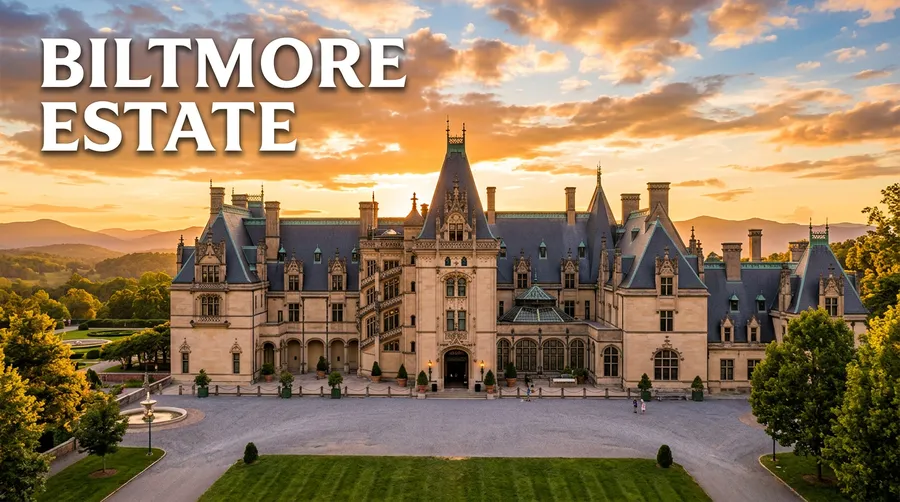
So, what do these dynamic shifts mean for the stately, often quiet, world of historic mansions? While the source data above doesn't explicitly focus on them, the implications are clear: the traditional mansion tour—a walk through opulent rooms with a few anecdotes—feels increasingly anachronistic. These grand estates, often symbols of wealth and power, possess some of the richest, most complex narratives, yet they frequently remain untapped.
Consider the opportunities: an AR app could animate the daily lives of servants in the kitchen or the clandestine meetings in a library. Decolonized narratives could trace the origins of the mansion’s wealth, examining its connections to slavery, exploitative labor, or indigenous land appropriation, offering a far more profound—and responsible—understanding of its place in history. Imagine a tour that explores not just the gilded drawing rooms but also the hidden passages and the lives of those who maintained it, complete with their own challenges and triumphs. This isn’t about tearing down the past, but about building a more complete picture. For any traveler planning to visit these magnificent structures in 2025, I strongly advise seeking out tours that demonstrate this kind of nuance. Look for special programs that delve into social history, not just architectural splendor. Expect that during peak season (mid-spring to early fall, and especially holiday weekends), popular mansion tours can be crowded; arriving within the first hour of opening or visiting on a weekday morning often yields a more intimate experience. While many mansions have an admission fee, parking costs can vary wildly, from free lots to expensive garage fees, so always check the website beforehand.
Ultimately, the future of historic exploration in the U.S. isn't about abandoning the past, but about embracing its multifaceted nature. By fusing cutting-edge technology, challenging traditional narratives, and engaging all our senses, these new tour models are not just attracting new audiences; they're reminding us that history isn't static. It's a living, breathing story, waiting for us to lean in and truly listen, transforming a simple visit into an unforgettable journey of discovery and reflection.
Exploring America’s Historic Trails: Your Essential FAQ
What makes a good history tour?
A good history tour combines knowledgeable guides, engaging storytelling, and well-preserved sites to bring the past alive for visitors.
What makes a good history?
Good history is accurate, well-researched, and presented with context that connects past events to present-day significance.
Why are historical tours important?
Historical tours foster cultural understanding, preserve heritage, and inspire appreciation for how past events shape today’s world.
How to give a great tour?
A great tour requires clear organization, interactive narratives, audience engagement, and accurate answers to visitor questions.
What makes a good history documentary?
A good history documentary blends primary-source footage, expert interviews, and cohesive storytelling to illuminate past events.
What are the three main steps of developing an interesting documentary?
The three main steps are thorough research and planning, compelling scripting and storyboarding, and dynamic editing with archival materials.
What makes a good historical film?
A good historical film balances period-accurate details, strong performances, and a narrative that resonates with contemporary audiences.
What is the most profitable film in history?
As of 2025, James Cameron’s "Avatar" (2009) remains the highest-grossing film worldwide, with over $2.92 billion in box office receipts.
What are the four types of film history?
Film history is typically categorized into period history, national history, genre history, and thematic history.
What makes a good historical drama?
A good historical drama combines factual accuracy, strong character development, and evocative production design to immerse viewers in the era.
What is the average cost of a guided historic tour in the USA?
In 2025, guided historic tours in major U.S. cities range from $25 to $75 per person, depending on duration and amenities.
When is the best time of year for historic tours near me?
Spring and fall offer mild weather and smaller crowds, making April–June and September–October ideal for most U.S. historic tours.
Are guided historic tours wheelchair accessible?
Many U.S. tour operators offer wheelchair-accessible routes and accommodations—check the provider’s accessibility information before booking.
What are the top historic sites to see in the United States?
Must-see U.S. historic sites include Independence Hall, Gettysburg Battlefield, Alamo, Colonial Williamsburg, and Mount Rushmore.
What tips can enhance my historic tour experience?
Arrive early, wear comfortable shoes, bring water, and ask questions to fully engage with the tour’s narrative.
We use cookies to enhance your experience. By continuing to visit this site you agree to our use of cookies.