
Unlocking Founders' Homes: A Traveler's Deep Dive
My first brush with America's foundational history came not from a textbook, but from the weathered bricks of an 18th-century manor, a place where the very air seemed to hum with echoes of nation-building debates. Over the years, I've crisscrossed the country, seeking out the residences of our Founding Fathers, not merely as checkmarks on a list, but as windows into the complex, often contradictory, lives of these pivotal figures. What I've discovered often challenges the sanitized versions of history, revealing men who were as much products of their time as they were visionaries shaping the future. And for the modern traveler, understanding these nuances means approaching these sites with curiosity, patience, and a bit of inside knowledge.
### Mount Vernon: George Washington's Enduring Statement
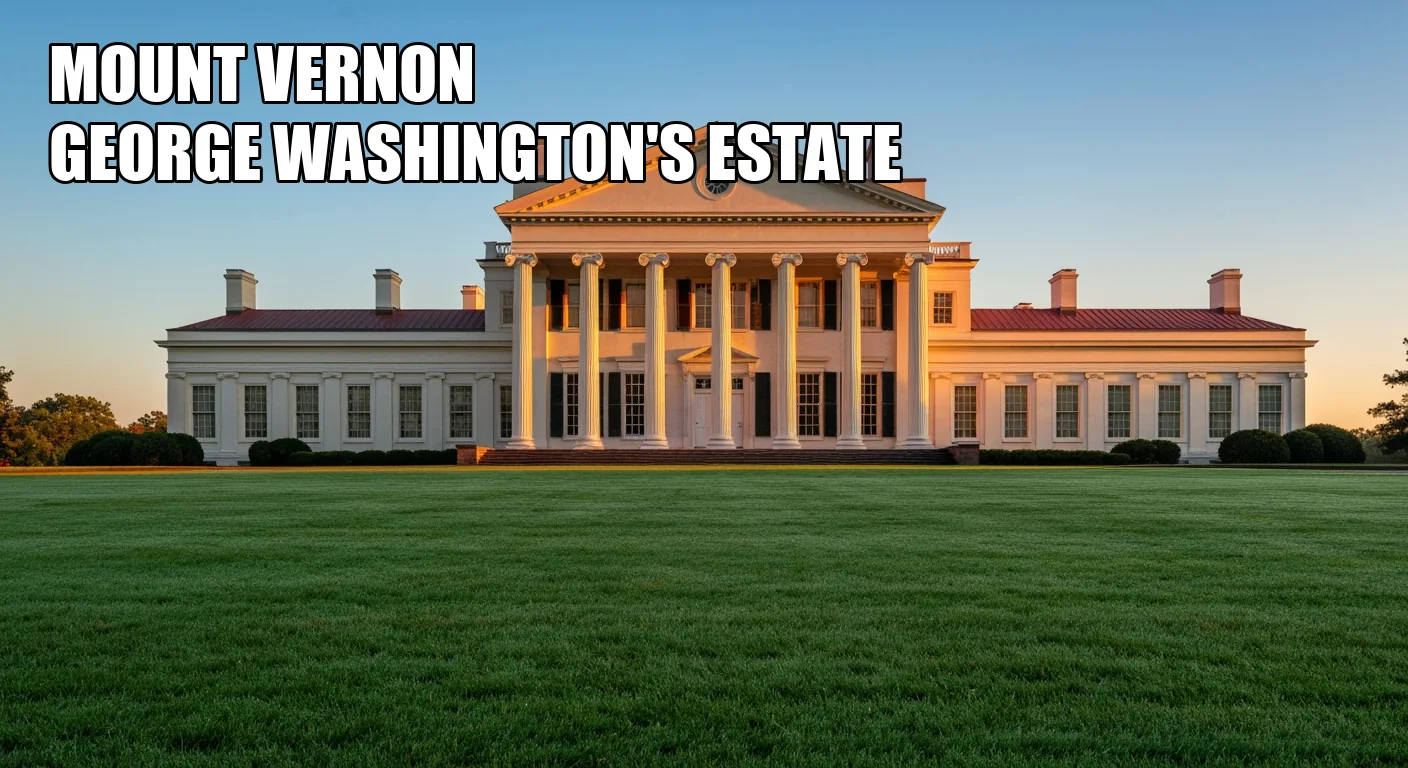
Stepping onto the expansive grounds of Mount Vernon, George Washington’s beloved estate overlooking the Potomac, one immediately senses the ambition that defined the man. This wasn't merely a farm; it was a grand project, a carefully cultivated image of the prosperous, virtuous leader he aspired to be. What often gets overlooked in the standard tour is the sheer intentionality behind the mansion's expansion, particularly the "New Room." Begun in 1776, even as Washington was commanding the Revolutionary War, this two-story-high grand hall wasn't just an architectural flourish; it was a physical manifestation of the ideals he held for the nascent nation, designed to be "executed in a masterly manner." It speaks volumes that his private papers contain plans for this architectural showpiece even amidst the chaos of war.
Visiting Mount Vernon truly demands forethought, especially if you hope to fully grasp its scale and significance. While the sprawling grounds are always open for exploration, gaining entry to the mansion itself requires a timed ticket, and those often vanish faster than a summer thunderstorm, particularly on weekends or during peak seasons. My advice? Book your mansion tour online at least three days in advance; the small discount is a bonus, but securing your slot is paramount. Expect a tour that, while informative, can feel a bit rushed, often clocking in at a brisk 15-35 minutes. It’s a glimpse, not an immersion, so pace yourself afterwards to wander the outbuildings, the gardens, and the poignant slave memorial to fully absorb the stark contrasts of Washington's world. Don't miss the original copy of the Dunlap Broadside of the Declaration of Independence, brought home by Washington in 1783—it's a tangible link to the very birth of the republic.
### Monticello: Jefferson's Enduring Architectural Puzzle
Travelers often arrive at Monticello, Thomas Jefferson's mountaintop home, expecting a traditional plantation house, only to discover a brilliant, idiosyncratic mind laid bare in brick and timber. More than any other founder's residence, Monticello is a self-portrait, a meticulously designed experiment in living. Its iconic octagonal dome, the first built on a private residence in America, wasn't merely decorative. Jefferson, inspired by Roman temples he'd studied in France, envisioned it as a classical statement, an almost philosophical architectural declaration. The execution, particularly the self-supporting laminated wooden ribs of the dome's glass oculus, completed by 1805, showcases his innovative spirit and reliance on resources from his own plantation.
What many guided tours won't emphasize enough is the sheer *scale* of Jefferson's intellect at play here. The house is riddled with his inventions and space-saving tricks, like the intentionally narrow, steep stairs leading to the Dome Room—a detail designed to maximize floor space rather than impress with grandeur. This quirky approach to design tells you more about Jefferson's practical genius than any portrait could. For a deeper understanding, spring for the Architectural Tour, which, at $75, isn't cheap, but grants access to some of the private quarters and explains the intricate engineering. Be warned: those narrow stairs are indeed *narrow*, so it's not for the faint of heart or those with mobility issues. All mansion tours here are guided now, so plan to arrive a solid half-hour before your reserved time for security and check-in. The Highlights Tour at $42 is a good start, but the deeper dive into the architecture reveals much about the man himself.
### Montpelier: Where the Constitution Took Shape
Just a stone's throw from Monticello, yet often overshadowed, lies Montpelier, the home of James Madison, the quiet intellectual powerhouse we know as the "Father of the Constitution." While Monticello shouts Jefferson's genius, Montpelier whispers Madison's meticulous dedication. This isn't a site of grand gestures but of profound contemplation. It was here, in his extensive library, that Madison spent months poring over centuries of political philosophy, ultimately drafting the Virginia Plan that served as the foundational framework for the U.S. Constitution. The carefully restored interiors, particularly the drawing room and dining room, immerse you in the modest elegance of the early republic, revealing family life during a period of intense national formation.
Unlike some other sites, a guided tour of the mansion's interior at Montpelier is not merely recommended, it's mandatory. This is a blessing, as the guides are exceptional at weaving together Madison's personal life with his towering intellectual achievements. Don't expect to simply wander; these are immersive, one-hour experiences. Tour tickets are released two weeks in advance, and reserving one is critical, especially given the site’s growing recognition. Arriving an hour before your scheduled time isn't just a suggestion; it gives you ample opportunity to explore the critically important "The Mere Distinction of Colour" slavery exhibition and the enslaved community walking tour. This exhibition is truly outstanding, offering a nuanced and unflinching look at the lives of the enslaved people who made Madison's scholarly pursuits possible, a perspective too often marginalized at other historical sites.
### James Monroe's Highland: A Neighbor's Perspective
A mere skip and a jump from Monticello, yet a world apart in its presentation, is James Monroe's Highland. For years, I approached Highland as a secondary stop, a footnote to Jefferson's grandeur. But this modest estate, the home of our fifth President, offers a unique, intimate perspective on the early republic through the lens of a man deeply connected to his fellow founders. Here, you'll find a wealth of Monroe’s personal correspondence with Washington, Adams, Jefferson, and Madison, showcasing the tight-knit network of friendships and rivalries that shaped the era. It's a testament to the fact that nation-building was as much about personal relationships as political ideology.
The 1818 guesthouse and reconstructed slave quarters provide a poignant backdrop to Monroe’s tenure, but the real gem is the relatively new "A Window to a New America" exhibition. Curated with guidance from Highland's Council of Descendant Advisors, this exhibit skillfully interweaves the stories of both free and enslaved residents, offering a multi-vocal history that challenges conventional narratives. It’s a refreshing, honest approach that other sites could learn from. Admission is a reasonable $20 (with a slight online discount), and while they recommend specific ticket times, the site notes a flexible booking system, which can be a relief for travelers on a less rigid schedule. If you have a small group and a passion for deep dives, consider booking a private guided tour for $150; it’s an excellent way to get personalized insights that a general tour can’t offer.
### Adams National Historical Park: A Dynasty in Quincy
Heading north to Quincy, Massachusetts, one discovers a different kind of founder's legacy: a dynastic one. Adams National Historical Park isn't just one house; it’s a collection of properties that tell the story of two U.S. Presidents, John Adams and his son, John Quincy Adams. What strikes you immediately is the proximity of their birthplaces—just 75 yards apart—making them the oldest presidential birth homes still standing. It’s a powerful visual, conjuring images of two future leaders taking their first steps on the same patch of ground. This geographical closeness underscores the interwoven destiny of the Adams family and their intellectual contributions to the young nation.
The core of the park, however, lies in the "Old House" at Peacefield, the stately mansion John Adams acquired after his diplomatic service post-Revolutionary War. This grander home, with its elegant rooms, stands in stark contrast to the humble birthplaces. Yet, it’s the Stone Library, purpose-built to house the family's astounding collection of over 14,000 historic volumes, including John Quincy Adams' personal library, that truly captivates. It’s a tangible monument to their intellectual pursuits and underscores the Adams family's enduring commitment to learning and public service. While no advance reservations are necessary for the trolley-accessed, ranger-guided tours that depart from the Visitor Center, be aware that it operates on a first-come, first-served basis. During the park's operational season (April 19 through November 10), arrive early in the day, especially on a pleasant weekend, to avoid potential wait times for the popular Peacefield tour. And for a truly unique experience, consider a quick visit to the United First Parish Church nearby, where both presidents and their First Ladies are entombed—it's a functioning church, but offers tomb tours that offer a quiet, reverent conclusion to your visit.
### Beyond the Borders: A Glimpse Across the Atlantic
While our focus remains firmly on American soil, a truly comprehensive understanding of our founders occasionally requires looking beyond. For those venturing abroad, Benjamin Franklin’s House in London offers a fascinating international perspective. As his only surviving residence outside the United States, this Grade I listed Georgian building served as the de facto U.S. Embassy during Franklin’s crucial residency from 1757-1775. It’s a journey through narrow, steep staircases and original period details that reveals a Franklin deeply embedded in British intellectual and political life, even as he worked towards American independence. Admission varies by tour type, but even a self-guided visit offers a unique insight into the man who charmed, debated, and schemed across the Atlantic.
### Final Reflections on These Sacred Grounds
Exploring these homes isn't just about ticking boxes on a historical itinerary; it's about gaining a deeper, more textured understanding of the people who forged a nation. You’ll confront uncomfortable truths, marvel at ingenious solutions, and feel a tangible connection to the past. These aren't perfect shrines to perfect men, but rather complex landscapes that invite critical thought and personal reflection. Each visit, if approached with an open mind and a willingness to dig a little deeper than the surface narrative, will undoubtedly enrich your appreciation for the messy, brilliant, and utterly human endeavor of founding a country. So, pack your curiosity, check those booking requirements, and prepare to discover a side of American history that textbooks rarely capture.
Exploring America's Founding Fathers' Historic Homes: Your Complete Visitor's Guide
Where can you visit George Washington's house?
Mount Vernon, George Washington's estate in Virginia, is open daily from 9:00 a.m.-4:00 p.m. (until 5:00 p.m. April-October). Admission is $28 for adults ages 12-61, $15 for ages 6-11, and free for children under 5.
Can I tour the White House?
White House public tours are currently suspended indefinitely as of October 2025 due to construction of a new ballroom in the East Wing. Tours must be requested through your Member of Congress when they resume.
Does George Washington's house still exist?
Yes, Mount Vernon, George Washington's primary residence for 45 years, remains standing and is beautifully preserved as a museum with its 21-room mansion, gardens, and historic outbuildings open to visitors.
Who owns George Washington's house?
Mount Vernon is owned and operated by the Mount Vernon Ladies' Association of the Union, a private non-profit organization that has preserved and maintained the estate since 1858 without government funding.
Can I see George Washington's teeth?
Yes, George Washington's dentures and his last real tooth are displayed at Mount Vernon's museum and at the New York Academy of Medicine; contrary to popular myth, they are made of animal and human teeth, not wood.
Part of ⭐ Famous Residents
Famous Residents
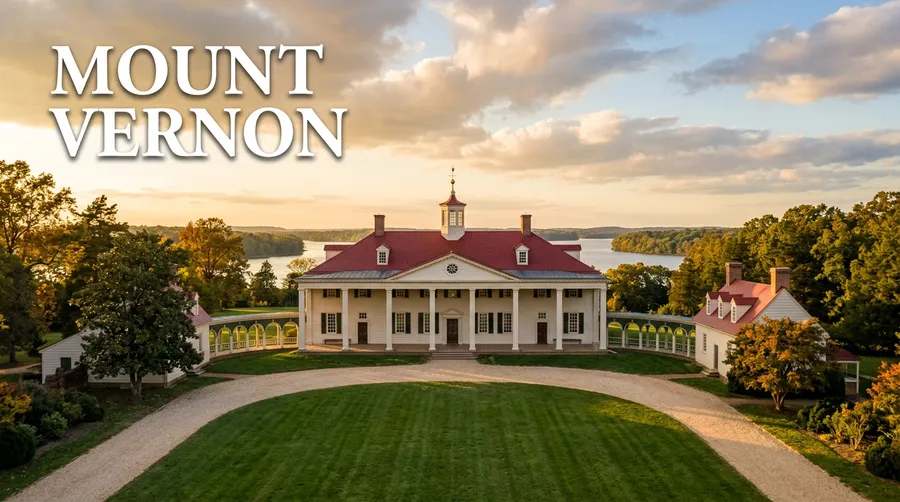
Mount Vernon Tickets, Mansion Tour, and What to See at George Washington’s Estate
A first-timer’s Mount Vernon guide covering timed mansion entry, how long to budget, what is included beyond the house, and how the estate now frames slavery as central history.
Famous Residents
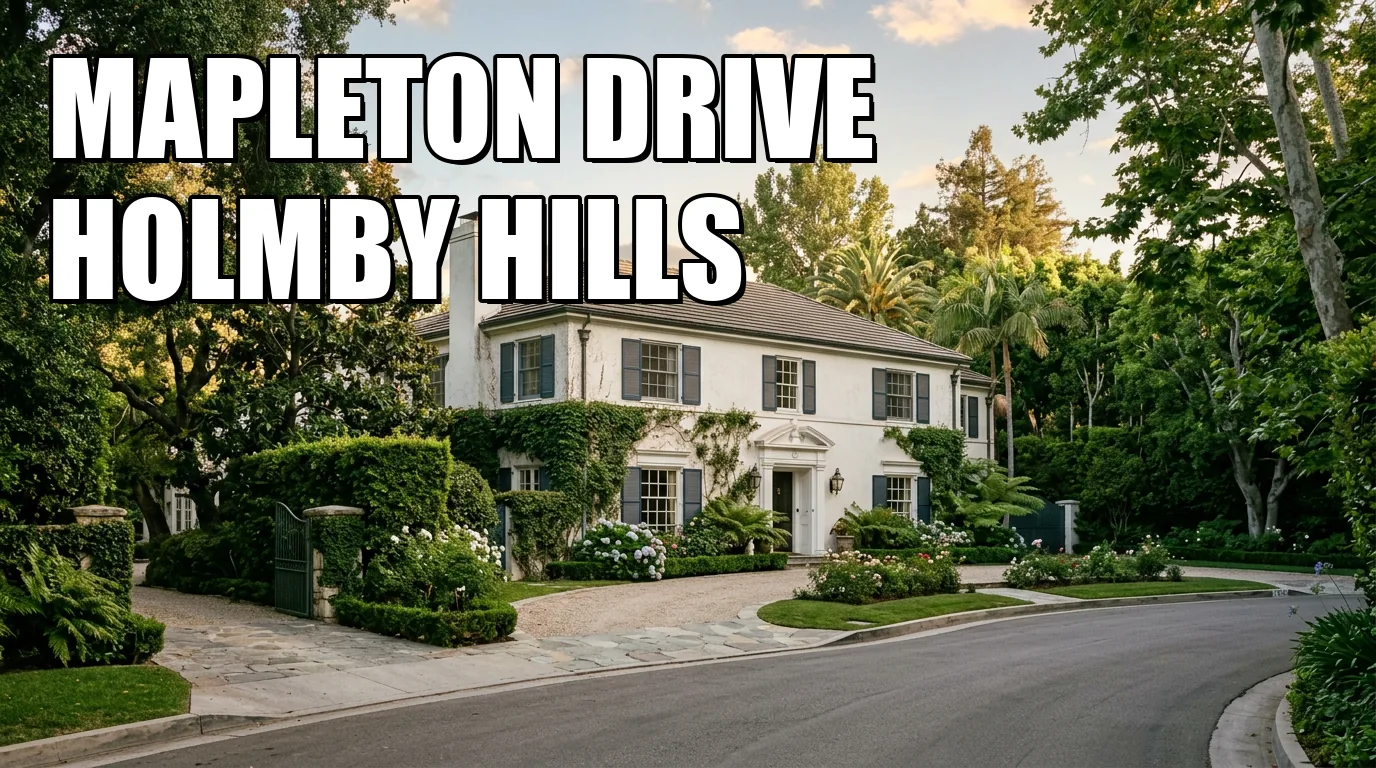
Humphrey Bogart Homes: The Los Angeles Addresses Fans Still Search For
Most Bogart addresses in Los Angeles are private residential properties. Here is which stops are publicly accessible, what each address documents, and how to frame the trip.
Famous Residents
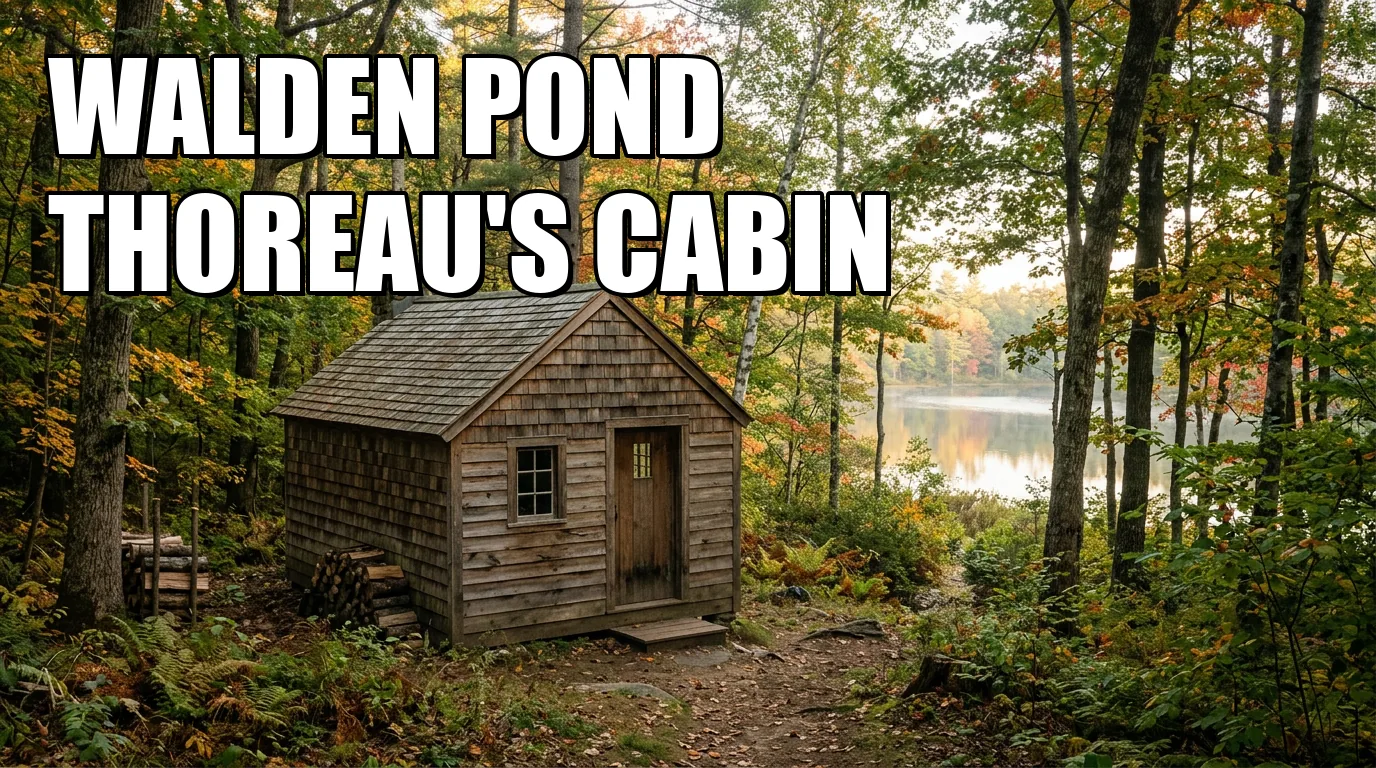
Walden Pond and Thoreau's Cabin: Replica, Site, and What Is Original
The cabin near the lot is a replica; the documented site is a half-mile away. A field guide to scale, archaeological location, landscape change, and access.
From the author of this guide
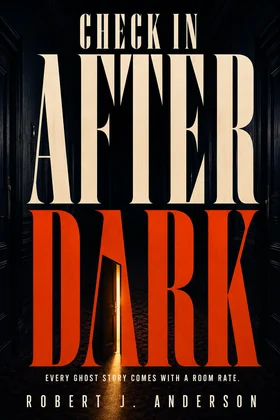
Check In After Dark
One writer checks into the rooms with the stories — Stanley 217, Banff Springs 873, the Del's 3327 — and reports what the night is actually like.