
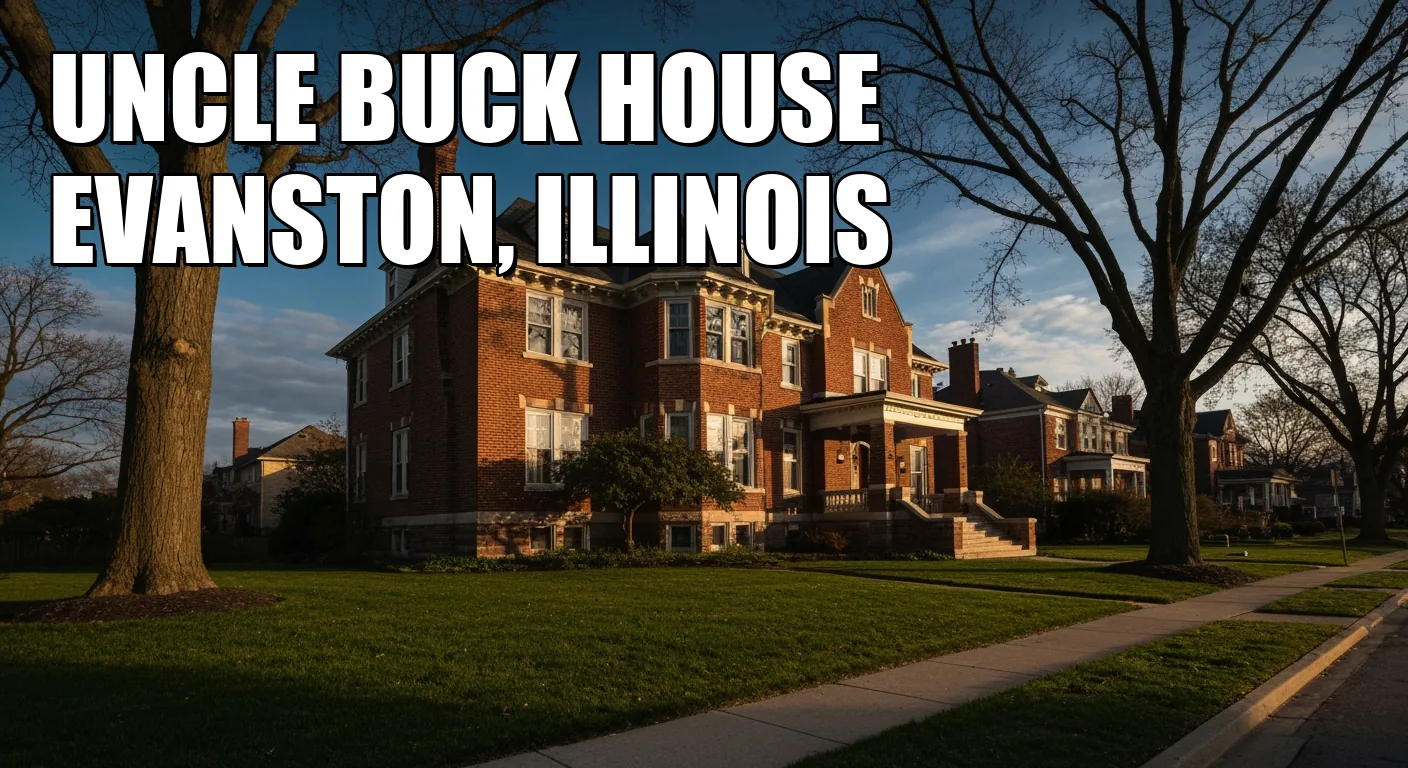
There’s a curious magnetism to film locations, isn't there? We trace the steps of fictional characters, seeking a tangible link to stories that shaped our youth or simply offered a comforting escape. For many, that quest leads directly to the leafy, tree-lined streets of Evanston, Illinois, and specifically, to the iconic residence from John Hughes’s uproarious 1989 comedy, *Uncle Buck*.
Unlocking Uncle Buck's House: A Traveler's Guide
Why Our Hearts Chase Celluloid Dreams
What compels us to stand before a house where Macaulay Culkin’s character, Miles, asked about a girl's "mole" or where Buck Russell (John Candy) famously attempted to fry Mclaren's toast with a blowtorch? It’s more than mere nostalgia; it’s an attempt to bridge the gap between fantasy and reality. As a travel writer who’s crisscrossed the country visiting everything from hallowed battlefields to forgotten roadside attractions, I've observed this phenomenon time and again: a yearning for connection, a desire to place oneself within a cherished narrative. The *Uncle Buck* house, nestled discreetly in a prosperous Chicago suburb, exemplifies this beautifully, drawing visitors who aren't just looking at a building, but at a memory made real, a physical anchor for a beloved story.
Consider the difference between visiting Gettysburg and visiting the *Uncle Buck* house. One evokes profound historical weight, demanding solemn reflection on sacrifice and national identity. The other invites a lighter, often humorous, connection to cultural touchstones, to shared laughs and coming-of-age anxieties. Yet, the impulse to visit, to bear witness, shares a common thread: the desire to feel closer to a story that has impacted us. John Hughes, the undisputed bard of American suburbia, had an uncanny knack for choosing homes that felt both aspirational and deeply familiar. His cinematic universe, often centered around Chicago's North Shore, gave us the Bueller residence, the McCallister home, and of course, the Russell family abode. These aren't just backdrops; they're characters in their own right, reflecting the quiet aspirations and occasional chaos of middle-class American life. The house at 2602 Lincoln Street, Evanston, Illinois 60201, with its grand facade and welcoming porch, perfectly encapsulates that Hughesian ideal – a picture of domesticity ripe for comedic disruption.
Evanston’s Unassuming Icon: The Buck House’s Enduring Allure
This particular house, a stately single-family residence, has evolved since its starring role. Built on a generous 0.37-acre plot, it now boasts 4 bedrooms, 4.5 bathrooms, and approximately 5,199 square feet of living space. Since the film's release in 1989, back and side additions have been built, subtly altering its silhouette from what die-hard fans might recall. When the Elesh family purchased the property in February 2014, they inherited not just a home, but a living piece of pop culture history. The most recent publicly recorded sale was in August 1998 for $955,000, and by 2025, its value has soared to an estimated $1.962.2 million, a testament not only to its prime North Shore location but also, perhaps, to the enduring whisper of its cinematic fame.
Evanston itself, a picturesque city immediately north of Chicago, exudes the kind of affluent, tree-lined suburban charm that Hughes so often romanticized and gently satirized. It’s home to Northwestern University, giving it an academic, slightly more bohemian vibe than some of its more exclusive North Shore neighbors like Winnetka or Glencoe. This blend of upscale residential quiet and intellectual bustle provides an intriguing backdrop for the chaotic humor of *Uncle Buck*. The house itself fits seamlessly into this fabric, not standing out as a gaudy monument, but as an integral part of a community that, in Hughes's films, often represents the quintessential American dream, albeit one occasionally needing a dose of unconventional wisdom from a lovable rogue like Buck.
Yet, for all its fame, it remains a private home, a crucial distinction often missed by eager fans. Unlike a museum or a dedicated historical site, there are no velvet ropes or interpretive plaques here. This creates a unique dynamic for visitors. You're not entering a curated experience; you're observing a daily life unfolding within a cinematic landmark. This reality can be jarring for those expecting a more "official" interaction, highlighting the delicate balance between fan enthusiasm and the sanctity of a family's private space. It challenges the notion that every significant location must be publicly accessible, forcing a different kind of appreciation.
The Reality Check: What Visiting *Really* Entails
So, you’ve decided to make the pilgrimage. What should you actually expect? First, and most importantly, understand that this is someone’s residence. It’s not a film set waiting for your close-up, nor is it a commercial enterprise. Any visit must be conducted from the public street, respecting privacy and property lines. You can take photos, certainly, but do so discreetly and without venturing onto the lawn, peering into windows, or making excessive noise. This isn’t a place for boisterous reenactments or impromptu fan gatherings; it’s a quiet appreciation of a cinematic touchstone. Parking in residential Evanston can be a slight challenge, particularly on weekends, so be prepared to walk a few blocks after finding a legal spot. Always double-check local parking regulations to avoid a frustrating ticket, and be mindful of potential traffic, especially during peak commuter hours.
One of the most surprising revelations for many first-time visitors is that only the exterior of the house was used for *Uncle Buck*. The chaotic, heartwarming interior scenes – the burnt breakfast, the pet rat, the general mayhem – were all meticulously staged on soundstages at New Trier West High School in Northfield, Illinois. A soundstage, for the uninitiated, is essentially a large, soundproofed building specifically designed for film and television production, allowing filmmakers complete control over lighting, sound, and set dressing without the logistical headaches of a real home. For those expecting to see an exact replica of the movie's interior through a window, this distinction can be a momentary letdown, yet it offers a fascinating glimpse into the illusion-making magic of Hollywood, reminding us that movies are, after all, constructed realities.
Beyond the Facade: The Elesh Family's Unexpected Role
The current owners, the Elesh family, have found themselves in an unenviable yet charming position. Imagine buying a home only to discover it’s a pilgrimage site for legions of movie buffs. Most people would likely put up "No Trespassing" signs and hope for the best, or even attempt to monetize the attention. Yet, homeowner Jim Elesh has shown remarkable grace and a good sense of humor about his famous address. He acknowledges the continuous stream of visitors, noting that he has even hosted wedding parties at the residence. This unexpected hospitality transforms the experience from a mere drive-by photo opportunity into something far more human and memorable, a testament to the enduring appeal of the film and the unique kindness of its accidental custodians. It challenges the conventional wisdom that fame inevitably leads to reclusiveness.
This level of casual engagement from a homeowner is exceedingly rare at popular film locations. Typically, owners either embrace full commercialization (like the *Christmas Story* house in Cleveland, which offers tours and overnight stays) or become staunchly private, often to the point of hostility. The Elesh family’s approach offers a refreshingly understated example of how residents can coexist with cinematic history, adding an unexpected layer of warmth to an otherwise static landmark. It’s a quiet defiance of the usual "don't bother me" attitude often encountered when a private residence gains public notoriety, making the *Uncle Buck* house unique even among its famous cinematic peers. This human element, the willingness of the residents to share a piece of their lives with strangers, is what truly elevates a visit here from a simple snapshot to a genuine interaction with the unexpected.
Planning Your Pilgrimage: Respecting the Myth and the Mundane
If you're planning to visit the *Uncle Buck* house, timing isn't as critical as it might be for a national park, but a few considerations can enhance your experience. Weekdays during school hours (roughly 9 AM to 3 PM) typically mean fewer people around, offering a more serene viewing and easier parking. Weekends, especially during summer or school breaks, will predictably draw larger crowds and make street parking more competitive. There’s no admission fee, of course, as it’s a public street, but the cost of gas and the time spent navigating a residential area are your primary investments. Remember: never block driveways, never linger excessively, and always keep your voice down. A brief photo and a moment of reflection are usually sufficient to capture the magic.
Considering this house as a singular, standalone destination might lead to a sense of "Is that all there is?" My advice? Integrate it into a broader John Hughes film locations tour of the Chicago area. Several local tour companies, such as those found through operators like ToursByLocals, offer curated itineraries that include the *Uncle Buck* house alongside other iconic sites like the *Ferris Bueller’s Day Off* house or the *Home Alone* residence in Winnetka. These tours provide not just transportation, but also expert commentary, historical context, and often, behind-the-scenes tidbits that you wouldn't get on a self-guided trip. This transforms a potentially underwhelming quick stop into a richer, more satisfying cinematic journey, ensuring you get the full Hughesian experience.
Ultimately, a visit to the *Uncle Buck* house is less about grand revelations and more about quiet reverence for a piece of popular culture. It’s a reminder of Hughes’s genius for finding the extraordinary in the ordinary, and a chance to connect with a story that, for many, defines a cherished part of their past. It serves as a gentle challenge to our expectations of what a "tourist attraction" should be, highlighting the simple joy of recognizing a familiar facade. Just remember to bring your respect, your camera, and perhaps a genuine appreciation for the folks who live inside the legend, patiently enduring their home’s accidental fame.
Explore the Classic Film Homes: Uncle Buck & Home Alone House Guide
Where is the Uncle Buck house located?
The Uncle Buck house is located at 2602 Lincoln Street in Evanston, Illinois. This residential home is where exterior shots of the Russell family's residence were filmed for the 1989 John Hughes comedy.
Where is the Home Alone house located?
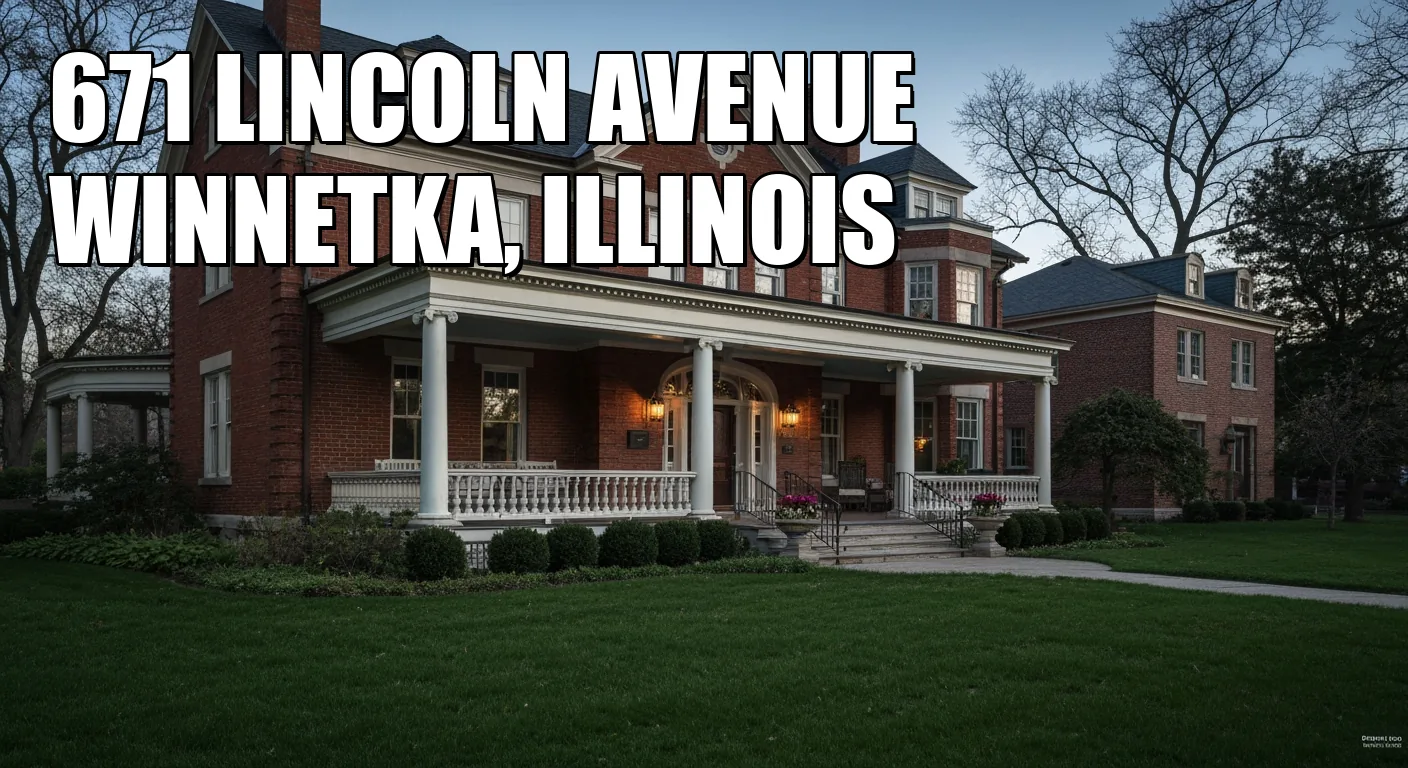
The Home Alone house is located at 671 Lincoln Avenue in Winnetka, Illinois. This Georgian-style brick residence served as the exterior for Kevin McCallister's home in the 1990 holiday film.
Is the Uncle Buck house real?
Yes, the Uncle Buck house is real. It's an actual residential home built in 1924 at 2602 Lincoln Street in Evanston, Illinois that was used for exterior filming.
Is the house in Uncle Buck and Home Alone the same house?
No, Uncle Buck and Home Alone are completely different houses. The Uncle Buck house is in Evanston at 2602 Lincoln Street, while the Home Alone house is in Winnetka at 671 Lincoln Avenue.
Can you visit the Uncle Buck house?
The Uncle Buck house is a private residence, so you can view it from the street and take photos of the exterior. Interior visits are not permitted as the home is privately owned.
Part of 🎬 Stay Where They Filmed
Film & TV Locations
Biltmore Estate Filming Locations: Movies, TV Shows, and What Fans Can Actually See
Planning a movie-themed Biltmore visit? This guide covers the productions Biltmore officially lists, the public stops fans can actually see, and the practical rules that matter now.

Film & TV Locations
Sopranos Filming Locations: What Still Exists in New Jersey
Five famous Sopranos stops now mean five different things: a public restaurant with a replacement booth, an opening-credits pizzeria, a private house, an uncertain club and a demolished set.
Film & TV Locations
Home Alone Filming Locations: What You Can Actually Visit
The McCallister home is split across a private Winnetka exterior, school-built interiors, two working churches, Hubbard Woods and post-security O’Hare. Here is the route that respects each boundary.
From the author of this guide
Check In After Dark
One writer checks into the rooms with the stories — Stanley 217, Banff Springs 873, the Del's 3327 — and reports what the night is actually like.