Defining the Prairie Aesthetic: More Than Just Horizontal Lines
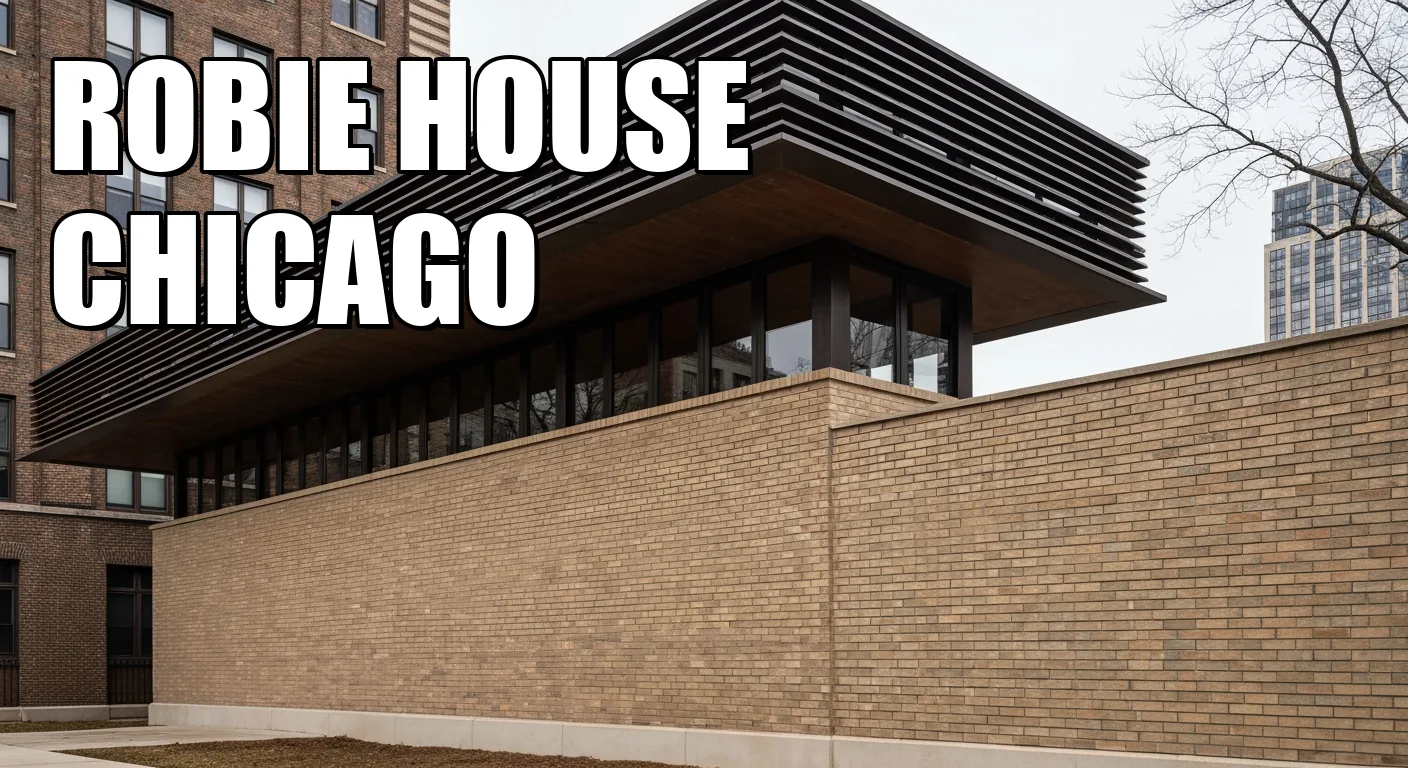
What exactly makes a window "Prairie Style"? If you've spent any time with Wright's work, you'll immediately recognize the commitment to horizontal expansion. It's a design philosophy deeply rooted in the American Midwest's flat landscapes, where the horizon stretches endlessly. Windows in this style, often casements that swing outward, are arranged in continuous bands, virtually uninterrupted, creating a sweeping visual connection to the outdoors. But it's more than just a preference for horizontal lines; it's a deliberate act of *fenestration*, a word architectural nerds like me use to describe the arrangement and design of windows and other openings in a building. Wright transformed these elements into "light screens," not just partitions, employing zinc cames—slender, rigid metal channels that hold individual glass pieces—instead of the softer, more malleable lead typically found in traditional stained glass. This small detail allowed for crisper, more rectilinear patterns, perfectly echoing the geometric purity he sought in his designs. The art glass itself, frequently clear with subtle iridescent or colored accents, wasn't about telling a biblical story, but about abstracting nature – sumac leaves, tree branches, even confetti – into geometric forms that diffused light and provided privacy without sacrificing connection to the surrounding environment.My first true immersion into this world was the Frederick C. Robie House in Chicago, Illinois. Completed in 1910, this structure stands as Wright's undeniable Prairie Style masterpiece, a building that still startles with its sheer audacity and meticulous execution. Walking its grounds, you can't help but be struck by the monumental scale of its windows: 175 art glass casement windows and doors, each a testament to Wright's vision, arranged in no fewer than 29 distinct geometric patterns. The most breathtaking example is the 47-foot span of 24 leaded glass casement doors that stretch across the south façade. It's an uninterrupted wall of light that truly embodies the horizontal emphasis of the style. What surprised me, initially, was the subtlety of the color. Unlike European stained glass, these panes rely on clear glass with just touches of iridescent color, often arranged in diamond and chevron patterns that abstract natural foliage. This isn't about blinding color; it's about light playing across the surfaces, shifting hues as the day progresses. The innovation of zinc cames, rather than lead, is evident here, providing the structural rigidity needed for such expansive, delicate designs.
Springfield's Sumac Symphony: The Dana-Thomas House's Total Design
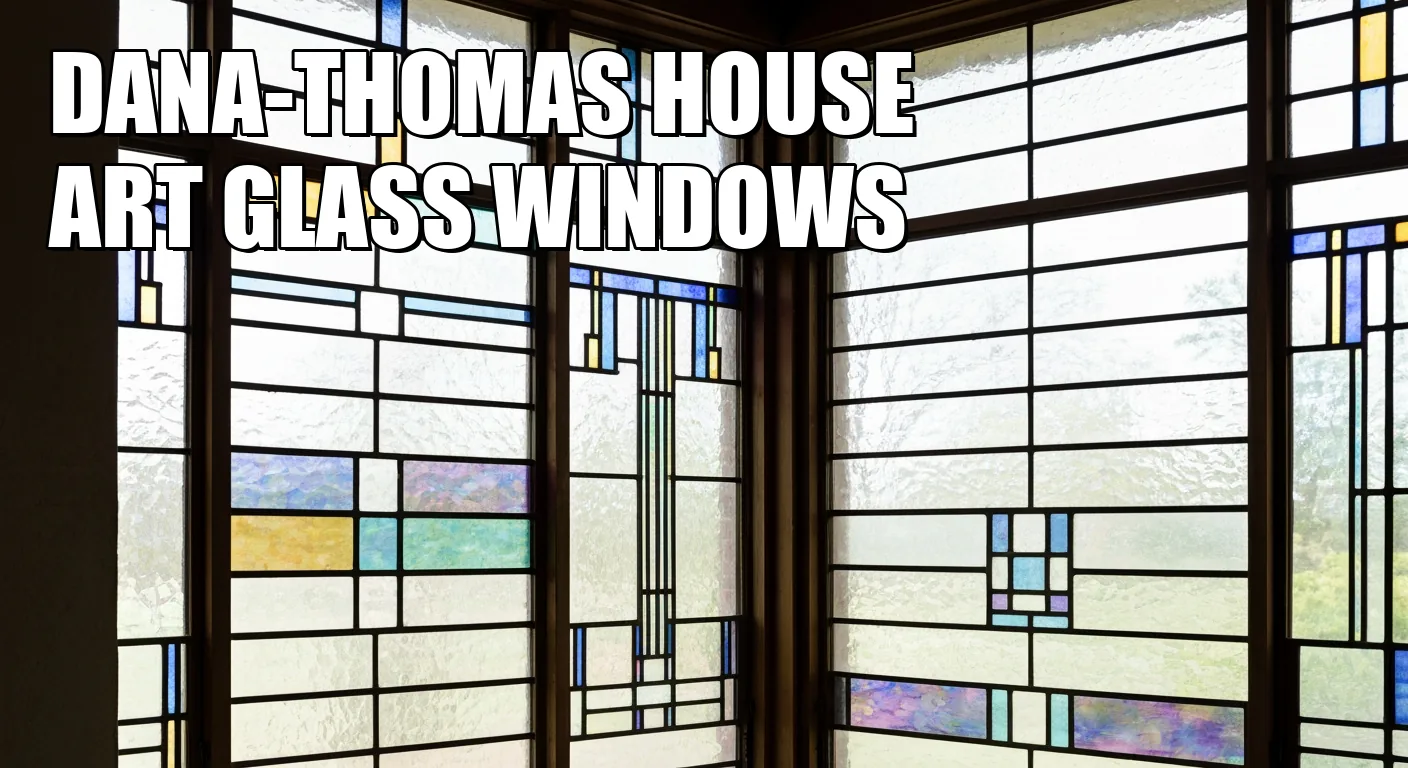
Journeying southwest to Springfield, Illinois, you encounter the Dana-Thomas House, another extraordinary Wright creation, completed for Susan Lawrence Dana between 1902 and 1904. What distinguishes this residence, beyond its sheer size (35 rooms across 12,000 square feet, 16 varying elevation levels), is its unparalleled collection of Wright's original art glass and design elements. Here, it’s not just a window or two; it’s an entire aesthetic experience. Imagine stepping into a space where 250 art glass windows, doors, and light panels—a staggering number—all echo a single, unifying motif: the stylized sumac. This plant’s organic, branching form is abstracted into geometric patterns that appear everywhere, from the dining room windows to the light fixtures. It’s a masterclass in what Wright termed "total design," where every element, down to the last pane of glass, contributes to a cohesive artistic statement. The genius lies in how these windows were conceived to be appreciated from both inside and out, serving as elegant decorative art while simultaneously framing subtle, thoughtful views of the surrounding landscape. If you're looking for the *most complete* immersion into Wright's glass artistry, this is your pilgrimage.Buffalo, New York, might not be the first place you associate with Wright's Prairie Style, but the Darwin D. Martin House, constructed between 1903 and 1905, represents one of his most significant commissions from his prolific Chicago years. This complex, rather than a single dwelling, boasts nearly 400 art glass windows, featuring 15 distinctive patterns. Some of these contain over 750 individual pieces of iridescent glass, effectively functioning as "light screens" that blur the line between interior and exterior spaces. The iconic "Tree of Life" window design here is a standout, its diagonal geometric patterns hinting at Japanese art forms – a subtle yet profound cross-cultural influence that Wright often incorporated. Clusters of piers, strategically placed in the expansive first-story rooms, create opportunities for continuous bands of windows along the perimeter, reinforcing the horizontal flow. The complexity and sheer variety of the leaded glass designs here are arguably unmatched by any other Wright Prairie house. What you notice is the way the rectilinearity of the mullion divisions—those vertical or horizontal bars separating panes—is not just a structural necessity but an integral part of the design philosophy, consistently reinforced throughout every glass panel. Expect crowds, especially during peak summer months; booking a timed tour well in advance (at least a month out) is practically mandatory.
Highland Park's Quiet Revolution: Unpacking the Willits House's First Mature Statement
Often cited as Wright's first truly "mature" Prairie Style design, the Ward W. Willits House in Highland Park, Illinois, completed in 1902, offers a different, perhaps more restrained, window experience. Here, you'll find over 100 art glass windows, but their patterns are resolutely rectilinear, with minimal color variation. Instead of vibrant hues, Wright achieved visual warmth and a subtle sparkle by sandwiching gold leaf between clear glass panels—a surprisingly understated yet effective technique. The living room, a prime example of his early innovations, features floor-to-ceiling leaded glass windows that open directly onto a veranda. This seamless connection, where interior space flows effortlessly into nature, was revolutionary for its time, challenging the traditional, boxy separation of rooms from the outdoors. These casement windows, arranged in characteristic horizontal bands, don't just provide views; they are a vital part of the landscape integration, drawing the eye out and making the surrounding gardens by Jens Jensen feel like an extension of the home itself. While the home is privately owned and not regularly open to the public, the exterior views alone offer a powerful lesson in Wright’s early mastery of fenestration.Then there's the Avery Coonley House in Riverside, Illinois, a complex designed and constructed in phases from 1908 to 1912. Wright himself famously described it as "the most successful of my houses," a bold claim from an architect whose ego was anything but small. The windows here are not just decorative; they are integral to a sophisticated "zoned" planning concept, where each functional area of the house receives a dedicated lighting strategy. This means art glass windows are strategically positioned to maximize natural light and frame specific exterior views, all contributing to the specific purpose and mood of that zone. The real surprise, though, comes in the playhouse addition, completed in 1912. It features approximately 50 windows, each subtly different, boasting celebrated designs that Wright playfully termed the "kinder-symphony" (a symphony for children). These aren't the abstract leaves or geometric trees of his other works; here, you'll find whimsical geometric abstractions of balloons, confetti, and even American flags. It's a delightful, unexpected departure, showcasing Wright's ability to infuse joy and narrative into his glasswork, proving that even the most rigorous architect could embrace a touch of playful abandon.
Beyond the Historic Tour: Bringing Prairie Panes into 21st-Century Homes
After walking through these architectural marvels, the immediate question often becomes: can this artistry be replicated today? Can you bring the spirit of Prairie Style windows into a contemporary home? The answer is a resounding yes, though with significant caveats regarding cost and craftsmanship. Experiencing these houses firsthand, you realize the enduring appeal of their unique window designs, a testament to Wright's revolutionary vision that continues to influence modern architecture. If you're inspired to commission your own Prairie Style windows, understand that this is not a budget renovation.Custom luxury Prairie Style windows, crafted with the kind of meticulous detail Wright demanded, begin at around $800 to $1,200 per window for basic configurations. However, if you're chasing the intricate, bespoke art glass designs reminiscent of the Dana-Thomas or Martin Houses, costs escalate dramatically. Moderately complex geometric designs typically run between $200 and $300 per square foot of art glass. Should you desire the iridescent or colored glass elements that shimmer so beautifully in the Robie House, expect to pay upwards of $300 per square foot. For museum-quality reproductions, complete with historically accurate materials like zinc-coated caming and leaded glass matching original specifications, individual window costs can soar to $1,500 to $3,500, or even more. Large-scale residential projects, those truly aiming for a cohesive, site-specific artistic element across multiple windows, generally budget anywhere from $3,000 to $8,000+ per window. This isn't just buying a window; it's commissioning a piece of art, often requiring specialized artisans who understand the nuances of Wright's aesthetic and the specific techniques of early 20th-century glasswork. Planning such a project for 2025 means engaging a custom fabricator at least 6-12 months in advance, especially if you want to avoid peak construction season delays.
What I find most compelling about these Prairie Style windows is their refusal to be mere functional elements. They are, in every sense, architectural poetry. Wright didn't just design structures; he orchestrated experiences, and his windows are pivotal instruments in that symphony. From the expansive, landscape-hugging panes of the Robie House to the playful "kinder-symphony" of the Coonley House, each window tells a story of light, space, and an architect's relentless pursuit of harmony between humanity and the natural world. They challenge us to look closer, to consider the art in the everyday, and to remember that even a pane of glass can hold profound meaning.