
Unpacking the Gambrel: America's Early Roof Lines

The gambrel roof, with its distinctive two-slope profile on each side, often conjures images of rustic barns or charming New England farmhouses. Yet, peel back the layers of popular perception, and you'll discover this architectural form boasts a far richer, more complex history in the United States, representing a quiet revolution in maximizing space and expressing regional identity. Having crisscrossed the country, poking into forgotten corners and well-trodden paths alike, I’ve developed a particular affection for these early examples—they’re not just old buildings, they’re textbooks in timber and brick, revealing much about the ingenuity and priorities of early American settlers.
What, then, makes these structures so compelling to an architectural enthusiast, or even a casual visitor? It's the silent dialogue they maintain with the landscape, the stories etched into their very rafters. We’re not simply looking at a roof; we’re examining a solution to a problem, a nod to a homeland tradition, and often, an early assertion of colonial affluence. From the institutional gravitas of Harvard to the residential tenacity of Medford, Massachusetts, and the expansive manorial elegance of New York's Hudson Valley, the gambrel roof emerges as a versatile, often surprising, architectural workhorse.
Unraveling the Gambrel's Genesis in New England's Scholarly Heart
Step onto the hallowed grounds of Harvard Yard in Cambridge, Massachusetts, and you're surrounded by centuries of academic ambition. Amidst the stately brick, one structure stands out for its pioneering spirit: Harvard Hall. Constructed between 1674 and 1677, this building isn't merely old; it holds the distinction of being Harvard College's very first brick edifice, a significant investment for a nascent institution. Its gambrel roof, a relatively novel concept for its time, boasted six cross gables interrupting the roofline on both front and rear elevations. This wasn't merely decorative; it was a clever design choice intended to maximize the utilitarian attic space within, a crucial consideration for a bustling college needing every square foot for storage, studies, or even rudimentary living quarters. Seeing Harvard Hall today, nestled among later, more ornate structures, one might almost overlook its architectural significance. Its current iteration is, admittedly, a meticulous 20th-century reconstruction after a devastating 1764 fire, a fact some architectural purists might find disappointing. However, understanding its original design intent—how those early architects deployed the gambrel to blend functionality with a budding sense of aesthetic appeal in an institutional setting—offers a profound insight into colonial pragmatism. To truly appreciate its historical context, I often suggest visiting during the quieter months of January or February, or at dawn on a weekday morning. You'll avoid the throngs of students and tourists, allowing the brick and timber to speak volumes without interruption. There’s no admission fee to wander the Yard, but parking in Cambridge can be a challenge and costly; consider public transit or a paid garage for a more relaxed visit.A Lone Brick Sentinel: Peter Tufts House's Unsung Innovation
Just a short drive north from Harvard, across the Mystic River in Medford, Massachusetts, sits a building that consistently stops me in my tracks: the Peter Tufts House. Built between 1677 and 1678, this dwelling at 350 Riverside Avenue isn't just "one of the oldest surviving brick houses" in the United States; it’s quite possibly the earliest surviving house *anywhere* in America to feature a gambrel roof. Let that sink in for a moment. This house predates the widespread adoption of the gambrel in New England by decades, making it an architectural anomaly, a testament to an early innovator’s vision. What makes its gambrel roof so intriguing is the precision of its original design: the main roof slope measures exactly 51 degrees before truncating at the top to form its distinctive profile. This steep angle speaks volumes about the technical sophistication of 17th-century roof framing, challenging the common misconception that early colonial construction was uniformly crude. It’s not just a roof; it's a geometrically calculated feat. Another striking feature, beyond its thick 18-inch brick walls and their integrated end chimneys, are the small, enigmatic oval "porthole" windows. Their original purpose remains largely a mystery, adding a layer of charming intrigue that modern architectural explanations often struggle to fully resolve. Unlike many historic homes, the Peter Tufts House is privately owned and not regularly open for public tours, which can be a letdown for those expecting a walk-through. Its significance lies in its exterior presence, a silent testament to architectural pioneering. Viewing it from the street, one quickly grasps how its brick construction and advanced roof design were remarkably unusual for its era, setting it apart from its timber-framed contemporaries.Where the Hudson Meets Holland: Van Cortlandt Manor's Sweeping Gambrel
Journeying south to Croton-on-Hudson, New York, offers a different interpretation of the gambrel, one deeply steeped in Dutch colonial traditions. Van Cortlandt Manor, established around 1677 by Stephanus Van Cortlandt, sits elegantly near the confluence of the Croton and Hudson Rivers. Here, the gambrel roof doesn't merely crown the structure; it *defines* it, presenting a dramatic departure from its New England cousins. This is a Flemish gambrel, characterized by its sweeping, flaring eaves that extend gracefully over the long sides of the building. The effect is strikingly barn-like, yet undeniably grand, a stylistic signature of Dutch settlers adapting their architectural heritage to the vastness of the Hudson Valley. This manor house exemplifies not just an architectural style, but a living history of adaptation and expansion. While the initial structure dates to the late 17th century, the iconic sweeping gambrel visible today is largely a product of significant modifications and enhancements undertaken by Pierre Van Cortlandt beginning in 1749. He added a second story and altered the roof to achieve this distinctive bell-cast effect, creating a homestead that blended Old World aesthetics with New World functionality and scale. For visitors, this distinction is crucial: you're witnessing an evolving architectural landscape, not a static 17th-century snapshot. Van Cortlandt Manor is open to the public during specific seasons, usually April through November, and an admission fee is required (check their website for current pricing and hours, as they often host seasonal events). To fully immerse yourself in the Dutch colonial experience, plan for a weekday visit in early fall when the leaves are turning, offering a picturesque backdrop for the manor's unique silhouette. The grounds are expansive, offering a chance to compare the main house with other outbuildings, further highlighting the gambrel's versatility.Comparing Regional Gambrels: Form, Function, and Identity
These three structures—Harvard Hall, Peter Tufts House, and Van Cortlandt Manor—while all sporting a gambrel roof, tell distinctly different stories of colonial ambition and architectural evolution. Harvard Hall's gambrel was about maximizing institutional utility within a growing collegiate environment, a practical solution for space in a compact setting. Its six cross gables created a complex, yet efficient, roofline. The Peter Tufts House, by contrast, demonstrates a daring, early adoption of the gambrel, coupled with brick construction, setting it apart as a true pioneer in an era dominated by timber. It speaks to individual ingenuity and perhaps a desire for architectural distinction far ahead of its time. Van Cortlandt Manor, on the other hand, showcases the gambrel as a carrier of cultural identity, the sweeping Flemish lines a direct echo of Dutch architectural traditions transposed onto American soil. Its bell-cast eaves aren't just aesthetic; they offer additional protection from the elements, a practical feature wrapped in an elegant form. What's particularly striking about these examples is how they challenge the notion of a singular "colonial architecture." Instead, they reveal a tapestry woven with regional preferences, available materials, and the cultural baggage—or brilliance—brought by diverse settlers. While one might expect all gambrels to look alike, these sites prove the opposite: the gambrel was a flexible template, adapted and refined to suit specific needs and aesthetic desires, making each visit a lesson in nuanced observation.Planning Your Pilgrimage to America's Historic Rooflines
Embarking on a journey to explore these early gambrel roof structures requires more than just a map; it demands an appreciation for the subtle shifts in architectural language and the stories they silently recount. When planning your visit, remember that authenticity can be found not just in untouched antiquity, but also in the layers of modification and the thoughtful reconstructions that preserve these sites for future generations. Don't expect grand, fully restored interiors at every turn. Sometimes, the true magic lies in the exterior, the proportions, and the historical *why* of its existence. To make the most of your architectural expedition, consider focusing on a specific region first. New England's Harvard Hall and Peter Tufts House are close enough for a dedicated day trip, perhaps pairing them with other early colonial sites in the Boston area. Remember that the Peter Tufts House is a private residence, so respect the occupants' privacy and view it from the street. For Van Cortlandt Manor, allot a full afternoon to explore the grounds and absorb its Dutch heritage. I recommend visiting in spring or fall when the weather is mild and the natural surroundings enhance the experience. The cost for Van Cortlandt Manor is typically around $15-20 for adults, but always confirm current pricing online. Navigating these historic sites offers a tangible connection to early American ingenuity, reminding us that even something as seemingly simple as a roof can be a complex narrative of human endeavor. These buildings are more than just old; they are enduring lessons in how form meets function, history, and identity, offering insights that resonate far beyond their venerable age.Gambrel Roof Architecture in America: Your Complete Guide
What is the history of the gambrel roof?
The gambrel roof was brought to America by Dutch settlers in the 17th century, with the oldest known example found on Harvard University's second Harvard Hall built in 1677. Originally called a 'Dutch roof' in America, it was particularly popular from the 16th to 18th century for both commercial and residential buildings.
What architectural styles use gambrel roofs?
Gambrel roofs are primarily used in Dutch Colonial, Colonial Revival, Georgian, Victorian, Edwardian, and modern Farmhouse architectural styles. These roofs have transcended their original roots to grace various architectural styles throughout American history.
Why did the gambrel roof evolve?
The gambrel roof evolved due to practical reasons: its dual-slope design efficiently sheds rain and snow while the steep lower slope maximizes interior storage space and creates more usable attic area, making it ideal for both residential homes and barns.
What is the difference between gambrel and Dutch colonial?
A gambrel roof is a specific roof style with two slopes on each side, while Dutch Colonial is an architectural style of house that typically features a gambrel roof as its defining characteristic along with other features like 1-2 stories and symmetrical facades.
What are three disadvantages of a gambrel roof?
Three major disadvantages are: limited weather resistance (unsuitable for high winds or hurricanes), maintenance challenges due to the complex dual-slope design, and vulnerability to heavy snow accumulation on the flatter upper section.
Part of 🏛 Architecture Styles
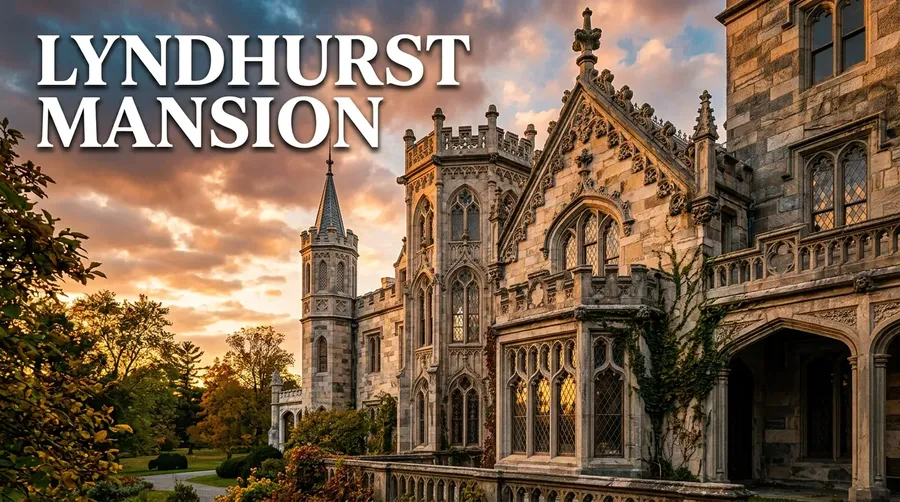
Architecture Styles
Gothic Revival Architecture: What the Street Can—and Cannot—Tell You
A three-level field test separates visible Gothic Revival evidence from a style hypothesis and the dates, authorship or alterations that require records.

Architecture Styles
Greek Revival Without Columns: A Confidence Test
Greek Revival can survive without a portico. Use roofline, entablature, entrance, wall plane, date and later alterations to state confidence.
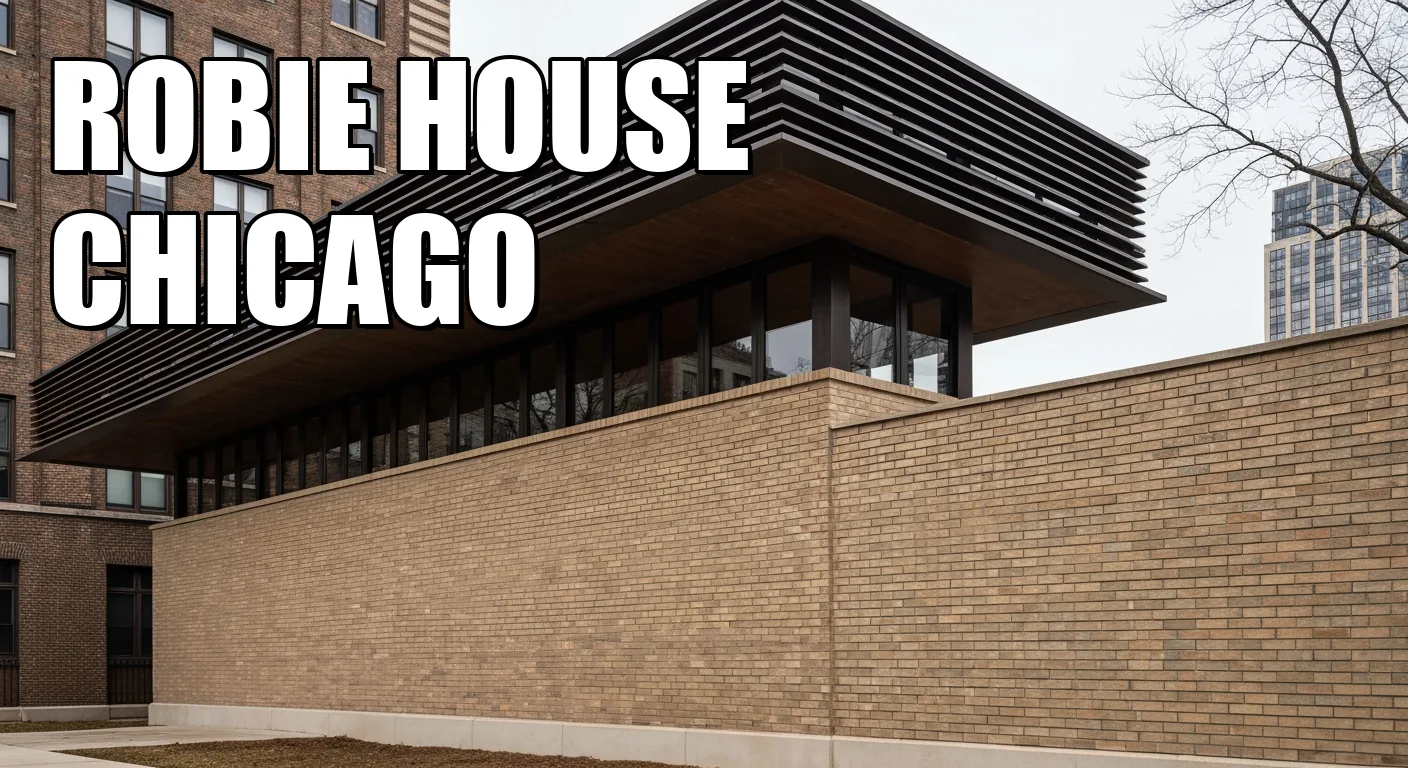
Architecture Styles
Prairie Style Architecture: How to Spot the Style in American Houses
A practical guide to Prairie Style architecture in the United States, with the roof, window, massing, and site cues readers should compare from the street.