There’s a common misconception that "Craftsman" simply means a bungalow with sturdy trim. While true that the style often manifests in those charming, unpretentious dwellings, the heart of Craftsman design beats in its interiors, revealing a commitment to honest materials and skilled handiwork that many contemporary styles only superficially attempt to imitate. I’ve walked through spaces that hum with this integrity, from grand Greene & Greene masterpieces in Pasadena to modest, well-preserved homes across the Midwest, and the consistency in their core principles is striking. This isn’t a fleeting trend; it’s a design language forged from a desire for authenticity.
What exactly sets an authentic Craftsman interior apart? It’s a question I’m often asked, especially when people are trying to discern genuine period details from modern, sometimes flimsy, interpretations. Forget the superficial paint colors or mass-produced decor; the true spirit lies in six foundational characteristics that, once understood, reveal a profound connection between form, function, and philosophy. These aren’t just decorative choices; they represent a rejection of the industrial excesses of the Victorian era and a return to enduring quality.
Beyond the Surface: Why Built-Ins Define Craftsman Living
If there’s one element that instantly signals an authentic Craftsman interior, it's the prevalence of custom built-in furniture and cabinetry. Picture this: substantial bookcases flanking a fireplace, a cozy window seat bathed in natural light, a robust dining room sideboard that looks like it grew right out of the wall. These aren't just pieces of furniture; they are integral architectural elements, designed to maximize space and utility while simultaneously enhancing the room’s character. They embody a rejection of clutter, a desire for order and efficiency, a stark contrast to the often over-furnished Victorian parlors that preceded them.
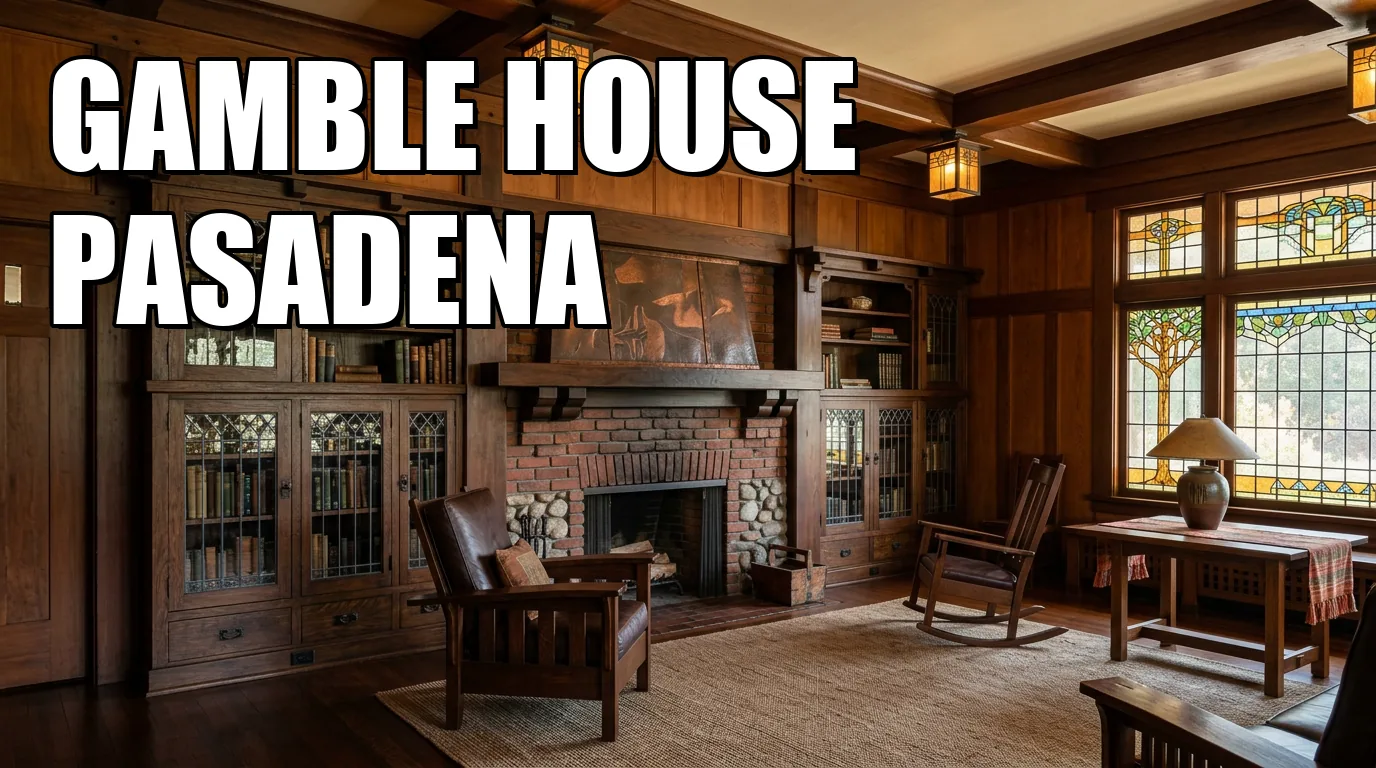
Think about the living room, for instance. Those built-in bookcases, often soaring from floor to ceiling, aren’t just for books. They provide structure, frame the hearth, and typically feature adjustable shelving and solid wood framing, usually oak, cherry, or mahogany. The cabinetry itself often showcases inset paneling, stained to highlight the wood’s natural grain rather than concealing it. Gustav Stickley, the foundational figure of American Craftsman design, championed these pieces as uniting function and form, insisting they work harder than standalone furniture while appearing as seamless parts of the home's very bones. This philosophical stance means that when you see a well-executed Craftsman built-in, you're not just looking at storage; you're seeing an intentional choice about how a space should live and breathe.
The Visible Hand: Understanding Exposed Joinery as Art
Have you ever noticed the way a well-made Craftsman chair seems to proudly display its construction? That’s no accident. Exposed mortise-and-tenon joinery is more than a structural detail; it’s a deliberate declaration of integrity, a celebration of the craft itself. The mortise, a cavity cut into one piece of wood, and the tenon, a protruding part of another, fit together with satisfying precision. In the Craftsman aesthetic, these aren’t hidden away; they're often visible, sometimes even pinned with wooden pegs or simple, decorative hardware.
This visible joinery technique, particularly the through-tenon which passes completely through the mortise and is seen on the opposite side, acts as a visual punctuation mark on furniture frames, table legs, and even interior trim. Stickley himself famously stated, "I endeavored to turn such structural devices as the mortise and tenon to ornamental use." He wasn't just talking about aesthetics; he understood that these joints offered superior strength against tension, shear, and twisting forces. The subtle shadow line created by an exposed joint isn’t merely decorative; it’s an honest communication of how the piece was made, a direct challenge to the machine-made, often disguised, construction of the industrial age. When you encounter this detail, you're witnessing a philosophical commitment to truth in materials and construction that is utterly refreshing.
More Than Just Wood: The Alchemy of Fumed Finishes
A distinctive warmth permeates Craftsman interiors, largely due to their reverence for natural wood surfaces. This isn't just about using wood; it's about *how* the wood is treated, allowing its inherent beauty to shine through. The style favors finishes that enhance, rather than obscure, the intricate grain patterns, often utilizing natural shellac and wax, or, more strikingly, ammonia-fuming to achieve deep, rich color tones.
It's fascinating to discover that quartersawn white oak became the undisputed wood of choice, particularly under the pervasive influence of Gustav Stickley. Why quartersawn? Because it exposes the distinctive medullary rays—those captivating stripe patterns—and boasts superior strength. Stickley actually pioneered ammonia-fuming, a chemical process where tannins in the oak react with ammonia fumes, producing those iconic, warm brown tones that are simultaneously rich and understated. Later, Leopold Stickley's quadralinear-post technique took this a step further, mitering four quartersawn boards around a central post to display the ray flake grain on all four sides. The resulting matte or semi-matte finish, inviting to the touch, offers a tactile warmth that speaks volumes about the value placed on natural, living materials. This careful finishing technique makes the wood feel grounded, almost ancient, connecting the interior to the forest from which it came.
Grounding a Room: The Quiet Authority of Wainscoting
Stepping into a Craftsman room, one often feels an immediate sense of groundedness, a quiet elegance that stems from its substantial wooden surfaces. This sensation is frequently provided by wainscoting and wood paneling, which create visual continuity and anchor the space. Unlike the often fussy, highly ornate paneling of the Victorian era, Craftsman wainscoting is defined by its clean lines and an unwavering commitment to honest, unembellished craftsmanship. It's about substance, not superfluous decoration.
Typically, this wainscoting extends about 30 to 40 inches high—roughly waist-height—and is capped by a substantial chair rail. This rail isn't just a decorative flourish; it serves as a clear visual and functional divider between the paneled lower wall and the upper wall surface, which might be plaster, wallpaper, or even a different wood treatment. The panels themselves are usually constructed from vertical boards or raised panels, meticulously crafted from oak, cherry, or maple, finished with natural stains or clear varnish. The grain patterns are often carefully aligned, creating a harmonious flow that speaks to the artisan's attention to detail. In more formal spaces like dining rooms, you might occasionally find full-height paneling extending to the ceiling, creating an incredibly intimate, almost embracing, atmosphere. These panels incorporate simple moldings and shadow lines that define each section without any hint of excessive ornamentation, reflecting the style's devotion to simplicity and strength.
Heart of the Home: The Artistry in Craftsman Fireplaces
Every home needs a heart, and in a Craftsman residence, that role is unmistakably played by the fireplace. Far from being just a utilitarian heating device, the fireplace surround in a Craftsman home is a true focal point, a masterful composition of natural materials—stone, brick, and, most famously, handcrafted tiles. I've seen these fireplace surrounds almost whisper stories, each one unique, yet all adhering to the Craftsman ideal of integrating art into everyday living. They weren't just built; they were *crafted* to become the spiritual and practical anchor of the living space.
You’ll typically find a substantial wood mantel, stained to seamlessly match the interior trim, often supported by stout wooden or stone corbels or pilasters. The surround itself is where the true artistry often unfolds. Many feature decorative art tiles from celebrated companies like the Grueby Faience Company, famous for their distinctive matte-finish pottery and unique glazes, or Ernest Allan Batchelder, whose tiles frequently depicted nature motifs and geometric patterns. These aren't your average bathroom tiles; they range from simple field tiles in earthy tones or muted greens and browns to dramatic scenic tiles as large as 8" × 16", illustrating landscapes, medieval castles, or Spanish missions. Stone fireplaces, conversely, might employ river rock, slate, or brick, arranged to emphasize natural texture and variation. The careful integration of these elements, often flanked by built-in bookcases, creates an architectural ensemble that draws the eye and beckons you to settle in. It’s a testament to the belief that even the functional aspects of a home should be imbued with beauty and meaning.
Hammered Truths: The Unassuming Power of Craftsman Hardware
Don't overlook the smaller details; they often tell the biggest stories. In Craftsman interiors, metalwork isn't just an afterthought; it’s a critical craft, offering crucial opportunities for handcrafted expression through hardware. Drawer pulls, hinges, door knockers, and light fixtures, predominantly made from copper and iron, speak volumes about the style’s values. These aren’t just functional components; they are tiny sculptures, each bearing the mark of the artisan’s hand. It’s a powerful contrast to the mass-produced, often flimsy, hardware found in many homes today.
Of the two, hammered copper emerged as the premier choice. It was seen as finer and more attractive than iron, yet more accessible and workable than silver. You'll notice that hardware pieces almost always feature hand-hammered surfaces, with a visible texture that proudly proclaims their handmade origins. Over time, this copper develops a beautiful natural patina, deepening its character and adding another layer of authenticity. Gustav Stickley’s furniture, for instance, frequently showcased simple, unornamented copper hardware—bent and pulled into functional shapes rather than cast into ornate forms. Drawer pulls are often elegant, bent copper bars or rectangular backplates with bail handles, typically secured with pyramid-head screws or nails, specifically designed for Arts and Crafts work. Hinges are strong and plain, devoid of any decorative excess. Even entry hardware, from knockers to latches, often draws inspiration from medieval forms, echoing a return to foundational craftsmanship. Light fixtures, a key element for setting the mood, frequently combine hammered copper accents with warm amber or green glass, casting a soft, inviting glow. This isn't about flashy luxury; it’s about honest materials, skillfully worked, and left to age gracefully.
Ultimately, to truly appreciate American Craftsman interior design is to understand that it’s far more than just an aesthetic. It's a profound philosophy that emerged in the early 20th century, championed by figures like Gustav Stickley and the Greene Brothers, who believed that everyday functional objects could and should be beautiful. This ethos emphasizes honest construction, natural materials, and handcrafted quality, creating spaces that feel inherently warm, inviting, and deeply rooted. When you plan to visit historic Craftsman homes or even integrate these elements into your own space, look beyond the surface. Seek out the visible joinery, feel the texture of the fumed wood, and notice how the built-ins seamlessly integrate. You'll find that these homes aren't merely places to live; they are enduring declarations of integrity, designed to nourish the soul.