Film & TV Locations

Unpacking the Texas Chainsaw Massacre House: Reality Bites

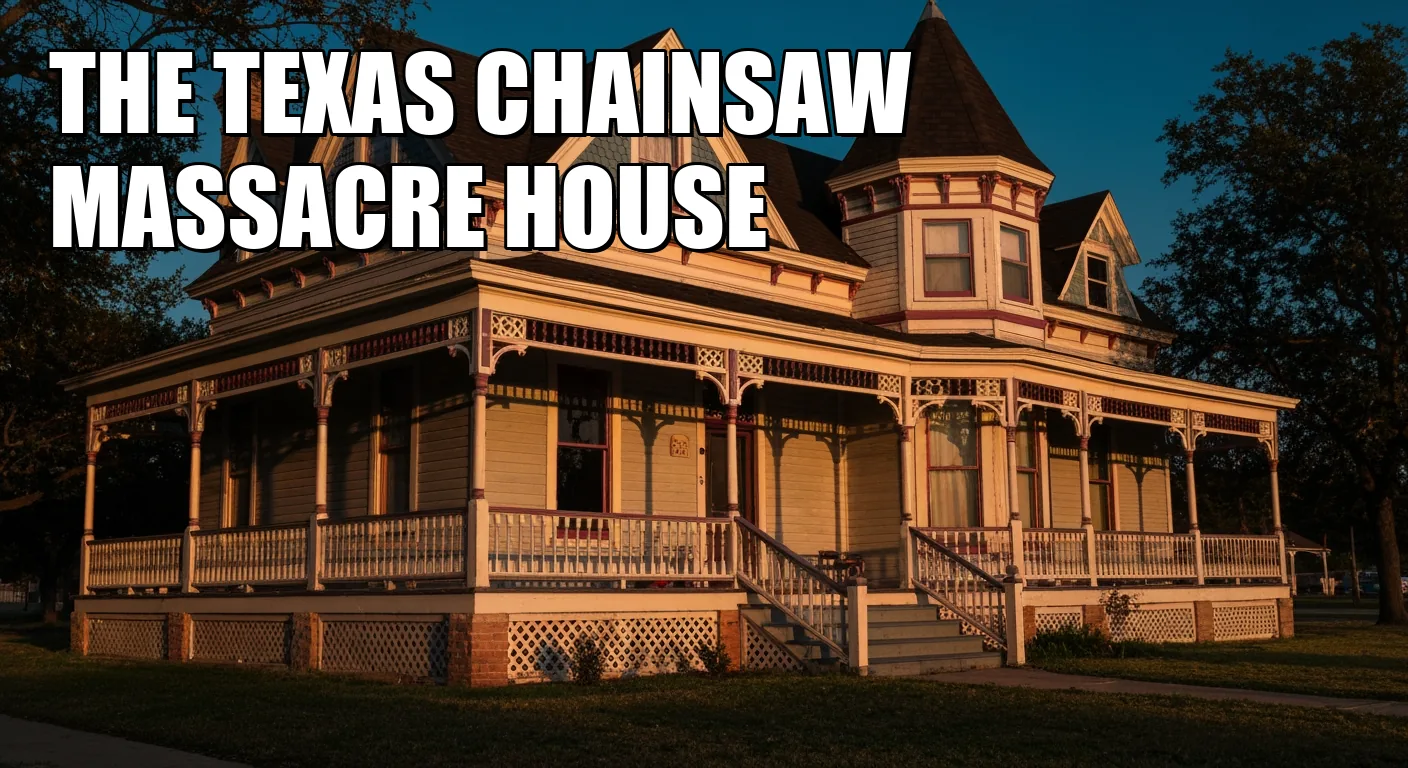
As a travel writer who’s chased history across the United States, I’ve learned that the most compelling stories often lurk just beneath the surface, behind the common narrative. When it comes to the infamous house from *The Texas Chainsaw Massacre*, the truth is far more intriguing, and frankly, less grimy, than most would ever imagine. Forget the decaying, bone-strewn nightmare of the film; the reality is a lovingly preserved Victorian home now serving up comfort food in Kingsland, Texas. This isn't just a roadside oddity; it’s a fascinating collision of cinematic legend, architectural history, and a savvy business venture. ### How a Horror Icon Found a New Home One might assume a house so integral to a horror masterpiece would simply rot away, a forgotten monument to cinematic terror. Yet, the original *Texas Chainsaw Massacre* house, a late-Victorian/early Edwardian Queen Anne-style cottage, refused to fade into obscurity. Its tale of survival began not in 1974, but in 1998, when the structure faced demolition in its original Round Rock location. The land it stood on was slated for a massive commercial development, La Frontera, sealing its fate unless someone intervened. Thankfully, someone did. Imagine the logistical nightmare: dismantling a century-old house, section by section, and moving it sixty miles across Texas. That’s precisely what transpired. The house was carefully taken apart into roughly six or seven large sections, each a puzzle piece of cinematic history, and transported to its new home in Kingsland. The subsequent multi-year reconstruction and restoration, meticulously overseen by master carpenter Anthony Mayfield, wasn't merely about reassembling a building; it was about resurrecting a piece of Americana, blending its macabre pop culture legacy with its intrinsic architectural charm. This wasn't a cheap, slapdash job; it was a commitment to preservation, transforming a cinematic landmark into a functional, welcoming space at The Antlers Inn hotel. It's a testament to the enduring power of both good architecture and unsettling cinema. ### Unearthing the Architectural Secrets Beyond the Scream What often gets lost in the grisly legend of *The Texas Chainsaw Massacre* house is its remarkable architectural pedigree. Before it became Leatherface's family abode, it was a "pattern book" home, likely designed by A.W. Selure, a French-American architect whose blueprints brought such elegant residences to life at the turn of the 20th century. This isn't just a generic farmhouse; it’s a beautiful example of Queen Anne style, built between 1908 and 1910. Its preservation, frankly, is a gift to anyone interested in early American residential architecture, not just horror buffs. Upon closer inspection, visitors will notice details that speak volumes about its original grandeur. The exterior boasts charming fish-scale upper siding and roofing, a decorative shingle pattern characteristic of the Queen Anne era that adds a whimsical touch many might not expect from a horror film set. Ornate gingerbread trim, intricate decorative woodwork, frames the windows and eaves, further cementing its period charm. Look closely at the chamfered corners, those elegantly cut-off edges with complex geometric detailing; they're a hallmark of the style. The house also features a generous front porch and a high-peaked, multi-gabled roofline, both signature elements that provide a sense of architectural drama long before any film crew arrived. Inside, the original character persists: soaring 12-foot-high ceilings (standard for homes of this vintage), transom windows above doorways allowing light to flow between rooms, and extensive wood moldings and paneling throughout. Even "bullseye" decorative trim, used as corner blocks and accent pieces, remains, showcasing the original craftsmanship. While some modifications were necessary during the house's move and reconstruction—walls altered, certain corners extended—the evidence of these changes is often visible in subtle variations in the original wood flooring details, a fascinating layer of the building's complex history. ### Trading Terror for Table Service: Dining in a Horror Icon Walking into the *Texas Chainsaw Massacre* house today, one experiences an odd, delightful dissonance. The chilling atmosphere of the film has been replaced by the warm, inviting scent of food and the gentle hum of conversation. The house now hosts Hooper's restaurant, a clever homage to director Tobe Hooper. Don't expect to wander aimlessly, however; self-guided tours are primarily available

while you are dining

, a pragmatic approach that keeps the business viable while satisfying curious fans. What's it actually like to dine where iconic horror unfolded? It's surprisingly pleasant, albeit with a constant undercurrent of morbid fascination. As you eat, you can explore the very rooms where some of the film’s most unsettling scenes were shot. The famous dining room, site of Leatherface’s grotesque family dinner, is now a functioning restaurant space, devoid of human bone furniture but undeniably resonant with its cinematic past. You can trace the path Leatherface took when he emerged from the hallway, or peer into the "bone-filled" room, now reimagined but still carrying echoes of its terrifying on-screen persona. Even the second-story window from which Sally Hardesty famously jumped to escape is marked, now safely protected with railings, reminding visitors of the sheer terror captured within these walls. It’s an experience that blurs the lines between historical appreciation and morbid curiosity, making you question whether the house itself still holds a lingering malevolence or if it's been thoroughly exorcised by good food and bustling patrons. ### Planning Your Pilgrimage: Navigating Kingsland’s Macabre Charm So, you’re ready to visit? A trip to Hooper's and The Antlers Inn requires a bit of planning, especially if you want to maximize your experience. The restaurant operates on varying schedules, which is crucial for visitors to note. On Mondays and Tuesdays, only the pub side is open from 11 AM to 8 PM, offering a more casual experience. The full restaurant opens its doors from 9 AM on Wednesdays and Thursdays, extending service until 9 PM. Weekends see early birds welcomed from 9 AM on Fridays and 8 AM on Saturdays and Sundays, with Friday and Saturday service stretching until 10 PM, and Sunday closing at 8 PM. Planning your visit around these distinct schedules is key, particularly if you're hoping for a full dining experience. If you’re seeking a truly immersive stay, The Antlers Inn, which houses the restaurant and the famous house, provides a range of unique lodging options across its eight-acre property. Beyond traditional suites (which, curiously, are restricted to guests 16 years and older, something to bear in mind if traveling with younger horror enthusiasts), you can book charming cottages, or even spend a night in a historic railroad car or a refurbished train caboose. Imagine sleeping in a

McKinley Coach

with a king bed and twin bunks, or a

casita

boasting a king bed, each offering a distinct, thematic experience. It’s a far cry from the cramped, terrifying quarters of the film. While current nightly rates aren't conveniently listed online, a quick call to The Antlers Inn at (325) 388-4411 or an email to [email protected] will secure the most accurate pricing and availability. Be aware that Kingsland accommodations generally range from $70-$100 per night, though March tends to be the priciest month, averaging around $160, while September offers the best value, closer to $60. A full deposit is required at booking, and state and local occupancy taxes will be added. Cancellation policies are fairly standard: 14 days prior for a $25 fee, 50% refund for cancellations between 48 hours and 14 days, and no refund if you cancel less than 48 hours before your stay. The blend of specific restrictions and the need for direct contact for pricing adds a layer of planning complexity that a spontaneous tourist might overlook. ### Why This Ghastly Gem Still Captures Our Imagination Why does a house that once instilled such profound fear continue to draw visitors, now in its domesticated, restaurant form? It's more than just a pilgrimage for horror fans; it’s a fascinating study in cultural longevity. The *Texas Chainsaw Massacre* house embodies the very essence of American independent cinema – raw, unsettling, and groundbreaking. Its relocation and restoration aren't merely about preserving a building; they’re about honoring a pivotal moment in film history, while simultaneously giving new life to a beautiful piece of early 20th-century architecture. This site challenges our expectations of a "horror attraction." Instead of a cheap jump-scare experience, you get a genuine exploration of a structure with two distinct, yet intertwined, legacies. You come for the film, but you stay for the surprisingly rich historical context and the sheer audacity of its transformation. It forces you to reconcile the terrifying fiction with the charming reality, making you ponder the power of storytelling and the resilience of physical spaces. Visiting isn't just seeing a movie set; it’s experiencing a cultural artifact that has, against all odds, been preserved, repurposed, and given a captivating second act. It stands as a testament to how even the most horrifying fictions can find a surprisingly palatable, and even delightful, place in our collective memory.
Ultimate Guide to Visiting the Texas Chainsaw Massacre House & Filming Locations

Can you visit the real Texas Chainsaw Massacre house?
Yes, the original 1974 house is now Hooper's restaurant in Kingsland, Texas, located at 1010 King Ct. Visitors can enjoy self-guided tours of the restored house while dining on Southern cuisine and themed cocktails.
What is the Texas Chainsaw Massacre house experience like?
Hooper's offers a self-guided walk-through experience where visitors can explore rooms featured in the original 1974 film while enjoying meals and handcrafted cocktails in this unique cinematic location.
Can you stay the night in the Texas Chainsaw Massacre house?
Overnight stays at the house are not regularly offered; however, special events hosted by organizations like On Set Cinema have occasionally provided overnight experiences with tours, meals, and activities priced around $375-$475.
Where is the Texas Chainsaw Massacre house located?
The original house is now located in Kingsland, Texas at Hooper's restaurant (1010 King Ct). It was originally filmed in Round Rock, Texas and moved approximately 60 miles to Kingsland in 1998.
What are the hours for visiting Hooper's and the Texas Chainsaw Massacre house?
Hooper's operates Monday-Tuesday 11am-8pm (pub side only), Wednesday-Thursday 9am-9pm, Friday 9am-10pm, Saturday 8am-10pm, and Sunday 8am-8pm.
Can you visit the Hewitt house from the 2003 Texas Chainsaw Massacre remake?
The Hewitt house is located at 901 County Road 336 in Granger, Texas, but it is private property and not open to public tours.
Is there a Texas Chainsaw Massacre Museum?
Yes, the Terror Vision Museum in Savannah, Georgia opened in October 2024 and features the Texas Chainsaw Museum exhibit with original artifacts and archival memorabilia from the 1974 film. Hours are Thursday-Monday, 12pm-7pm, with $25 admission.
Is The Texas Chain Saw Massacre house still open?
Yes, the house is still open as part of Hooper's restaurant in Kingsland, operating with regular dining and bar service, plus self-guided house tours for patrons.
Where is Leatherface from the Texas Chainsaw Massacre?
Leatherface is a fictional character from the film; however, the character's family home is recreated at Hooper's in Kingsland, where you can visit the filming location used in the 1974 movie.
Where was the Texas Chainsaw Massacre filmed in real life?
The 1974 film was primarily shot in and around Austin, Texas, with key locations including Round Rock (where the original house was located), Bagdad Cemetery in Leander, and various rural areas in Central Texas.
Where is the Texas Chainsaw Massacre store?
Official Texas Chainsaw Massacre merchandise is available online through the official store at store.thetexaschainsawmassacre.com, featuring t-shirts, hoodies, posters, and collectibles.
How much does it cost to visit Hooper's and tour the house?
There is no separate admission charge for the house tour; it's free for restaurant patrons. Visitors must purchase food and beverages at Hooper's to access the self-guided tour areas.
What should I expect when visiting the Bagdad Cemetery filming location?
Bagdad Cemetery in Leander, Texas is open to public visits and is located on the Texas Film Trails. This cemetery was used for the iconic opening graveyard scene in the 1974 film and remains accessible to visitors.
When should I visit Hooper's and the Texas Chainsaw Massacre house?
Visit during regular business hours any day of the week. Special themed events like 'Texas Chainsaw Massacre Weekend' are periodically hosted at Hooper's, offering enhanced experiences with increased activities and memorabilia displays.