
Unpacking Victorian Interiors: An Expert's Guide
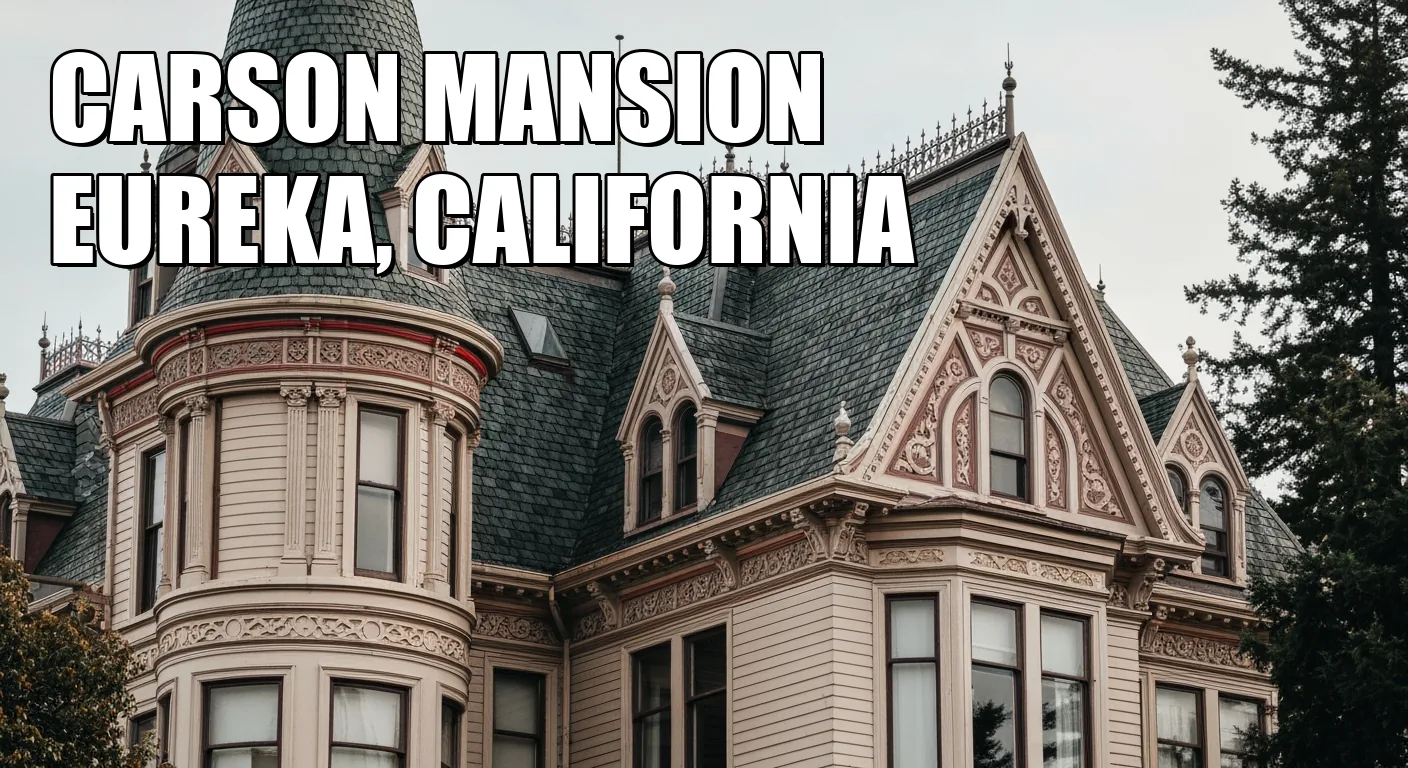
Have you ever walked into a preserved Victorian home, perhaps one that now operates as a museum, and felt a profound sense of overwhelm? The sheer density of pattern, the layered textures, the weighty furniture – it’s a lot to take in. Most people see clutter, or a charming if somewhat intimidating glimpse into a bygone era. I see a carefully orchestrated symphony of social aspiration and industrial innovation, a story told in every gilded cornice and tufted velvet sofa. After decades exploring these fascinating spaces across the United States, I’ve learned to peel back the layers, to understand not just *what* we see, but *why* it was there, and what it tells us about the people who called these opulent spaces home.
My journeys have taken me from the grand dames of San Francisco’s Alamo Square to the intricate townhouses of Boston’s South End, and the meticulously preserved manors of Galveston, Texas. What becomes clear, very quickly, is that the peak of Victorian interior design, roughly between 1870 and 1890, wasn't just about aesthetics; it was a furious, often competitive, display of wealth, taste, and technological triumph. This period, often called the High Victorian or Queen Anne era, moved far beyond the simpler lines of earlier decades, embracing a maximalist philosophy that's often misunderstood today. Forget the notion that these homes were uniformly dark and dreary; they were vibrant, alive, and startlingly complex.
The Illusion of Grandeur: What Victorian Interiors Really Taught Me
It's easy to dismiss Victorian interiors as simply "overdone." Many guides will describe the elements, but rarely delve into the *context* that made them ubiquitous. What I found, repeatedly, is that behind the perceived excess lay a deep appreciation for craftsmanship, coupled with a booming industrial capacity that made such ornamentation affordable for a burgeoning middle class. The "grandeur" wasn't always an illusion of inherent value; sometimes it was a marvel of mass production designed to *look* like bespoke luxury. When planning your own visit to one of these historic marvels, go in with an open mind. Don't just scan the room; linger, scrutinize the details, and imagine the lives lived within those walls. Expect to pay an admission fee, usually somewhere between $15 and $30 for a well-maintained site, and be prepared for potential parking challenges in urban centers—weekdays, especially mornings, are your best bet to avoid the weekend crush and school groups.Wallpaper: Beyond the Faded Florals You Expect
Perhaps no single element defines the Victorian interior more definitively than wallpaper, and its story is one of fascinating technological progress. When you enter a meticulously restored parlor, your eye might be drawn to the intricate patterns, but few pause to consider the revolution this material represented. Originally, papering a room was a costly, painstaking endeavor. But thanks to innovations like the continuous paper roll machine, commercially viable by 1830, and Charles Harold Potter’s four-color roller printing machine in 1839—a marvel capable of churning out 400 rolls daily—wallpaper became astonishingly accessible. The discovery of aniline dyes in 1856 further democratized color, expanding options while driving prices down even further. Suddenly, elaborate designs weren't just for the aristocracy. Don't mistake the busy patterns for a lack of design philosophy. The 1870s and 1880s saw a fascinating tension between two dominant aesthetics. There were the flamboyant, *trompe l'oeil* floral and leaf motifs, often influenced by Gothic revival designs, which appealed to a broad middle and upper-class taste for realistic, often expensive-looking naturalism. Then there was the burgeoning Morris movement, spearheaded by William Morris himself, which staunchly rejected what he considered "gaudy" imitations. Morris championed stylized, flatter, often interlocking designs, first produced as exclusive handblocked papers for the fashionable elite. By the late 1880s, the market was flooded with large, trailing floral designs in simplified color schemes—a sort of "Morris on the cheap," making sophisticated patterns available even to working-class homes. When you visit, look closely at the patterns: are they realistic or stylized? Do they seem to repeat endlessly, or are they carefully arranged? This distinction tells a rich story about who lived there and what they aspired to.Fireplace as a Stage: More Than Just a Hearth
In any Victorian parlor, the fireplace was undeniably the gravitational center of the room. It wasn't merely a source of heat; it was a grand architectural statement, a canvas for artistic expression, and a focal point for social gatherings. Early Victorian fireplaces in the 1860s often relied on fine mortar rendering, but by the 1870s, mass-produced tiles began their ascent to ubiquity. This wasn't a slow creep; it was an explosion. Majolica tiles, first showcased at London's 1851 Great Exhibition, truly hit their stride in the 1870s and early 1880s, becoming an instant sensation. Imagine the impact of these glossy, vibrantly colored pieces, featuring naturalistic motifs like birds, flowers, and foliage, often rendered through a combination of hand-painting and transfer printing. Mantels themselves evolved into intricate works of art. Upper-class homes frequently featured elegant, durable marble, while others showcased dark woods such as oak and mahogany, often deeply carved with scrollwork, floral motifs, and geometric patterns. Techniques like inlay, gilding, and marquetry transformed these utilitarian structures into veritable sculptures. Beyond Majolica, you'd find encaustic and transfer-printed tiles, allowing for incredible detail and consistency through mass production. Brands like Royal Doulton and Mintons became household names, their artistry gracing countless homes. Next time you stand before a Victorian fireplace, don't just see a hole in the wall. See the intricate interplay of materials, the story of industrial craftsmanship, and the social statement it made. What was the family trying to convey with their choice of marble or carved oak, vibrant Majolica or subtly patterned encaustic?Looking Up: The Unexpected Drama of Ceilings and Cornices
While most visitors gaze at eye-level or downwards at the furniture, a true appreciation for Victorian design demands you crane your neck and look *up*. The ceiling was far from an afterthought; it was an integral part of the decorative schema, especially during the 1870-1890 period. The technological advancements that made wallpaper cheap also transformed plasterwork. Before the mid-19th century, elaborate cornices and ceiling roses—the decorative elements from which light fixtures were suspended—were painstaking, custom jobs. But the introduction of gelatine molds at the 1851 Great Exhibition and the invention of fibrous plaster in 1856, a lighter, stronger material, allowed these ornate components to be cast off-site and transported, making intricate designs much more accessible. Suddenly, a wide array of patterns could be applied: delicate dentil molding with its evenly spaced rectangular blocks, the classic egg and dart pattern, or elaborate rosettes. Crown molding, installed at the wall-ceiling intersection, became a standard feature in primary rooms, often complementing the more intricate cornice work around ceiling roses. These weren’t just pretty additions; they were part of a cohesive design vision, framing the upper reaches of a room and often serving to direct the fumes from gas lights upwards through grilles. It’s a subtle detail most guides overlook, but it speaks volumes about the practical considerations blended with aesthetic ambition. However, as wallpaper became increasingly dominant after 1880, taste shifted slightly towards simpler plaster moldings, allowing the busy walls to take center stage. This ebb and flow of preference, driven by both fashion and technological shifts, is a fascinating nuance to observe.Light and Privacy: The Enduring Allure of Stained Glass
The vibrant, jewel-toned glow of stained glass windows is often associated with grand cathedrals, but its revival in the 19th century brought this exquisite art form right into American homes. A significant resurgence began in Britain in the 1830s, fueled by investigations into reproducing the rich, pure colors of medieval glass. By the late 1800s, coinciding with the Arts and Crafts movement, residential stained glass became incredibly popular, gracing homes in the Queen Anne and Craftsman styles, especially between 1880 and 1890. This wasn't just about beauty; it served a dual purpose, offering both privacy in an increasingly crowded urban landscape and a means to filter natural light into a spectrum of artistic expression. Imagine a parlor filled with the soft, shifting hues of light passing through intricate panels. Victorian and Queen Anne examples often featured ornate floral patterns, elaborate borders, and asymmetrical designs—a reflection of the era's decorative exuberance. Craftsman-style windows, a distinct but overlapping trend, tended towards simpler geometric patterns and nature-inspired motifs, often depicting oak trees or acorns in earthy tones. These weren’t just random panes of colored glass; they were carefully constructed puzzles, with individual pieces held together by lead strips, or "came," allowing for immense complexity. Look closely at the windows when you tour a home; are they original? What do their patterns tell you about the house’s style and the owner’s taste? A genuine piece of period stained glass, often found in exterior windows of parlors, dining rooms, and entryways, can command attention like a painting, transforming a simple window into an artistic focal point.Sink Into Sumptuousness: Button-Tufted Furniture’s Forgotten Comfort
Finally, consider the furniture, particularly the heavily upholstered, button-tufted pieces that epitomize Victorian comfort and luxury. While tufting originated centuries earlier, the Victorian era, particularly our 1870-1890 sweet spot, saw its grand resurgence. This wasn't merely a stylistic choice; it was initially a practical innovation to keep the voluminous horsehair and stuffing in place on wooden frames. But with advancements in furniture production during the Industrial Revolution, and technical improvements like deep buttoning and coil-sprung seats, tufting transformed into a hallmark of elegance, accessible to a wider audience. Step into a Victorian drawing-room and you're greeted by an array of overstitched, button-back armchairs, conversation chairs (often S-shaped for intimate tête-à-têtes), chaise lounges, and ottomans. These pieces were statements, crafted from dark woods like mahogany and rosewood, often featuring elaborate carvings, curved lines, and additional embellishments such as tassels and fringing. The fabrics themselves were chosen for their richness: dense brocades, damasks, velvets, and needlepoint, frequently in vibrant colors and almost always featuring floral patterns designed to harmonize with the equally floral wallpapers. This wasn't just furniture you sat on; it was furniture you sank into, a visual and tactile display of the era's valuation of beauty, craftsmanship, and a certain kind of opulent domesticity. It reminds us that "comfort" in the Victorian age often meant a different kind of support, enveloped in lavish textiles, unlike our modern minimalist sensibilities.Beyond the Big Five: What Else Piled Up in a Victorian Parlor?
While wallpaper, fireplaces, ceilings, stained glass, and upholstered furniture formed the backbone of Victorian interior design, they were rarely alone. These homes were temples to accumulation. Marble statues and busts of classical figures, often reproductions of Greek and Roman antiquities, were considered essential for an educated household, typically gracing mantelpieces and bookshelves. Ornate chandeliers, gas-lit until the 1890s when electric Tiffany lamps began to emerge, cast their glow over the scene. Decorative ceramics, from majolica objects to intricate porcelain, served as both functional and aesthetic pieces, filling every available surface in parlors and display areas. Collectively, these elements created the densely layered, texture-rich aesthetic that defined authentic peak-era Victorian interior design. It was a conscious effort to fill every space, to demonstrate refinement, knowledge, and prosperity. When you visit these homes today, don't just see "stuff." See a narrative of the era, a testament to technological progress, and a window into the social aspirations of a rapidly changing America. These are spaces that reward careful observation, offering surprising insights into a period that, for all its perceived opulence, was also incredibly inventive and forward-thinking.Exploring Victorian Elegance: Your Complete Guide to Historic Interiors Across America
What is the 3-5-7 rule in interior design?
The 3-5-7 rule is a visual styling principle that guides you to group decorative items in odd numbers—arranging small items in groups of three, medium-sized items in groups of five, and larger collections in groups of seven to create visual balance and harmony without overwhelming the space.
What is the 70/30 rule in interior design?
The 70/30 rule suggests that 70% of a room should be dominated by a primary design element (such as a color or furniture style), while the remaining 30% should feature accent elements and contrasting textures to create visual interest and prevent monotony.
What is the 60/30/10 rule for painting?
The 60/30/10 rule allocates 60% of your room to a dominant color, 30% to a secondary color or texture, and 10% to an accent color that provides a pop of visual interest.
What was the interior design like in the Victorian era?
Victorian interior design was characterized by opulence, heavy ornamentation, rich dark colors in early periods and lighter pastels later, luxurious fabrics like velvet and silk, patterned wallpapers, elaborate wood carvings, potted plants, and abundant decorative objects reflecting the owner's wealth and status.
Why were Victorian interiors so dark?
Victorian interiors were dark because glass was expensive, limiting window size for heat retention; heavy velvet curtains were deliberately drawn to protect expensive furnishings from sun damage and to maintain warmth during the gaslight era.
Part of 🏛 Architecture Styles
Architecture Styles
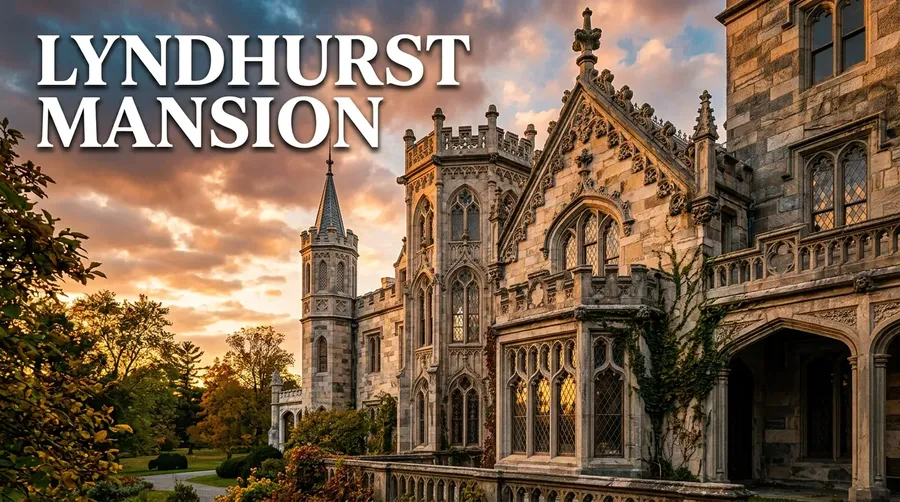
Gothic Revival Architecture: What the Street Can—and Cannot—Tell You
A three-level field test separates visible Gothic Revival evidence from a style hypothesis and the dates, authorship or alterations that require records.

Architecture Styles
Greek Revival Without Columns: A Confidence Test
Greek Revival can survive without a portico. Use roofline, entablature, entrance, wall plane, date and later alterations to state confidence.
Architecture Styles
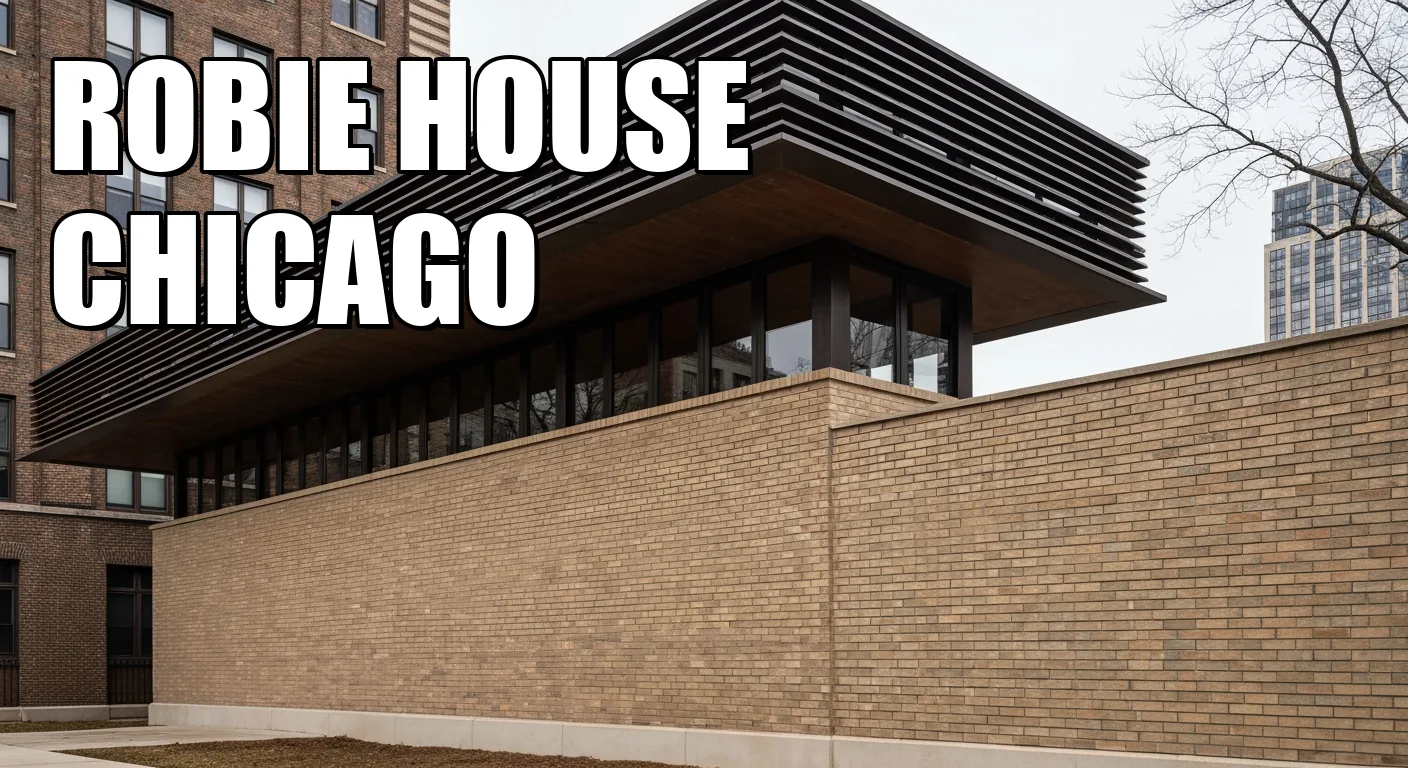
Prairie Style Architecture: How to Spot the Style in American Houses
A practical guide to Prairie Style architecture in the United States, with the roof, window, massing, and site cues readers should compare from the street.