
Unraveling Under the Tuscan Sun's Villa Mystery
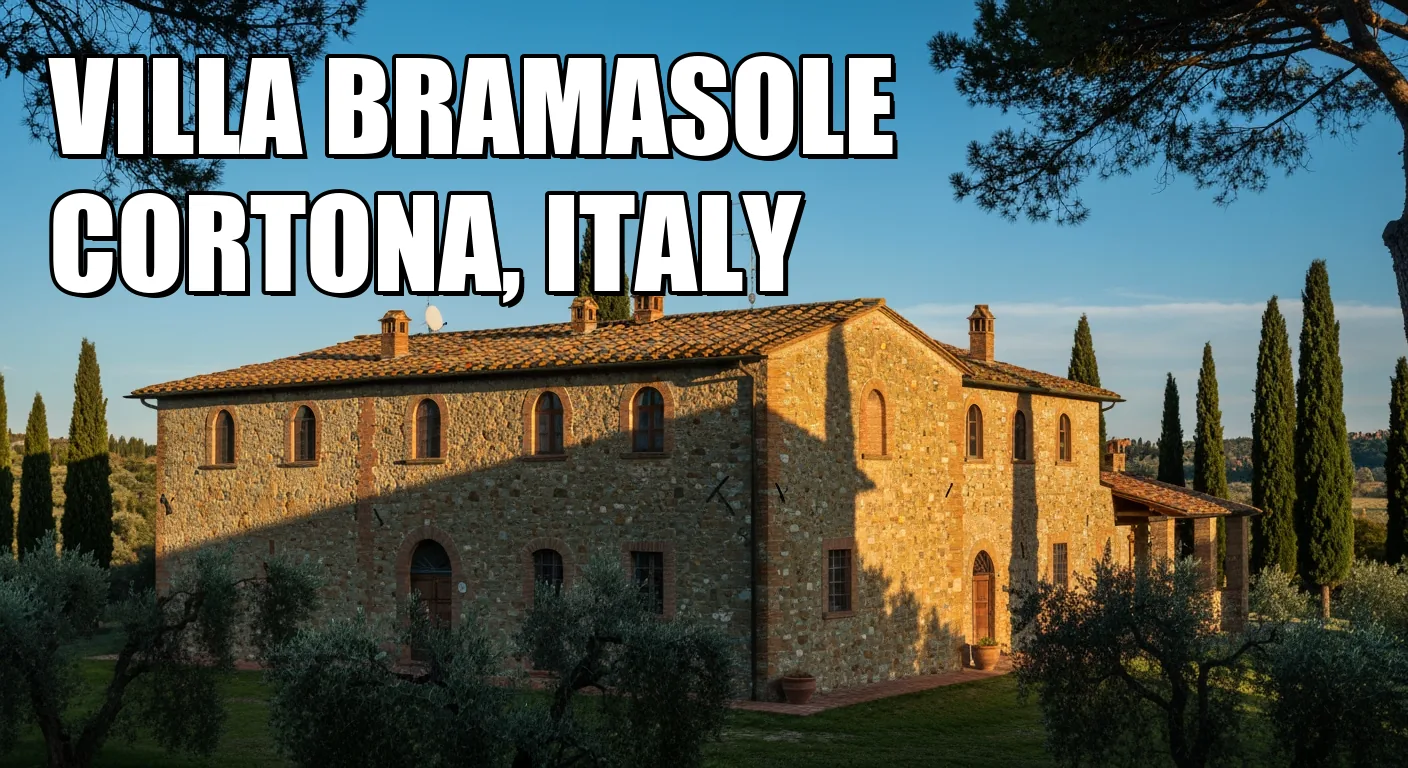
For years, the enduring allure of Frances Mayes’ *Under the Tuscan Sun* has captivated dreamers, romantics, and more than a few frustrated urbanites. Who among us hasn't imagined stumbling upon a dilapidated villa in the Italian countryside, brimming with untold stories and needing only a little love to transform into a sun-drenched sanctuary? This enchanting narrative created a pilgrimage route of sorts, drawing countless visitors to Cortona, all hoping to touch a piece of that magic. Yet, the reality of "Bramasole" – the villa at the heart of Mayes' transformation – is often misunderstood, obscured by Hollywood's necessary embellishments and the sheer romance of the tale.
### The Real Bramasole: A Private Sanctuary, Not a Rental Dream
Let's cut right to it: the actual Villa Bramasole, the one Frances Mayes bought in 1990 and meticulously restored, is not available for rent. Period. It remains her intensely private residence, a writing haven that has inspired subsequent books and a life lived deeply in Italy. This is a crucial distinction that many would-be visitors miss, imagining they can simply book a stay in the very house where Mayes discovered hidden frescoes and wrestled with ancient plumbing. The disappointment is palpable when they learn the truth, but understanding its true nature only enhances the legend.
Walking the winding lanes near Cortona, you might glimpse its terracotta roofline peeking through olive groves, and that's often as close as you'll get. Mayes acquired the property when it was a grand wreck, about 200 years old – dating back to the late 1790s or early 1800s – and severely neglected. Its very name, Bramasole, which means “yearns for the sun,” perfectly captures its spirit and the journey of its rebirth. The surrounding land, too, held whispers of history, with an ancient Etruscan stone wall nearby, grounding the villa not just in Tuscan soil, but in millennia of human habitation.
Over decades, Mayes and her husband, Ed Kleinschmidt, undertook a painstaking restoration that went far beyond mere renovation. Imagine the sheer thrill of stripping away layers of paint and plaster in the dining room only to uncover a Renaissance fresco, still vibrant, depicting the rolling landscape of Lake Trasimeno and the distant Apennine Mountains. This wasn't a superficial makeover; it was an archaeological excavation of their own home, revealing its true character. They modernized the kitchen in 2015, yes, but always with an eye toward preserving the villa’s soul, maintaining original elements while making it livable. Even mundane tasks, like chipping away baby-blue tile from a fireplace, brought revelations, exposing the genuine structure beneath. Their efforts extended to the gardens, transforming overgrown brambles and an old vineyard into a harmonious blend of traditional Italian design and contemporary sensibility.
### The Cinematic Charmer: Villa Laura's Hollywood Role
So, if Mayes’ Bramasole isn’t the one you see on screen, which villa is? That distinction belongs to Villa Laura, the true star of the 2003 film *Under the Tuscan Sun*. This is a critical piece of the puzzle, and one that often catches first-time cinematic pilgrims by surprise. Hollywood, ever practical, needed a villa that *looked* like a ruin for the movie's initial scenes, a canvas onto which Frances's journey of renovation could be projected. Since Mayes’ own Bramasole was already a beautifully restored home by the time filming began, Villa Laura perfectly fit the bill for the neglected dream.
Villa Laura boasts its own fascinating history, predating Mayes' villa by centuries. Constructed in 1504, or the early 16th century, it once belonged to descendants of the illustrious Doria family of Genoa, a lineage steeped in naval power and Italian aristocracy. The villa was purchased in 2006 by the owners of Cline Cellars and Jacuzzi Wineries, two prominent California families, who then embarked on their own extensive renovation project from 2006 to 2010. Their vision was to transform the movie set into a luxurious, operational rental property, capable of accommodating large groups.
Today, Villa Laura is precisely what many travelers *think* they're looking for when they utter "Under the Tuscan Sun villa." It's a grand estate, accommodating up to 20 guests across 10 bedrooms and 10.5 bathrooms, available for weekly luxury rentals. Picture sprawling grounds, elegant interiors, and all the modern amenities one could desire, wrapped in the rustic charm and cinematic grandeur that made it famous. If your dream is to reenact scenes from the movie, to dine in a space that once framed Diane Lane's emotional journey, this is absolutely your destination. Expect to pay a premium for this experience, however; this isn't a budget-friendly option, and booking a year in advance for peak season (June-August) isn't just wise, it's virtually mandatory, as it frequently sells out.
### Navigating the Namesake: Another "Bramasole" Emerges
The plot thickens, as it so often does in Italian travel, with the existence of yet *another* rental property also bearing the name "Villa Bramasole." This is where the casual searcher can easily get confused, mistaking one for the other or assuming any "Bramasole" is *the* Bramasole. This particular rental villa, located in Rigomagno, is a charming, more modest option, offering 5 bedrooms and 4 bathrooms, comfortably sleeping 10 people. It’s a wonderful villa in its own right, undoubtedly a beautiful Tuscan escape, but it is distinctly separate from both Frances Mayes’ private home and the cinematic Villa Laura.
This "Rigomagno Bramasole" typically lists at around €244 per night, translating to roughly €1,708 for a week-long stay. While significantly more accessible price-wise than Villa Laura, it’s important for visitors to understand that this isn’t the villa of the book, nor the villa of the film. It's a testament to the popularity of the name and the enduring romantic image it conjures. Before booking anything, always cross-reference locations, photos, and descriptions with meticulous care. Don't let a shared name lead you astray from your specific Tuscan fantasy.
### Crafting Your Tuscan Fantasy: Practicalities and Purpose
Before you pack your bags and book a flight to Florence, a moment of introspection is well-advised. What kind of Tuscan experience are you *truly* seeking? Is it the quiet contemplation and literary pilgrimage inspired by Frances Mayes’ personal journey? If so, understand that her villa is off-limits, but Cortona itself, with its charming piazzas, local markets, and breathtaking views, offers ample opportunities to soak in the atmosphere that captivated her. Strolling through the town, perhaps even taking a cooking class or simply savoring a lengthy espresso, will immerse you in the authentic rhythm of Tuscan life.
Perhaps your vision is more aligned with the cinematic glamour, dreaming of grand dinners with friends in a stunning, fully catered setting. In that case, Villa Laura is your target. Be prepared for luxury pricing and competitive booking, particularly during the shoulder seasons of May, June, September, and early October, which offer the best weather without the intense heat and crowds of mid-summer. Expect to coordinate with a rental agent, as these high-end properties rarely offer instant online booking. Costs will vary wildly based on the time of year and duration, but plan for several thousand euros per week, at minimum.
If your budget is more constrained but you still crave the villa experience, exploring properties like the "Villa Bramasole" in Rigomagno, or countless other beautiful villas scattered across Tuscany, is a perfectly viable and rewarding path. The region is dotted with spectacular farmhouses and estates, many of which embody the very spirit of Tuscan living, even if they lack the famous name. The key is to be specific in your search terms, perhaps focusing on villas *near Cortona* if location is paramount, or simply "Tuscan villa rentals" to open up a world of possibilities. A reputable local rental agency can be an invaluable asset in navigating the myriad options.
Ultimately, the magic of *Under the Tuscan Sun* isn't solely tied to a single set of stone walls. It’s about the spirit of adventure, the courage to embrace change, and the profound beauty of Italy itself. Whether you find yourself in the shadow of Mayes’ private Bramasole, reveling in the luxury of Villa Laura, or discovering your own unnamed Tuscan gem, the true journey lies in allowing Italy to work its transformative spell upon you. Don't be fooled by the names; be guided by the dream.
Your Complete Guide to the Villa from Under the Tuscan Sun
Is the house from Under the Tuscan Sun real?
Yes, the inspiration for the story is very real—Frances Mayes purchased an actual 16th-century villa called Bramasole in Cortona, Italy, and restored it. However, the villa used for filming the 2003 movie was a different property called Villa Laura, as Bramasole had already been renovated when the production needed a "ruin" to film.
Where is the villa in Under the Tuscan Sun?
The real Bramasole is located near Cortona, a medieval hilltop town in Tuscany, Italy, approximately 2 kilometers from the city center. Villa Laura, the property used in the film, is also situated just outside Cortona's walls.
Can you visit the villa from Under the Tuscan Sun?
The original Bramasole is a private residence owned by Frances Mayes and is not open to tourists for interior visits, though it can be viewed from the public road nearby. However, Villa Laura (the filming location) is available to rent as a vacation property.
Can you rent the house from Under the Tuscan Sun?
Yes, you can rent Villa Laura, the 10-bedroom property used for filming, through vacation rental services for €19,000 per week minimum (sleeps up to 20 guests). The villa features the restored farmhouse and main house with period furnishings, gardens, pool, and Jacuzzi.
How much was the villa in Under the Tuscan Sun?
Frances Mayes purchased the original Bramasole for approximately $140,000 in the 1990s, though she invested significantly more in renovations over the years.
Part of 🎬 Stay Where They Filmed
Film & TV Locations
Home Alone Filming Locations: What You Can Actually Visit
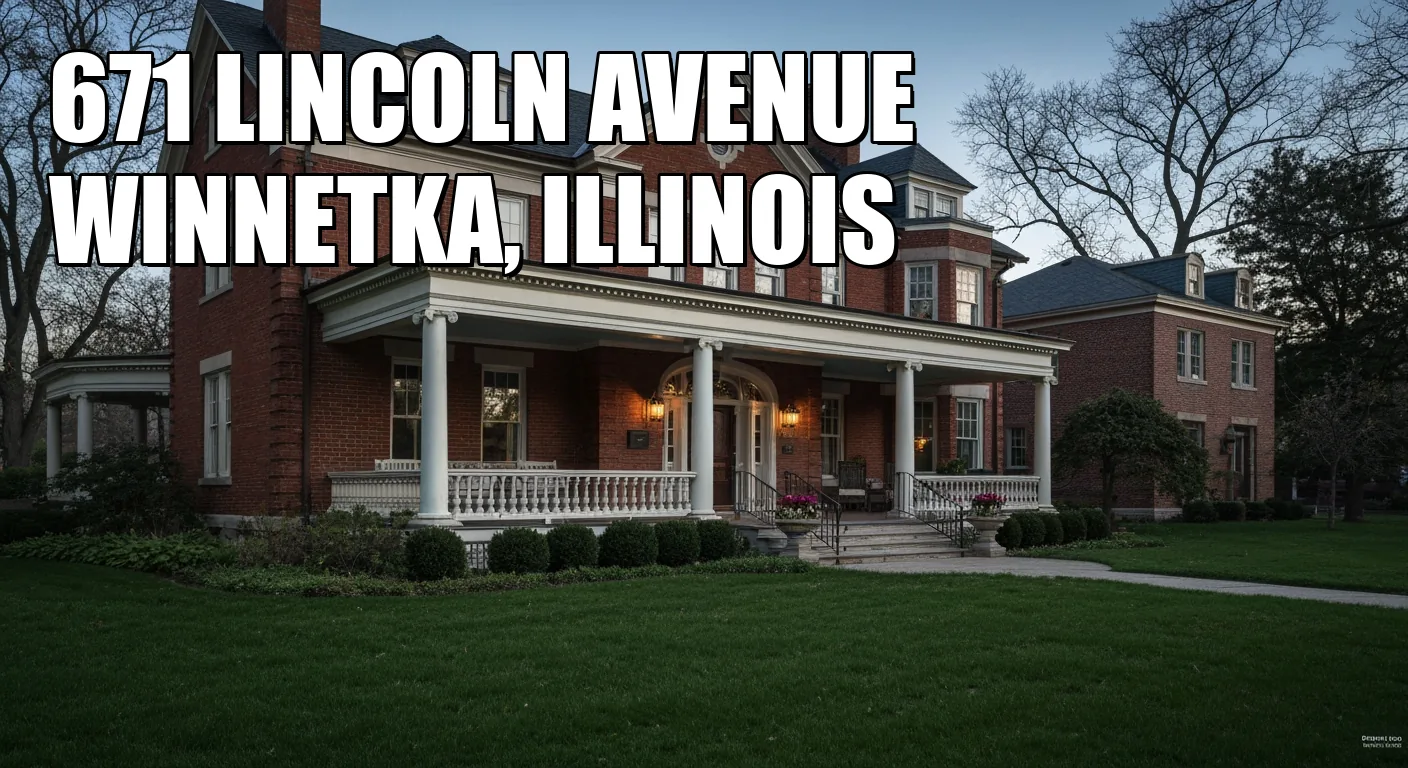
The McCallister home is split across a private Winnetka exterior, school-built interiors, two working churches, Hubbard Woods and post-security O’Hare. Here is the route that respects each boundary.

Film & TV Locations
Beverly Wilshire Hotel: Pretty Woman, Suites, and Whether It Is Worth Staying
The Beverly Wilshire is the real Pretty Woman hotel, but the better question is whether Beverly Hills is the version of Los Angeles you actually want. Here is what the stay really offers.

Film & TV Locations
Sopranos Filming Locations: What Still Exists in New Jersey
Five famous Sopranos stops now mean five different things: a public restaurant with a replacement booth, an opening-credits pizzeria, a private house, an uncertain club and a demolished set.
From the author of this guide
Check In After Dark
One writer checks into the rooms with the stories — Stanley 217, Banff Springs 873, the Del's 3327 — and reports what the night is actually like.