Expect a guaranteed ghost in Room 217. Reality: America’s “top haunted hotels” sell documented trauma plus marketing—cancer fraud basements, wartime collisions, hospital bones under floors—repackaged as premium “spirited” inventory. Cash rates often cluster ~$150–$400; October and brand rooms spike higher. 2026 concrete question: do you buy a $30 day tour or a $350 lore room—and can you separate fact from FAQ folklore?
This index rates grandeur, history density, tour-without-stay access, and skeptic value across Stanley, Crescent, Queen Mary, Congress Plaza, Hawthorne, Omni Parker House, and Marshall House.
Day-tour product: haunt without the mattress
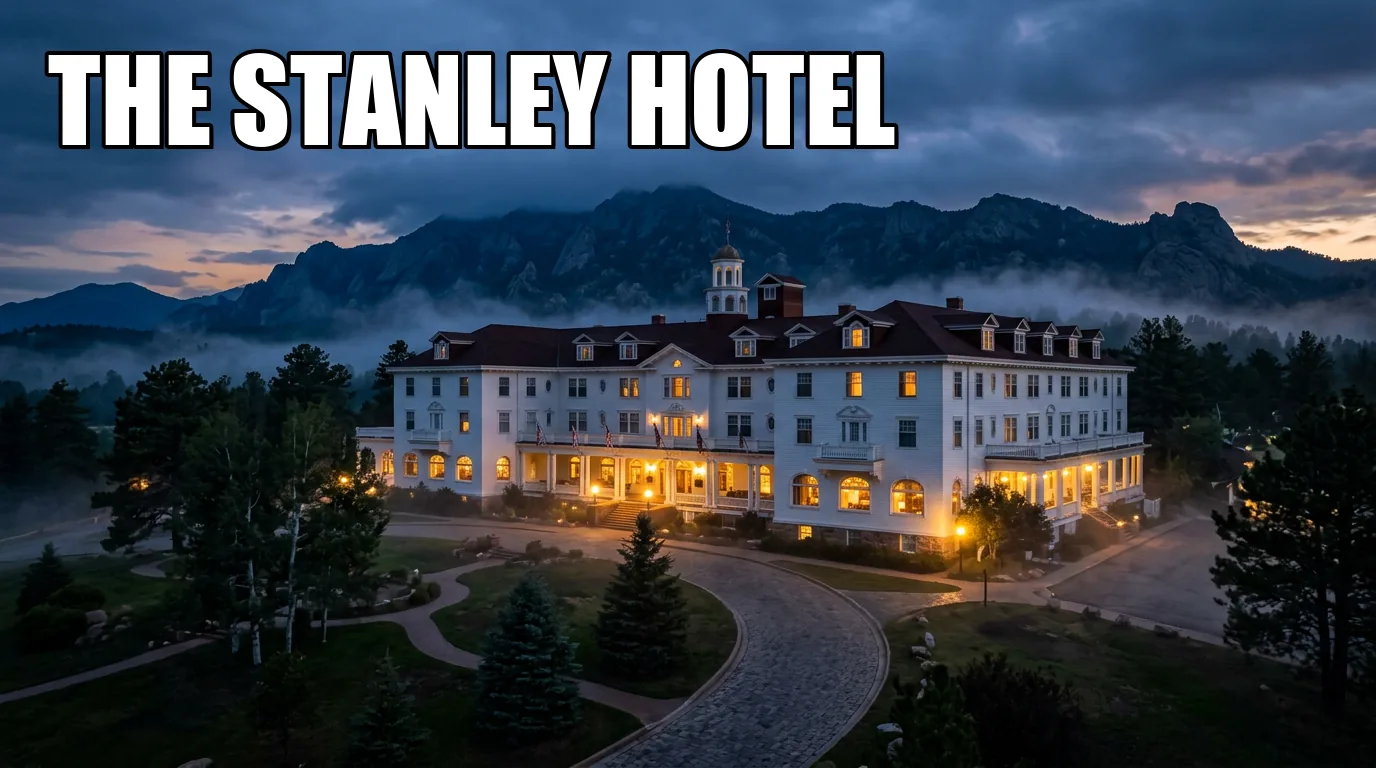
Stanley Hotel (Estes Park): 60-minute Ghost Tour ~$30; Shining Tour same band; ages often 8+. Rooms ~$250 average; Room 217 phone-premium ~$350. You can day-visit without overnight. Free parking for hotel guests; day visitors may pay lot fees by season.
Crescent Hotel (Eureka Springs): rooms ~$180 (promo premiums sometimes ~$129); ghost tours ~$29.50 regular / $35 expanded / $39.50 midnight investigation / $15 kids. Murder Mystery Weekend ~$525 pp two nights. Midweek packages stack tour tickets with spa/food credits.
Queen Mary (Long Beach): public Haunted Encounters, Paranormal Ship Walk, late Graveyard Tours—day tickets without cabin stays. Wartime history under the PR (1942 Curacoa collision, watertight-door deaths); modern haunt branding amplified when Disney ran tourism ops.
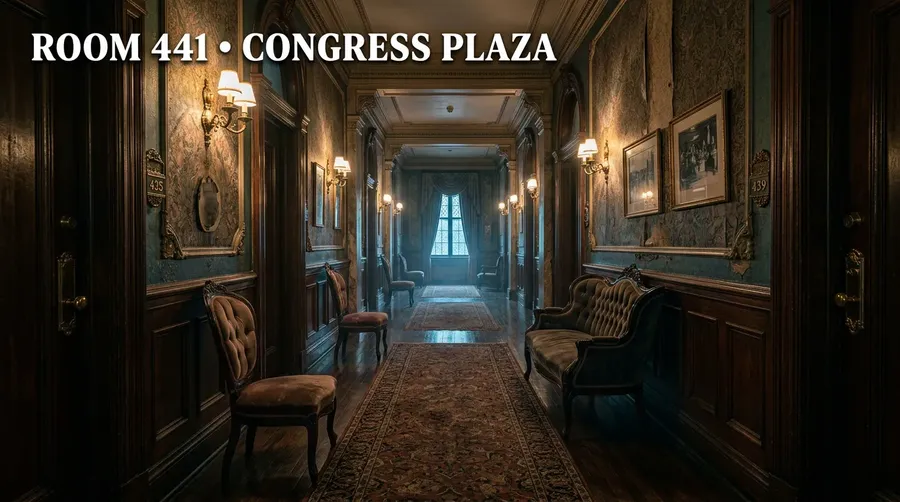
Congress Plaza (Chicago): rooms ~$101–$254; parking ~$62/night; early check-in ~$49; late out ~$59. Original Chicago Hauntings coach tour meets at hotel ~$49 + tax. Hotel-hosted séance-style events also sell day tickets.
Hawthorne (Salem): free guest parking (first-come); venue for Haunted Footsteps and other walking tours—overnight optional for Common-front location.
Overnight grandeur with price spikes
Omni Parker House (Boston): rates often start ~$309–$358+; downtown historic hotel with long lore, not a $30 tour desk product. Marshall House (Savannah): ~$220/night; yellow fever / Civil War hospital history plus 1999 bones under floors during renovation. Jerome Grand (AZ) remains a budget-leaning frontier hospital conversion with elevator lore—affordable relative to Parker House.
October: premium pricing and sellouts. January: quieter rates. “Haunted” rooms are sometimes awkward layouts rebranded for higher rack—confirm the view and noise before you pay the premium.
Fact vs. lore: trauma is not a gimmick freebie
Crescent: 1937 Norman Baker cancer hospital fraud—no medical training, basements morgue, exploitation of the dying—sold today as Theodora-folds-clothes tours. Skeptics flag ethical weight. Queen Mary: troopship collision killed 300+; engine-room crush deaths documented. Marshall House: epidemics and amputations; bones under boards. Congress Plaza: Capone suite ownership is myth; Adele Langer’s 1939 fall with sons and Captain Ostheim’s accidental shooting are hard tragedy. Jerome Grand: United Verde Hospital for mining accidents, not a Disney haunt script.
Skeptic frame: old pipes, drafts, sound transmission, confirmation bias. Expectancy sells. Documented history still rewards a stay if you read plaques harder than ghost apps.
Ratings: grandeur, history, access, ethics
Architectural grandeur — 8/10 Stanley/Crescent/Queen Mary façades and public spaces. Documented history density — 9/10 Crescent hospital fraud, Queen Mary war, Marshall bones, Congress tragedies. Day-tour access — 8/10 Stanley $30, Crescent $29.50+, Queen Mary ship walks, Chicago coach $49. Paranormal evidence — 2/10 as science; high as hospitality product. Ethics of trauma tourism — 4/10 when morgue parties eclipse victims; better when guides name real history first.
Three ways to book
1) Tour-only skeptic: Stanley Ghost Tour $30 or Crescent $29.50; sleep cheap off-property. 2) Overnight brand room: 217-class premiums only if you want the story; bring earplugs. 3) City-base haunt: Congress Plaza + $49 coach; Hawthorne free park + walking tour; Parker House for Boston history rates without ghost gimmick dependency.
Practical packing list for grandeur without gullibility: earplugs, flexible October budget or a January booking, and a rule that you read the hotel’s real history page before the ghost FAQ. If a property sells midnight morgue investigations, treat it as entertainment with ethical friction—especially at Crescent. If Capone is the headline, dig for the Langer tragedy instead. If Disney-era PR built the haunt brand, still walk the Queen Mary’s steel if wartime history is your real product.
Compare stay value across cities: Congress Plaza can undercut coastal rates but parking ~$62 erodes the deal; Parker House prices like a flagship business hotel with lore on the side; Marshall House sits mid-pack for Savannah location plus hospital archaeology; Stanley’s tour is the efficient Shining education without the Room 217 premium. Stack a city walking tour (Salem, Chicago, Boston) with a hotel lobby drink instead of stacking three midnight investigations in one weekend.
Who yes: history travelers, October avoiders (or October budgeters with earplugs), day-tour collectors. Who no: light sleepers in thin old walls without earplugs; anyone expecting lab-proof ghosts for $350; families of young kids at midnight morgue products. Bottom line: Ghostly grandeur is real hotel architecture and real American trauma—priced like luxury lore. Buy the $30 tour first; upgrade the mattress only if the building, not the brochure ghost, is why you came.
The Cornerstone Brief
One historic place, once a week — what it is, why it matters, whether it's worth going. No filler, no paid placements.
Coming soon. Unsubscribe any time.