Photo by James Whitfield for Cornerstone Mansion · December 8, 2025
For decades, a visit to a historic plantation in the American South often meant stepping into a carefully curated fantasy. We were invited to admire architectural grandeur, marvel at antique furniture, and perhaps ponder the lives of the wealthy landowners, all while the brutal realities that built these empires remained unspoken, relegated to a footnote or an uncomfortable silence. Many still picture antebellum grandeur, expecting a gentle stroll through manicured gardens, a polite nod to history. They're in for a jolt.
The landscape of historic plantation tours is undergoing a profound, essential transformation. A new generation of sites, guided by rigorous scholarship and an unwavering commitment to truth, are actively dismantling the "moonlight and magnolias" myth. They are moving beyond the owner-centric narrative, replacing it with an unflinching, ethically responsible, and deeply human focus on the enslaved men, women, and children whose labor and lives formed the very foundation of these estates. This isn't just a shift in interpretation; it's a reorientation of our collective historical lens, made possible by innovative digital tools and, most importantly, authentic collaborations with descendant communities.
Why Technology Now Leads Us Through the Past's Dark Corners
Imagine walking the grounds of a historic estate, your phone acting not as a distraction, but as a portal. This isn't some gimmick; it's the cutting edge of historical interpretation. Digital humanities tools are revolutionizing how visitors engage with the often-silenced histories of enslavement, making the past visceral, personalized, and, for the first time, truly research-driven. These aren't just fancy apps; they're essential keys unlocking narratives previously hidden in plain sight.
Take Monticello’s "Slavery at Monticello" App. Available free on iOS and Android, this ingenious application transforms your smartphone into a location-aware storyteller. As you move along Mulberry Row—the once-bustling industrial heart of Jefferson's plantation where enslaved people lived and labored—the app leverages iBeacon and geolocation technology. It automatically triggers multimedia stories: first-person narratives unearthed from archives, expert commentary, and poignant interviews with descendants. It’s a powerful, almost haunting experience, turning an otherwise invisible landscape into a vibrant, if painful, tapestry of individual lives. This technology doesn't just inform; it immerses, ensuring that the sheer scale of the enslaved community at Monticello, and the specifics of their daily struggles and resilience, cannot be overlooked.
Beyond individual site apps, broader digital initiatives are democratizing access to crucial historical data. The Digital Archaeological Archive of Comparative Slavery (DAACS) and Monticello’s own Enslaved Community Database are publicly accessible repositories. They compile archaeologically grounded artifact data and biographical entries on every known enslaved individual at Thomas Jefferson's multiple estates. These aren't just lists; they are digital monuments, offering scholars and curious visitors alike the tools for deep exploration into lives often deliberately underdocumented. For those seeking their own family histories, or simply a deeper understanding of the individuals involved, these resources are invaluable. Then there’s Enslaved.org: Peoples of the Historical Slave Trade, a massive open-source digital hub aggregating over 600,000 individual records and five million data points. This project connects fragmented archival sources into a unified, searchable database, providing a powerful resource for other sites to enrich their onsite interpretation, demonstrating how collaboration can build a more complete, nuanced picture of the past.
Whitney Plantation's Unflinching Gaze: A Louisiana Pilgrimage
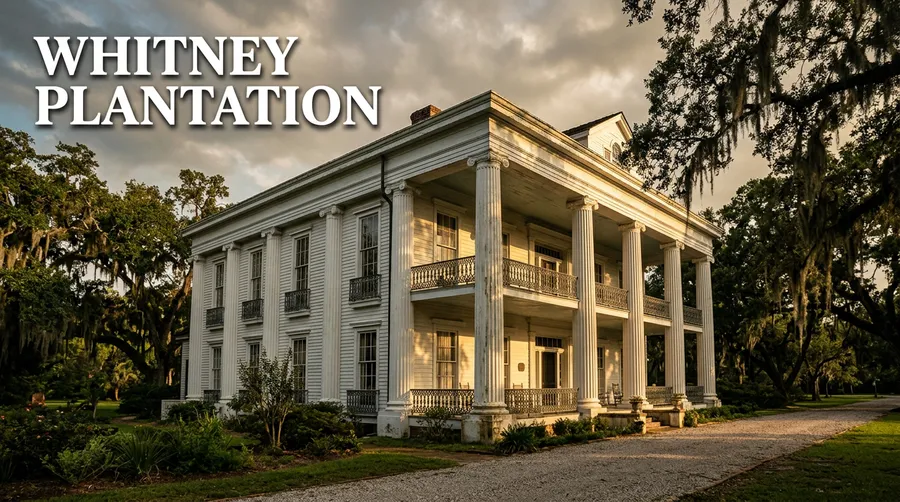
If you seek an experience that will challenge your preconceptions and leave an indelible mark, Whitney Plantation in Louisiana stands as a powerful exemplar. This isn't a polite tour of a grand estate; it's a profound, often uncomfortable, but utterly essential journey into the heart of American slavery. Whitney has, quite intentionally, redefined the visitor experience. From the moment you arrive, there’s no doubt about the site’s primary focus: the lives and experiences of the enslaved.
Every site label, every exhibit, from the original slave cabins to the chilling Jail building—a solitary confinement structure for rebellious enslaved individuals—presents the lived experience of enslaved men, women, and children. The grandeur of the owner's "Big House" is almost an afterthought, a stark backdrop to the human suffering and resilience foregrounded everywhere else. This deliberate choice subverts the traditional narrative, ensuring that the brutal economics and daily realities of enslavement are never overshadowed by architectural aesthetics. Don't expect a romanticized version of history here; you'll encounter it raw and unvarnished.
Walking the grounds, you’ll encounter artistic memorials that are both heartbreaking and thought-provoking. Lifesized sculptures of children, their faces etched with innocence and sorrow, dot the landscape, memorializing lost childhoods and fostering a deep, emotional engagement with the immense human cost of slavery. They aren't just statues; they are silent witnesses, demanding remembrance. Furthermore, Whitney engages in vital collaborative programs. They partner with initiatives like the Slave Dwelling Project and the Inalienable Rights interpretive group, hosting living history demonstrations where descendant scholars teach visitors about the cooking, laundry, and survival skills that defined the daily existence of the enslaved. These aren't actors playing roles; they are individuals connecting with their heritage, making history tangible and immediate.
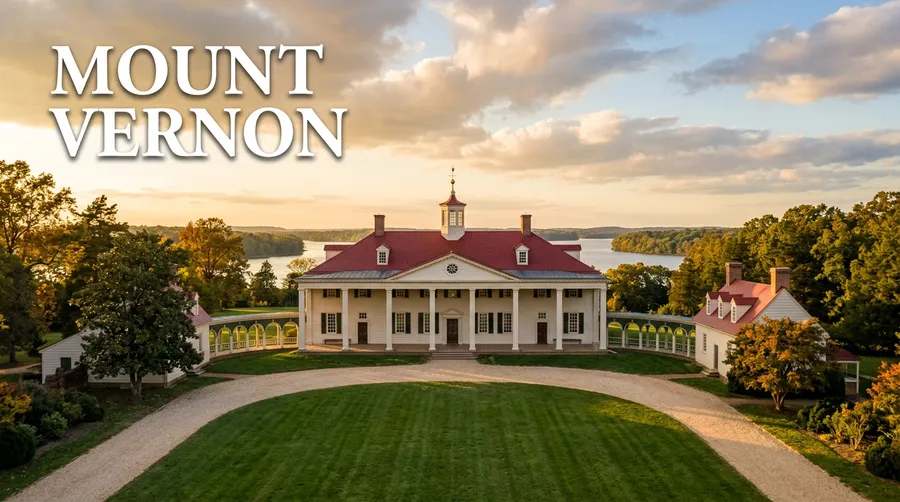
Thomas Jefferson’s Monticello, nestled in the rolling hills of Virginia, offers a different, yet equally vital, approach to confronting its complex past. While its primary draw remains the architectural genius of its founder, the site has made monumental strides in integrating the story of the enslaved community into every aspect of the visit. It's a blend of meticulous scholarship and innovative presentation, creating a multi-layered experience.
Perhaps the most impactful innovation at Monticello is its ongoing effort to reconstruct Mulberry Row. The aforementioned "Slavery at Monticello" app, with its augmented reality (AR)-style interface, recreates the vanished workshops, dwellings, and agricultural buildings that formed the bustling, yet often invisible, heart of the enslaved community. This immersive technology allows visitors to visualize a landscape that was deliberately erased, putting them directly into the environment where enslaved workers toiled and lived. Without this reconstruction, the narrative of Monticello risks being incomplete, focusing only on the grand house and not the economy of human lives that supported it.
Another powerful initiative is the "Getting Word" oral history project. This pioneering endeavor invites descendants of Monticello’s enslaved community to record their family stories, memories, and traditions. These invaluable oral histories are then meticulously woven into the site’s tours, exhibits, and digital archives. It’s a testament to the power of shared memory and a direct challenge to the historical tendency to ignore or diminish the voices of the marginalized. This isn't just collecting stories; it's elevating them to their rightful place in the historical record. The site also champions data-driven transparency through its publicly available DAACS records and the Monticello Enslaved Community Database. Visitors, whether onsite or remotely, are encouraged to research genealogies and delve into primary sources, democratizing access to information and inviting personal connection to this painful history.
Delaware’s Quiet Power: The John Dickinson Plantation's Community-Led Path
Not every impactful plantation site needs to be a sprawling, internationally recognized landmark. The John Dickinson Plantation in Delaware, a state-run historic site, exemplifies how smaller-scale institutions can effect profound change through focused, community-driven initiatives. It might not draw the massive crowds of a Whitney or a Monticello, but its commitment to ethical interpretation is just as strong, if not stronger, in some areas.
Central to its approach is the Descendant Community Engagement Group. Guided by the Mellon Foundation’s rigorous rubric for ethical interpretation, this advisory body, comprised entirely of descendants, co-designs exhibit content, curatorial themes, and educational programs. This isn't just consultation; it's active co-creation, ensuring that the interpretation of the site genuinely reflects community values and lived heritage. This model of shared authority is a gold standard, directly challenging the paternalistic tendencies of past historical institutions.
Through this collaborative process, the site has achieved significantly reframed narratives. The African Burial Ground exhibit, for instance, developed with direct descendant input, recontextualizes ancestral remains not as mere colonial relics, but as an ongoing part of a living heritage, a tangible link to a community’s past and present. This shift in perspective transforms the visit from a passive observation into an act of remembrance and respect, honoring the lives that shaped the land.
Making the Journey: Navigating These Essential American Stories
These evolving plantation sites offer far more than a typical historical outing; they provide an opportunity for deep reflection and confrontation with uncomfortable truths. Expect to spend a significant amount of time at each location, often three to four hours, as the emotional weight and interpretive depth demand it. For sites like Whitney, be prepared for an emotionally challenging experience. This isn't entertainment; it's education.
When planning your visit, timing is critical. Aim for a weekday morning in spring or fall to avoid oppressive summer heat and the largest crowds. Weekday visits often allow for smaller tour groups, fostering a more intimate and reflective experience. Admission fees for these comprehensive tours can be substantial, so budget accordingly—check individual site websites for current pricing and any parking costs. While some sites offer self-guided app tours, I strongly recommend joining a guided tour if available; the insight and passion of knowledgeable guides often deepen the experience immeasurably. Many of these sites are also actively preserving structures where enslaved individuals lived, like slave cabins. These structures, often stark and humble, offer a visceral connection to the daily realities of life under bondage.
What many typical guides fail to convey, and what these new tours excel at, is the sheer resilience and resistance demonstrated by enslaved communities. It's not just a story of oppression, but of survival, cultural preservation, and the fight for freedom in myriad forms. These sites are not about guilt; they are about understanding, challenging historical amnesia, and recognizing the profound impact of slavery on our nation’s fabric. Visiting them is an act of responsible citizenship, a commitment to understanding the full, complex tapestry of American history. It’s a journey that might not always be comfortable, but it is undeniably essential.
By embracing immersive digital tools, leveraging scholarly databases, and, most importantly, forging authentic collaborations with descendant communities, plantation sites are moving decisively beyond romantic nostalgia. They are delivering historically accurate, ethically responsible, and deeply descendant-centered narratives that honor the complexity, resilience, and enduring legacy of enslaved communities. This isn't just a trend; it's the future of how we confront our past.
Historic Mansions Worth Building a Weekend Around
Start with the estates and mansion properties that still justify tickets, routing, and a real visit, not just a mood-board detour.
Unearthing America’s Plantation Heritage: Your Visitor’s Guide
Are plantation tours considered ethical?
Plantation tours can be ethical when they center the experiences of the enslaved, employ descendant voices, and treat the site as a memorial rather than solely a leisure attraction.
Is it ethical to visit a plantation?
Visiting a plantation can be ethical if the tour provider is committed to truthful storytelling about enslavement and shares proceeds with descendant communities.
Does plantation have a negative connotation?
In the United States, plantation often evokes antebellum slavery and racial injustice, making the term carry a negative historical connotation.
What to say instead of plantation?
Alternatives include “estate,” “farm,” “country estate,” “homestead,” or “agrarian estate.”
Is the Laura Plantation ethical?
Laura Plantation is recognized for its ongoing research into enslaved lives, Creole narratives, and descendant-focused interpretation, making it one of the more ethically oriented sites.
What is the difference between Oak Alley Plantation and Laura Plantation?
Oak Alley emphasizes grand antebellum architecture and grounds with an overview of slavery via exhibits, while Laura Plantation offers an intimate Creole-focused tour integrating slave-cabin visits and personal narratives.
Who owns plantations now?
Many historic plantations are owned by nonprofit foundations or private individuals—such as the Oak Alley Foundation and the Marmillion family at Laura—who steward them as heritage sites.
How many slaves did Laura Plantation have?
Laura Plantation began with 17 enslaved people in 1808 and had grown to about 186 by the start of the Civil War.
What is the Laura Plantation known for?
Laura Plantation is known for its Creole-style architecture, four generations of women owners, and recording of West African folktales that became Br’er Rabbit stories.
What are popular plantation tour locations near me?
Top destinations include Oak Alley, Laura, and Whitney Plantations along Louisiana’s River Road.
When is the best time of year to visit plantation tours?
Spring and fall offer mild weather and lush grounds, ideal for touring plantation sites.
How much do plantation tours cost?
Most guided tours range from $20 to $35 per adult, with discounts for children or seniors.
Do I need to book plantation tours in advance?
Advance booking is recommended, especially during peak seasons and group visits.
What should I wear on a plantation tour?
Comfortable, weather-appropriate clothing and sturdy walking shoes are advised for outdoor grounds.
Are plantation tours wheelchair accessible?
Accessibility varies by site; many offer accessible routes on main floors but some outbuildings may have limited access.
Can I bring children on plantation tours?
Yes; most tours welcome families and often offer educational programs for school-aged visitors.
Are photography and videography allowed?
Personal photography is generally allowed outdoors and in exhibit areas but may be restricted inside certain buildings.
Can I bring pets on plantation tours?
Pets are typically not allowed, except for service animals, due to preservation concerns.
Why This Page Exists
Maison builds place guides to help readers plan a real visit or understand a real site. When a page makes present-day access, booking, or visitor claims, those details are revised against public-facing source material and editorial review. For the wider standards behind that work, see methodology.
The Cornerstone Brief
One historic place, once a week — what it is, why it matters, whether it's worth going. No filler, no paid placements.
Coming soon. Unsubscribe any time.
We use cookies to enhance your experience. By continuing to visit this site you agree to our use of cookies.