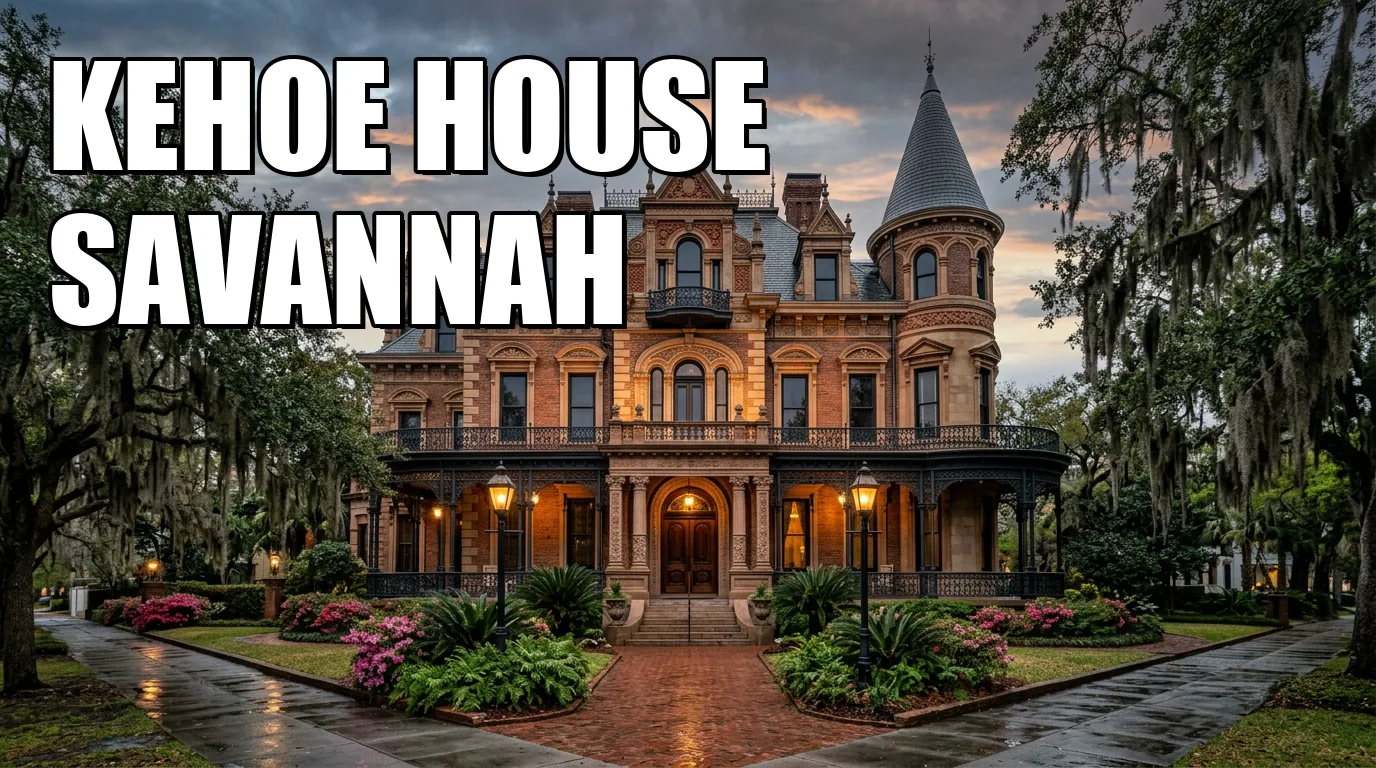
“Victorian inn” can describe one mansion, two connected houses or a four-building property. At The Queen Victoria, breakfast moves among separate buildings by season. The Gastonian divides 17 rooms between two mansions joined over a garden and has no elevator. Kehoe House keeps 13 rooms and its hosted hospitality inside one elevator-served mansion.
The romantic difference is not a package of roses. It is the route between the room, stairs, breakfast, tea and a private or shared porch. Before choosing a room name, identify the building and the movement the stay requires.
One brand can hide four different circulation plans
| Property | Guest-building model | Hosted hospitality | Mobility fact to verify |
|---|
| The Queen Victoria, Cape May | Rooms mapped across The Queen Victoria Building, Prince Albert Hall, House of Royals and Queens Cottage | Breakfast location changes among buildings by season; tea uses shared porches and parlors | Official property material does not establish elevator access |
| The Gastonian, Savannah | 17 rooms across two adjacent 1868 mansions joined by a wooden garden walkway | Breakfast in the dining room or pergola; wine and dessert in a common parlor | No elevator and many steps inside and outside; minimum age 21 |
| Kehoe House, Savannah | 13 rooms inside one 1892–1893 mansion | Breakfast, receptions and dessert remain within the mansion or guest room | Elevator access to all property levels; Room 101 is designated ADA accessible |
The Queen Victoria requires a building choice before a room choice
The Queen Victoria is not one large inn. Its rooms occupy four restored buildings: The Queen Victoria Building, Prince Albert Hall, House of Royals and Queens Cottage. The official room pages do the useful work of naming the building for each room, so a guest can choose more precisely than the brand name suggests.
That map matters at breakfast. In warmer months the meal is served at Prince Albert Hall; winter locations can shift among Prince Albert Hall, House of Royals and The Queen Victoria Building according to occupancy. A guest sleeping elsewhere on the property should expect to cross the property to reach the building serving breakfast.
Afternoon tea is a common-space ritual on porches or in parlors. Some rooms have private balconies, but a porch photograph does not prove exclusive use. The practical questions are which building contains the room, which building will host breakfast during the stay, and whether the route works for a guest who avoids stairs. The available official material does not establish elevator access, so that last point requires direct confirmation.
The Gastonian connects two mansions but leaves the room address unclear
The Gastonian occupies two adjacent Regency-Italianate mansions built in 1868 at 218 and 220 East Gaston Street. A wooden walkway crosses over the formal garden to connect them. The property lists 17 individually named rooms, but its current material does not clearly assign each room to the 218 or 220 building.
That missing address matters because the hosted rituals use shared spaces. Breakfast is served in a dining room or under the pergola; wine and hors d’oeuvres arrive in the parlor, followed later by dessert and cordials. Depending on the room, participating may mean stairs and a crossing between buildings rather than simply walking down one corridor.
The accessibility boundary is explicit: there is no elevator, and the inn warns of many steps both inside and outside. The Gastonian is also 21-and-over. For guests who want an adults-only, highly social stay, those facts may fit the trip. For anyone managing stairs, the room’s floor and building should be confirmed before booking.
Kehoe House keeps the route inside one mansion
Kehoe House uses a different model: all 13 rooms occupy one 1892–1893 Queen Anne Revival mansion. Breakfast can be served in the formal double parlor, veranda or garden courtyard, with room delivery also offered; receptions use the parlors, while dessert arrives with turndown in the guest room.
Because the rooms and principal hospitality spaces belong to one mansion, the stay does not require a transfer between guest buildings. The elevator reaches all property levels. Room 101 is identified as ADA accessible with an accessible shower, although separate accessibility wording about bed and shower configuration is inconsistent enough that the exact bathroom setup should be confirmed directly.
Private outdoor space still depends on room selection. Some rooms have private or semi-private balconies and verandas; the side porch and courtyard are shared. A property-level porch promise therefore cannot replace the exact room description.
Book the movement pattern, not the romance label
- Name the building and floor. A room name alone is insufficient on a multi-house property.
- Locate breakfast and tea. Ask whether the service location changes by season or requires an outdoor crossing.
- Separate common from private space. A photographed porch, parlor or garden may serve every guest.
- Verify the vertical route. “Historic” can mean an all-level elevator, no elevator, or an undocumented condition.
A Victorian getaway becomes romantic when its circulation suits the people taking it. Four buildings, two mansions and one house can all look persuasive in photographs; they do not ask the same thing of the guest.
The Cornerstone Brief
One historic place, once a week — what it is, why it matters, whether it's worth going. No filler, no paid placements.
Coming soon. Unsubscribe any time.