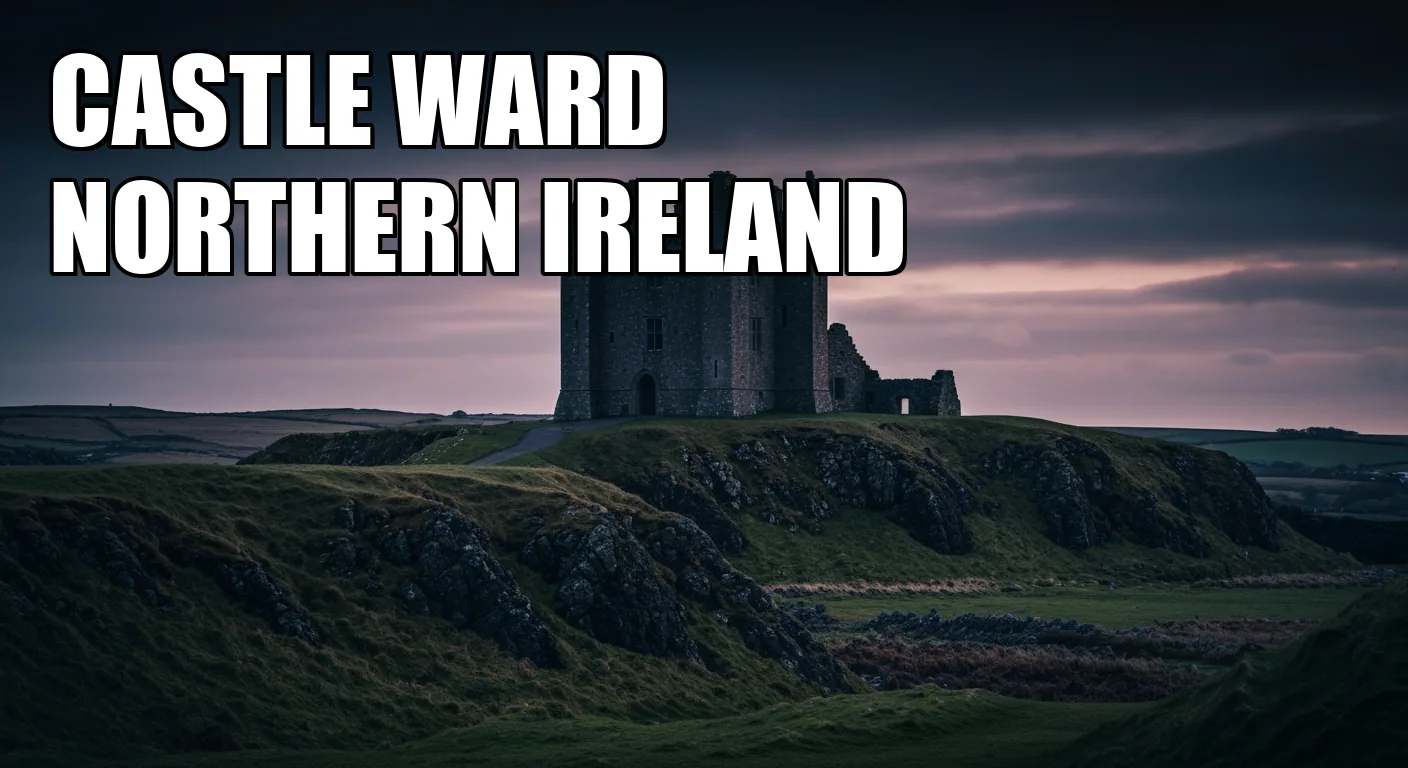
Let's clear the air right off the bat, before you pack your bags for the wrong continent. While the sheer scale and immersive detail of *Game of Thrones* might lead you to believe its iconic castles could only exist on the grandest American landscapes, the exterior scenes for Winterfell – the ancestral home of House Stark, where honor and hardship often walked hand-in-hand – were primarily filmed not in the United States, but amidst the rugged, windswept beauty of Castle Ward in County Down, Northern Ireland. This isn't a mere geographical correction; it's an invitation to a far more authentic and deeply resonant experience, one that typical travel advisories rarely emphasize.
Why do so many assume a US location for such a pivotal set? Perhaps it's the sheer breadth of America's natural wonders, or the common misconception that major productions always stay stateside. But to truly appreciate the genius behind the show's location scouting, one must understand that Castle Ward offered something no purpose-built set, or even a different historical site, could: a raw, untamed landscape that effortlessly conveyed the ancient, sometimes brutal, spirit of the North. It’s a place steeped in genuine history, not merely constructed for a fantasy, which lends an undeniable weight to every stone seen on screen.
Beyond the Wall: Why Castle Ward Became Winterfell
What makes Castle Ward so compelling for the Stark stronghold? It’s not just an old estate; it’s a sprawling 18th-century demesne, encompassing a unique architectural mash-up of Gothic and Classical styles in its main house, but it’s the expansive grounds, the old farmyard, and particularly the tower house that provided the perfect, albeit adaptable, backdrop. The producers weren’t just looking for a pretty castle; they needed an entire environment that could be convincingly transformed into a living, breathing feudal seat. The site's authenticity resonates with the show's narrative, feeling less like a backdrop and more like an integral character in itself. Moreover, the rugged coastline and dense woodlands surrounding the property perfectly echoed the "King's Road" and the "Whispering Wood" from George R.R. Martin's vision, making extensive green screen work largely unnecessary for broad shots.
Venturing through Castle Ward today, you’ll find that the magic isn't just in recognizing specific frames from the show – the very spot where Robb Stark's army encamped, or the tree where Bran practiced archery. It's in the palpable sense of history that predates Westeros by centuries. This isn't a theme park; it's a living, working estate managed by the National Trust, a conservation charity. The beauty of visiting is that you're experiencing a layered history: first, the actual Anglo-Irish heritage of the Ward family, and then the fictional history layered atop it by HBO. This duality offers a richer, more contemplative visit than simply ticking off a list of "filming spots." You’re not just seeing Winterfell; you’re seeing the very fabric from which it was woven, the stark beauty of a truly ancient land.
County Down's Undeniable Charm: An Expert's Perspective
Stepping away from the immediate buzz of cinematic tourism, County Down offers a profound Irish experience that often gets overlooked in the rush to see "the sights." This southeastern corner of Northern Ireland is a tapestry of rolling hills, dramatic coastline, and tranquil loughs – local term for a large lake or an arm of the sea – specifically the stunning Strangford Lough, the largest inlet in the British Isles, a designated Area of Outstanding Natural Beauty. This is a land of myth and legend, where ancient megalithic tombs dot the landscape and monastic sites like Downpatrick's St. Patrick's Grave whisper tales of early Christianity. It challenges the conventional wisdom that Ireland is all Guinness and leprechauns, presenting a more rugged, introspective beauty.
Forget the bustling tourist hubs; County Down offers a slower, more immersive pace. Here, you'll encounter a genuine warmth from the locals, a quiet pride in their heritage, and pubs where the craic – the unique Irish term for lively conversation and entertainment – flows as freely as the stout. What makes this region truly unique compared to other Game of Thrones locations across Europe is this understated authenticity. It hasn't been completely overrun by commercialism, allowing visitors a chance to connect with the landscape and its people on a deeper level. This authenticity is precisely what the show’s creators sought out, and it’s what you, as a discerning traveler, will find most rewarding.
Finding Your Keep: Lodging Near the Lords of the North
For those planning their pilgrimage to Winterfell in 2025, finding the right base camp is crucial. While Belfast is a mere hour's drive north, staying closer to Castle Ward allows for an early start, beating the inevitable crowds, and a more intimate engagement with the local area. Within a 5-mile radius of the historic estate, several excellent options present themselves, each offering a distinct flavor of Northern Irish hospitality. Knowing the nuances of each can elevate your stay from merely convenient to truly memorable. It's not just about a bed; it's about the experience that surrounds it.
Consider The Cuan Restaurant & Hotel, a venerable establishment celebrated for its sweeping views across Strangford Lough. This isn't merely a place to sleep; it’s a destination in itself, often cited for its excellent restaurant serving local produce. During Spring 2025 weekends, you can expect rates for popular sea-facing accommodations like Room 7, the Harbour View Double, to average around £150 per night, breakfast included. It's a slightly higher price point, yes, but the views alone justify the splurge, offering a quintessential coastal Irish experience you won’t soon forget. To secure this particular room, direct booking is highly advisable: contact the hotel at +44 28 4488 1222. Don’t wait until the last minute; sought-after rooms like this book quickly, especially during peak seasons when the weather is more favorable for exploration.
For a more intimate harbor ambiance, the Narrows Guesthouse offers a compelling alternative. This gem is renowned for its personalized service, making guests feel less like tourists and more like cherished visitors. Here, Room 2, the Deluxe Sea View Double, is the most sought-after, commanding typical Spring weekend pricing around £100 per night, breakfast included. It strikes a fantastic balance between quality and value, allowing you to immerse yourself in the local charm without breaking the bank. Reservations can be made directly by calling +44 7873 588833. This option is particularly appealing for those who appreciate understated elegance and a friendly, personal touch, often missing from larger hotels.
Should your preference lean towards a tranquil garden setting, the Nutgrove House Bed and Breakfast Accommodation in Downpatrick provides a serene escape. Priced competitively, with typical Spring weekend rates for Room 3, the Garden View Double, at approximately £80 per night, including a homemade breakfast, it represents outstanding value. This is the choice for travelers seeking quietude after a day of exploration, a true home-away-from-home feel where the garden offers a peaceful respite. While slightly further inland, its charm and affordability are undeniable. Direct booking inquiries can be placed at +44 28 4481 1566. What you save on accommodation here, you can perhaps allocate to a longer stay or more local experiences, a practical consideration for the budget-conscious traveler.
Practicalities for Your Northern Irish Odyssey: Timing & Tips
Planning your visit to the heart of Westeros requires more than just knowing where to sleep; it demands an understanding of the rhythm of the land. For a 2025 excursion, focusing on the Spring months (roughly April to June) is a shrewd move. The accommodation data already points to these periods, and for good reason: the weather is generally milder than the often-damp winter, the landscape bursts into vibrant greens, and the summer crowds haven't yet reached their peak. However, keep in mind that "Spring weekends" are specifically mentioned for the quoted rates, signaling higher demand and thus, pricing. Traveling mid-week, if your schedule allows, could offer a slightly more serene experience and potentially lower rates, though this isn't guaranteed.
Consider renting a car. While public transport exists, exploring County Down’s hidden gems – and getting to Castle Ward itself – is far more convenient with your own wheels. Navigation is straightforward, and the freedom to pull over at a scenic viewpoint or an unexpected historical marker is invaluable. Expect that admission fees for Castle Ward, as a National Trust property, will apply, though these are typically modest and often contribute directly to the upkeep of these invaluable heritage sites. Parking at the site is usually straightforward, but arriving early is always prudent, especially during school holidays or any GoT-themed events, which are still held periodically. Don't just rush through the "Winterfell" parts; allow yourself a full day to explore the estate's wider walking trails and stunning lough shore, embracing the true essence of this remarkable corner of the world.
Ultimately, the pilgrimage to Winterfell is far more than just ticking off a film location; it's an opportunity to experience the authentic, raw beauty of Northern Ireland. It's a chance to walk the same ground where history, both real and imagined, has unfolded, and to connect with a landscape that shaped one of the most beloved fantasy worlds of our time. This journey, beginning with a simple correction of a common misconception, truly opens the door to a richer, more profound travel experience that stays with you long after the final credits roll.