Bed & Breakfast

Beyond the Brochure: Museum-Quality B&Bs in the US

Find Nearby Hotels

Book Flights

My travels have led me through countless historic doorways across this country, from humble farmhouses to palatial estates, yet a particular breed of accommodation consistently captures my imagination: the "museum-quality" bed and breakfast. This isn't just about antique furniture placed decoratively in a room. We’re talking about properties where architectural integrity has been meticulously preserved, where every object tells a story, and where the very act of staying becomes an education in a particular era or artistic movement. These are places that don't just *showcase* history; they invite you to *live* it, albeit with modern comforts. What truly elevates a B&B to this rarified status, you might ask? It comes down to an almost obsessive dedication to authenticity, whether through painstaking architectural restoration or the thoughtful curation of art and period pieces that resonate with the building's soul. It's the difference between a pretty house and a living exhibit. The establishments I've chosen for this guide each offer a distinct flavor of this commitment, daring to challenge what we expect from a simple overnight stay.

Savannah's Italianate Gem: Does Bellwether House Deliver on Gilded Age Grandeur?

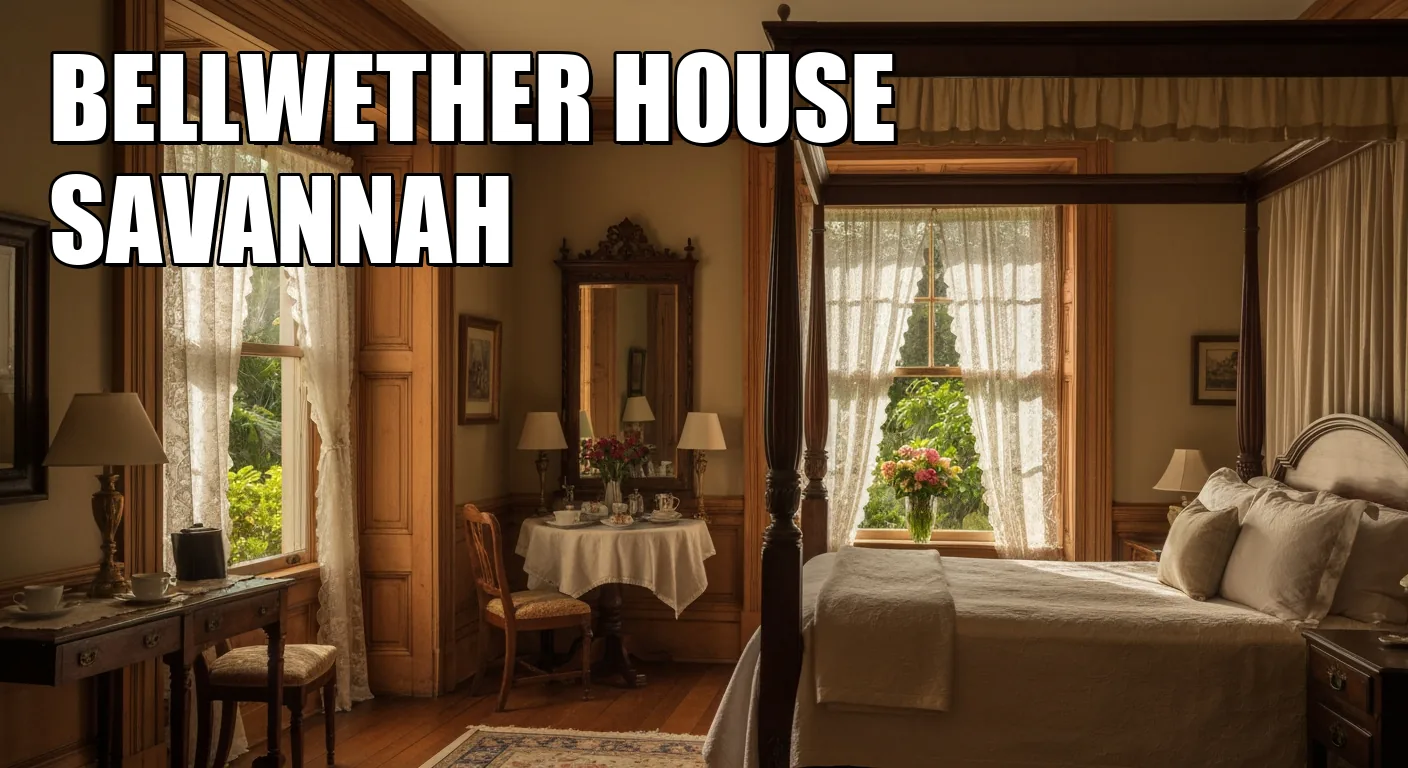
Stepping into the Bellwether House in Savannah, Georgia, one immediately senses the weight of its 1876 origins. The twin Italianate townhomes, originally built for successful merchants Henry Dresser and Samuel Palmer, whose hardware store was once the largest in the city, exude a quiet confidence that belies their relatively recent transformation into a B&B. The restoration, completed in 2020, opened to guests in 2021, and the property was swiftly inducted into Historic Hotels of America, even making their 2025 Top 25 Historic Hotels of America Best of Adaptive Reuse list. That kind of rapid recognition often suggests genuine excellence, or perhaps just savvy marketing; in this case, it's mostly the former. My focus here is always on what makes a place unique. For Bellwether, it’s the Premier King Suite, a private wing that truly feels like a step back in time. You’ll find original plaster ceiling medallions that are more ornate than anything you'd typically see today, and period-specific chandeliers – not replicas, mind you, but meticulously restored originals – casting a soft glow. Add to this the hand-painted murals and the unapologetic presence of clawfoot tubs, and you’re transported directly to the Gilded Age, an era of opulence and intricate craftsmanship. The heart-pine floors underfoot creak just enough to whisper stories, a charming reminder that you're in a living piece of history. While the average nightly price ranging from $269 to $547 might seem steep, you’re paying for an immersive experience, not just a bed. To truly appreciate the quiet details, aim for a weekday stay in the shoulder seasons (early spring or late autumn) when Savannah’s notorious humidity is less oppressive and the tourist throngs are thinner, allowing the house's atmosphere to truly settle in.

Louisville's Bold Experiment: Art, History, and the 21c Museum Hotel

Switching gears entirely, the 21c Museum Hotel in Louisville, Kentucky, offers a radically different, yet equally museum-worthy, experience. It’s not just a hotel with art; it’s an actual contemporary art museum that happens to have guest rooms. Founded in 2006 by philanthropists Laura Lee Brown and Steve Wilson, this property was a deliberate act of urban renewal, breathing new life into five historic bourbon and tobacco warehouses in the city's West Main Street Historic District. This isn’t a place to find antique doilies; this is where you'll encounter a full-size, hot pink penguin statue in the lobby and thought-provoking installations around every corner. What distinguishes 21c, beyond its daring concept, is the sheer scale and quality of its curated collection. Each of the 91 rooms, from a Deluxe King to a Luxury King Suite, features museum-quality contemporary artworks from the founders’ private collection. You might find a sculptural piece on your bedside table or a site-specific installation integrated directly into your room’s architecture. The hotel also boasts over 9,000 square feet of dedicated gallery space, accessible 24/7 to both guests and the public – a truly unique commitment. The preservation here isn't about restoring original wallpaper; it’s about transforming an industrial past into a vibrant future, carefully repurposing the 1800s warehouse architecture to house modern creativity. The average nightly price of $161 to $307 feels like a steal when you consider it includes 24-hour access to an art museum. If you plan to visit, allow extra time to wander the public spaces; the rotating exhibitions are often profound, and sometimes, a little challenging – exactly what good contemporary art should be.

Finding Serenity in Stockton: Woolverton Inn, More Than Just a Quaint Farmhouse?

Leaving the urban buzz behind, the Woolverton Inn in Stockton, New Jersey, tucked away in the scenic Bucks County countryside, presents another facet of museum-quality lodging. Dating back to 1792, this property began its life as a two-story farmhouse on an estate cultivating linseed and grain. The transition from private residence to elegant country inn in the early 1980s was handled with an admirable respect for its heritage, earning it a spot on the 2025 Top 25 Historic Hotels of America Best of Adaptive Reuse List. Yet, many might dismiss it as simply "another charming country inn." They’d be missing the point. The true museum feature here lies in its architectural integrity and the thoughtfully selected period details, especially evident in suites like "The Balustrade." Imagine sleeping in a colonial-style four-poster king-size bed, with an original wood-burning fireplace crackling nearby on a cool evening. These are not simply decorative elements; they are functional pieces of history. The hand-painted murals and the sheer authenticity of the grand fireplaces, wide plank flooring, and hand-hewn beams dating to the original 1792 construction transport you to a bygone era of rural elegance. From your private balcony, river views and the gentle sight of sheep grazing in the pasture complete the idyllic picture. While the average nightly price of $325 to $407 is on the higher end for a country inn, it’s justified by the pristine preservation and the unique, unhurried atmosphere. For the best experience, plan a visit in late spring or early fall, when the surrounding New Jersey countryside is at its most beautiful, and the inn's gardens are in full bloom or displaying autumn color. Parking is free and ample, a small but welcome detail often overlooked in urban settings.

Hawley's Industrial Echoes: Is Ledges Hotel a True Relic or a Modern Reimagining?

In the heart of Hawley, Pennsylvania, the Ledges Hotel stands as a testament to American ingenuity and industrial might, albeit transformed. This robust five-story Federal-style bluestone building, constructed in 1890, was once the thriving J.S. O'Connor American Rich Cut Glass Factory – at its peak, one of the nation's largest glass cutting facilities. John S. O'Connor, an Irish immigrant and Civil War veteran, designed highly collectible patterns such as Parisian and Florentine, powered by the mighty Wallenpaupack Creek. The property’s induction into the National Register of Historic Places in 2004 speaks volumes about its significance. What makes Ledges Hotel museum-quality is its embrace of this industrial heritage, rather than trying to hide it. The 2011 transformation by Settlers Hospitality preserved the imposing bluestone structure, allowing its raw beauty to shine. Inside, each contemporary hotel room becomes a mini-exhibit: vintage photographs and original sketches of the O'Connor Glass Factory adorn the walls, complemented by actual historic pieces of cut glass on display. Even the hotel's restaurant, "Glass-wine.bar.kitchen," cleverly incorporates original glass mold prints from the factory era, serving as a constant, tangible link to its past. It’s a fascinating example of adaptive reuse where the building's original purpose informs the entire guest experience. While the rooms are distinctly modern in their amenities, the echoes of labor and craftsmanship are palpable. Expect to pay between $238 and $474 per night, depending on the season. If you are a history buff, particularly interested in American industrial heritage, a mid-week stay outside of peak summer or fall foliage season will give you the best chance to explore the local area, including the nearby Hawley Historic District, without feeling rushed or contending with large crowds.

Traverse City's Lumber Baron Legacy: The Wellington Inn's Unseen Stories

Finally, we journey north to Traverse City, Michigan, where the Wellington Inn, also known as Antiquities' Wellington Inn, offers a glimpse into the opulent world of a turn-of-the-century lumber baron. Built in 1905 as a neoclassical mansion for William Cary Hull, son of the founder of the Oval Wood Dish Company, this property, while not a member of Historic Hotels of America, nonetheless embodies a museum-quality approach to preservation and curation that is simply remarkable. The inn's dedication to authenticity is evident in every corner, but particularly striking in the Votruba Chamber. Here, you'll discover an 1880 Kingwood Napoleon III queen-sized bed, its heavily carved floral crest a testament to Victorian artistry, alongside a period armoire, loveseat, and chair. However, the most unexpected "museum discovery" happened during its meticulous restoration: beneath five layers of wallpaper, original plaster was revealed, covered in caricatures, autographs, and dates by the early 20th-century painters and paperhangers. This unique, spontaneous artwork from 1908 was carefully sealed and preserved, offering a deeply personal and often overlooked tribute to the artisans who built these grand homes. This isn't just about pretty antiques; it's about uncovering and respecting the hidden layers of history. Mahogany woodwork, leaded glass details, and original fireplaces are preserved throughout the mansion. The average nightly price ranges from $225 in off-season to $395 in-season. Given Traverse City's popularity, especially in summer, booking well in advance (six months or more for prime dates) is absolutely critical. Consider a winter visit; the inn, with its period furnishings and original fireplaces, offers a cozy, almost magical retreat, far removed from the summer crowds, allowing the house's narrative to truly unfold.

Choosing Your Curated Escape: What Matters Most?

These five properties, diverse in their architectural styles and historical narratives, each offer something profoundly more than a standard hotel stay. They challenge the notion that museums must be static institutions. Instead, they invite you to engage with history and art in a deeply personal, intimate way. Whether you crave the Gilded Age elegance of Savannah, the cutting-edge art scene of Louisville, the serene historical embrace of a New Jersey farmhouse, the industrial romance of Pennsylvania, or the hidden stories within a Michigan lumber baron's mansion, each destination promises a unique narrative. When making your choice, consider not just the nightly rate, but the value of the experience itself. Are you seeking quiet contemplation amidst period details, or a dynamic engagement with contemporary art? Do you prefer the thrill of architectural repurposing, or the comfort of a bygone era meticulously recreated? Remember that "museum quality" here isn't just a label; it’s a promise of an extraordinary journey into America's past and present, one where you're not just an observer, but a temporary resident within a living exhibit. And that, in my book, is a travel experience truly worth seeking out.

The Complete Guide to Experiencing Museum-Quality Bed & Breakfast Stays Across America

What defines a museum quality bed and breakfast experience?
Museum quality B&Bs are intimate historic properties, typically housed in Victorian mansions or period architecture, featuring uniquely decorated rooms with antiques and period furnishings while maintaining modern amenities like WiFi, smart TVs, and spa bathrooms. These establishments offer personalized hospitality, chef-prepared breakfasts using local ingredients, and often provide exclusive access to cultural attractions such as VIP museum exhibitions or wine tasting experiences.
What are the best locations for museum quality bed and breakfast accommodations in the USA?
Top museum-quality B&B destinations include Richmond's Museum District (Virginia), Charleston (South Carolina), Savannah (Georgia), Santa Barbara (California), Cape Cod (Massachusetts), and the Shenandoah Valley (Virginia). These regions feature historic downtown areas with architectural significance, proximity to major art museums and cultural institutions, and walkable neighborhoods ideal for exploring local heritage.
What is the typical cost range for museum quality bed and breakfast stays?
Museum quality B&B rates in the USA typically range from $97 to $303 per night, with average pricing between $192-$229 monthly depending on season, with peak rates in summer (July-August at $229) and lower rates in winter (January at $192). Premium historic properties and those offering special experiences command higher rates.
What amenities can guests expect at museum quality bed and breakfasts?
Standard amenities include private ensuite bathrooms, luxury linens, free WiFi, smart TVs, climate control, hairdryers, spa-quality toiletries, robes, and fireplaces. Premium properties feature heated towel warmers, jetted tubs, walk-in showers, 4K televisions, alarm clocks with white noise capability, and options for turn-down service, room service breakfast delivery, and spa treatments.
What should I expect for breakfast at a museum quality bed and breakfast?
Museum quality B&Bs serve chef-prepared, made-to-order breakfasts featuring locally sourced and seasonal ingredients, often including farm-fresh eggs, artisan pastries, fresh fruits, and regional specialties. Breakfasts are typically served communally in dining rooms, though many properties offer in-room delivery options and can accommodate dietary restrictions.
How do I book a museum quality bed and breakfast?
Museum quality B&Bs can be booked through major platforms including Booking.com, Expedia, Airbnb, VRBO, TripAdvisor, and specialty directories like Select Registry. Many properties also maintain direct booking options on their websites, which may offer better rates and cancellation terms.
What are typical cancellation policies for museum quality bed and breakfasts?
Most B&Bs require 14-30 days advance cancellation notice for full refunds, with stricter policies due to their small size (typically 5 or fewer guest rooms). Cancellations within 7-14 days typically forfeit 50% of the deposit, while late cancellations forfeit the full deposit. Some properties offer more flexible policies or allow date changes for a one-night fee.
What is the best time of year to visit a museum quality bed and breakfast?
Spring (May) and fall (September-October) offer mild weather and smaller crowds, making them ideal for B&B stays. Summer brings peak tourism and higher prices, while winter offers lower rates and a more intimate atmosphere. Shoulder seasons provide the best balance of pleasant weather, fewer crowds, and moderate pricing.
How does a museum quality bed and breakfast differ from traditional hotels?
B&Bs offer personalized, intimate hospitality with unique room décor reflecting historic character, whereas hotels provide standardized rooms and impersonal service. B&B owners serve as unofficial guides offering local insights, breakfasts feature chef-prepared cuisine versus buffets, and interactions with innkeepers create a home-like atmosphere that hotels cannot replicate.
Do museum quality bed and breakfasts offer romantic packages for couples?
Many museum quality B&Bs specialize in romantic getaways, offering packages that include spa services, wine tastings, farm-to-table dinners, chocolate-covered strawberries, fresh flowers, and cooking classes. Properties like Simpson House Inn in Santa Barbara and Elk Cove Inn on the Mendocino Coast feature fireplace suites with jetted tubs ideal for couples.
Are museum quality bed and breakfasts wheelchair accessible?
Many historic B&Bs lack full wheelchair accessibility due to their architectural design, though some properties offer ground-floor rooms with roll-in showers, wide doorways, and grab bars. Organizations like Disabled Holidays maintain directories of accessible B&Bs, and it's essential to contact properties directly to confirm specific accessibility features before booking.
What are the pet policies at museum quality bed and breakfasts?
Pet policies vary significantly; some properties welcome pets for $25-$50 per night with designated pet-friendly rooms, while others prohibit pets entirely. Most allow dogs in specific rooms or cottages but restrict them from main buildings and dining areas. Service animals are typically exempt from pet fees and restrictions.
Do museum quality bed and breakfasts accommodate group reservations?
Many museum quality B&Bs accept group reservations for events such as weddings, corporate retreats, family reunions, and special occasions. Some properties include event spaces, catering services, and can coordinate multiple room blocks. Early planning and direct contact with properties is recommended for group bookings.
What culinary and wine experiences are available at museum quality bed and breakfasts?
Premium B&Bs offer wine tasting experiences, chef-prepared multi-course dinners, cooking classes, and farm-to-table dining featuring vineyard tours. Properties in wine regions like Virginia's Shenandoah Valley and California's wine country provide curated wine selections, sommelier-guided tastings, and pairings with gourmet meals.
What are typical minimum stay requirements at museum quality bed and breakfasts?
Most museum quality B&Bs require 2-night minimum stays on weekends and during holidays or special events, though weekday stays may have no minimum. Some properties enforce maximum stay limits (typically 14 days) and flexible minimum stays vary by season and availability.