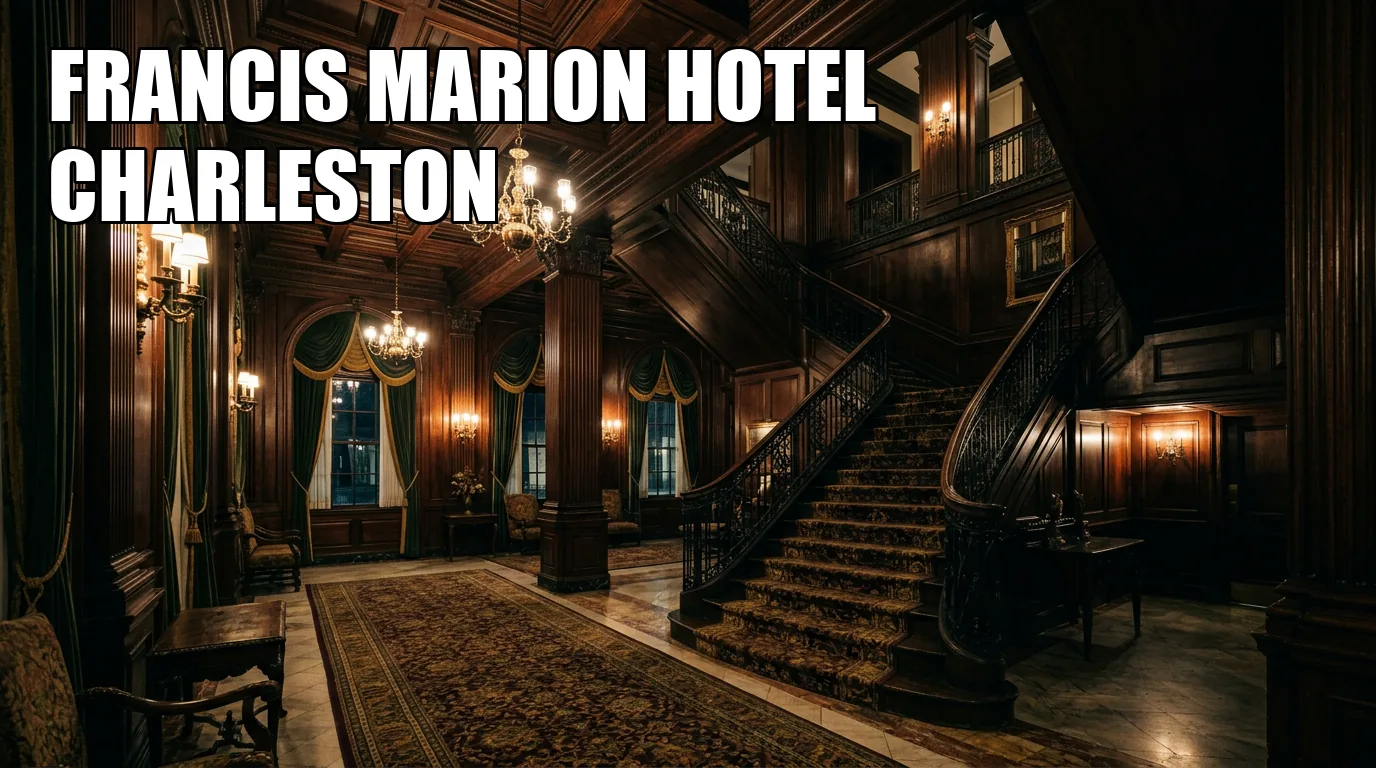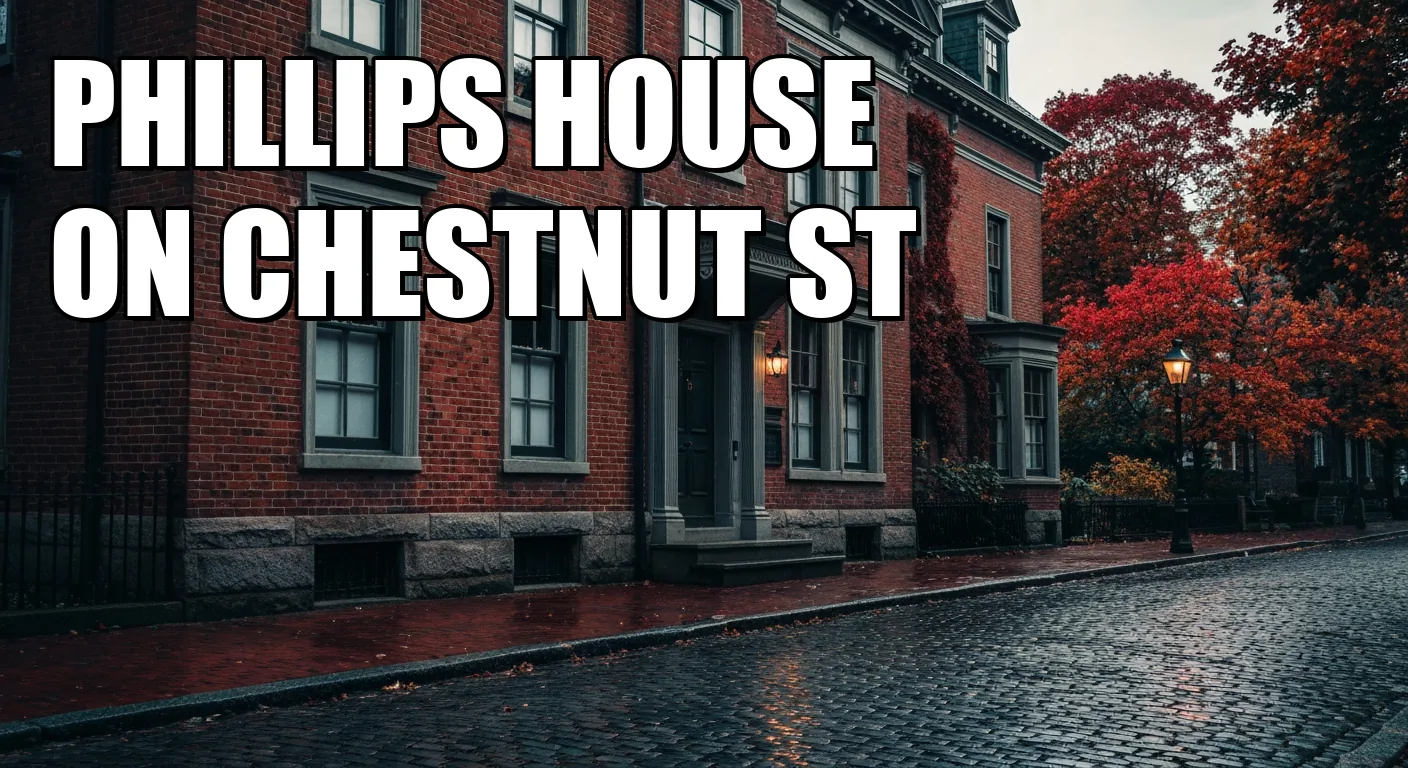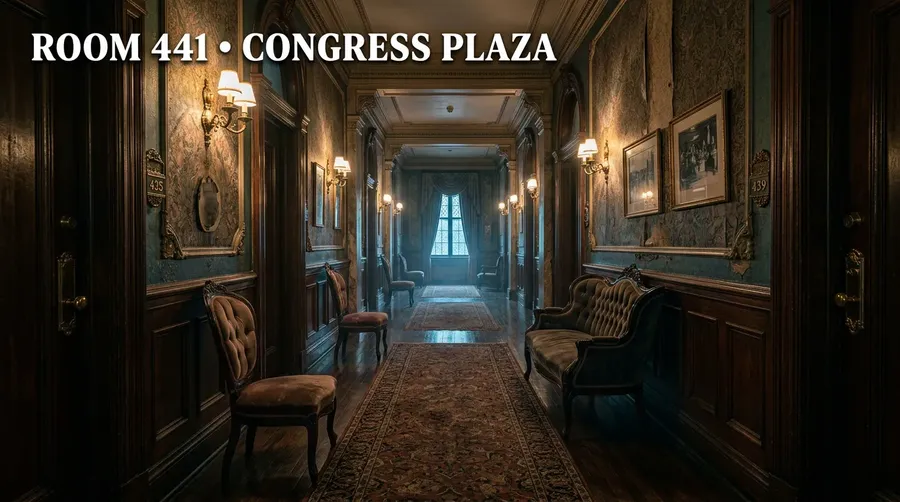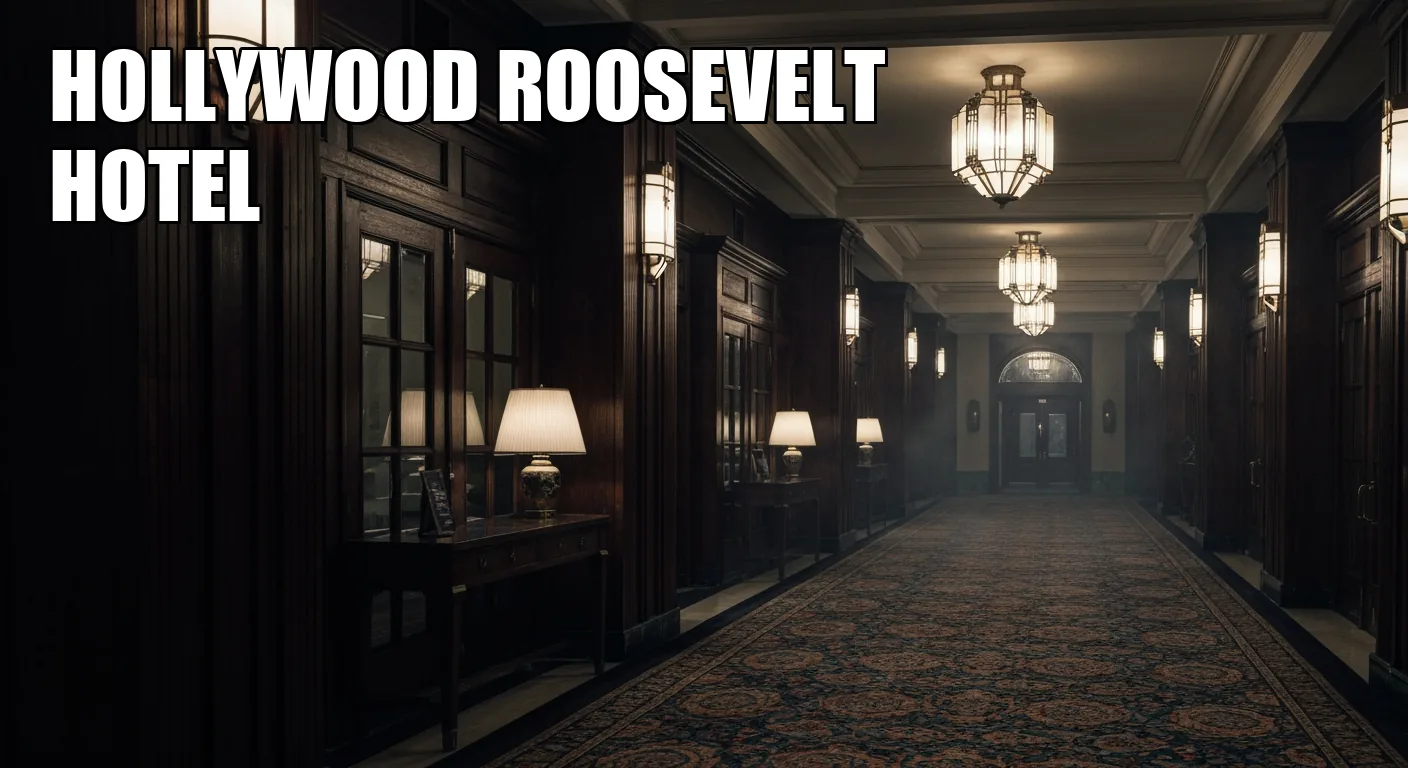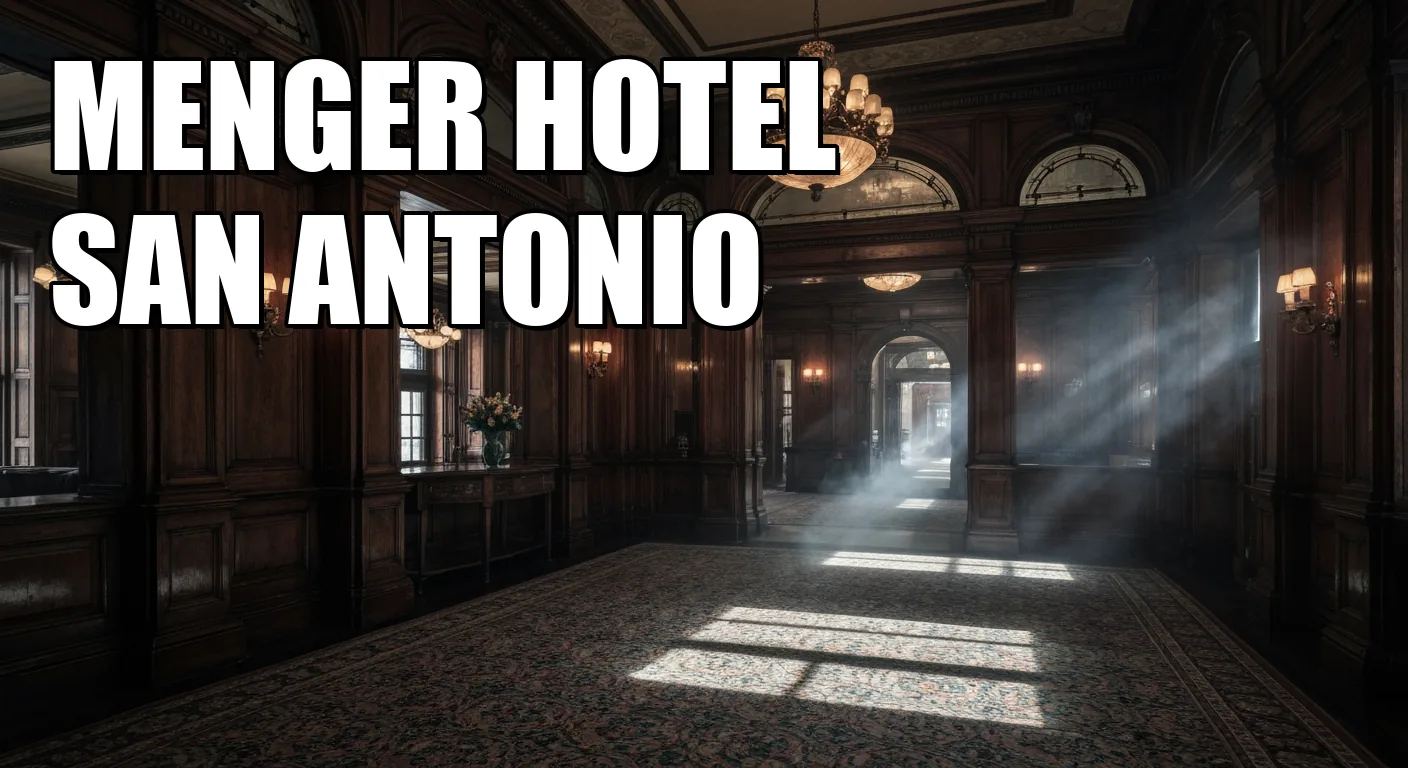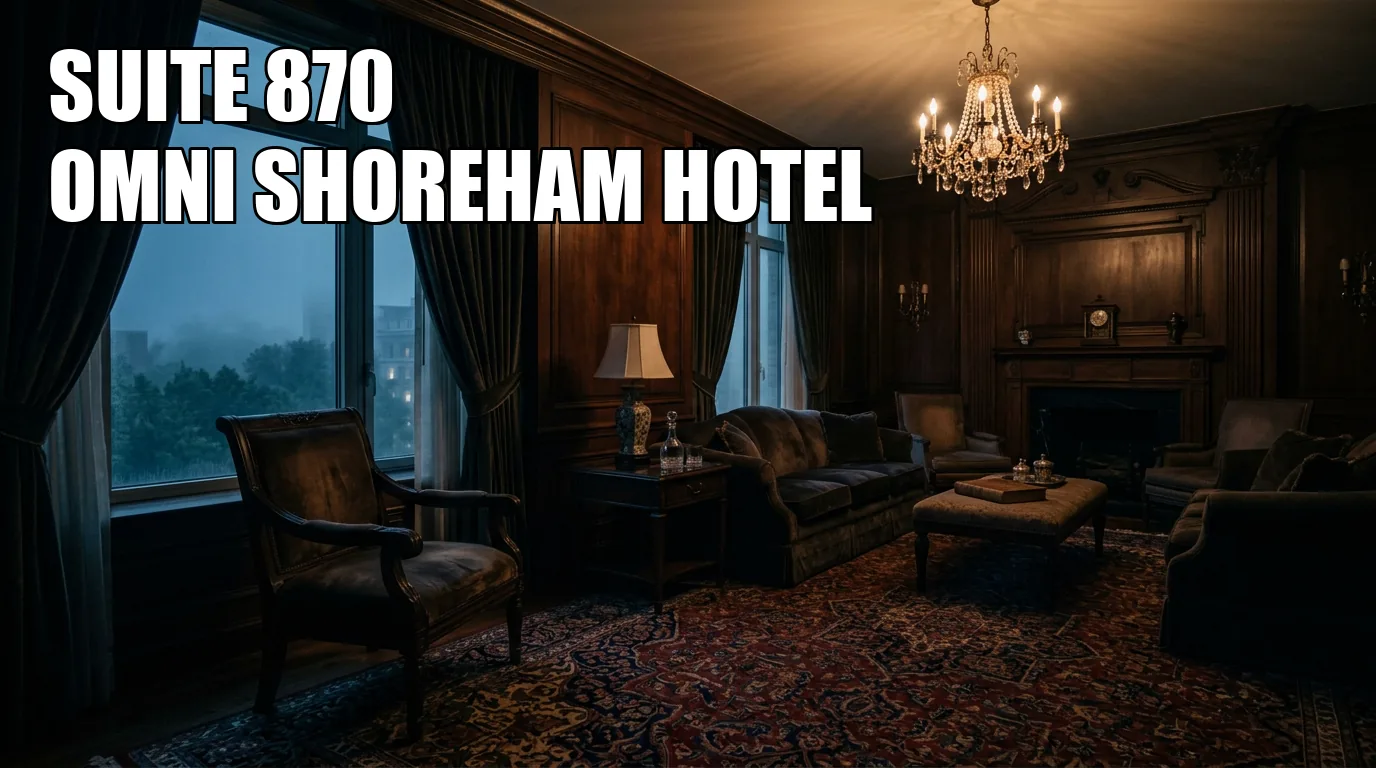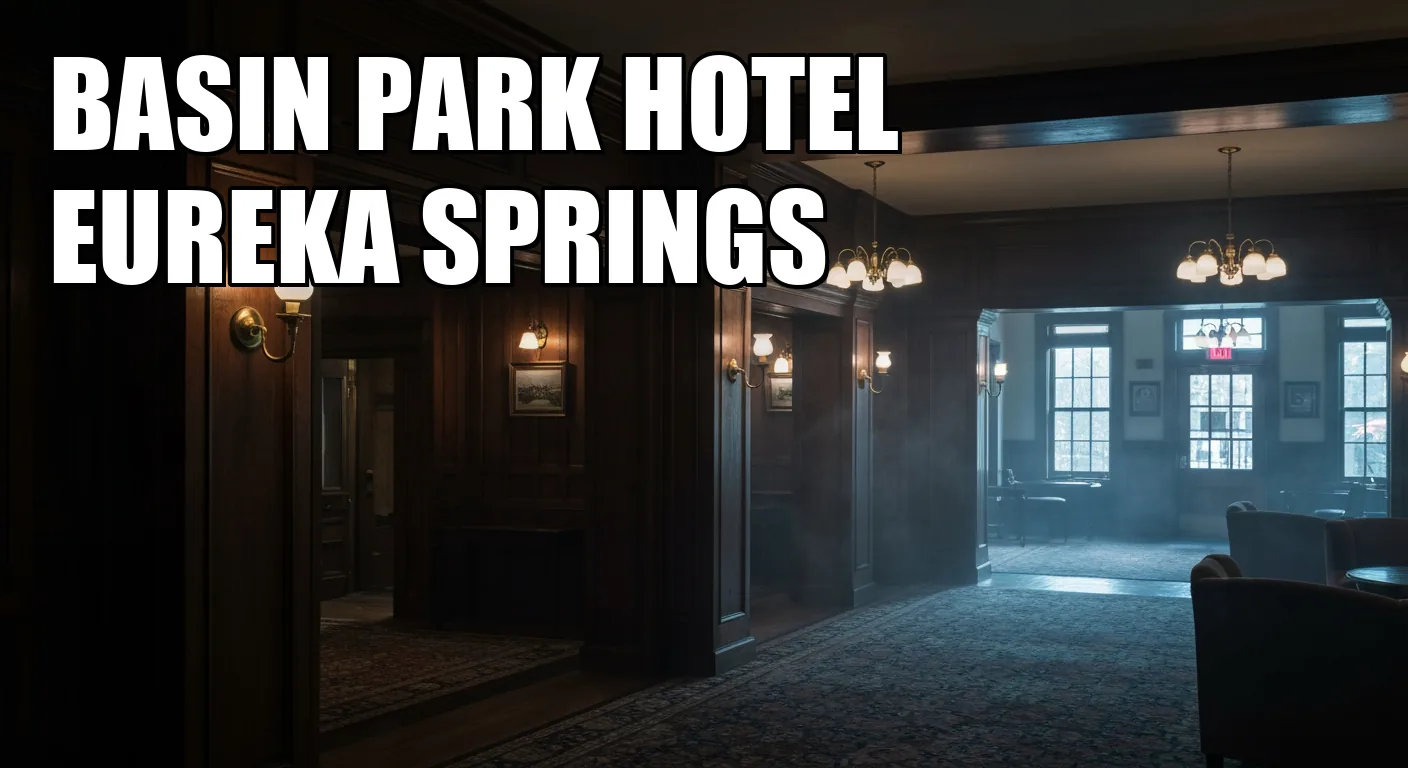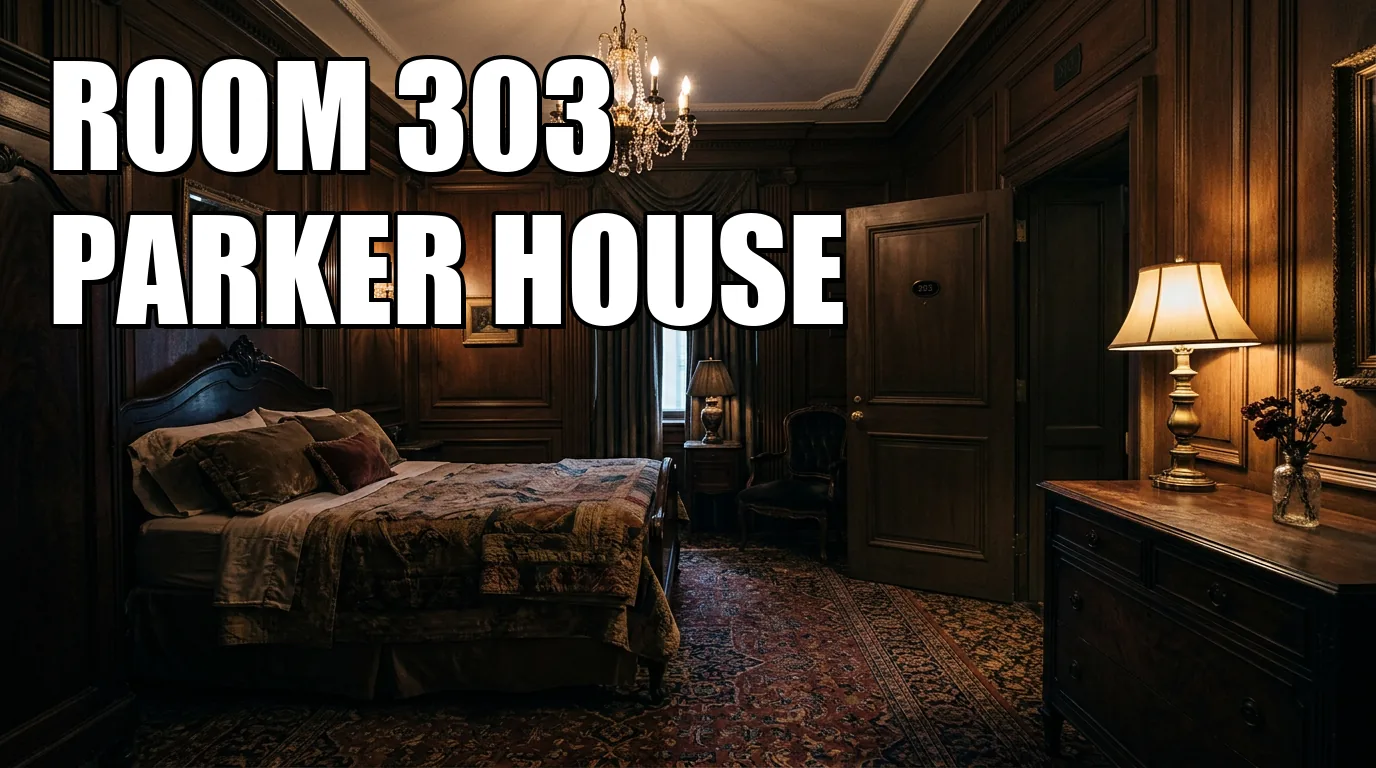
Most bad heritage trips are not ruined by the wrong attraction. They are ruined by the wrong overnight logic. Travelers think they are buying access to one famous house, one haunted hotel, or one old district, but the room quietly reshapes the whole weekend. It decides whether the trip feels theatrical or generic, compressed or open, walkable or wasted, expensive in a satisfying way or expensive for no emotional return. That is why this section exists. It is not a directory of “where to stay” pages. It is where the site stops admiring places from a distance and starts helping you choose the version of the trip you actually want to inhabit.
That matters even more in this niche because historic travel creates false equivalences. A city-center room and a landmark-hotel room can look “close” on a booking map while delivering completely different nights. A French Quarter stay and a CBD stay can both sound like New Orleans while feeding different versions of the city. A Salem room in October and a Salem room in shoulder season may technically serve the same destination but emotionally they are different products. A strong planner should tell you that before you compare rates. Otherwise you are only shopping logistics while pretending you are designing a trip.
How to use this hub: start here if the destination is already plausible and the remaining question is what kind of stay makes the trip feel right. If the airport, corridor, or transfer pattern is still unresolved, jump to Flight Planning first and come back once the arrival is under control.
What This Layer Is Actually Trying to Solve
This layer sits between inspiration and booking. The research pages tell you what is happening nationally. The property pages tell you the truth about one place. The planners handle the more difficult middle move: the part where you already care, but have not yet decided what kind of overnight would make the trip coherent. That middle move is where many sites become useless. They either stay too editorial and never help you choose, or they jump straight into widgets and generic neighborhood lists before you even know what the weekend is supposed to feel like.
These planners are built to do the harder thing. They are supposed to sort the emotional logic before the money tool appears. That is why the strongest pages here are not short. They need enough room to distinguish one trip from another, because “just stay nearby” is exactly the advice that makes historic travel feel more forgettable than it should.
The Five Trip Shapes That Keep Appearing on This Site
| Trip shape | What is really driving it | What the hotel should do |
|---|---|---|
| Named-hotel first | The property itself is part of the reason for going. | Keep the overnight honest and stop pretending a generic base can replace the thing you actually want. |
| District-first city weekend | The place matters, but the real memory will be made by the larger grid around it. | Choose for walkability, night rhythm, and whether the district still feels alive after the attraction closes. |
| Landmark-estate weekend | One mansion, estate, or major property is the emotional anchor. | Let the stay orbit the landmark instead of treating it like one stop in a generic metro break. |
| Corridor trip | Two destinations are competing for the overnight. | Decide which place deserves the night rather than pretending both can dominate equally. |
| Park-or-site first weekend | The landscape or historic site is the point, and the hotel is there to support the day that matters most. | Optimize for the energy of the morning and evening, not only for the myth of one building. |
How to Tell if a Named Hotel Really Deserves the Overnight
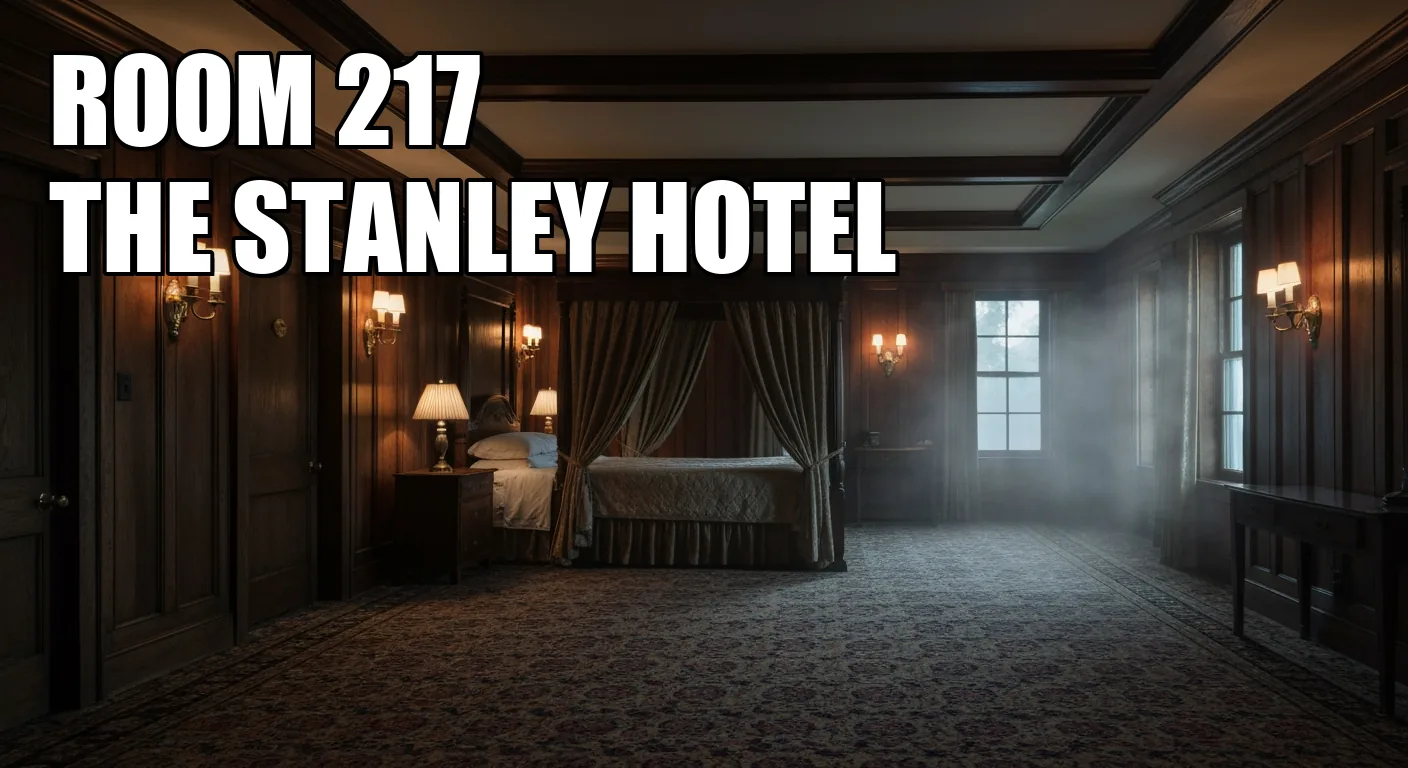
Named hotels deserve the room when the trip becomes less vivid without them. That is the test. If the property is only interesting as a story you can read after coming home, then it may be a visit, not a stay. But if the night changes meaning when you sleep there, if the arrival, the after-dark atmosphere, the building itself, or the morning after are part of what makes the weekend feel rare, then the hotel should stop being treated like ordinary inventory. That is why pages such as New Orleans Historic Hotel Planner, Salem Historic Stay Planner, and Estes Park Stanley Hotel Stay Planner exist. They are not merely about proximity. They are about whether the place itself deserves the night.
The opposite is also true. A named property can seduce you into overpaying for a mood you will barely use. If most of the day belongs elsewhere and your favorite version of the trip lives in the district, the site, or the city rather than inside one building, then the famous hotel may be overclaiming the weekend. A good planner tells you that too.
When a City Base Beats the Famous Property
Historic travel is full of trips where the anchor attraction is real but the overnight should still belong to the city. Washington and Boston often work this way. Even New Orleans can. In those places, the larger urban rhythm may matter more than being closest to the named property. The question becomes whether you want the city to keep unfolding after the main stop is over, or whether the landmark hotel is supposed to keep the whole trip emotionally contained. Those are different purchases. This hub is here to stop them from getting flattened into one booking map.
If you keep that distinction in mind, the planners below become easier to use. You are not browsing every good destination page at once. You are choosing whether the room should behave like part of the attraction, part of the district, or part of a broader route.
The Mistake of Booking a Corridor Trip Like a Single-City Trip
Some of the most expensive travel mistakes on this site come from corridor confusion. Boston and Salem. Providence and Newport. Washington and Mount Vernon. Denver and Estes Park. In all of them, the airport is often obvious, but the night is not. Travelers assume the smaller place can be “done” from the larger one or the larger one can be safely ignored because the smaller destination is the fantasy. Sometimes that works. Often it creates a trip that spends more energy transferring than living.
The right planner makes one side of the corridor feel more rightful than the other. It does not simply tell you that both exist. It helps you decide which one deserves the night, because the night is where historic travel becomes either atmospheric or generic.
The Planner Sequence That Usually Works Best
| If you are stuck on this... | Open this next | What it solves |
|---|---|---|
| "I know the city, but not the right district or kind of stay." | New Orleans, Savannah, Chicago | These separate named-hotel glamour from the broader stay logic around it. |
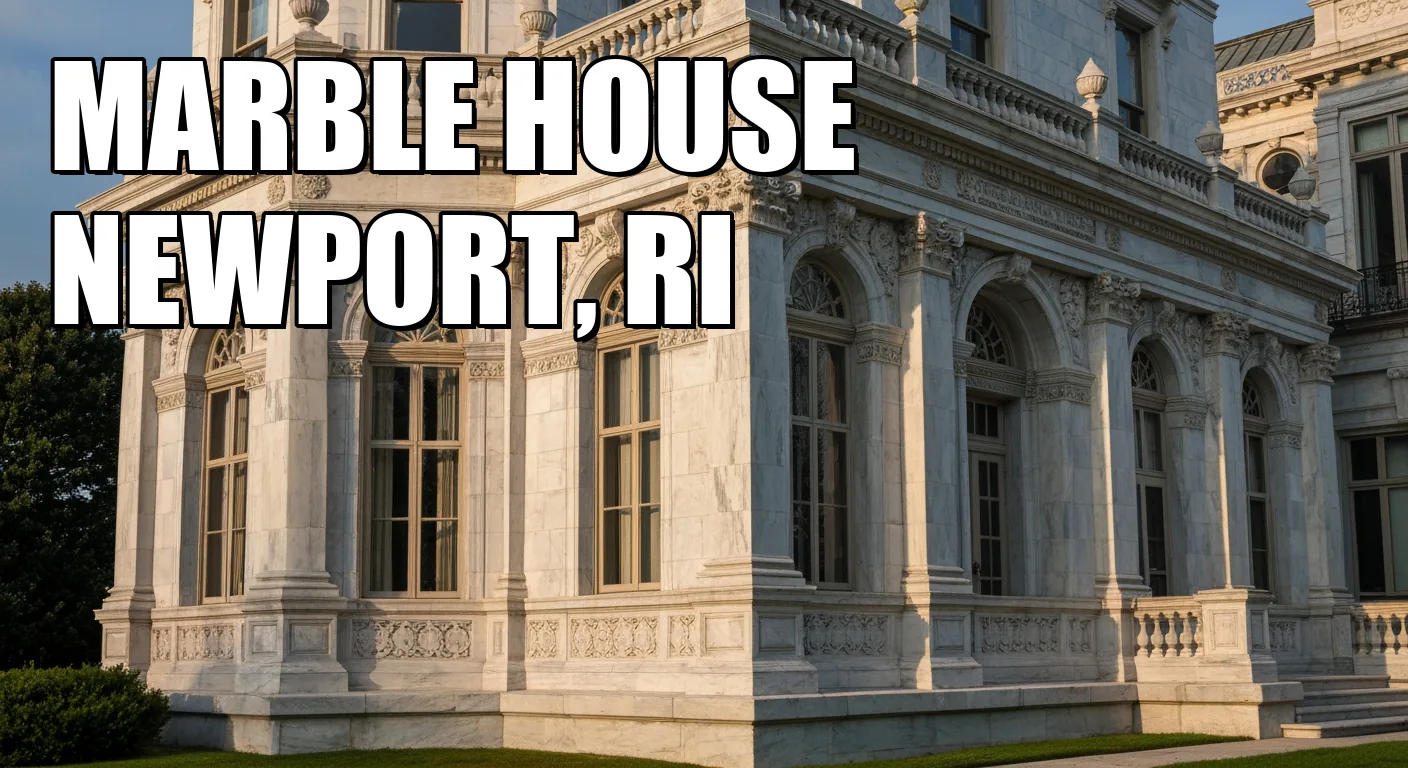
| "One landmark property is driving the trip." | Biltmore, Newport, Estes Park / Stanley | These decide whether the landmark should own the overnight or merely shape one day. |
| "I still have not decided which place deserves the night." | Flight Planning | That means you still have a corridor or arrival problem, not just a hotel problem. |
How to Use the Widget Without Letting It Cheapen the Trip
The hotel tools live here for a reason. They belong only after the stay shape is clear. Open them once you know whether you want the named property, the right district, the landmark orbit, or the corridor choice that gives the whole weekend a center of gravity. Used too early, booking tools make unlike things look comparable. Used at the right moment, they become efficient instead of flattening.
That is the broader philosophy of this layer. Planning pages should not be embarrassed to convert. They should simply earn the conversion by doing the editorial work first.
What the Best Planner Leaves You With
A strong planner does not merely narrow rooms. It leaves you wanting one version of the trip more clearly than before. It sharpens desire. It makes the wrong stay feel less tempting, even if it looks cheaper or more “central” on paper. It helps you feel whether the night belongs to the Quarter, the square, the mansion, the mountain hotel, or the city beyond it. That is when a historic trip stops sounding like a list of attractions and starts sounding like a weekend worth protecting.
If that is the moment you are in, use the planners below aggressively. They are here to make the stay specific before the booking engine makes it generic.