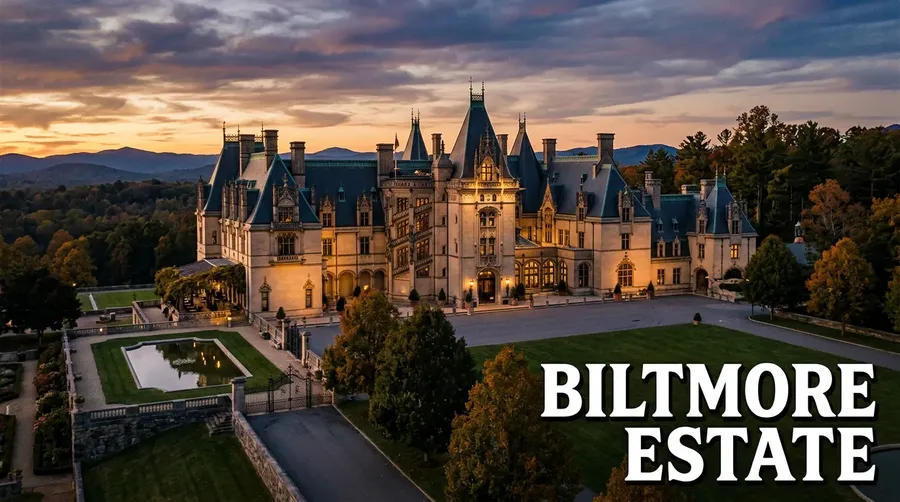
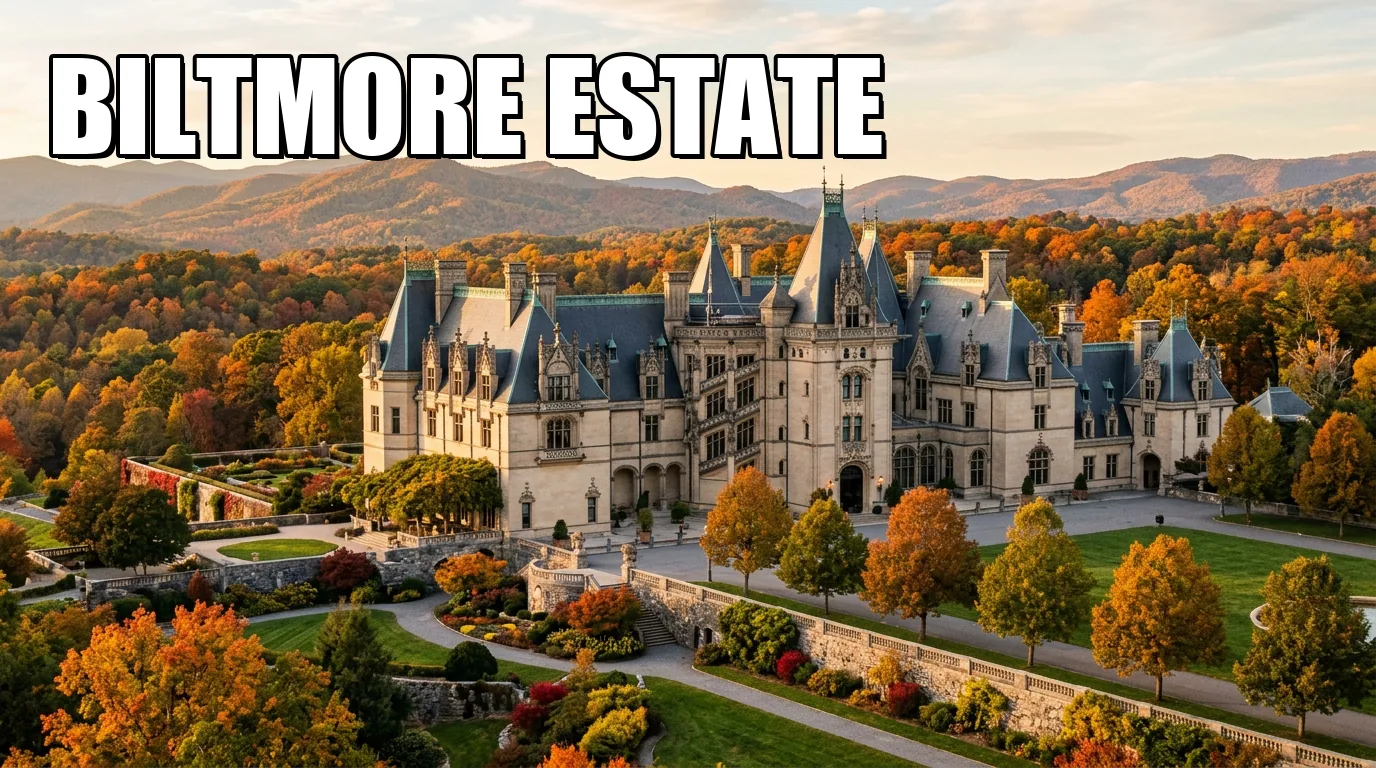
Can you take an official Biltmore ghost tour? No. The estate does not sell paranormal tickets, does not put hauntings on the itinerary, and management’s public line is that the only “spirits” they discuss are the ones from the winery. If a blog sells you a midnight EMF walk through the 250-room house, it is selling fiction about access — not a product you can buy at the gate.
What you can buy in 2026 is timed house entry, grounds-only days, evening light programs, and estate lodging — plus independent walking tours in Biltmore Village outside the gates. That is the skeptic’s map: pay for Gilded Age architecture, treat ghost claims as third-party folklore, and know the rate card before October and Christmas surge pricing.
Can you hunt ghosts at Biltmore House?
Not officially, and not practically. Daytime and evening visits are self-guided (or special guided add-ons) under heavy crowd and security load — sources put annual visitation over 1.4 million. You will not get a private basement lockdown. Estate gates and ticketing run long days (admission centers commonly 9 a.m.–9 p.m.); house entry requires a reserved time slot on the ticket. The winery typically runs about noon–7 p.m.
Want a branded ghost walk anyway? Book off-estate. Haunted Asheville–style products such as a Biltmore Village Mystery Tour (about 60–90 minutes) sell the village’s dark stories, not a Vanderbilt permission slip. Classic Asheville ghost walks often price around $27 adult / $15 youth — completely separate from estate admission.
2026 ticket and lodging numbers (no ghosts included)
- Grounds only: from about $50.
- House & grounds (day): roughly $69–$155 pre-tax depending on season and demand — winter lows nearer $69–$109, summer $90–$125, October $110–$145, Christmas stretch $130–$155.
- Advance online: about $10 off daytime tickets vs walk-up patterns.
- Kids: 16-and-under free in summer through Labor Day in cited promos; outside summer, youth (10–16) tickets often $32–$54 below adult, 9-and-under free without audio gear.
- Luminere / evening light: grounds from ~$65; house + grounds packages from ~$130; program windows into evening (garden glow cited ~9:15–11 p.m.).
- Candlelight Christmas: house packages from ~$110; exclusive small-group candlelight from ~$345 (about 90 minutes, ~8 guests).
- Annual pass: about $299 (promotional drops toward $249 cited through mid-2026 sales windows).
- Stay on estate: Inn on Biltmore roughly $390–$1,043+ by season; Village Hotel ~$280–$807; cottages can clear $1,000–$3,000+ on peak nights.
Calendar notes from the research set: estate open 365 days; Luminere-type evenings cited through mid-October 2026; Candlelight Christmas roughly early November 2026 into early January 2027. Always re-check the official calendar when you buy — variable pricing moves weekly.
Documented Vanderbilt fact vs pool-and-pink-lady lore
- Fact: George Vanderbilt died in 1914 in Washington, D.C., after complications of an emergency appendectomy — not a ghost story set piece in the library. The indoor pool held about 70,000 gallons and needed frequent drain-and-fill because it lacked a modern filtration system. Management denies drowning deaths there; no official documentation supports the party-drowning rumor.
- Lore: Edith whispering George’s name by the library fire; phantom splash and children’s laughter from the empty pool; a headless orange garden cat; cigar smoke in a now smoke-free mansion. Colorful, unproven, and unnecessary if you came for Richard Morris Hunt’s house and Olmsted’s grounds.
- Off-estate caution: commercial Asheville tours sometimes invent details — the “Burning Bride” framing of Laura Schafer’s fatal clothing fire is a documented case of tour scripts outrunning primary accounts. Grove Park Inn’s “Pink Lady” and Battery Park murder ghosts are local product, not Biltmore estate history.
Skeptic’s rating of the Biltmore “haunt” product
- Official ghost access: 0/10 — does not exist.
- Architectural and landscape value: 10/10 — this is why the ticket exists.
- Documented human story (Vanderbilts, staff, 1930 public opening): 9/10 — richer than any EVP.
- Third-party village ghost walks: 5/10 entertainment, variable history quality.
- Value if you only came for scares: 2/10 — buy a dedicated haunted hotel instead (Stanley, Crescent) and keep Biltmore for the house.
Bottom line: Unmask the Biltmore ghost industry by noticing it is mostly off-property. Inside the gates you buy timed Gilded Age access from about $50 grounds-only to $155 peak house days — not a séance. Edith’s whisper and the pool drowning remain unverified folklore next to a very real 1914 death certificate and a very real ticket price.
Biltmore Ghosts FAQ
Does Biltmore Estate offer ghost tours?
No. The estate does not sell official ghost or paranormal tours and does not promote hauntings. Management’s joke line is that the only spirits they discuss come from the winery.
How much is Biltmore admission in 2026?
Grounds-only tickets start around $50. House and grounds daytime tickets commonly run about $69–$155 depending on season and demand, with Christmas and fall at the high end. Buying online in advance often saves about $10.
Can you stay overnight on the Biltmore Estate?
Yes — at the Inn on Biltmore Estate, the Village Hotel, and estate cottages. Nightly rates swing hard by season (Inn roughly high-hundreds to over $1,000 on peak Christmas dates). That is lodging, not a ghost hunt.
Are there real documented hauntings at Biltmore?
There is no official estate documentation of hauntings. George Vanderbilt’s 1914 death and the engineering quirks of the old indoor pool are historical facts; library whispers, pool drownings, and phantom cats are visitor and tour lore.
Where can I take a ghost tour near Biltmore?
Independent companies run walking tours in Biltmore Village and downtown Asheville outside the estate gates — often about $27 for adults. Those tickets do not include mansion entry and are not estate-sponsored.
The Cornerstone Brief
One historic place, once a week — what it is, why it matters, whether it's worth going. No filler, no paid placements.
Coming soon. Unsubscribe any time.