Bed & Breakfast

Historic Inns: Unlocking America's Past, Room by Room

There's a peculiar magic that settles over you when you sleep in a place where history didn't just happen *around* it, but *within* its very walls. As a travel writer who's spent decades wandering through America’s most significant sites, I've learned that the best way to peel back the layers of the past isn't always through a museum exhibit or a monument. Sometimes, it's by simply checking into a historic bed and breakfast, allowing the echoes of prior centuries to seep into your experience. You gain a visceral understanding, a texture often missed in the quick-stop tourist shuffle, especially when these inns serve as perfect springboards for immersive walking tours. For those planning a journey into the heart of American history in 2025, I’ve pulled together a few exceptional properties that offer far more than just a place to lay your head.

Concord's Colonial Inn: Where Revolution Met Literary Genius

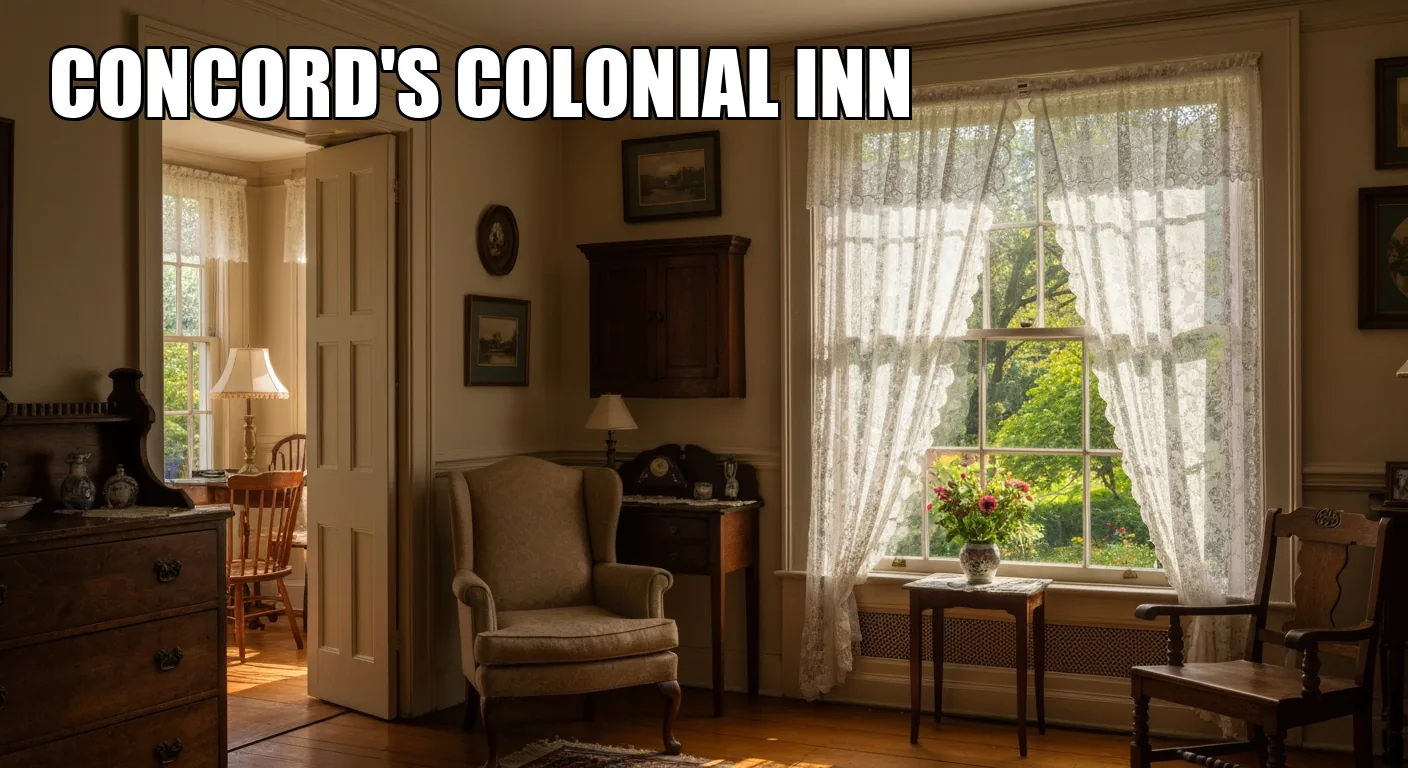
Stepping into Concord’s Colonial Inn, established in 1716, feels less like checking into a hotel and more like entering a living diorama of early American life. This isn't some mere "historic-themed" establishment; it’s the genuine article, a silent witness to the very birth pangs of the United States. Its placement in Concord, Massachusetts, is frankly unbeatable for anyone keen on the Revolutionary War, acting as a central hub from which to explore the town’s remarkably preserved historic district.

Do typical guidebooks fully convey the duality of Concord? Most will, rightly, trumpet its role in the "shot heard 'round the world," but many overlook the profound literary legacy that later bloomed from these same New England fields. Here, you're not just a stone's throw from the North Bridge—the legendary site where colonial militia engaged British regulars on April 19, 1775—but also within easy strolling distance of the homes of Louisa May Alcott, Ralph Waldo Emerson, and Henry David Thoreau. Imagine starting your day with a hearty New England breakfast, then tracing the footsteps of patriots before shifting gears to ponder the transcendentalist movement. It’s a powerful combination that few other places can offer, revealing two distinct, yet equally formative, chapters of American identity.

What truly elevates the inn, however, is the almost chilling intimacy of its wartime past. Room 24, for instance, wasn't just *part* of history; it *was* history. It served as Dr. Timothy Minot Jr.'s operating room, a makeshift field hospital where wounded patriots were tended following the skirmishes at Lexington and Concord. You can book this very room, and while the exact cost isn't usually advertised for specific historical rooms, general off-peak rates—typically available in the quieter months of January, February, March, November, and December—range between $120-$170 per night. Visiting during these colder periods offers a particular quietude; fewer crowds mean you can almost hear the faint cries and hurried whispers from centuries past. Just be prepared for brisk walks along the Minute Man National Historical Park trail, where the raw, damp air can evoke the fortitude of those who fought there.

Farnsworth House Inn: Bullet Holes and Burdened Spirits in Gettysburg

Gettysburg is, for many, a pilgrimage site, and staying at the Historic Farnsworth House Inn places you directly on the battlefield’s historic walking tour route, an experience that transcends mere accommodation. This isn't a quaint escape; it's an immersion into one of the most brutal and pivotal moments in American history. The raw, visceral reality of the Civil War here is often overwhelming, and the Farnsworth House captures much of that intensity, not with theatrical reenactments, but with tangible, enduring evidence.

Could any other building articulate the sheer chaos of battle as starkly as this one? The inn’s exterior walls bear over 100 bullet holes, still visible, each a silent pockmark from the hellish fighting in July 1863. Walking around the perimeter, running a finger over those scars, provides a sobering counterpoint to the manicured lawns and monuments of the surrounding battlefield. It brings the conflict down to a deeply personal, almost terrifying, level. Inside, the Jennie Wade Room carries its own heartbreaking story. Jennie Wade, the only civilian killed during the three-day Battle of Gettysburg, was preparing bread for Union soldiers on July 3, 1863, when a stray bullet pierced her kitchen door and ended her life. This room, commemorating her tragic fate, serves as a poignant reminder of the non-combatant casualties and the sheer indiscriminacy of war.

The Farnsworth House isn't just a place to sleep; it’s an active participant in the town’s historical narrative, offering its own tours that delve into its wartime past and the lingering energy many claim still resides within. Expect to pay around $125-$161 per night, with off-peak rates typically found during the shoulder seasons—think late fall after the foliage peaks, or early spring before the summer crowds descend. While Gettysburg can sometimes feel overrun with commercialized "ghost tours" and souvenir shops, the Farnsworth House manages to retain a genuine connection to its somber history. My advice? Arrive early in the day for your walking tours; the battlefield, particularly around sites like the Devil’s Den and Little Round Top, can become incredibly busy, diluting the profound sense of reverence the place rightly commands. This isn't just sightseeing; it's an encounter with national trauma.

Charleston's John Rutledge House Inn: A Founding Father's Grand Abode

Charleston, South Carolina, is a city built on stories, where every cobblestone alley and iron-gated mansion seems to whisper tales of colonial grandeur and antebellum drama. At the heart of this narrative stands the John Rutledge House Inn, a magnificent National Historic Landmark dating back to 1763. This isn't merely a pretty old building; it's the former home of John Rutledge, a pivotal figure in American history—a signer of the U.S. Constitution and a governor of South Carolina. His story, perhaps less sung than some of his more celebrated contemporaries, is nonetheless crucial, reminding us that the creation of the republic was a complex tapestry woven by many hands.

How often do we get to sleep in the very home of a man who literally shaped the foundational document of our nation? The architectural integrity alone is astonishing; the property boasts original elements that transport you back to the 18th century, a tangible link to the wealth and political power that defined Charleston’s elite. Its central location makes it an ideal starting point for exploring the city’s famed historic district on foot. You can easily wander through Rainbow Row, stroll past the Battery, and immerse yourself in the city's unique blend of culture and history. The inn isn’t just a centerpiece for walking tours; it actively embodies the city's sophisticated past.

One particular highlight connects the inn to another towering figure: George Washington himself. During his 1791 presidential tour of the fledgling nation, Washington shared breakfast at the Rutledge residence. While the specific room where the first president dined isn't identified in available records—a minor detail that, to me, adds a touch of mystery and reminds us that not every historical fact is neatly packaged—the mere fact of his presence here elevates the experience. Imagine the conversations that took place, the forging of political bonds, the very act of building a new country unfolding within these walls. If you’re considering a visit, expect Charleston rates to be higher than Concord or Gettysburg, with general pricing starting around $306 per night. Off-peak rates are notably lowest during August, though be forewarned: Charleston in August is notoriously hot and humid. However, for those willing to brave the heat, it offers a more budget-friendly window into this utterly charming, historically rich city.

Beyond the Brochures: Practical Wisdom for Your Historic Stay

When selecting a historic B&B for an immersive walking tour, what often gets lost in the glossy images is the practical reality of connecting with the past. These aren’t modern chain hotels; their charm lies in their age, which can sometimes mean quirks. Rooms might be smaller, floorboards creak, and amenities, while comfortable, won't always mirror contemporary luxury resorts. This is precisely the point, of course: you’re trading sterile predictability for authentic character. Each of these inns, for example, offers a distinct flavor of history—from the raw, revolutionary zeal of Concord to the somber, reflective atmosphere of Gettysburg and the elegant, foundational heritage of Charleston. Understanding this before you arrive helps set the right expectations.

My seasoned advice for visiting any of these locales in 2025? Always contact the property directly for the most accurate and up-to-date information, especially regarding specific room availability and off-peak pricing. Online aggregators are useful, but for truly unique rooms like Concord's Room 24 or Gettysburg's Jennie Wade Room, a direct call often yields the best results and perhaps even insights into the specific stories tied to your chosen accommodation. Furthermore, while the source data provides general off-peak windows, be mindful that "shoulder months" can still see fluctuations, particularly around holidays or local events. Booking well in advance, even for off-peak travel, is always a prudent strategy, especially if you have your heart set on a particular room or experience.

Consider the pace of your visit. These aren’t destinations to be rushed through. Concord, with its literary and revolutionary sites, invites thoughtful contemplation. Gettysburg demands time for reflection and emotional processing; don't underestimate the impact of walking that hallowed ground. Charleston, with its intricate architecture and rich cultural tapestry, rewards slow exploration, perhaps with a sweet tea in hand. The true value of staying in these historic inns isn't just in the comfortable bed or the charming breakfast; it’s in the access they grant to a profound, living history, offering a quiet moment of connection that mass tourism often overlooks. They serve as more than just lodging; they become an integral part of your historical journey, offering insights that only a genuine, time-worn structure can provide.

Your Complete Guide to Historic Walking Tour Bed & Breakfasts in America

What is a historic walking tour bed and breakfast guide?
A historic walking tour bed and breakfast guide combines guided or self-guided walking tours with overnight accommodations in charming, historically significant inns and bed & breakfasts. These experiences typically include lodging, breakfast, and curated walking routes through historic neighborhoods, featuring architecture, museums, and cultural sites with luggage transport between properties for multi-day tours.
What are the best walking tour companies?
Top-rated walking tour companies include Trafalgar (4.6 rating with 98,086 reviews), Insight Vacations (4.7 rating with 41,736 reviews), Wildland Trekking (#1 on TripAdvisor), Backroads, Country Walkers, and Witch City Walking Tours (ranked #1 Cultural & Historic Tour in the USA). Each specializes in different destinations and activity levels.
How much should I leave for a free walking tour?
For a typical 2-3 hour free walking tour, gratuity recommendations range from $10-20 per person, with $15-25 per person typical in expensive cities like New York. Factors include tour quality, duration, group size, and the guide's expertise.
How to plan a perfect city walking tour?
Research attractions before arrival and create a list of must-see sites; map your route using Google Maps and arrange stops in logical order; wear comfortable walking shoes; pack a backpack with water, snacks, and sun protection; check weather and dress in layers; and consider calling the local tourism office for current recommendations.
Are Vermont walking tours difficult?
Vermont walking tours vary in difficulty from easy to challenging depending on the itinerary. Inn-to-inn tours typically involve moderate walking (40-44 miles over four days with daily assistance), while standalone hiking can range from gentle countryside strolls to strenuous mountain trails requiring good fitness levels.
What is the best month to go to Vermont?
October is the best month to visit Vermont for peak fall foliage season starting in early October, though September also offers excellent weather and fewer crowds. June is ideal for summer activities with warm weather and fewer crowds post-ski season, while spring (May-June) offers lower prices and pleasant temperatures.
What is the most charming town in Vermont?
Montpelier, Vermont's capital, was named the most charming small town in Vermont by HGTV for its thriving arts and music scene, diverse cuisine, fine restaurants, New England Culinary Institute, and being the only U.S. state capital without a McDonald's or Starbucks.
How difficult is the Long Trail in Vermont?
The Long Trail is a very difficult, strenuous, and challenging hike due to rocky, rooty, and muddy terrain with significant elevation changes throughout its 272.4 miles. Mile for mile, it is considered harder than comparable trails due to its terrain and weather conditions.
How hard is the Eagle View walk?
Eagle's Bluff in Fairlee, Vermont, a 2.15-mile walk with moderate difficulty, features short but steep sections and is considered challenging despite its short distance. The walk offers scenic views and can be done in roughly 1-2 hours depending on fitness level.
How long is a typical Vermont walking tour?
Vermont inn-to-inn walking tours typically span four days covering 40-44 miles total with daily walking distances ranging from 8-14 miles. Most individual historic city walking tours last 2-3 hours covering 1-3 miles.
What should I pack for a historic walking tour?
Pack comfortable, broken-in walking shoes, weather-appropriate clothing with layers, a backpack, water bottle, sun protection (sunscreen and hat), light snacks, a first-aid kit, and a portable phone charger. For multi-day tours, tour operators typically handle luggage transport between inns.
What are the best cities for historic walking tours and bed & breakfasts?
Boston, Charleston (South Carolina), New Orleans, Philadelphia, and Washington D.C. are top destinations with abundant historic B&Bs within walking distance of major attractions. Each offers rich history, walkable neighborhoods, and charming accommodations ranging from Victorian mansions to historic row houses.
What physical fitness level is required for historic walking tours?
Most historic city walking tours require moderate fitness with the ability to walk 2-3 hours per day on mostly level terrain. Inn-to-inn tours require higher fitness levels with daily walking of 8-14 miles on varied terrain; fitness ratings typically range from Level 2 (moderate) to Level 3 or 4 (active).
How much do historic walking tours with B&B accommodations cost?
Guided city walking tours range from $29-$100 per person for half-day experiences to $100-$200+ for full-day tours. Multi-day inn-to-inn packages with lodging and meals start around $1,675+ per person for five nights and can reach higher prices for luxury accommodations and premium locations.
What should I expect on a historic walking tour?
Expect expert guides sharing detailed historical information about architecture, local history, and cultural significance; opportunities to stop at museums, galleries, and local businesses; and leisurely paces allowing photo opportunities. Most tours operate rain or shine, so weather-appropriate clothing is essential.