Photo by Sophia Laurent for Cornerstone Mansion · April 12, 2026
Some travelers seek comfort; others chase a story. For those of us who yearn for both, a genuinely antique bed and breakfast isn't merely accommodation—it's a portal. Stepping across the threshold of a centuries-old inn, you don't just occupy a room; you inhabit a piece of the past, often complete with the whispers of those who came before. After decades wandering the backroads and bustling historic districts of this country, I've learned that the true magic lies not just in the polished mahogany and period wallpaper, but in the unexpected insights these places offer into America's complex narrative.
But how do you sift through the merely *old* to find the genuinely *extraordinary*? Many places claim "historic charm," yet deliver only a dusty imitation. The secret, I've found, is to look for establishments where the history isn't just displayed, but *felt*—where the walls tell tales, sometimes literally. Forget the generic travel brochures; let’s delve into five remarkable antique-furnished bed and breakfasts across the United States that offer far more than just a good night’s sleep. Each promises an experience that challenges expectations, invites introspection, and occasionally, sends a shiver down your spine.
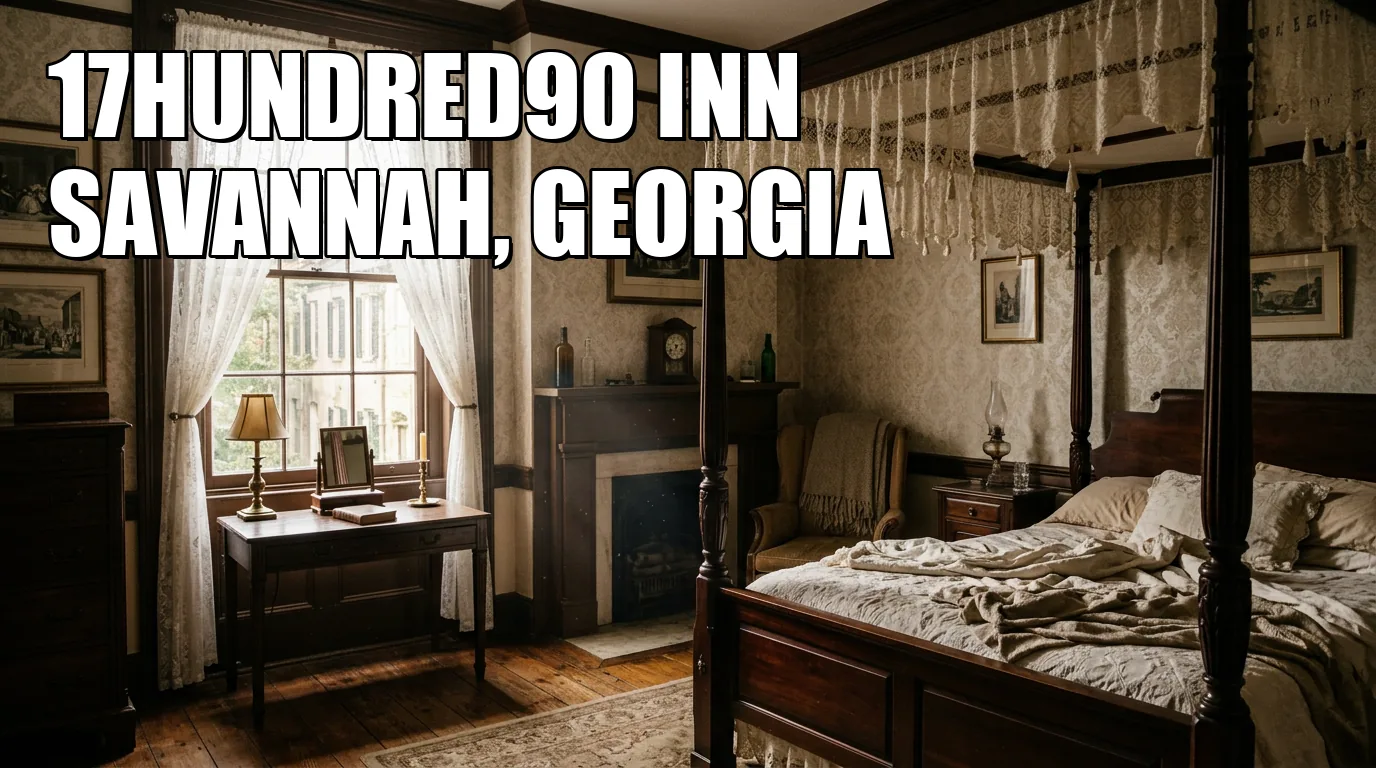
Savannah's Spectral Grandeur: What Lurks at 17Hundred90?
Ask any visitor to Savannah about its most famous haunts, and the 17Hundred90 Inn invariably surfaces. Constructed in 1820, this isn't just an old building; it’s a vibrant, sometimes unsettling, piece of the city's living history. What makes it genuinely captivating, however, isn't just the age, but the sheer conviction of its ghostly inhabitants. You'll find yourself wondering, as I did, if the tales are clever marketing, or if there's truly something more.
The inn's most infamous chamber, Room 204, colloquially known as "Anna's Room," occupies the second floor and demands a two-flight ascent by stairs—a small detail that might deter those with heavy luggage, but adds to its secluded mystique. Within, a distinctive four-poster King bed anchors the colonial-furnished space, hinting at the tragic romance that defines its legend. Anna, a lovelorn sailor’s paramour, is said to have plunged to her death from the balcony here in the late 1800s, abandoned and heartbroken. Guests consistently report hearing disembodied sobs, encountering her apparition by the bed, or finding their personal effects mysteriously shifted. While some might dismiss these as mere theatrics, the inn keeps a meticulous guest journal, filled with firsthand accounts of Anna and other resident spirits, including Thaddeus, who allegedly leaves dimes in the restaurant, and a mischievous kitchen ghost. Expect average nightly rates in 2025 to hover around $185-$225. If you decide to embrace the paranormal, booking well in advance for Room 204 is non-negotiable, particularly on weekends, as it remains one of Savannah's most sought-after (and chilling) experiences.
Concord's Colonial Inn: A Revolutionary Bedside Manner?
Few places allow you to literally sleep within the pages of American history quite like Concord’s Colonial Inn. Dating back to 1716, this venerable establishment is one of the nation's oldest continuously operating inns, and its very timbers witnessed the spark of revolution. The central section served as an actual ammunition storehouse for the Minutemen before the Battle of Concord in 1775, a visceral connection to the past that even the most jaded traveler can appreciate. It’s one thing to read about history; it’s another to wake up where it was made.
Yet, beyond the palpable sense of colonial rebellion, the inn offers another, more ethereal connection to its past through its resident spirits. Room 24 holds the distinction as the most haunted, a detail that often gets tourists clamoring for it. During the early days of the Revolutionary War, Dr. Timothy Minot Jr. converted this very space into an emergency operating room, tending to wounded Continental Army soldiers. Imagine the cries, the pain, the sheer desperation that soaked into these floorboards. Today, visitors report objects falling from shelves, items vanishing only to reappear weeks later, and disembodied voices whispering directly behind them. The apparition of a gentleman in a top hat, often attributed to Henry David Thoreau—who himself resided in the inn’s Thoreau Suite from 1835-1837 during his Harvard studies—or his aunt, adds a touch of literary mystique to the martial hauntings. While the average nightly rate for 2025 can range from $130-$308, securing Room 24 specifically requires an early reservation and a healthy dose of curiosity.
Savannah, it seems, has no shortage of spectral residents, and The Marshall House presents another compelling, and considerably grimmer, chapter in its haunted narrative. Built in 1851 by Mary Marshall, this hotel's history is steeped in hardship and suffering, making its paranormal claims feel less like a novelty and more like an echo of profound trauma. It wasn't just a grand inn; it was a Union hospital during the Civil War, and later, a crucial refuge during devastating yellow fever epidemics of the 19th century.
What truly sets The Marshall House apart from other "haunted" venues isn't merely the volume of ghost stories, but a chilling archaeological discovery made during 1990s renovations. Workers unearthed human remains—specifically, amputated limbs from Civil War soldiers—beneath the floorboards in Room 207 and surrounding lower areas, where the original surgery room was located. The hotel, to its credit, sealed and preserved this grim site, making it a stark historical monument rather than merely a tale. Predictably, Room 207 now holds an extensive waitlist, as guests report marbles rolling across floors at night, beds being subtly raised (as if preparing for surgery), and apparitions of spectral nurses. Even more unsettling is Room 414, located on the fourth floor where many amputations occurred. Despite professional investigations and even exorcism attempts, this room is notorious for a persistent, inexplicable foul odor of rotting meat. While a stay might cost you anywhere from $160-$237 per night in 2025, prepare yourself for an experience that transcends typical ghost tours, plunging you into the raw, visceral reality of wartime medicine.
Newport's Gilded Age Allure: The Almondy Inn Experience
Steering away from the spectral, our journey takes us to the refined elegance of Newport, Rhode Island, where the Almondy Inn offers a different kind of immersion into history: the opulent world of the Gilded Age. This isn't a place haunted by restless spirits, but by the lingering grandeur of turn-of-the-century wealth and sophisticated design. Built in the 1890s, this meticulously restored Victorian mansion stands as a testament to an era of extravagant beauty and impeccable craftsmanship.
Unlike the often starker, more utilitarian antique inns, the Almondy Inn delivers luxury without sacrificing authenticity. Five individually appointed guestrooms, each featuring fine period antiques and private en-suite bathrooms (most with Jacuzzi baths and bedside gas fireplaces), evoke a sense of pampered nostalgia. However, the crown jewel is undoubtedly the Captain's Quarters, a sprawling three-floor penthouse suite. This isn't merely a room; it’s an apartment. With two master bedrooms, multiple high-ceiling living areas, a working fireplace, and a fully equipped kitchen with laundry, it promises an extended, self-sufficient stay. Dual balconies offer panoramic views of Narragansett Bay and the iconic Newport Bridge, directly overlooking historic Bannister's and Bowens Wharfs. Its strategic location puts you at the heart of Newport's Gilded Age heritage, with the famous Newport Mansions just a stone's throw away. Expect to pay a premium for this level of luxury and historical immersion, with average nightly rates in 2025 typically ranging from $328-$371, especially for the coveted Captain's Quarters. Plan a visit in late spring or early fall to avoid the summer crowds and fully appreciate the area's charm.
Red Boiling Springs' Deepest Haunts: The Thomas House Hotel
Our final stop pulls us back into the realm of the profoundly eerie, trading coastal grandeur for the rugged, rural mystique of Red Boiling Springs, Tennessee. The Thomas House Hotel, originally the Cloyd Hotel from 1890, stands as a prominent figure in America's haunted lore, a reputation cemented after its 1927 rebuilding following a devastating fire. This isn't a place that merely *claims* to be haunted; it's a destination for serious paranormal investigators, having been featured on SyFy's *Ghost Hunters*, *Paranormal State*, and *Portals to Hell*.
What makes the Thomas House particularly compelling, and unsettling, is the sheer volume and consistency of its reported activity, often far surpassing the subtle whispers of other historic inns. Its 130-plus years have seen more than their share of tragedy, including multiple fires, numerous unexplained deaths, documented murders, and even rumors of a cult having sheltered there at one point. Specific rooms like Room 17, Room 35, and especially Room 37 are ground zero for activity. Room 37 is believed to house the spirit of Sarah Cloyd, the young daughter of one of the hotel's founders, alongside other restless entities. Guests routinely report beds moving independently, inexplicable cold spots, fleeting shadow figures, and disembodied voices echoing through the property. Unlike other venues that might playfully lean into their haunted reputation, the Thomas House feels genuinely heavy with its past. Potential visitors should note that 2025 nightly rates are not publicly listed; direct contact with the hotel at 615-699-3006 is necessary for current rates and availability, a small barrier that only adds to its mystique for those truly seeking a profound encounter. This isn't a place for casual ghost hunters; it's for those ready to confront the more intense echoes of history.
Historic Inns and B&B Stays Worth Booking
Use this section for real inns with a clear property story, a defined location, and an overnight stay people can actually plan around.
Charm Through the Ages: Your Complete Guide to Antique Bed & Breakfast Stays
What is the history of antique bed and breakfast accommodations?
The B&B concept originated in Europe and became popular in America after World War II when returning travelers shared their experiences. The industry experienced significant growth from the 1980s onward, particularly after the National Historic Preservation Act of 1966 inspired Americans to restore historic properties and open B&Bs.
What are the best locations for antique bed and breakfast stays in the United States?
Cape May, New Jersey; Charleston, South Carolina; Savannah, Georgia; New England (particularly Vermont); and Ludington, Michigan are renowned for exceptional historic B&Bs with antique furnishings. These areas offer charming Victorian, colonial, and period-style properties filled with authentic period details.
What should I expect in terms of pricing for antique bed and breakfast accommodations?
Antique B&B prices in 2025 typically range from $127 to $500+ per night depending on luxury level and location. Standard historic B&Bs average around $150-300 per night, while luxury properties and peak season rates may exceed this range.
What amenities are typically included in an antique bed and breakfast stay?
Most antique B&Bs include a complimentary full homemade breakfast, period antique furnishings, unique individually decorated rooms, and personalized service from innkeepers. Many also feature modern comforts such as private bathrooms, WiFi, comfortable bedding, and some offer amenities like clawfoot tubs and contemporary entertainment options.
How far in advance should I book an antique bed and breakfast?
Booking approximately 45 days in advance is typical for securing preferred dates. For peak seasons like fall foliage (late September to early October) or holidays, reserving 2-3 months ahead is recommended as popular properties fill quickly.
What is included in the breakfast at an antique bed and breakfast?
Breakfast typically consists of a full homemade meal featuring fresh ingredients, often including items such as eggs, gourmet pastries, fresh fruit, French toast, biscuits, quiche, and locally sourced products. Many innkeepers prepare customized meals based on guest dietary preferences and seasonal availability.
What are the best seasons to visit historic bed and breakfasts?
Fall (late September to early October) is peak season for New England and northeastern B&Bs due to stunning foliage displays, while spring is also popular for its mild weather and blooming gardens. Summer and winter offer less crowded experiences with unique charm.
Are antique bed and breakfast properties pet-friendly?
Many antique B&Bs welcome pets, though policies vary by property. Some allow pets for an additional fee (typically $15-50 per pet, per stay), while others welcome certain pets at no additional charge; it's best to contact the property directly about their specific pet policy.
What are the accessibility considerations for historic antique bed and breakfasts?
Many historic B&Bs have limited wheelchair accessibility due to their architectural preservation requirements, as structural modifications would compromise historical significance. However, some properties offer accessible first-floor rooms or have made reasonable accommodations; contact the B&B directly to discuss specific accessibility needs.
How do I find and book authentic antique bed and breakfast properties?
Search through specialized B&B directories like BreakfastAndABed.com, Booking.com (with B&B property filter), Airbnb (searching 'bed and breakfast'), or TripAdvisor's historic B&B listings. Alternatively, contact state tourism boards or local visitor bureaus for recommendations on authentic antique B&Bs in your desired region.
What is the typical check-in and check-out process for bed and breakfast accommodations?
Standard check-in is typically 3:00 PM and check-out is 10:00-11:00 AM, though these times vary by property and should be confirmed at booking. Many B&Bs offer luggage storage if you arrive early, and some may accommodate early check-in or late check-out for an additional fee.
What makes antique bed and breakfasts different from traditional hotels?
Antique B&Bs offer personalized, intimate hospitality in historic properties with unique decor, whereas hotels provide standardized rooms and services. B&Bs are typically owner-operated with innkeepers providing local knowledge, homemade breakfasts, and individual attention rather than corporate hospitality.
What cancellation and payment policies should I expect when booking an antique bed and breakfast?
Most antique B&Bs require either a deposit or full prepayment at booking time, with cancellation policies generally stricter than hotels due to the small-business nature of these properties. It's essential to review the specific cancellation policy before booking, as terms vary significantly by property.
Can I celebrate special occasions at antique bed and breakfast properties?
Yes, many antique B&Bs are ideal for special occasions like anniversaries and honeymoons, offering romantic settings with period charm and personalized attention. Some properties offer special packages or arrange celebratory additions such as wine and cheese pairings or flowers; contact the innkeeper to discuss your occasion when booking.
Are award-winning antique bed and breakfasts available in 2025?
Yes, properties like Cartier Mansion Bed & Breakfast in Ludington, Michigan (2025 Newsweek Readers' Choice Best Historical B&B), The Inn at Houmas House in Louisiana, and Laurium Manor Inn in Michigan are currently recognized as top-rated antique B&Bs. These award-winning properties feature meticulously preserved period antiques and exceptional guest experiences.
Why This Page Exists
Maison builds place guides to help readers plan a real visit or understand a real site. When a page makes present-day access, booking, or visitor claims, those details are revised against public-facing source material and editorial review. For the wider standards behind that work, see methodology.
The Cornerstone Brief
One historic place, once a week — what it is, why it matters, whether it's worth going. No filler, no paid placements.
Coming soon. Unsubscribe any time.
We use cookies to enhance your experience. By continuing to visit this site you agree to our use of cookies.