Photo by Marcus Bellingham for Cornerstone Mansion · February 25, 2026
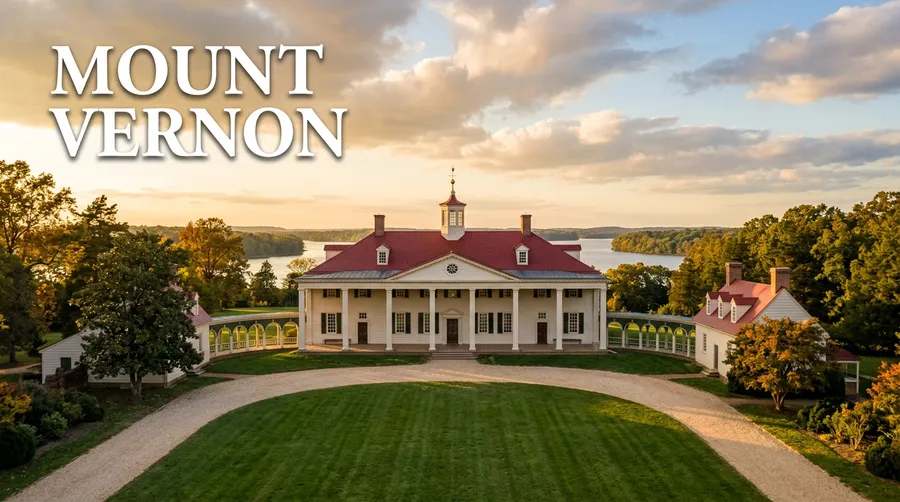
When you conjure an image of a "historic site," what first springs to mind? For many, it's a grand, columned mansion, perhaps dating back to the Gilded Age, its ornate rooms whispering tales of forgotten wealth and societal shifts. I've walked through countless such homes, from Newport to Asheville, admiring the craftsmanship, the sheer scale of ambition embodied in their walls. These architectural marvels, designated as National Register of Historic Places (NRHP) landmarks, certainly hold a vital place in our collective memory, preserving an aesthetic and social history that shaped America. But to truly understand where our heritage conversation is heading, we need to broaden that lens considerably, and sometimes, surprisingly.
### What Lies Beneath the Polished Veneer of Traditional Mansions?
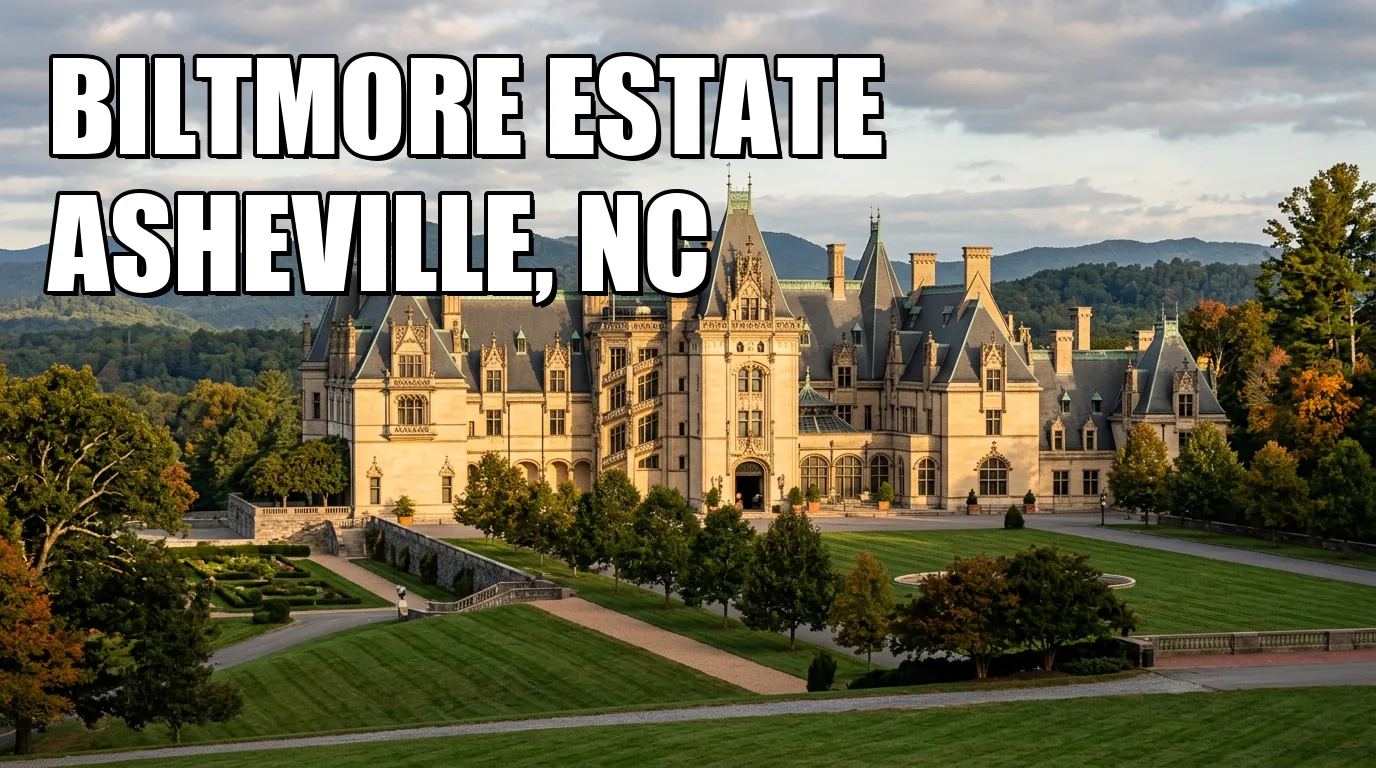
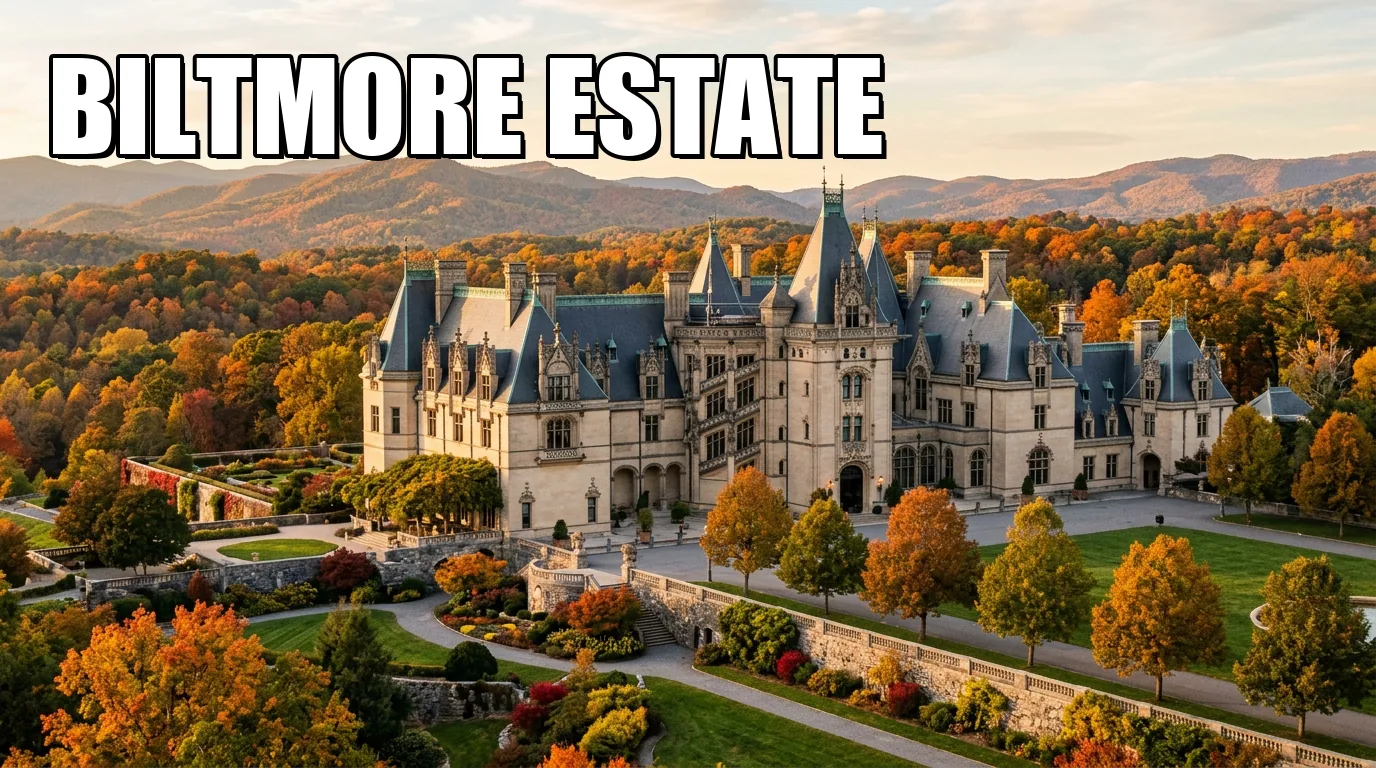
These majestic family homes, now often museums, provide a compelling entry point into specific periods of American history. Picture a sprawling estate like Biltmore, or a more intimate, yet equally significant, home in a well-preserved historic district. They offer a tangible connection to the past, showcasing architectural innovation, landscape design, and the lifestyles of the prominent figures who inhabited them. Yet, a typical guided tour, while informative, often just skims the surface. What you're often left with is a beautiful tableau, a perfectly curated glimpse that can feel almost too polished, too pristine.
One might expect a deeply immersive dive into daily life, but sometimes the reality feels more like admiring a beautiful painting from behind a velvet rope. The real human stories – the struggles of the staff, the economic anxieties of the owners, the unglamorous realities of maintaining such opulence – these are the nuances often missed. For a genuinely enriching experience, don't just follow the crowd. Seek out special exhibitions focusing on lesser-known residents, or tours that specifically address the lives of the workers. Many institutions are thankfully evolving, acknowledging that the narrative extends far beyond the family crest. You'll find that these behind-the-scenes glances are where the true, often more complex, history of these magnificent structures truly comes alive.
### The Quiet Revolution: When History Isn't Just Stone and Stucco
Here’s where it gets interesting, and frankly, where many conventional travel guides fall short. Since 2020, the National Register of Historic Places has been quietly expanding its definition of what merits preservation, moving beyond traditional architectural landmarks like mansions to embrace sites that tell a more diverse and, dare I say, more *human* story. This isn't just about pretty buildings anymore; it's about the very fabric of American experience, often in places you'd never expect to find a plaque.
Imagine, for instance, a seemingly unassuming complex in downtown Nashville that once served as a training ground for the 1960s sit-in movement. This isn't about grand architectural statements; it's about the potent energy of social change, the "intangible heritage" of courage and collective action. Or consider the early computing centers, those unassuming buildings that housed the digital infrastructure of yesterday, now recognized as technological milestones. These places, often utilitarian in design, stand as monuments to innovation, to the very dawn of our digital age. Their significance isn’t in their decorative cornices or meticulously manicured gardens, but in the profound impact they had on society and the future. This expansion of the NRHP is a powerful testament to an evolving understanding of our past, recognizing that history flows through protest movements and server rooms as much as it does through grand ballrooms.
### The Price of Preservation: Navigating Incentives and Investment
So, how do these disparate forms of heritage get preserved? The economic realities are starkly different. For traditional landmarks, like our beloved historic mansions, there’s a relatively well-trodden path. The Federal Historic Tax Credit, for example, offers a substantial 20% credit on qualified rehabilitation costs, often complemented by state matching credits. This makes the colossal undertaking of restoring a Gilded Age estate financially viable, attracting long-term capital from preservation-minded investors eager to see these beauties endure.
However, for these newer social history and technological sites, the landscape is far less defined. While recent National Park Service initiatives are starting to address civil rights and technological heritage, the funding pools remain considerably smaller and less accessible. This disparity creates a genuine challenge. We need dedicated grant streams—real, substantial money—for community-driven social history projects and for retrofitting early tech hubs. Otherwise, these invaluable pieces of our recent past risk crumbling into obscurity, unable to compete with the well-established mechanisms supporting architectural grandeur. It’s a pragmatic issue: if we truly value these new narratives, we must put our money where our historical consciousness is.
### Breathing New Life: Adaptive Reuse Challenges and Surprising Opportunities
What does one actually *do* with a historic site once it's listed? The concept of adaptive reuse—repurposing an old building for a new function—is central to long-term preservation. For mansions, the path is often clear: museum, event venue, luxury hotel. The preservation guidelines are well-established, though still strict, focusing on maintaining character-defining features like original windows or intricate woodwork. But imagine transforming an early data processing center. That’s a whole different ballgame.
These tech sites present unique infrastructural challenges: the need for heavy floor loads, specific power requirements, and cooling systems that might clash spectacularly with preservation norms. How do you insert modern HVAC into a building designed for a different era without destroying its historical integrity? Similarly, social history sites, often more humble in their origins, might lack clear treatment guidance. You're trying to preserve the *spirit* of a protest, the layout of a training room, while simultaneously upgrading for modern accessibility and safety. This requires sensitive, innovative thinking. I’ve seen some incredible transformations, from former server rooms becoming vibrant coworking spaces to protest-era buildings hosting intergenerational dialogue sessions. These projects often involve charrettes—intensive, collaborative design sessions—bringing together activists, technologists, and preservationists to co-create reuse plans that honor the past while serving the present. It’s a messy, often expensive, but ultimately rewarding process that breathes genuine new life into these spaces.
### Why It All Matters: Crafting a Future for Our Shared Past
By embracing this broader definition of "historic," by equally championing traditional landmarks and these post-2020 NRHP sites of social and technological significance, we're doing more than just saving old buildings. We are creating a richer, more inclusive urban fabric that resonates with a wider audience. This isn't just an academic exercise; it has tangible benefits. Integrating protest sites and tech heritage, for instance, significantly expands the visitor demographic. We’re not just appealing to traditional heritage tourists; we’re drawing in social-justice advocates, tech enthusiasts, and a younger generation keen on interactive, relevant history.
This diversification also leads to more year-round visitation, with interactive STEM workshops and civil-rights programming offsetting the seasonality often associated with architectural tours. More importantly, it fosters a deeper sense of local identity and social cohesion. Recognizing recent social movements encourages intergenerational dialogue and cultivates community pride. Celebrating technological heritage positions a city as a forward-thinking hub, attracting startups and creative industries, leading to economic resilience by diversifying cultural assets and generating new commercial and nonprofit spaces.
For those planning to explore these varied slices of American history in 2025, a few pointers: Always check a site's specific website for unique tours or events – they often offer insights far beyond the general admission ticket. If you're hoping to avoid crowds, plan your visits for weekdays during the shoulder seasons (late spring or early fall) rather than peak summer or holiday weekends. Expect admission fees for most well-preserved sites, typically ranging from $10-$30 per person, with parking often an additional $5-$15, especially in urban centers. But regardless of whether you step into a mansion of yesteryear or a former data center humming with new purpose, approach each site with an open mind, ready to discover the unexpected threads that weave together America’s endlessly fascinating story. The past isn't just behind us; it's constantly being rediscovered, reinterpreted, and revitalized all around us.
Historic Mansions Worth Building a Weekend Around
Start with the estates and mansion properties that still justify tickets, routing, and a real visit, not just a mood-board detour.
Historic designation can offer federal and state tax incentives, grant eligibility for rehabilitation, and increased community recognition.
What are the benefits of historic designation?
Historic designation can offer federal and state tax incentives, grant eligibility for rehabilitation, and increased community recognition.
what are benefits of historic designation?
Historic designation can offer federal and state tax incentives, grant eligibility for rehabilitation, and increased community recognition.
What are the advantages of owning a historic home?
Owning a historic home often brings unique architectural character, potential tax credits for approved restorations, and enhanced resale value.
What can you do with a historic preservation certificate?
A historic preservation certificate enables owners to claim federal rehabilitation tax credits and qualify for certain state grants.
What are the cons of owning a historic home?
Historic homes may incur higher maintenance costs and are subject to stricter renovation guidelines under preservation standards.
Do historic homes hold their value?
Historic homes generally appreciate at rates comparable to or slightly above the local market due to their rarity and character.
Are historic homes hard to sell?
They can take longer to sell because of specialized buyer interest and renovation requirements, though strong demand exists in many markets.
What are the disadvantages of historic buildings?
Disadvantages include higher upkeep costs, potential for outdated building systems, and compliance with preservation regulations.
What are the disadvantages of an old house?
Older houses often have energy inefficiencies, obsolete wiring or plumbing, and may require costly updates to meet modern codes.
How do I find National Register listings near me?
Use the National Park Service’s online NRHP database or contact your State Historic Preservation Office for local listings.
How can I visit properties on the National Register?
Many NRHP properties are public landmarks with open hours; private homes may participate in heritage tours or special open-house events.
Are there any costs to visit NRHP sites?
Visiting most publicly owned NRHP sites is free, though some museums or guided tours charge admission fees.
What are the best times to visit historic places?
Spring and fall offer mild weather and seasonal programming, making them ideal for touring outdoor and indoor historic sites.
Can I take guided tours at NRHP sites?
Yes; many sites offer guided or self-guided tours—check individual site websites or visitor centers for schedules.
Why This Page Exists
Maison builds place guides to help readers plan a real visit or understand a real site. When a page makes present-day access, booking, or visitor claims, those details are revised against public-facing source material and editorial review. For the wider standards behind that work, see methodology.
The Cornerstone Brief
One historic place, once a week — what it is, why it matters, whether it's worth going. No filler, no paid placements.
Coming soon. Unsubscribe any time.
We use cookies to enhance your experience. By continuing to visit this site you agree to our use of cookies.