
Adolphus Hotel Dallas: Rooms, Dining, and the Ghost Story Guests Still Ask About
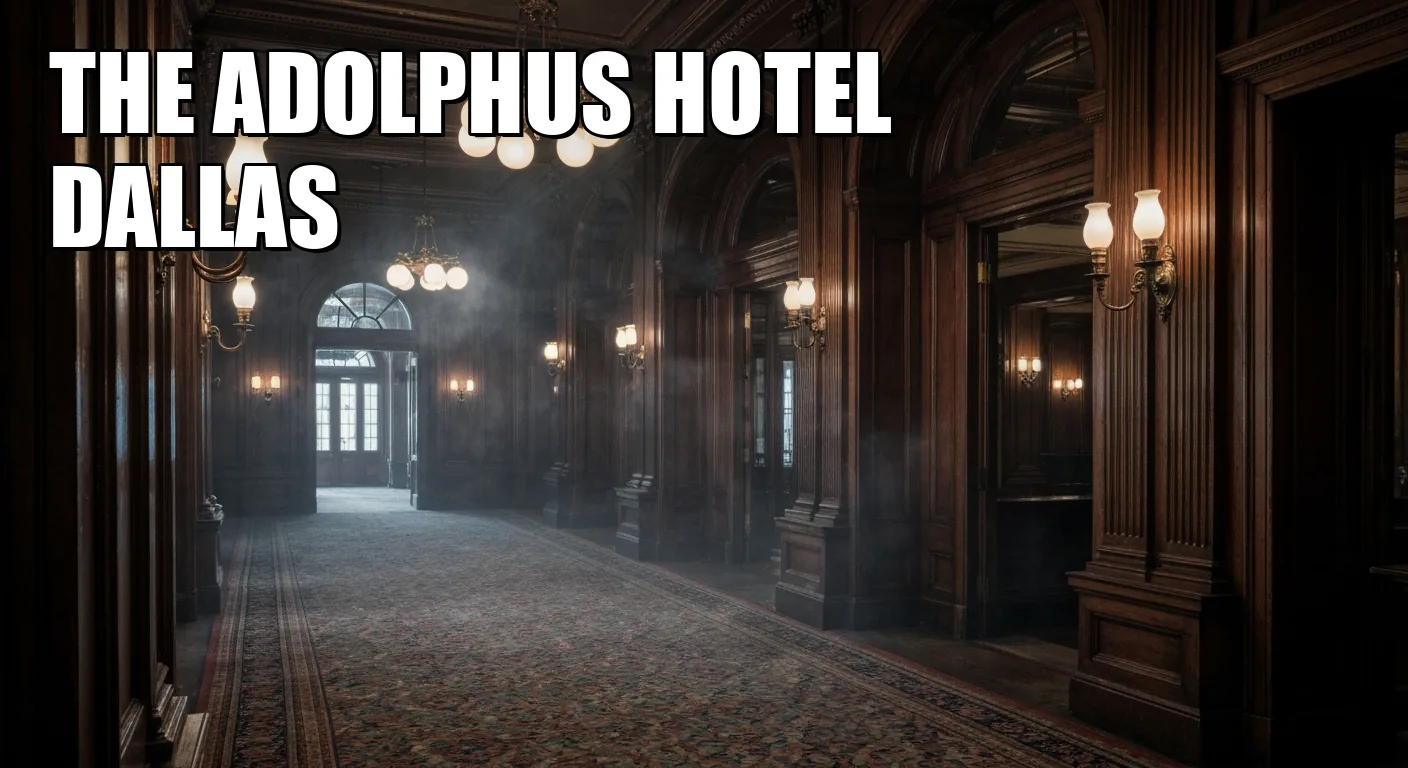
Standing proudly amidst the modern glass towers of downtown Dallas, The Adolphus Hotel isn't merely a magnificent structure of brick and limestone. It’s a time capsule, an architectural ode to a bygone era of opulence and ambition, commissioned by brewing magnate Adolphus Busch in 1912. Yet, for all its Gilded Age splendor, the hotel carries a reputation whispered in hushed tones, a current of the uncanny that runs beneath its polished marble and gleaming brass. Forget the glossy brochures; this isn't just about luxurious stays and fine dining. It's about stories, some heartbreaking, some chilling, that refuse to remain confined to history books.
### Decoding Grandeur: The Adolphus's Imposing Legacy
What makes a place truly haunted? Is it the sheer volume of human experience compressed into its walls, or specific moments of intense emotion? The Adolphus, from its inception, was destined to accumulate both. When the hotel first opened its doors, a dazzling blend of German Baroque and Beaux-Arts architecture, it was designed to be the definitive luxury experience of the Southwest—a testament to Busch's vision for Dallas. Imagine the sheer weight of history here: presidents have slept in its suites, celebrities have graced its ballrooms, and countless ordinary lives have unfolded within its grand confines. This isn't just any old building; it’s a living, breathing archive of human ambition, celebration, and, inevitably, sorrow. And it’s this deep emotional footprint, I believe, that lays the groundwork for the persistent tales of its spectral residents.
### The Melancholy Specter on the Nineteenth Floor: A Bride's Eternal Wait
No account of The Adolphus's eerie side would be complete without delving into the tragic narrative of the Lady in White, often dubbed the Jilted Bride. It's the hotel's most enduring and poignant legend, etched into the collective memory of staff and guests alike. The story goes that in 1935, a young woman, dressed in her wedding gown, was abandoned at the altar in the hotel’s opulent Governors Ballroom on the 19th floor. Overwhelmed by despair, she chose to end her life, taking her own life mere feet from where she’d anticipated her joyful union. It's a deeply human tragedy, a moment of profound emotional collapse, that seems to have left an indelible mark.
Why does this particular ghost story resonate so powerfully, even decades later? Perhaps it's the universal dread of betrayal and public humiliation, amplified by the lavish setting. Guests staying on the 19th floor often recount hearing faint, muffled sobbing late at night, a sound that seems to drift through the walls rather than directly from a specific room. Others describe disembodied footsteps padding softly down the corridor, sometimes accompanied by a chilling, almost rhythmic creaking – a detail that conjures a truly macabre image. More dramatically, some claim to have glimpsed a spectral woman in a flowing white gown, gliding silently past doors or near the ballroom's entrance. The most unsettling reports often include the faint, tinny strains of 1930s-era music-box tunes, an auditory detail that lends an almost heartbreaking specificity to the apparition. It's not a malevolent spirit, but one perpetually caught in a moment of profound heartbreak, a haunting reminder of love lost and lives unfulfilled.
### Vertical Journeys, Violent Ends: The Elevator's Unsettling Legacy
Beyond the sorrowful bride, a darker, more visceral history clings to the very core of the hotel: its elevator shafts. From its earliest days, the Adolphus, like many grand hotels of its era, was a vertical city, and with that verticality came inherent dangers. Just two weeks after the hotel's grand opening, in October 1912, tragedy struck when an Italian waiter fell three stories down the shaft, dying later that night. This wasn't an isolated incident; it was merely the first in a grim series. Over the next four decades, until the 1950s, at least a dozen more fatal accidents occurred within the hotel's various elevator shafts. These included a 16-year-old elevator operator plunging 100 feet from the 6th floor, a cook tragically struck by a descending car, and other desperate falls from the 8th, 11th, 12th, and 14th floors.
Consider the sheer terror and violence of such deaths—sudden, unexpected, and often brutal. It’s no wonder that many believe these tragic incidents have left a powerful, residual energy. Staff and guests frequently report inexplicable elevator malfunctions: doors opening on empty floors, despite no call button being pressed, or ride requests simply failing to register. More unsettling are the reports of unseen hands seemingly forcing cars to move or stop between floors. Auditory phenomena are also common, with some hearing anguished moans and distinct scraping metal sounds emanating from within the shaft, even when the elevator cars are entirely stationary. It prompts a question: are these mere mechanical quirks of an aging system, or are they echoes of the violent struggles of those whose lives ended tragically within those very confines? I've certainly felt a peculiar chill on a few elevator rides here, a sense of being observed, or perhaps, simply a heightened awareness of the stories attached to them.
### Subtle Echoes and Unseen Presences: Minor Hauntings and Poltergeist Play
While the Jilted Bride and the elevator tragedies dominate the narrative, the Adolphus hosts a collection of more understated, yet equally intriguing, spectral residents. These lesser-known hauntings suggest that the hotel's spiritual tapestry is far richer and more varied than just its prominent figures. One such story involves an unidentified patron who was a longtime regular at the City Hall Bistro on the hotel's lower levels. After this woman died by suicide offsite, staff began to report sightings of her apparition, seated at her customary table. When approached, the figure would simply vanish.
What makes this particular haunting so compelling is its quiet poignancy. It's not about drama or fear, but a deeply ingrained habit, a soul still seeking comfort in a familiar routine. Reports from the Bistro include the subtle sound of chairs scraping across the floor, sudden chair movements when no one is near, and faint whispers in the adjoining hallway, as if conversations from the past are still trying to break through. Then there's the more mischievous, almost playful, poltergeist activity reported in the housekeeping corridors and various guest restrooms. Housekeepers, who spend the most time in the hotel's quiet corners, often speak of unexplained taps on their shoulders when no one is behind them, faucets spontaneously turning on and off, and restroom doors slamming shut without any apparent draft or human intervention. These aren't grand, terrifying apparitions, but rather intimate, startling disturbances that suggest a more casual, lingering presence, perhaps even residual energy imprinted by the daily lives of those who worked and lived within these walls.
### Navigating the Spectral and the Specific: A Visitor's Guide to the Adolphus
For the curious traveler keen to experience the Adolphus's unique atmosphere, or perhaps even catch a glimpse of its legendary residents, a strategic approach is key. Don't arrive expecting a theme park haunted house; the Adolphus offers a far more subtle, atmospheric encounter. If you're hoping for a brush with the Jilted Bride, securing a room on the 19th floor is paramount, particularly a corner suite near the Governors Ballroom, if your budget allows. These rooms, though not guaranteed to deliver a full-blown haunting, place you directly in the heart of the activity. Consider visiting during the off-peak months of late autumn or winter (think November through February, excluding holiday weekends), when the hotel's natural grandeur feels more pronounced and the crowds thinner, allowing for a quieter, more contemplative experience.
Practicalities are also important. The Adolphus, being a luxury hotel, doesn't come cheap. While there's no "admission fee" for the building itself, access to guest floors for an extended period requires a room reservation. Expect valet parking to run upwards of $45 per night, though several nearby public garages offer slightly cheaper rates. For those without a room reservation, wandering through the lobby, dining at the Bistro, or enjoying a drink at the French Room Bar can provide a taste of the hotel's historic ambiance, and perhaps a casual encounter with its less prominent spirits. Don't dismiss the ground floor; a late-night visit to the City Hall Bistro, particularly on a quiet weekday evening, might just yield a peculiar chair movement or a whisper. My advice? Go in with an open mind, appreciate the history, and let the hotel's stories unfold around you. Sometimes, the most profound encounters are the ones you didn't actively seek.
The Adolphus Hotel isn't just a place to lay your head; it’s a living monument to Dallas's past, a grand dame imbued with the very essence of the lives it has hosted. Whether you're a staunch skeptic or a devoted believer, the sheer weight of history, the whispers of tragedy, and the enduring legends infuse this place with a captivating, almost palpable energy. Its hauntings aren't sensationalized; they're woven into the very fabric of its identity, inviting us to ponder the thin veil between our world and whatever lies beyond. And in that contemplation, the Adolphus truly reveals its deepest, most fascinating secrets.
Stay Here
The Adolphus
Dallas, TXBeaux-Arts Dallas landmark tied to the bride-on-the-19th-floor story.
Unveiling the Legends: The Adolphus Hotel Haunted Mysteries
What is the history of the Adolphus hotel?
Built in 1912 by Adolphus Busch, founder of Anheuser-Busch brewery, the Adolphus Hotel was designed in Beaux-Arts style as a luxury European-style hotel for Dallas. The 22-story building cost $1.8 million to construct and was the tallest building in Texas at the time, welcoming prominent guests including presidents, royalty, and celebrities throughout its over-century-long history.
What hotel in Dallas is haunted?
The Adolphus Hotel in downtown Dallas is widely considered one of the most haunted hotels in Texas, known for paranormal activity including the famous 'Lady in White' ghost on the 19th floor, mysterious elevator incidents, and unexplained sounds.
Adolphus hotel haunted history
The Adolphus began experiencing paranormal activity just two weeks after its 1912 opening when an Italian waiter died falling down an elevator shaft. Throughout its history, multiple elevator deaths occurred, a guest drank poisoned liquid, and most notably, a jilted bride hung herself on the 19th floor in the 1930s, with her ghost reportedly still wandering the halls.
What floor of the Adolphus hotel is haunted?
The 19th floor of the Adolphus Hotel is the most actively haunted, where guests and staff report sightings of a woman in a wedding dress (the jilted bride), hearing disembodied sobs, phantom footsteps, mysterious music, and doors opening and closing on their own.
Why is there no room 113 in the hotel?
Like most hotels worldwide, the Adolphus likely avoids Room 113 due to triskaidekaphobia (fear of the number 13), as approximately 85% of buildings skip the number 13 in room numbers and floors to accommodate guests who consider it unlucky.
Part of 👻 America's Most Haunted Hotels
Haunted Hotels
Banff Springs Room 873: Fairmont's Missing Room Story and Whether the Stay Is Worth It
A source-backed Banff Springs Room 873 guide covering Fairmont's own Missing Room explanation, the real room inventory, arrival basics, and the smarter way to book the castle.
Haunted Hotels
Congress Plaza Hotel Room 441: Booking Reality, Grant Park Logic, and What Guests Can Actually Confirm
Room 441 is the search hook, but the real question is whether Congress Plaza is the right historic Chicago stay once the lore stops doing all the work.
Haunted Hotels
Driskill Room 525: Booking Reality, Downtown Austin Fit, and What Guests Can Actually Confirm
Room 525 is the search hook, but the real question is whether the Driskill is the right downtown Austin hotel once the legend stops doing all the work.
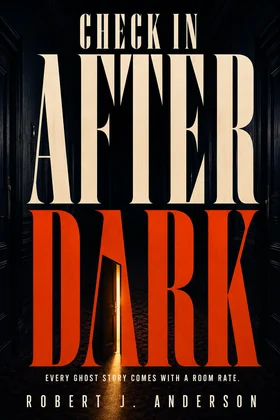
From the author of this guide
Check In After Dark
One writer checks into the rooms with the stories — Stanley 217, Banff Springs 873, the Del's 3327 — and reports what the night is actually like.