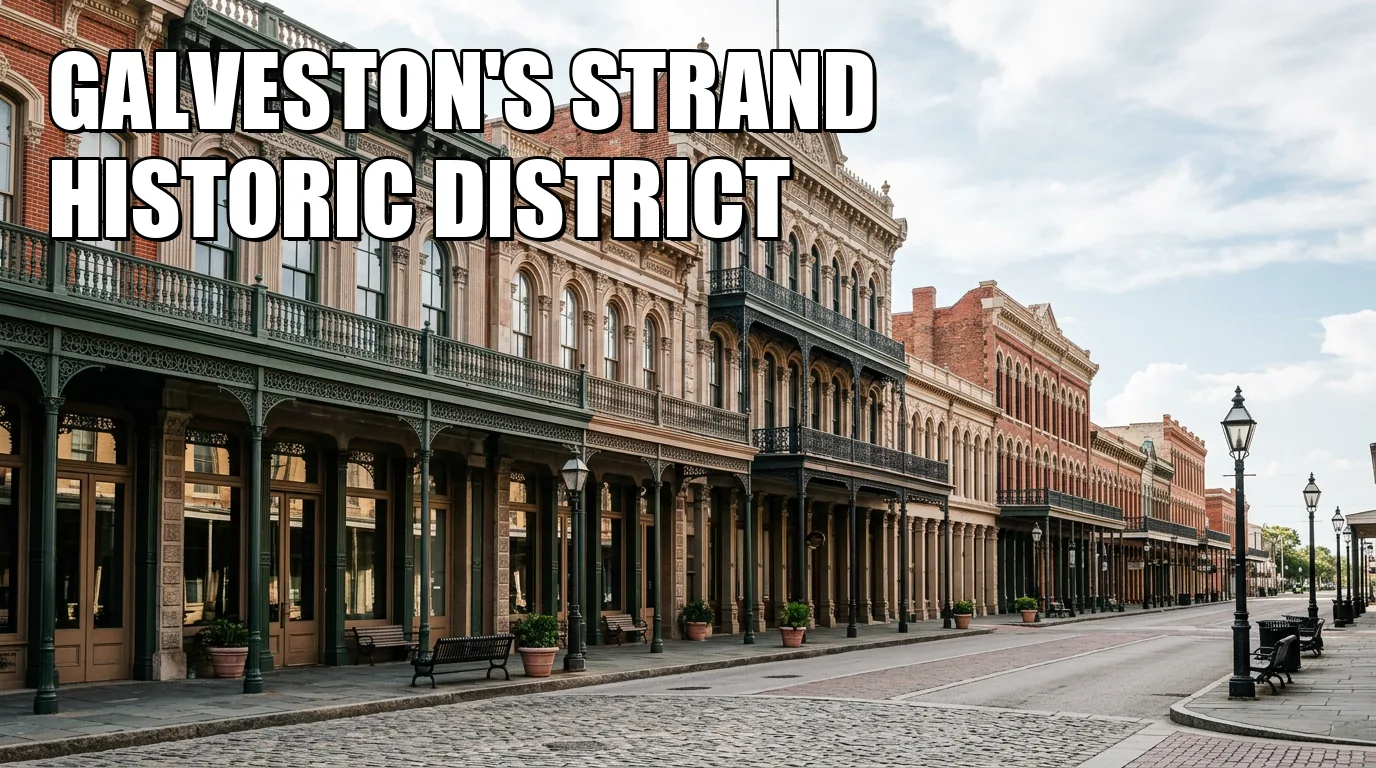
Photo by Isabelle Moreau for Cornerstone Mansion · April 12, 2026
As a travel writer, I’ve long learned that the most profound journeys aren’t always to the grandest estates or the most famous landmarks. Sometimes, the real magic happens in the bustling squares, the quiet riverfronts, and the streets where history isn’t just preserved, but *lived*. While the dream of wandering through opulent historic mansions is enticing, and certainly, Texas holds its share of these treasures, my recent reconnaissance for Summer 2025 pointed towards a different, equally rich vein of historical exploration: the revitalized historic districts. These aren’t just pretty facades; they’re places where communities are actively breathing new life into their storied pasts.
What makes these particular districts stand out for an upcoming summer adventure? It's not merely about what’s old, but what’s *new* in how that old story is told. Many have seen significant updates in the last couple of years, transforming them from dusty historical footnotes into vibrant, engaging destinations. My aim here is to peel back the layers, offering insights you won’t find in your typical tourist brochure – dissecting the genuine allure from the carefully curated hype, and helping you navigate the practicalities of a summer visit.
Galveston's Strand: More Than Just a Pretty Facade?
Venturing to Galveston Island, the Strand Historic District immediately captivates with its Victorian iron-front buildings, a direct nod to its 19th-century boom as a major port. You might expect a quaint, almost museum-like atmosphere, but the 2024 completion of extensive facade restorations and the introduction of a new trolley route have injected a fresh, vibrant energy. Does this mean it's suddenly a bustling metropolis? Not quite. What it means, practically, is that the architectural integrity, often battered by hurricanes and time, has been lovingly brought back to a state that genuinely reflects its former glory, allowing visitors to truly appreciate the craftsmanship of an era when Galveston was known as the "Wall Street of the South."
But let's be candid: a fresh coat of paint and a trolley ride alone don't make a destination. What *does* make the Strand compelling, especially for families, is how these updates facilitate an engaging experience. The historic trolley isn't just a nostalgic ride; it's a practical, affordable ($1-2 per ride) way to explore without constantly wrestling with parking, which can be surprisingly tricky and expensive ($10-15 for a few hours) in peak season. Beyond that, the district’s newly launched kids scavenger hunt app offers a clever way to engage younger visitors, turning a leisurely stroll into an interactive history lesson. Expect medium crowds in July and August, meaning you'll find plenty of activity without feeling completely overwhelmed, a welcome respite from some of Texas's more notorious summer hot spots. A family of four should budget around $126 for a day here, covering some food and activities.
San Antonio's Market Square: Is the Buzz Worth the Crowds?
Turning our gaze south to San Antonio, El Mercado, or Market Square, often comes up as a must-see. It’s touted as the largest Mexican marketplace outside of Mexico, a colorful explosion of culture and commerce. After a significant plaza renovation in 2023, which notably created a new pedestrian-only zone and a captivating mural trail, one might wonder if it has become an even greater magnet for tourists. The answer is a resounding "yes," and with that comes a reality check: expect high crowd levels, particularly during summer weekends. This isn’t the place for quiet contemplation.
Yet, dismissing El Mercado as merely a tourist trap misses the point entirely. The essence of this place lies in its dynamic energy. The recently expanded pedestrian-only zone genuinely enhances the experience, allowing for a more relaxed flow as you browse artisan stalls or admire the vibrant mural art without constant traffic concerns. Why does this matter? Because it transforms the space into a true cultural plaza, where live mariachi bands can fill the air unhindered, and impromptu street performances become part of the fabric of your visit. For families, the shaded seating and craft workshops offer much-needed breaks from the Texas sun and a chance for kids to engage hands-on. Is it authentic? Absolutely, in its own bustling, vibrant way. Just remember to arrive early (before 10 AM) to beat the worst of the summer rush and enjoy a slightly more subdued atmosphere before the mid-day surge. A day here for a family of four will set you back approximately $120.
Moving east to the Piney Woods, the Jefferson Historic District stands in delightful contrast to the coastal charm of Galveston or the urban dynamism of San Antonio. Often overlooked, this town was once Texas's second-largest port in the 19th century, thanks to its position on Big Cypress Bayou, which was navigable by steamboat. The narrative here isn't about grand restorations but a more subtle, deeply felt preservation. Recent updates, including a renovated riverfront and the reopening of its heritage museum in 2024, have quietly enhanced its appeal without sacrificing its unpretentious character.
What truly sets Jefferson apart? Its uncanny ability to transport you back in time without the overt commercialism that can sometimes dampen historical experiences. The "low-medium" crowd levels in July and August are a huge draw for those seeking a genuine escape. Why bother with the heritage museum? Because it's not just a dusty collection of artifacts; it tells the poignant story of a town that boomed and busted, a microcosm of 19th-century American ambition. The riverboat rides on the Big Cypress Bayou, which once carried cotton and cargo, now offer a tranquil way to soak in the natural beauty and imagine the steamboat era. For families, the children's history corner provides an engaging entry point into Jefferson's past, proving that history can be both educational and fun. Expect to spend around $135 for a family of four for a full day of exploration here, making it a remarkably affordable deep dive into history.
The Hidden Layers of Texas History: Beyond the Expected
Beyond these specific districts, a broader truth emerges about Texas history: it’s rarely one-dimensional. Take the concept of "revitalization." It’s not just about restoring old buildings; it's about re-contextualizing them, making them relevant to contemporary visitors. In Galveston, understanding the sheer resilience required to rebuild after devastating hurricanes adds a layer of respect to those restored facades. In San Antonio, the vibrant energy of El Mercado is a living testament to the ongoing cultural fusion that defines the city, far from a static historical display.
Consider the practical implications of visiting these places in the heart of a Texas summer. Heat is a factor, of course. My advice? Plan your most active explorations for the mornings and late afternoons. Mid-day is for shaded patios, air-conditioned museums, or perhaps a leisurely lunch. This strategic planning isn't just about comfort; it's about maximizing your enjoyment without feeling rushed or overheated. Always carry water, and don't underestimate the power of a good hat.
Balancing Your Itinerary: When History Meets Nature and Innovation
An experienced traveler knows that a truly memorable road trip isn't just a string of similar destinations. It’s about creating a harmonious blend. While immersing yourself in these historic districts is invaluable, consider how you might intersperse these visits with other unique Texas experiences. For instance, after the urban buzz of San Antonio's Market Square, a day trip to the serene Caddo Lake State Park, with its solar-powered canoe rentals and boardwalks (updated 2023), offers a complete shift in pace and scenery. The juxtaposition of vibrant history with the tranquil bayou, complete with child-sized life vests and guided nature walks, provides a refreshing balance for any family.
Alternatively, if your family thrives on discovery and technology, a visit to one of Texas's interactive tech and science museums could be a brilliant counterpoint. Imagine starting your day exploring the renovated riverfront in Jefferson, delving into the bygone era of steamboats, then transitioning to the Perot Museum of Nature & Science in Dallas (where the "Human Edge" immersive gallery was a major 2023 expansion). This isn't about ditching history; it's about enriching your understanding of human endeavor across different domains. The key is thoughtful sequencing: don't try to cram too much into one day, and allow for genuine shifts in environment and activity to prevent travel fatigue. Remember, the best trips are about discovery, not just ticking boxes.
Historic Mansions Worth Building a Weekend Around
Start with the estates and mansion properties that still justify tickets, routing, and a real visit, not just a mood-board detour.
Discover America’s Hidden Gems: Your Ultimate Nearby Travel FAQ
Unique places to visit nearby
Explore lesser-known destinations such as Great Basin National Park in Nevada, Apostle Islands National Lakeshore in Wisconsin, and Cuyahoga Valley National Park in Ohio.
Best time of year to visit national parks nearby
Spring (April–June) and fall (September–October) offer mild weather, fewer crowds, and vibrant foliage in most U.S. national parks.
Average entrance fees for U.S. national parks in 2025
Most park entry fees range from $10 to $35 per vehicle, with an annual America the Beautiful pass at $80 covering all federal sites.
How do I get passes for popular attractions nearby
Purchase timed-entry or reservation passes online through official park or attraction websites at least one month in advance.
What are the top hidden-gem state parks near me
Check out Devil’s Fork State Park (SC), Copper Falls State Park (WI), and Palouse Falls State Park (WA) for waterfall hikes and scenic overlooks.
Requirements for backcountry camping in nearby federal lands
Obtain a free permit online or at the ranger station, carry bear-resistant food storage, and follow Leave No Trace guidelines.
Are drone flights allowed at nearby scenic locations
Most national parks prohibit drones; check specific park regulations and FAA rules before flying.
Tips for avoiding crowds at popular spots nearby
Visit on weekdays, arrive before sunrise, and explore lesser-known trails or overlooks.
How to find local guided tours near me
Search for certified tour operators on state tourism websites or use platforms like Viator and GetYourGuide.
Accessible attractions for visitors with mobility challenges nearby
Many national parks and monuments offer paved trails, shuttle services, and accessible viewpoints—check accessibility maps on official sites.
Best scenic drives close to me
Try the Blue Ridge Parkway in Virginia/North Carolina, the Going-to-the-Sun Road in Montana’s Glacier NP, or California’s Highway 1.
Family-friendly activities at nearby tourist spots
Look for Junior Ranger programs, easy nature walks, and visitor-center educational exhibits at most parks.
Budget-friendly outdoor adventures near me
Options include free state forest hiking, public beach days, and U.S. Forest Service dispersed camping with minimal fees.
Wildlife-viewing opportunities nearby
Visit wetlands like Everglades NP (FL), bird-migration routes such as Caprock Canyons State Park (TX), or elk herds in Rocky Mountain NP (CO).
Why This Page Exists
Maison builds place guides to help readers plan a real visit or understand a real site. When a page makes present-day access, booking, or visitor claims, those details are revised against public-facing source material and editorial review. For the wider standards behind that work, see methodology.
The Cornerstone Brief
One historic place, once a week — what it is, why it matters, whether it's worth going. No filler, no paid placements.
Coming soon. Unsubscribe any time.
We use cookies to enhance your experience. By continuing to visit this site you agree to our use of cookies.