
Wilson's Last Stand: A DC Home Unveiled
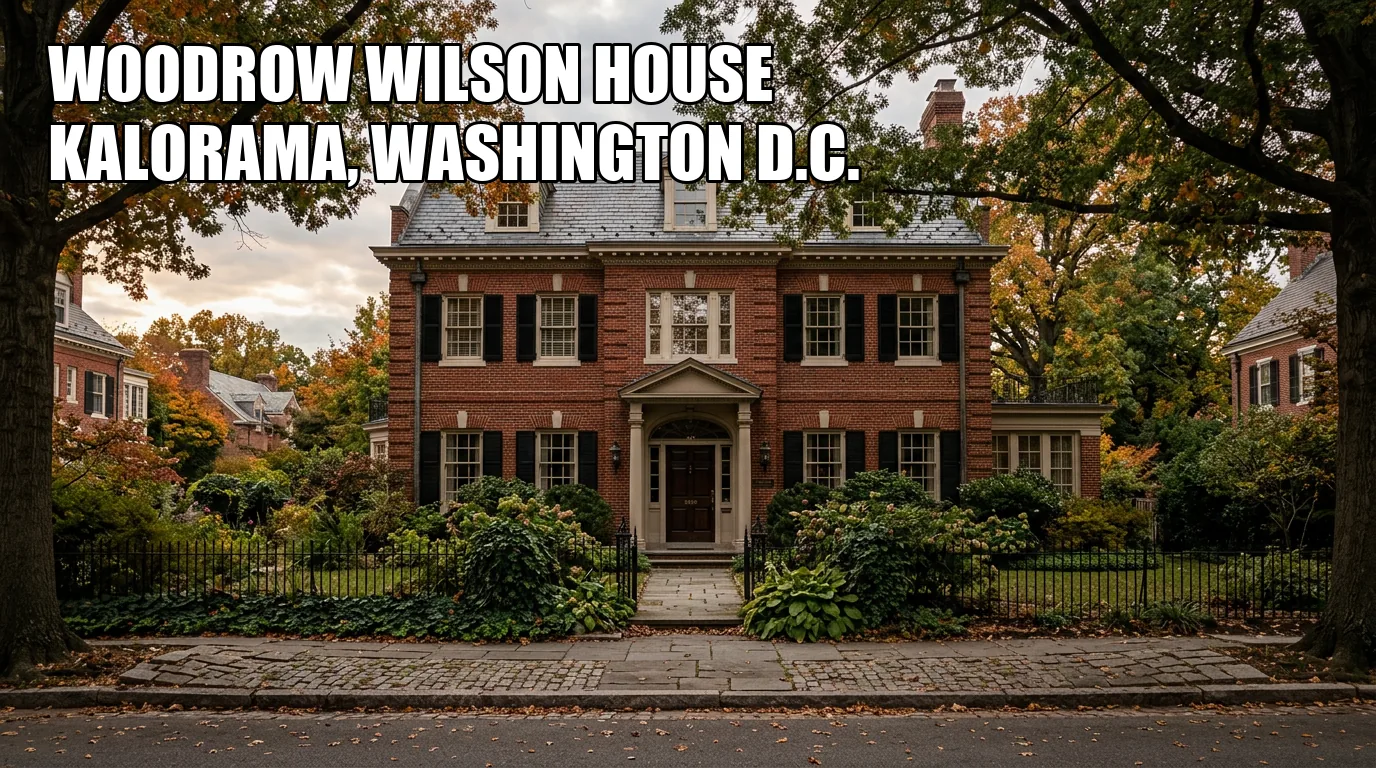
Beyond Grandeur: A House Built for a Faltering Leader
What truly distinguishes Wilson’s post-presidency home from, say, Mount Vernon or Monticello, isn't its opulence, but its profound adaptation to acute human frailty. Upon Wilson’s debilitating stroke on October 2, 1919, his mobility became severely restricted. Climbing stairs, a mundane activity for most, became an insurmountable obstacle for the former president. The sheer practicality of the house, therefore, took precedence over pure aesthetic grandeur. One of the most telling modifications, and frankly, one of the most ingenious, was the conversion of an existing trunk lift shaft into a hand-cranked elevator. This wasn't some sleek, modern contraption; imagine a manually operated box, slowly hoisting its precious cargo between floors. It speaks volumes about the determination of his household to maintain his dignity and independence, however limited. Wilson spent his final three years here, a period marked by quiet resilience and careful management by Edith. The house, therefore, isn't just a collection of period furniture; it's a meticulously preserved stage upon which the final act of a monumental life unfolded. It forces you to consider not just the triumphs of his presidency, but the very real cost of leadership and the fragility of the human body. Unlike the bustling White House, this residence offered a retreat, yes, but also a stark illustration of how a man, once the most powerful in the world, was reduced to a carefully managed existence, largely out of public view.Where History Whispered: Wilson’s Private Quarters & Public Feats
Stepping into the library on the second floor immediately provides a sense of Wilson's world during retirement. It became his primary domain, a cozy, dark-paneled space with a fireplace and deep, tufted furniture, where he received the few guests Edith permitted, typically at a precise 3:30 PM. Here, surrounded by an impressive collection of over 8,000 books, you can almost feel the weight of his intellect and his isolation. The room houses a familiar leather chair, not just any chair, but one he had used during Cabinet meetings at the White House, a tangible link to his former power now sitting in a more subdued setting. It was from this very room, on November 10, 1923, that one of the most significant, and surprisingly arduous, events of his post-presidency occurred. Despite his frail condition, dressed in his dressing gown, Wilson delivered an Armistice Day address—a four-minute speech that became the earliest known recording of a radio broadcast. He himself described it in a letter as "an exceedingly difficult stunt," a candid admission that reveals the immense physical and emotional effort required for this seemingly simple act. This wasn't just a historical first; it was a testament to his sheer will, pushing past severe physical limitations to connect with a nation, albeit remotely. The broadcast, added to the National Recording Registry in 2004, underscores how, even in his decline, Wilson continued to shape the nascent forms of public communication. Adjacent to the library, the drawing room served as a more formal reception area for the occasional distinguished guest, a stark contrast to the White House's grand East Room. This elegant space is a trove of diplomatic gifts, reflecting Wilson’s global impact. You’ll find a century-old Steinway piano, transported from the White House, still resonating with the quiet dignity of a previous era. Among the fascinating items is a framed mosaic of St. Peter, a personal gift from Pope Benedict XV following Wilson's 1919 trip to Italy, and a magnificent, wall-sized Gobelin tapestry presented by France after World War I. These aren’t just beautiful objects; they’re concrete reminders of his efforts on the international stage, now viewed through the lens of a man who could no longer travel. A portrait of Edith Wilson, hanging proudly above the mantle, subtly reminds visitors of her pivotal role as his gatekeeper and confidante during these years.A Legacy Etched in Domesticity: Dining, Solace, and Final Rest
Moving through the house, the dining room on the second floor offers a glimpse into the Wilsons' private social life. It overlooks a thoughtfully designed terrace constructed atop the garage—a subtle but crucial adaptation. This terrace allowed Wilson to take fresh air without the indignity or impossibility of navigating stairs, again highlighting the meticulous efforts made to preserve his quality of life. Here, the Wilsons would entertain family and the select dignitaries allowed into their world, maintaining a semblance of their former social engagements. The solarium, also on the second floor, provides a brighter, airier contrast to some of the more formal rooms. Overlooking the formal garden, it’s a space where Edith Wilson cultivated plants, imbuing the home with a sense of natural light and life. This room, more than any other, perhaps speaks to Edith's influence and her efforts to create a nurturing, comfortable environment amidst the shadow of her husband's illness. It's a reminder that even in the home of a former president, domesticity and personal touches thrive. Ultimately, the most somber and intimate space in the house is Wilson's private bedroom on the third floor. This is where, on February 3, 1924, at 11:15 AM, Woodrow Wilson peacefully passed away. He was not alone; his wife Edith, their daughter Margaret, his brother Joseph, and his physician, Admiral Cary Grayson, were with him. Historical accounts confirm that after nearly twelve hours of unconsciousness, he simply slipped away without struggle or pain. Standing in that quiet room, you can't help but feel the weight of history, not the grand, sweeping kind, but the deeply personal, profoundly human conclusion of a remarkable life. It’s a sobering reminder that even the most powerful among us face the same finality, often in surprisingly private settings.The Unsung Cast: Staff, Family, and the Pen of War
Beyond the prominent figures, the house also tells the story of the quiet, essential support system that enabled Wilson to live his final years with dignity. Isaac and Mary Scott, who had worked for Edith Wilson’s first husband, moved into the fourth floor in 1921. They served as dedicated caretakers and household staff throughout Wilson’s illness, forming an intimate part of the household. Edith’s brother, John Randolph Bolling, also resided in a third-floor bedroom, serving as President Wilson’s private secretary. These individuals, often overlooked in the grand narratives of history, were the silent architects of Wilson’s final years, facilitating his comfort and managing his affairs. Their presence underscores the fact that even a former president relies on the everyday efforts of others, transforming the house from a mere museum into a home. Scattered throughout the drawing room, you’ll discover more than just elegant furnishings; you'll find artifacts that tie Wilson's personal life to his monumental public achievements. There's the very pen with which President Wilson signed the Declaration of War for World War I, a chillingly small object for such a profound act. A gold timepiece presented by the first President of Czechoslovakia sits nearby, alongside a "graph-o-scope" from Hollywood legends Mary Pickford and Douglas Fairbanks—a curious mix of the weighty and the whimsical. Perhaps most personally resonant, the Bible on which Wilson took his oaths of office as governor and president is also displayed. These objects aren't just curiosities; they are touchstones, each whispering a story of the man, his decisions, and his enduring global impact, now residing in the quietude of his retirement.Planning Your Visit: What to Know Before You Go (and What to Expect)
Visiting the Woodrow Wilson House isn't a casual stroll; it’s an immersive, guided experience, and understanding this distinction is crucial for managing expectations. All interior access is via guided tours only, meaning you won’t be wandering through at your own pace. This structured approach, however, proves to be a strength. Expert guides provide context and anecdotes that transform period rooms into living history, explaining *why* certain modifications were made, or *how* Wilson's fragile health shaped his daily routine. You can choose between one-hour general tours or more concise 30-minute highlight tours, though I’d generally recommend the longer option to fully absorb the nuances of the place. For planning your trip, adult admission for a guided tour is currently $10, with discounts available for students and seniors. Reservations must be made in advance, a sensible measure given the intimate nature of the tours, and you can often find discounts by booking online. While the interior is strictly guided, visitors are welcome to explore the charming garden and exhibition areas on a self-guided basis, offering a moment of quiet reflection before or after your tour. The house is conveniently located at 2340 S Street NW in the Kalorama neighborhood and is easily accessible via public transit; the Dupont Circle Metro station (Red Line) is a walkable distance away. Parking in Kalorama can be notoriously tricky, especially on weekdays, so the Metro is often your best bet. What should you expect? Don't anticipate the sprawling grandeur of a typical presidential estate. This house is intimate, reflecting the quiet, sometimes somber, period of Wilson's life. It isn't overhyped; in fact, its understated presentation is precisely what makes it so unique. You'll find yourself questioning the conventional wisdom of presidential power and discovering a more vulnerable, yet incredibly resilient, side of a figure usually portrayed in more heroic light. This is a place for reflection, for understanding the human cost of history, and for appreciating the quiet dignity with which a great man faced his final years. It’s an essential stop for anyone seeking to move beyond the headlines and into the deeply personal narrative of one of America's most consequential presidents.Your Complete Guide to Historic Presidential Homes & Monuments
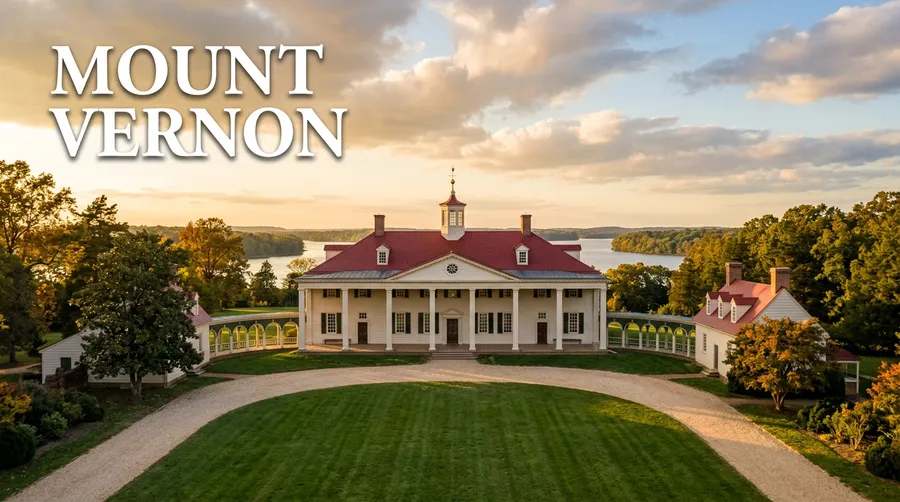
Mount Vernon Tickets, Mansion Tour, and What to See at George Washington’s Estate
A first-timer’s Mount Vernon guide covering timed mansion entry, how long to budget, what is included beyond the house, and how the estate now frames slavery as central history.
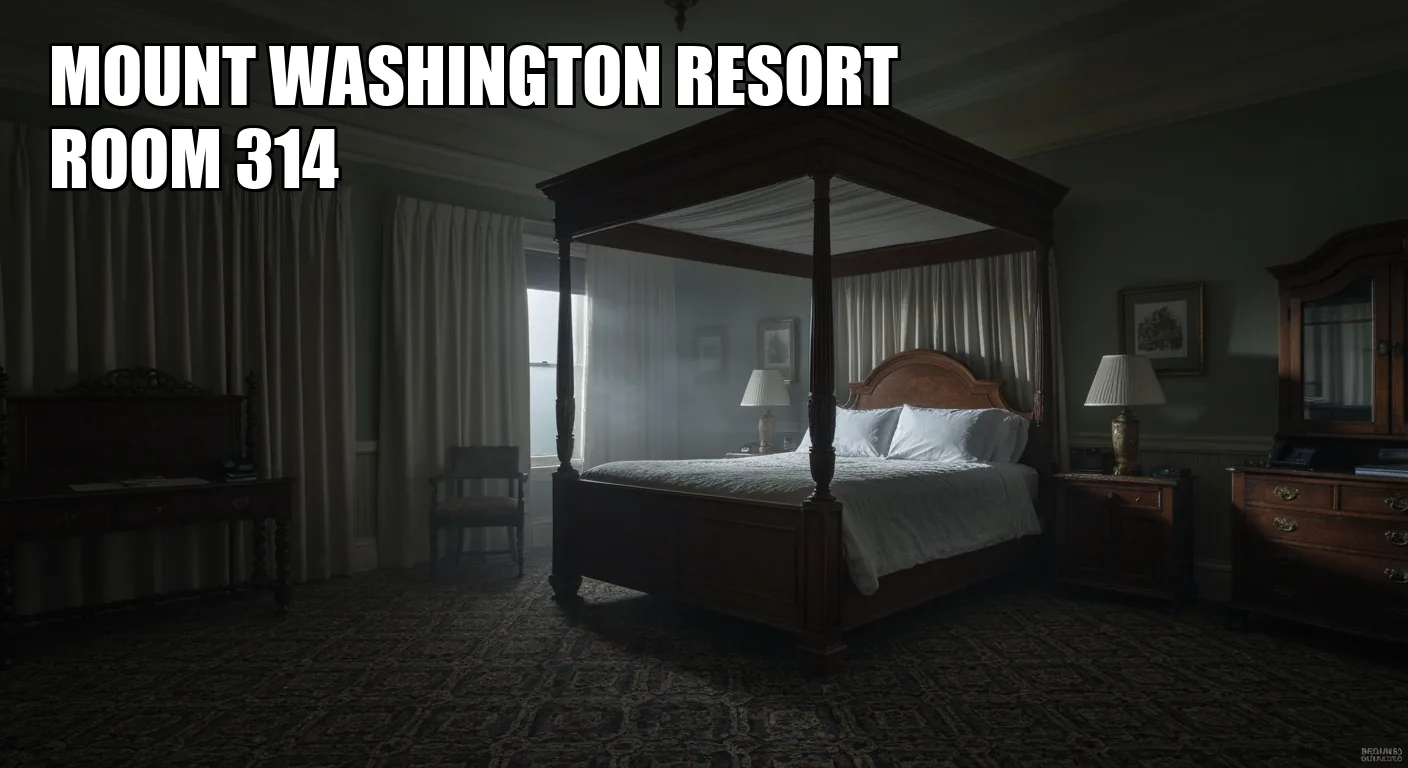
Mount Washington's Spectral Grandeur: A Haunting Guide
The Omni Mount Washington Resort isn't merely a testament to Gilded Age opulence; it's a living, breathing chronicle steeped in New England's chilling lore. For those drawn to the whispers of the past, this grand dame of the White Mountains offers more than just scenic views – it promises encounters with history, both seen and unseen.
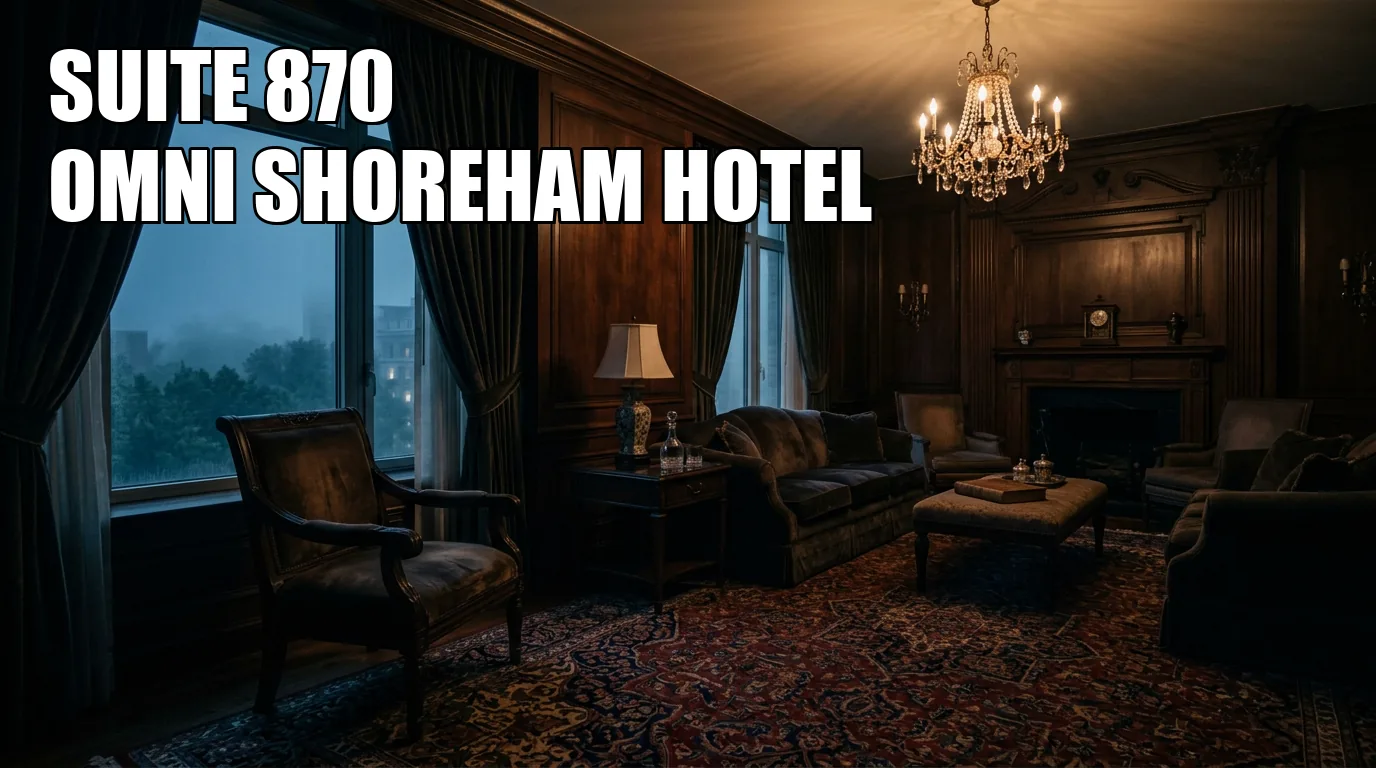
Omni Shoreham Hotel: Pool, Pets, and When This D.C. Stay Makes Sense
A practical Omni Shoreham guide covering pool access, pet fees, Woodley Park location, and why this landmark hotel fits a different D.C. trip than a downtown core stay.
Planning a trip? See the full Washington DC guide.
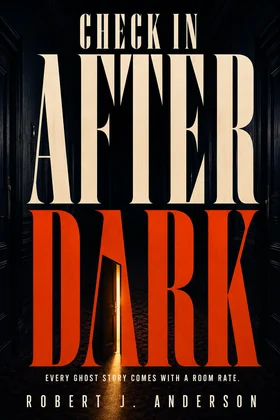
Check In After Dark
One writer checks into the rooms with the stories — Stanley 217, Banff Springs 873, the Del's 3327 — and reports what the night is actually like.