Photo by Sophia Laurent for Cornerstone Mansion · February 20, 2026
For years, I’ve chased the phantom footsteps of history, often finding myself at places where past events echo loudest. Sometimes, those echoes are amplified by the silver screen, transforming ancient stones into iconic backdrops for new legends. Few places exemplify this blend quite as powerfully as Alnwick Castle, nestled in the picturesque Northumberland countryside. This isn't just a medieval fortress; for millions, it’s the very embodiment of Hogwarts, the hallowed grounds where Harry Potter first learned to fly.
Many visitors arrive with a singular focus: to stand exactly where Daniel Radcliffe took his maiden flight. That immediate pull is understandable, frankly, compelling. Yet, what truly makes a visit here worthwhile isn’t just recognizing a familiar scene, but understanding the intricate dance between ancient heritage and modern moviemaking that brought it to life. We’re not simply talking about a pretty location; this was a deliberate choice, steeped in historical resonance, which ultimately shaped the very aesthetic of the Wizarding World.
Unveiling the Broomstick's First Flight: Alnwick's Enduring Magic
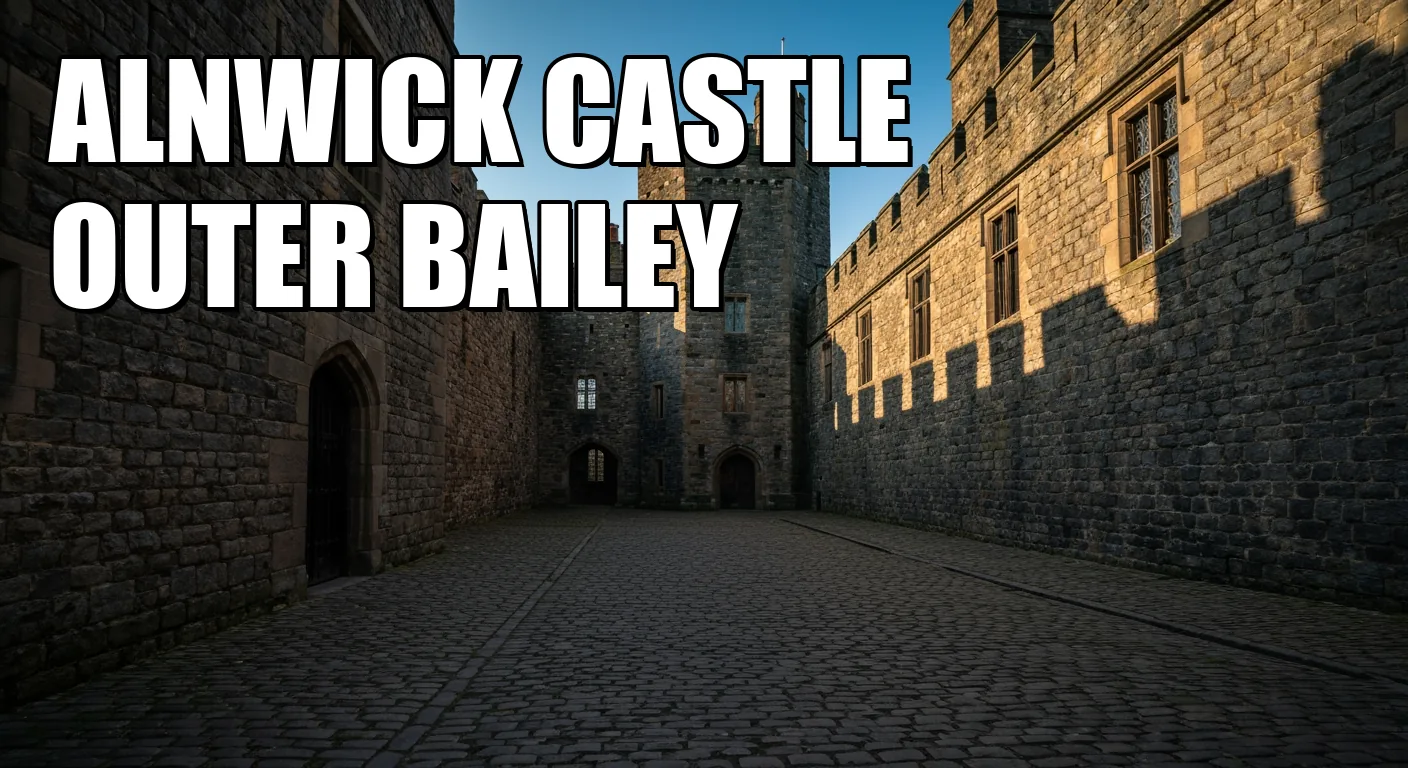
Imagine the crisp autumn air, the ancient stones looming, and a flurry of activity as a film crew transforms a millennia-old courtyard into the bustling training grounds for aspiring witches and wizards. The iconic broomstick flying lesson scenes from *Harry Potter and the Sorcerer’s Stone* didn't just happen anywhere; they were meticulously staged within Alnwick Castle's Outer Bailey. This vast, open, fortified courtyard, dating back to medieval times, wasn't chosen by chance. Historically, it served as a crucial military training area and a defensive space, a purpose that, ironically, made it the perfect stand-in for Hogwarts' own rigorous (if magical) curriculum.
What truly struck me upon visiting wasn't just the size of the Bailey, but how perfectly its rugged, authentic medieval architecture lent itself to the film's vision. Director Chris Columbus, who immersed himself in the UK for the first two Potter films, clearly understood that real history offered a depth no set designer could fully replicate. The towering castle walls, the defensive ramparts, even a specific tower topped with a statue – famously, the one Neville Longbottom tragically collides with – all provided an unshakeable sense of permanence. This wasn't just a temporary set; it felt like a discovery, a genuine piece of the magical world brought to life by finding the *right* historical canvas. It’s a testament to the filmmakers’ genius in blending fantasy with tangible reality.
Beyond the Green Screen: Inside the Broomstick Lesson's Gritty Reality
If you expect the broomstick scenes were entirely products of cutting-edge CGI, you'd be missing a crucial, and frankly, more impressive, part of the story. The early 2000s saw filmmakers pushing boundaries, but often through a gritty, practical lens. The broomstick sequences at Alnwick were a masterclass in combining ingenious practical effects with later digital enhancements. Forget seamless computer-generated magic; think cranes, pickup trucks, and a certain degree of human bravery.
One particular detail, rarely highlighted in typical tourist guides, offers a fascinating glimpse behind the curtain: the stunt work. David Holmes, Daniel Radcliffe's principal stunt double for much of the series, revealed in interviews that the "flying" often involved being strapped to an actual broomstick. This broomstick was then attached to a crane mounted on a pickup truck, which would be driven in circles around the castle grounds. For other shots, a medieval trebuchet-like device was even employed to spin the broomstick, creating dynamic, if slightly terrifying, movement. This wasn't merely acting; it was a physical performance, a testament to the often-overlooked efforts of the stunt team. It challenges the modern perception that all movie magic is born from a computer, reminding us that early Potter films still had plenty of old-school grit and ingenuity baked into their DNA.
Neville's Real-Life Fear: A Glimpse into the Human Cost of Movie Magic
The charm of movie magic often overshadows the very real experiences of the people making it. While Harry Potter’s first flying lesson felt like a joyous romp for the audience, for some actors, it was anything but. Perhaps the most poignant insight into the practical filming of these scenes comes from Matthew Lewis, who portrayed the perpetually anxious Neville Longbottom. He famously requested that his specific flying sequence – where Neville loses control and crashes – be shot against a green screen, a plea born from a genuine fear of heights.
His request, surprisingly, was denied. Lewis found himself performing the stunt without the comforting safety net of CGI, secured to a broomstick on a crane and driven around the castle grounds. He described being "petrified" during that first day on set. This anecdote does more than just humanize the actors; it underscores the physicality of early film production and the pressure on young performers. It makes you watch Neville’s clumsy, terrifying ascent with a whole new appreciation, realizing the actor's discomfort was very much a part of the character's on-screen experience. It's a powerful reminder that behind the fantastical stories are real people facing real challenges, transforming their own anxieties into cinematic gold.
Alnwick's Deeper Roots: Why Its Medieval Stone Became Hogwarts' Backbone
While the Harry Potter connection is undoubtedly Alnwick’s most prominent modern draw, reducing the castle to *just* a film set misses the broader, richer narrative. This magnificent fortress has stood for centuries, its formidable walls bearing witness to countless historical dramas long before a single broomstick graced its Bailey. It's crucial to remember that its selection as Hogwarts wasn't merely for aesthetic appeal; its genuine, palpable history provided an authentic foundation for the magical school.
The medieval stonework, the sheer scale of the defensive ramparts, and the ancient towers aren’t props; they are the castle's very bones. When you walk through the Outer Bailey, you’re traversing ground that has hosted knights, noble families, and indeed, served as a military stronghold. This deep history is precisely what gives the castle its gravitas and made it such a compelling choice for a school as ancient and storied as Hogwarts. The filmmakers didn't just *film* at Alnwick; they leveraged its inherent character, allowing its genuine past to inform and enrich the fictional world. It's why, even without the wand-waving, the place feels inherently magical and profoundly resonant. Visiting Alnwick is therefore an experience that bridges two worlds: the imagined fantasy of film and the undeniable reality of centuries of human history.
Journeying to the Screen: Navigating a Beloved Film Location
Planning a visit to any location as deeply ingrained in pop culture as Alnwick Castle requires a bit of savvy, especially if you want to move beyond simply ticking a box. Expecting to wander freely through an empty, silent Harry Potter set would be a mistake; this is a living, breathing historical site that also happens to be a wildly popular tourist destination. The key to a fulfilling visit lies in understanding this dual identity.
Consider timing your trip carefully. Avoid peak summer months (July and August) and school holidays if you prefer a less crowded experience, as the castle’s popularity means it can get exceptionally busy. Early mornings right at opening or later afternoons before closing often offer a more serene atmosphere, allowing for clearer photographs and a better sense of the place’s scale. While the source data doesn’t provide specific admission fees or parking costs, expect these to be a factor at such a prominent attraction. It’s always wise to check their official website for current pricing, opening hours, and any special events or re-enactments that might be occurring during your visit. These often add another layer to the historical experience, moving beyond just the film connection. Remember that the castle offers far more than just its Harry Potter spots; allow time to explore the State Rooms, the beautiful gardens, and the broader historical context. Approaching Alnwick with an open mind, ready to appreciate both its cinematic legacy and its profound historical significance, will undoubtedly deepen your connection to this truly unique place. It's a castle that wears its history and its magic equally well.
More Film & TV Locations
These guides identify the real building or site first, then explain what visitors can still see in person.
The Enchanted Guide to Alnwick Castle & Hogwarts Filming Locations
Where in Alnwick Castle was Harry Potter filmed?
The Outer Bailey courtyard was the primary location where Harry and fellow students learned to fly broomsticks with Madam Hooch and played Quidditch. The Lion Arch entrance was also featured as a gateway leading from Hogwarts toward the Forbidden Forest.
What is special about Alnwick Castle?
Built in the 11th century, Alnwick Castle is one of the largest inhabited castles in the UK and has served as a medieval stronghold, military outpost, and filming location for multiple blockbuster films including the first two Harry Potter movies. The castle has been the family seat of the Percy family for over 700 years.
Why is Alnwick Castle closed?
Alnwick Castle operates seasonally and closes from late October through March each year for maintenance and winter season preparations. The castle reopens in late March and remains open through October.
Where can I visit Harry Potter filming locations?
Key UK locations include Alnwick Castle (Hogwarts exterior), Durham Cathedral (interior corridors and classrooms), Gloucester Cathedral (additional corridor scenes), Oxford University (Great Hall inspiration and Divinity School), and Platform 9¾ at King's Cross Station in London. For the most comprehensive experience, visit Warner Bros. Studio Tour London.
Where is the best Harry Potter experience?
Warner Bros. Studio Tour London offers the most immersive experience with original film sets and props. For North American visitors, The Wizarding World of Harry Potter at Universal Orlando (Hogsmeade and Diagon Alley) provides themed attractions, while Alnwick Castle offers the real-world castle used in the films.
Where is Hogwarts Castle in real-life?
Hogwarts Castle is a composite of multiple real locations rather than a single castle. Alnwick Castle in Northumberland served as the primary exterior filming location for the first two films, while other locations like the Scottish Highlands and various cathedrals provided additional scenes.
Is Alnwick Castle the same as Hogwarts?
No, Alnwick Castle is not the same as Hogwarts—it served as the exterior of Hogwarts School in the first two Harry Potter films. The full Hogwarts castle seen in the movies is a combination of multiple real locations and digital effects rather than a single building.
Who lives in Alnwick Castle now?
Ralph Percy, the 12th Duke of Northumberland, and his wife Jane live at Alnwick Castle. The Percy family has resided at the castle continuously for over 700 years and continues to maintain it as both a family home and public attraction.
Can you visit the real Hogwarts Castle?
There is no single 'real' Hogwarts Castle to visit. However, you can visit the multiple real-world filming locations used to depict it, including Alnwick Castle, Durham Cathedral, and others, or explore the complete sets at Warner Bros. Studio Tour London.
How do I get to Alnwick Castle from the USA?
Fly to London or Edinburgh, then take a train from London King's Cross to Alnmouth Station (approximately 4 hours and 23 minutes), followed by a short bus ride to Alnwick Castle. Alternatively, you can rent a car and drive from London (approximately 5-6 hours).
What are the current ticket prices and opening hours?
Adults pay £21.55 online or £23.95 at the gate; children (5-16 years) cost £11.55 online. The castle is open from 10am-5pm daily during its season (late March to late October). All tickets include free re-entry for 12 months and automatically become season passes.
How long should I spend at Alnwick Castle?
Most visitors spend 2-3 hours exploring the castle grounds, state rooms, and exhibitions. Add extra time if you plan to participate in guided tours or broomstick training lessons.
What can I do at Alnwick Castle besides see Harry Potter locations?
Visitors can explore state rooms featuring art and furniture collections, tour historic castle rooms, participate in free broomstick training lessons (25 minutes, ticketed), visit the Great Kitchen, enjoy the Dragon Quest children's activity, and explore exhibits about the castle's 900-year history and the Percy family.
How do I sign up for broomstick training at Alnwick Castle?
Broomstick training is free but requires a ticket available at Knight's Quest within the castle. Lessons are 25 minutes long and teach basic flying skills like cornering, maneuvering, accelerating, and braking under professional instruction. Sign up for available time slots on the day of your visit.
What is the best time to visit Alnwick Castle?
Spring (April-June) offers pleasant weather with fewer crowds than summer, while summer (June-September) provides the most extended operating hours and family events. Autumn (September-late October) offers beautiful scenery before the castle closes seasonally.
Why This Page Exists
Maison builds place guides to help readers plan a real visit or understand a real site. When a page makes present-day access, booking, or visitor claims, those details are revised against public-facing source material and editorial review. For the wider standards behind that work, see methodology.
The Cornerstone Brief
One historic place, once a week — what it is, why it matters, whether it's worth going. No filler, no paid placements.
Coming soon. Unsubscribe any time.
We use cookies to enhance your experience. By continuing to visit this site you agree to our use of cookies.