Austin gets flattened faster than it should. Search results turn it into music, barbecue, conference dates, nightlife, room counts, and a vague promise that everything downtown is close enough to everything else. That is useful right until you are trying to decide whether The Driskill is part of the trip or just the oldest expensive name on the map. The real Austin hotel question is not “which room is central.” It is whether the weekend should carry some old Texas swagger, some Congress Avenue texture, and some actual hotel mythology, or whether you only need a practical downtown launch point and should stop paying for a story you are not going to use.
This is why Austin needs a planner instead of a booking grid. One version of the city is Driskill-first: old downtown, fading civic grandeur, a lobby that still feels like people came there to be seen, and a weekend that gets sharper every time you walk back through those doors. Another version is downtown-first: the city, the food, the venues, and the ease of movement matter more than any one property. A third version is broader Texas logic, where Austin is one stop in a looser road-shaped trip and the hotel should stop pretending to hold the emotional center by itself.
The fast read: if the trip sounds better the moment you imagine ending the night back inside The Driskill, treat the hotel as part of the reason you are going. If the weekend still sounds just as good with any decent downtown room, stop romanticizing the landmark layer and book for movement instead. If the airport, rideshare, or first-night geometry is still fuzzy, solve that first with the Austin arrival page.
What the Best Austin Weekend Actually Feels Like
The best Austin weekend has a center of gravity. It knows whether the city should feel compact, older, and hotel-led, or whether downtown is simply the first docking point before the rest of the city opens up. That difference sounds abstract until you are there. One trip wants you slipping out of the Driskill into Congress Avenue light, carrying the sense that the hotel belongs to Austin’s civic memory and not merely its room supply. Another trip wants tacos, music, movement, a little sprawl, and a downtown bed that stays out of the way. Both can be right. They just should not be booked like the same weekend.
That is why the hotel decision matters here more than people expect. A booking map will tell you that many rooms are downtown. It will not tell you whether downtown itself is the story, whether the building should be the story, or whether Austin is really one node inside a wider Texas run where no single hotel should pretend to carry the trip on its own. This page is here to make that answer feel obvious before the rate starts talking louder than the place.
The First Question: Should Austin Feel Distinct or Merely Easy?
A lot of travelers think they want a historic hotel when what they really want is a competent downtown location. Those are not the same thing. The Driskill earns its place when the building itself sharpens the trip: 1886 history, Congress Avenue, old public rooms, and the sensation that your hotel is not only near the city but participating in its older self-image. If that sounds attractive in a way a generic downtown room does not, then the trip is probably hotel-first enough to justify the premium.
If the real answer is just “I need to sleep near what I’m doing,” the planner has already helped. It has shown you that the landmark aura may be optional rather than essential. That is not a lesser trip. It is simply a cleaner one. The weak version is the traveler who keeps paying for symbolism while insisting they do not care about symbolic places.
The Three Austins People Keep Collapsing Into One
| Trip shape | What the weekend feels like | What the hotel should do |
|---|---|---|
| Driskill-first Austin | Old downtown, Congress Avenue, and the hotel itself are part of the emotional draw. | Book a landmark stay and let the building give the weekend an older, heavier, more memorable silhouette. |
| Downtown-first Austin | The city, the walkability, and the broader entertainment core matter more than any one hotel story. | Keep the room practical and stop forcing symbolic weight you do not actually need. |
| Austin as one node in a wider Texas trip | The city is only part of the weekend and the car or onward movement matters early. | Do not expect one downtown landmark hotel to solve a broader itinerary design problem. |
When The Driskill Is Worth It
The Driskill is worth it when the weekend improves once you admit that the building matters. That is the cleanest test. If you picture arriving back at the lobby and feel the trip sharpen immediately, if Congress Avenue at night sounds better because that particular hotel is waiting at the end of it, if you want the stay to feel thicker than just “downtown Austin,” then the property is doing its job before you even arrive.
This is usually strongest for short downtown trips, first visits where one base should feel unmistakably Austin rather than merely central, and travelers who want some old Texas civic theatre in the room choice instead of smoothing it all out into polished sameness. The Driskill is not only a bed. It is an atmosphere decision.
What Austin Gives Back When the Hotel Is Right
When the hotel is right, Austin stops feeling like a list of venues and starts feeling like a lived-in city with inherited character. That can mean walking out of the Driskill into heat, neon, and traffic and feeling the contrast work in your favor. It can mean knowing that the day was loud, modern, and messy but the place you are returning to still keeps one foot in an older version of the city. That tension is part of the pleasure. It is one of the reasons the right hotel can make Austin feel more like itself, not less.
If that picture does not excite you, that is useful information too. It means the city itself is probably enough, and the hotel should behave more like infrastructure than identity.
When a Generic Downtown Base Is Smarter
There are plenty of Austin weekends where the right answer is less theatrical. If the city is mainly a platform for shows, dinners, meetings, nightlife, or onward movement and the building itself is not meant to matter, the historic-hotel premium starts to weaken fast. In that version of Austin, convenience beats mythology. The right room is the one that keeps the trip easy, not the one that sounds best in a headline or photographs best in the lobby.
That does not make the weekend less real. It only means the hotel should stop carrying symbolic weight it was never asked to hold. Austin can be a brilliant city-first trip. It just should not pretend to be a landmark-hotel trip unless the traveler genuinely wants that layer.
How Long the Trip Is Changes the Hotel Decision
One night: the Driskill can make excellent sense because the hotel has enough concentrated symbolic value to shape a short stay quickly. If you only have one downtown night, making it feel specific matters.
Two nights: this is the ideal zone for deciding honestly whether the landmark-hotel layer is worth it. Two nights is long enough to feel the difference and short enough that the building can still dominate the memory if you want it to.
Three nights or more: wider Austin and wider Texas logic gain strength. The longer the stay, the more you should ask whether the hotel should remain the center or whether the city is broadening beyond it into a more road-shaped weekend.
The Best Reading Order for This Cluster
| If you are trying to solve... | Read this next | Why |
|---|---|---|
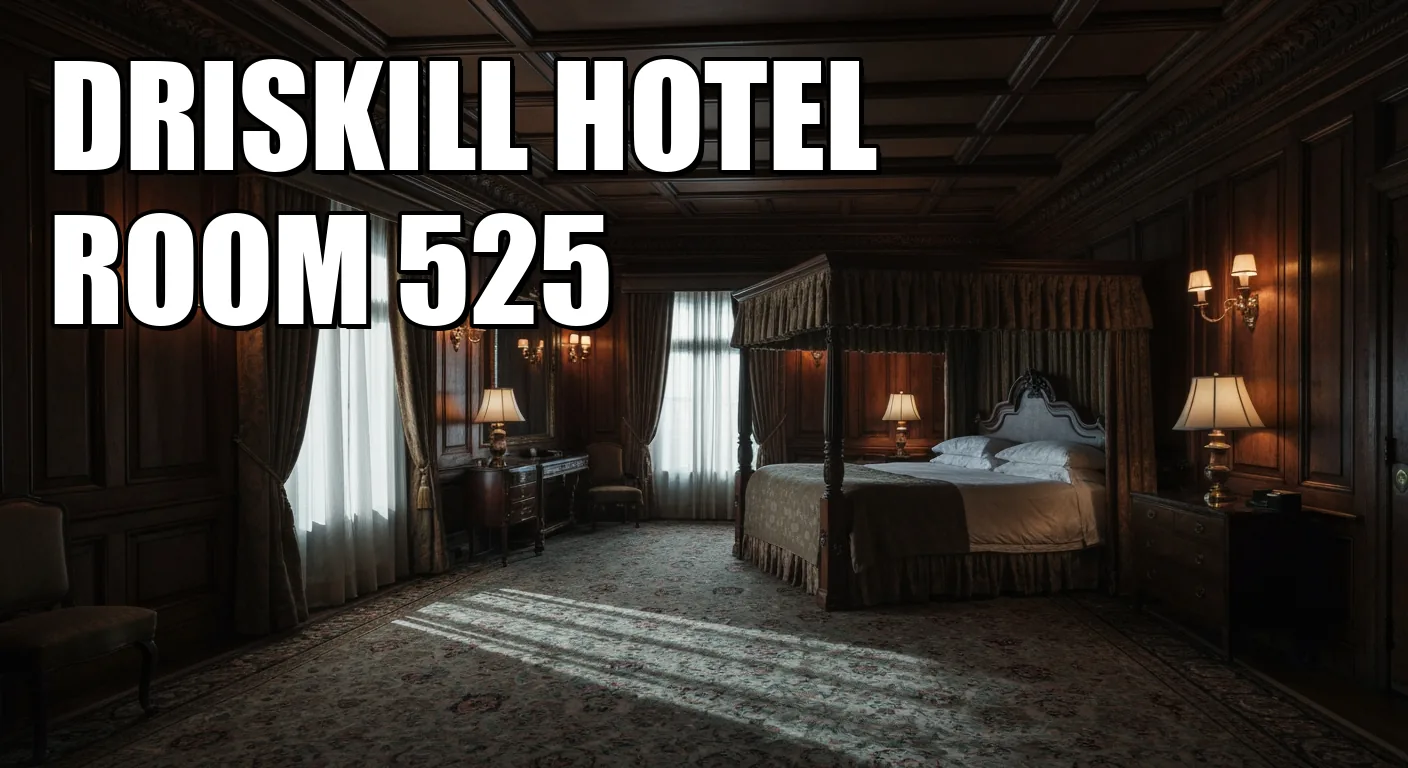
| "Is the Driskill real enough as a hotel, not just a ghost query?" | The Driskill guide | That page strips Room 525 back down to the actual property, the stay reality, and the reasons people still care about it. |
| "I still have not solved the arrival and car logic." | Flights to Austin for The Driskill and Downtown Stays | The arrival layer decides whether the trip is still downtown-shaped or already widening into something more road-driven. |
| "I only need to know whether the hotel should carry the trip identity." | This planner, then the Driskill page. | Together they answer the emotional and practical halves of the same decision. |
What the Best Austin Booking Usually Looks Like
For many readers, the strongest answer is straightforward: if the trip is really about downtown Austin and you want one stay that still feels like part of the city’s older myth, choose the Driskill on purpose and let it carry that weight. If the city is just the platform for a looser schedule, save the emotional heavy lifting for the streets themselves and book more pragmatically.
The weak answer is to pay for a landmark while insisting you do not care about landmarks, or to avoid the landmark while quietly wishing the stay felt more special the entire time you were there. The hotel will not fix that contradiction for you. This page is here so you fix it before you book.
The Real Job of This Page
The real job is to make one version of Austin feel obviously right. A good planner is not about more options. It is about making the trip with actual character easier to recognize and the version you do not really want easier to refuse. If the page works, you should finish it not only clearer, but more excited about the Austin you actually mean to go have.