New Orleans Historic Hotel Planner

Updated May 20, 2026
New Orleans Historic Hotel Planner
Photo for Cornerstone Mansion planning pages
Stay Strategy

Choose the stay before you compare rates

  • Read the district and trip-shape logic first so you are not comparing rooms that belong to different weekends.
  • Use the tool once you know whether the trip is named-hotel-first, district-first, or broader city-base-first.
  • Keep the named-property guides nearby if the real choice is one iconic stay versus a looser neighborhood base.
Trip-shape note If the hotel itself is the point of the trip, treat Louis Armstrong New Orleans International Airport (MSY) as the arrival tool and the French Quarter as the decision lens. Compare flight timing against how late you actually want to arrive on Royal Street or in the Quarter, not just against the lowest fare.
Affiliate note Hotel tools on this page may use affiliate links. If you book through them, the site may earn a commission.

Hotel Search Tool

Use this only after you have narrowed the district or hotel logic. The supporting reads below should do that sorting work first.

Compare Hotels in New Orleans, LA

New Orleans changes shape depending on where you sleep. That sounds obvious until you compare it with cities where the hotel is mostly a logistics choice. Here the room changes the tempo of the trip. A Royal Street flagship stay makes the city feel theatrical and late-night walkable. A quieter lower-Quarter hotel makes the same city feel slower, more courtyard-driven, and easier to inhabit between Jackson Square and the river. A CBD grand hotel gives you bigger-property infrastructure and a cleaner downtown base, but it also changes how often the Quarter feels like an evening destination instead of your front yard.

That is why this page exists. It is not here to rank ghost stories or repeat hotel folklore. It is here to solve the real New Orleans question: what kind of stay makes the city feel worth the flight, the rate, and the first-night arrival friction once you actually get there?

The fast read: book Hotel Monteleone when one named historic hotel is supposed to carry the trip. Book Bourbon Orleans when you want deep French Quarter walkability with a strong building but a slightly lighter flagship aura. Book Place d'Armes when you want a quieter lower-Quarter base near Jackson Square. Book Le Pavillon when the right answer is really a grand CBD stay that still lets you reach the Quarter easily.

Quarter / Lower Quarter / CBD the three stay frames that actually change the trip
1st night matters New Orleans punishes a weak arrival plan more than a generic city break
4 named hotel paths Monteleone, Bourbon Orleans, Place d'Armes, and Le Pavillon do different work

Start With the Real Question, Not the Hotel Map

The usual mistake is opening a booking map too early and pretending every old building in New Orleans solves the same problem. It does not. Some stays are really about stepping out into the French Quarter and feeling the city continue right under your feet. Some are about getting a quieter block, a courtyard, and a real pause button between walks. Some are about using a big hotel with valet, elevators, bigger rooms, and a downtown footprint while still reaching the Quarter on your own terms.

If you sort those trip shapes first, the city becomes easier to book. If you skip that step, New Orleans starts to look like a pile of “historic” hotels and haunted blurbs that all seem interchangeable until you get there and realize the neighborhood rhythm was the whole decision.

What Kind of New Orleans Trip Are You Actually Buying?

Before you compare rates, figure out which of these four trip shapes sounds like the version of New Orleans you actually want.

Trip shape Best first read Why it works
One iconic hotel that carries the whole trip Hotel Monteleone You want one famous building, a strong bar-and-lobby identity, and a stay that still feels worth it even if you stop caring about the ghost angle.
A deep French Quarter base with high walkability Bourbon Orleans You want Jackson Square and Royal Street to feel close, and you want the Quarter to start the moment you leave the room.
A quieter lower-Quarter stay with courtyards and breathing room Place d'Armes You want old-Quarter texture without forcing the trip through the loudest flagship-hotel logic.
A grand downtown base that still reaches the Quarter easily Le Pavillon You want a bigger hotel plant, a CBD address, and a stay that works for more than one neighborhood rhythm.

Why the French Quarter Premium Is Sometimes Worth Paying

The French Quarter premium is easiest to justify when the trip is short, the arrival is emotional, and you do not want to spend mental energy leaving and re-entering the neighborhood every time the day bends. That is why one-night and first-time trips are usually where the Quarter rate hurts least and pays back most. You step outside. The trip is already on. Late dinner is easy. A drink turns into a walk without planning. An early morning loop past Royal Street or Jackson Square feels like part of the hotel decision, not a separate outing.

That is also why some New Orleans hotel pages sound more expensive than they feel in practice. A traveler who really wants the Quarter from the room outward often regrets “saving” by moving the stay into a generic downtown logic and then paying the cost back in friction, rides, or lost spontaneity.

When the French Quarter Premium Is Not the Smartest Answer

There are also plenty of trips where sleeping directly inside the Quarter is not the clever move. If you need a larger room product, clearer valet logic, a dog-friendly hotel, or a trip that mixes the Quarter with the CBD, convention activity, or the Superdome, the downtown edge starts to look more rational. Two- and three-night stays can absorb that tradeoff much better than a one-night hit. The longer the trip, the more room there is for a grander downtown base or a larger-property rhythm to make sense.

That is where Le Pavillon becomes useful. It is not trying to win the same argument as Monteleone or Place d'Armes. It is answering a different question: what if the right New Orleans hotel is one that still feels historic and atmospheric, but does not require sleeping inside the Quarter grid every night?

The Four Named Stays and the Trips They Actually Fit

Hotel Monteleone: the flagship-hotel version of New Orleans

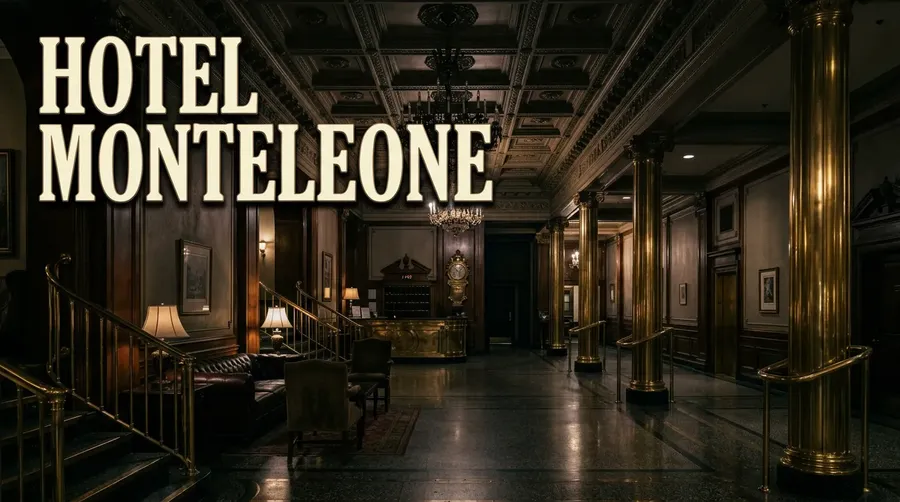
Monteleone is the cleanest answer for readers who really do want a named hotel to carry the trip identity. That is not the same thing as wanting “the most haunted” hotel. It means you want a building that justifies its own gravity. The Royal Street setting, the Carousel Bar, the literary identity, and the feeling that the public rooms matter almost as much as the bed all push Monteleone into a different class from a generic French Quarter stay.

If the trip sounds better once you imagine returning to Royal Street instead of merely returning to “downtown,” Monteleone is probably the strongest first click. It is especially right for couples, first-time visitors, and short trips where one excellent hotel can do a lot of the city-shaping work.

Bourbon Orleans: the Quarter stay for people who want the neighborhood to dominate

Bourbon Orleans works when the hotel matters, but the neighborhood matters more. It is still a recognizable historic building with a layered backstory, but the stronger selling point is that the lower Quarter and Jackson Square become your natural orbit. You are not hiding from the neighborhood or treating it like a stage set. You are sleeping inside it.

That is why Bourbon Orleans suits readers who want to wake up in the Quarter, move through Royal Street and Jackson Square on foot, and treat the city itself as the main attraction rather than one singular hotel name. It is also a better fit than Monteleone for travelers who want a strong courtyard-pool button and a lower-Quarter center of gravity without taking on the full emotional weight of the flagship-hotel decision.

Place d'Armes: the quieter lower-Quarter answer

Place d'Armes is what you pick when the Quarter sounds right but the loudest version of it does not. The calmer St. Ann Street block, the proximity to Jackson Square, the courtyards, and the pool give it a different rhythm from Monteleone or Bourbon Orleans. The stay feels less like a performance and more like a way to inhabit the old city.

This is often the smartest answer for readers who love New Orleans visually and geographically but do not need the hotel to perform at flagship scale. If your ideal day is built from morning walking, a quieter reset in the courtyard, and then another loop through the Quarter later, Place d'Armes has a better argument than a hotel that wins mainly on public-room legend.

Le Pavillon: the CBD grand-hotel version of the trip

Le Pavillon stops the page from collapsing into French Quarter absolutism. Some New Orleans trips should be downtown-grand-hotel trips. If the city needs to work for a larger room product, a dog-friendly setup, valet clarity, Poydras Street logic, or a more mixed itinerary that includes the Quarter but does not kneel to it, Le Pavillon is a credible answer.

It is also the best test for whether your New Orleans imagination is really about the Quarter or about a broader historic-hotel mood. If the idea of staying on the CBD side still sounds attractive after you strip away the lore, you probably do not need to pay every French Quarter premium that pops up in a search result.

How Arrival Friction Changes the First Night

New Orleans is unusually sensitive to the first-night arrival. A bad arrival can flatten the exact mood you were flying in to buy. If you land late, get stuck in airport-to-hotel friction, and arrive tired at a property that does not fit the trip you imagined, the city can suddenly feel expensive instead of seductive.

That is why this planner is paired with the flight page. If you are still figuring out airport timing, cab versus rideshare logic, or whether you really want to arrive deep in the Quarter late at night, start with Flights to New Orleans for a French Quarter Trip. That page handles MSY and arrival sequencing so this page can stay focused on the stay itself.

In practical terms, arrival friction matters most at the deep-Quarter properties. Valet-only parking, no airport shuttle, bag drag, and a weaker first-night window are all easier to absorb when the hotel is truly worth it. They feel much worse when you chose the wrong trip shape in the first place.

What a One-Night, Two-Night, or Three-Night Version of the Trip Looks Like

One night: bias toward the Quarter. The city needs to start quickly. Monteleone and Bourbon Orleans are strongest here, with Place d'Armes as the calmer version of the same logic.

Two nights: the decision becomes more nuanced. The Quarter still makes sense, but this is where Place d'Armes gets stronger and Le Pavillon becomes a real alternative if the room, valet, or downtown footprint matters enough.

Three nights or more: you have room to decide whether the hotel is the point or the platform. That is the zone where a larger-property CBD stay stops looking like compromise and starts looking like strategy, especially if the trip is not purely Quarter-first.

The Named-Hotel Matrix That Actually Helps

If your real priority is... Best fit Why
One famous hotel that feels like part of New Orleans mythology Hotel Monteleone Royal Street, the Carousel Bar, and the strongest flagship-hotel identity in this group.
Walking straight into Jackson Square and the lower Quarter Bourbon Orleans Strong deep-Quarter placement with more hotel identity than a small-property stay.
A quieter lower-Quarter base with courtyards and pool relief Place d'Armes Best for travelers who want the Quarter to feel inhabitable, not merely famous.
A bigger historic-feeling hotel with CBD logic Le Pavillon Better for mixed downtown itineraries, larger-property behavior, and travelers who do not need to sleep inside the Quarter grid.
A smaller lower-Quarter option with less flagship pressure Andrew Jackson Hotel Good when the traveler wants a more compact property read instead of a heavy flagship-hotel decision.

How to Use This Cluster Without Wasting Time

If you want one hotel to carry the trip, read Monteleone first and then pressure-test it against Bourbon Orleans. If what you really want is a quieter old-Quarter base, read Place d'Armes before you let Monteleone’s fame decide the whole trip for you. If the city needs to work as a broader downtown stay, read Le Pavillon early so you do not waste an hour pretending every good New Orleans hotel must be inside the Quarter.

The smaller properties only matter after that. Once you already know whether you want flagship, lower-Quarter quiet, or CBD grand-hotel logic, pages like Andrew Jackson become useful. Before that, they just add noise.

What This Page Is Really Trying to Save You From

It is trying to save you from booking the wrong version of New Orleans. A lot of bad hotel decisions here come from reading too many generic “haunted hotel” lists and not enough place logic. People book a hotel that sounds famous and then realize they actually wanted a quieter block. Or they pay for the Quarter and discover they were really shopping a larger downtown stay all along. Or they choose a cheaper outside base and spend the whole trip wishing the city still existed when they got back to the room.

That is the point of a serious New Orleans planner. Not to give you ten interchangeable options, but to make the right hotel shape obvious enough that the trip already feels sharper before you even open the booking tool.

The Strongest Next Step

If the arrival is still fuzzy, open the New Orleans flight page first and lock the airport logic. If the arrival already feels clear, choose the hotel path that matches the trip you want: Monteleone for flagship gravity, Bourbon Orleans for deep Quarter walkability, Place d'Armes for quieter lower-Quarter texture, or Le Pavillon for CBD grand-hotel logic.

Once that choice feels right, the booking tool becomes useful. Before that, it is just a pile of rates attached to the wrong trip.