
Kykuit is not John D. Rockefeller Sr.’s house preserved at one moment. The building visible today is the third architectural answer to the site; its grounds combine at least four design authorities; its main floors and basement galleries express different Rockefeller generations.
Kykuit Is Three Houses and Two Art Worlds in One

The present house is Kykuit III
Rockefeller bought the existing Parsons-Wentworth house in 1893. That circa-1875 wood-frame residence, later called Kykuit I, had a mansard and tower roof. It was destroyed by fire on September 17, 1902.
John D. Rockefeller Jr. commissioned Delano & Aldrich for the replacement. Built from fall 1906 to spring 1908, Kykuit II was a stone chateau with a steep hip-and-gable roof. Ogden Codman Jr. shared design authority on the interiors—an arrangement required by Senior and later expanded by Junior.
The family did not preserve that new house for long. Between 1911 and 1913, contractors removed its top two floors, built a new upper story, moved the façade forward, extended the forecourt, added skylights and inserted a delivery tunnel below the terrace. Codman returned to the interiors, while William Welles Bosworth altered the east façade to relate the house more closely to the formal gardens.
The current silhouette is therefore not the original stone design with minor decoration. It is a major reconstruction completed only a few years after Kykuit II opened.
The landscape has no single author
The Olmsted firm entered the property in 1894. Warren Manning and Edward Bolton prepared early grid and access-road studies that informed later development. Rockefeller Sr. also intervened directly, staking house positions, routing roads for views and monitoring tree moves.
Junior hired Bosworth in 1907 for the formal gardens, then expanded his work to the Orangerie, Coach Barn renovations and the Kykuit III façade. A different method shaped the Japanese layer: craftsmen Uyeda and Takahashi arrived in 1909 and adapted the stroll garden and 1910 tea house to the steep ground.
Calling the grounds simply “the Bosworth gardens” erases both the earlier infrastructure and the hands that created the Japanese landscape.
The main floors and basement belong to different collectors
John D. Rockefeller Jr.’s main-floor collecting favored historical furnishings and ceramics displayed within Codman’s classical interiors. Even Senior’s contribution is not accurately reduced to indifference toward art: he selected Asian stone ornaments and lanterns for the gardens and treated their placement as part of the landscape design.
Nelson Rockefeller created the sharpest break in the 1960s. He converted basement levels, service tunnels and passageways into modern-art galleries containing more than 100 works. His collection includes 18 tapestries commissioned from Picasso compositions and woven by Jacqueline de la Baume Dürrbach. He also placed 70 modern sculptures in the gardens.
The descent from formal family rooms into subterranean modern galleries is not a move through one coherent Rockefeller taste. It is a generational change made architectural.
Public preservation froze an argument, not a period room
When Nelson died in 1979, he bequeathed his one-third interest in the estate to the National Trust for Historic Preservation. Public interpretation inherited a property already rewritten by architects, decorators, family collectors and landscape makers over more than eight decades.
A longer tour is meaningful because it can cross those authorship seams: from a burned wooden predecessor to a twice-designed stone house, from collaborative gardens to Junior’s classical rooms and Nelson’s modern underground.
Part of ⭐ Famous Residents
Famous Residents
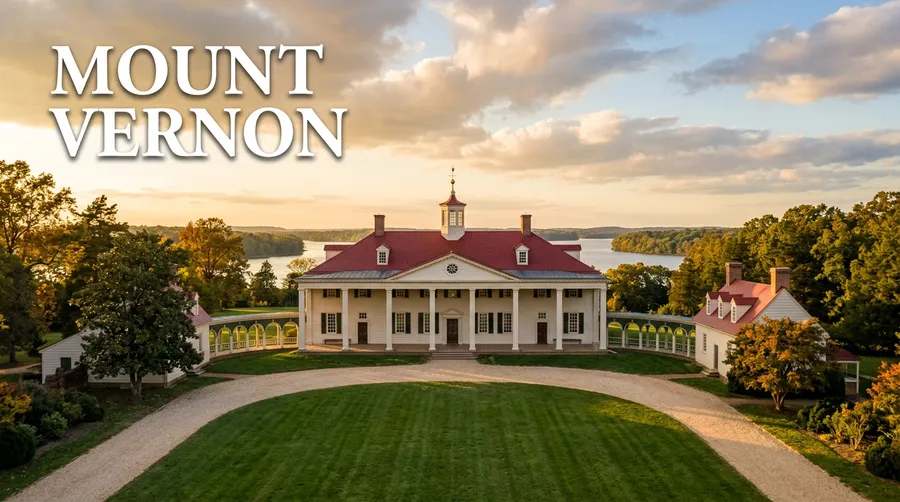
Mount Vernon Tickets, Mansion Tour, and What to See at George Washington’s Estate
A first-timer’s Mount Vernon guide covering timed mansion entry, how long to budget, what is included beyond the house, and how the estate now frames slavery as central history.
Famous Residents
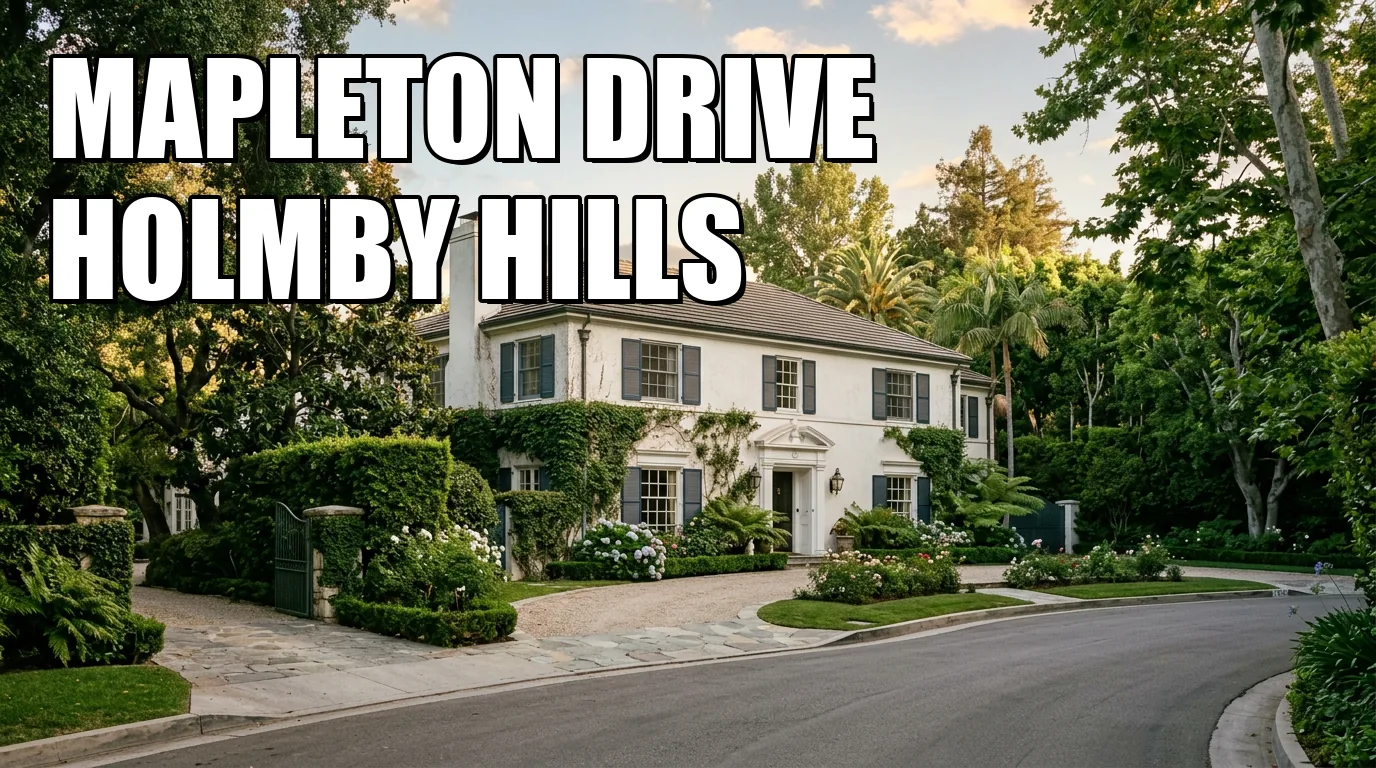
Humphrey Bogart Homes: The Los Angeles Addresses Fans Still Search For
Most Bogart addresses in Los Angeles are private residential properties. Here is which stops are publicly accessible, what each address documents, and how to frame the trip.
Famous Residents
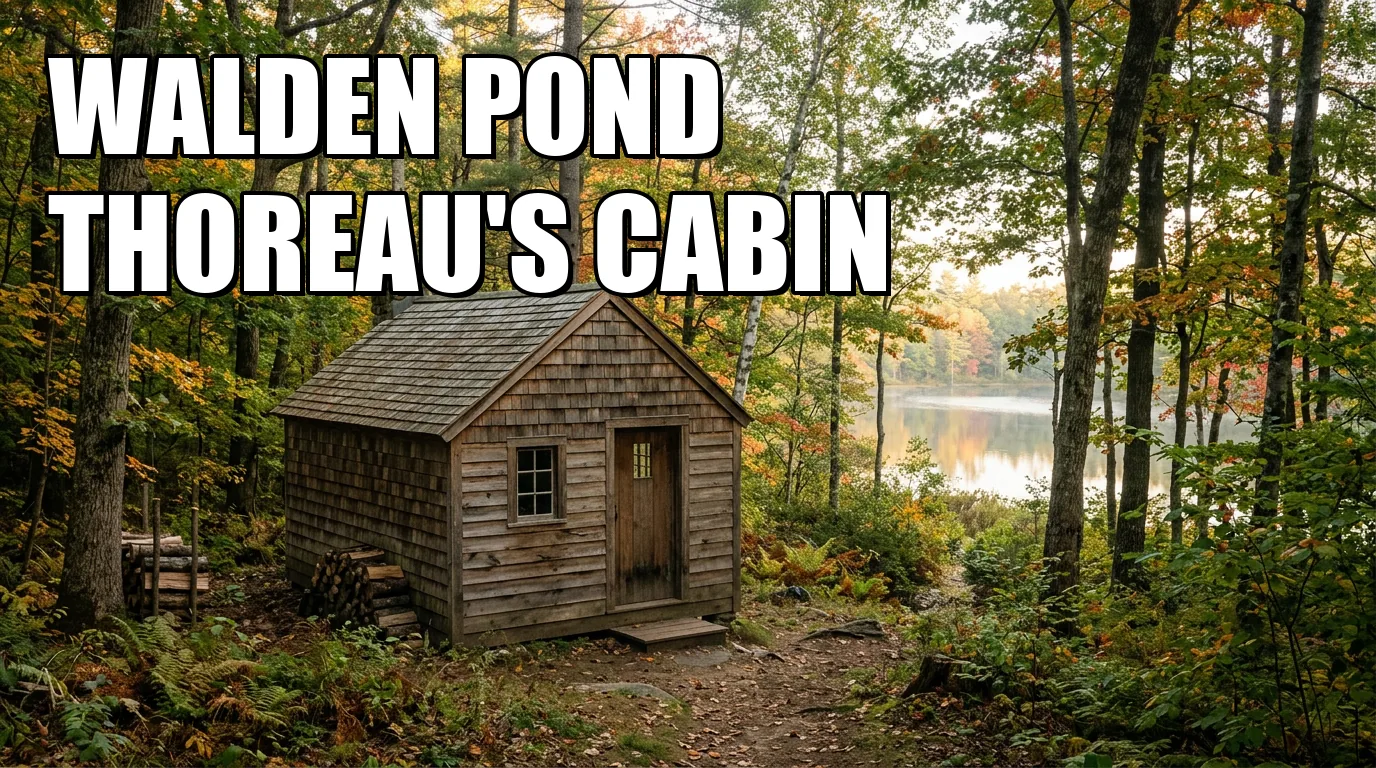
Walden Pond and Thoreau's Cabin: Replica, Site, and What Is Original
The cabin near the lot is a replica; the documented site is a half-mile away. A field guide to scale, archaeological location, landscape change, and access.
From the author of this guide
Check In After Dark
One writer checks into the rooms with the stories — Stanley 217, Banff Springs 873, the Del's 3327 — and reports what the night is actually like.