
Peeking Through Time: America's Victorian Windows
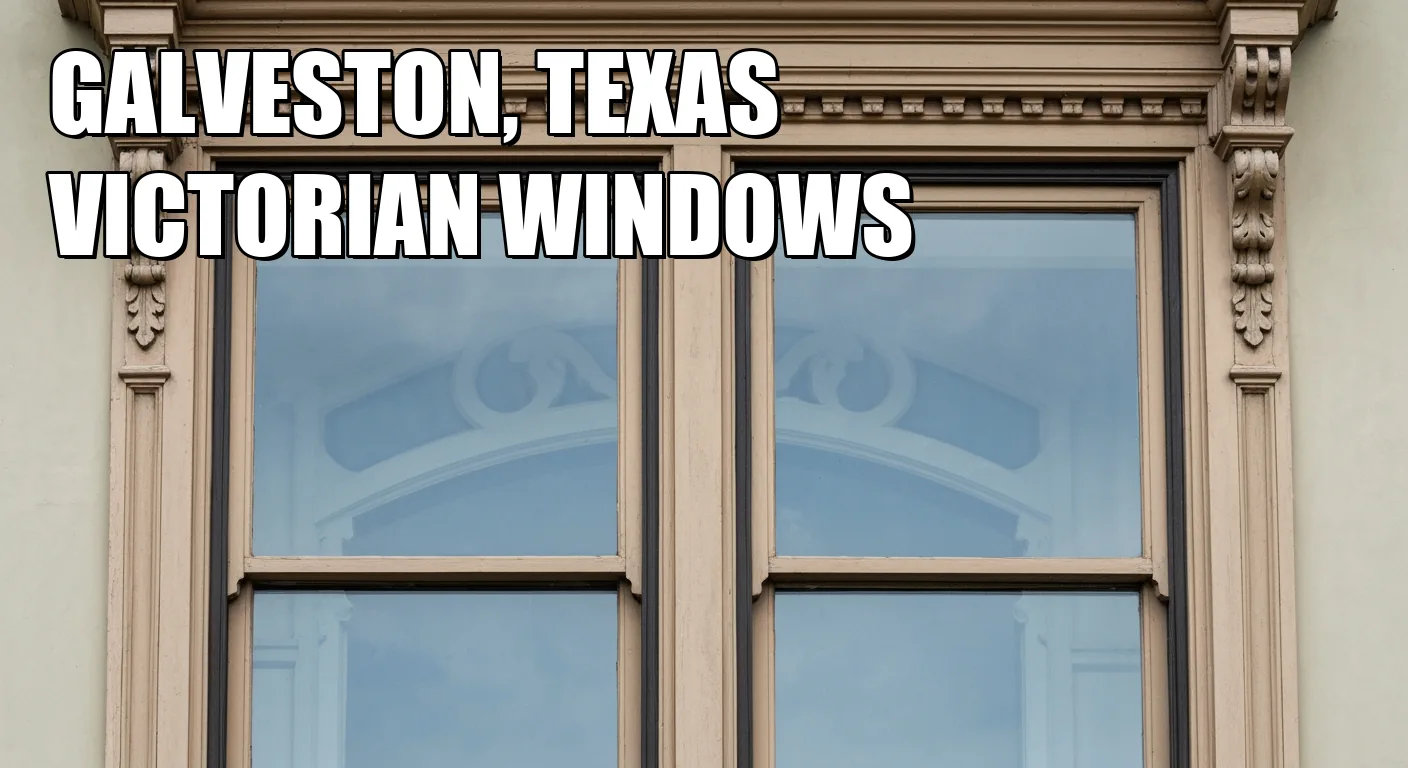
For years, I’ve found myself drawn to the windows of old houses. Not just for the view *from* them, mind you, but for the story they tell *about* the structures themselves. In the sprawling tapestry of American architecture, the Victorian era (roughly 1837-1901) presents a particularly fascinating chapter for windows. Forget the notion that a window is merely a hole in a wall for light; Victorian windows were statements—of wealth, of technological progress, of shifting aesthetic tastes.
Wandering through a historic district, say in Galveston, Texas, or Cape May, New Jersey, it’s easy to be overwhelmed by the sheer volume of decorative elements. But if you slow down and truly look, the windows emerge as silent narrators. They whisper tales of a time when glass manufacturing was undergoing radical changes, and architects, freed from older constraints, reveled in expressive design. What you find isn’t a single, monolithic "Victorian window," but a diverse family, each member with its own distinct personality and purpose.
The Enduring Dominance of the Double-Hung Sash: More Than Just Two Panes
When we think of a classic Victorian window, chances are a double-hung sash springs to mind. This wasn't just a popular choice; it was the workhorse of the era, the design that truly defined residential architecture for decades. Essentially, it consists of two vertical sliding sashes—one on top, one on bottom—that can move independently. The real game-changer here, and something many casual observers miss, was the shift from the earlier Georgian "six over six" pane configuration (six small panes per sash) to the much more open "two over two" pattern. This transition, largely standard by 1870, wasn't just aesthetic; it was a testament to advancements in glass manufacturing, allowing larger, less-expensive panes to be produced. Suddenly, homeowners could flood their rooms with more unobstructed natural light, a radical improvement. Think about the practicalities: these windows typically featured thicker wooden frames—often softwood, oak, or stable timbers like Sapele and Accoya—to accommodate the larger glass and provide structural integrity. Those little wooden extensions you sometimes see on the sides of the upper sash? Those are "sash horns," a clever bit of Victorian engineering designed to strengthen the vulnerable frame joints against the increased weight of bigger glass panes. While they might seem like mere decoration today, they were a functional necessity. The reliable counterweighted rope and pulley system, concealed within the frame, made operation surprisingly smooth, even by today’s standards. If you’re visiting a historic home and get a chance to operate one of these, you’ll be impressed by the balance and ease, a far cry from the creaky, painted-shut windows in many neglected old properties. Expect to pay a pretty penny if you’re restoring them; good wood and skilled craftsmen aren't cheap in 2025.Projecting Grandeur: Bay and Bow Windows – Practicality or Pure Pomp?
Moving beyond the flat facade, Victorian architects truly embraced the idea of projecting light and space into a room. This is where bay and bow windows come into their own, though it’s easy to conflate the two. A bay window is angular, typically three-sided, forming a canted (trapezium) shape or even a rectangular "box." Its purpose was undeniably pragmatic: it physically extended the interior space, creating a cozy alcove perfect for a window seat or a small display nook. More importantly, it dramatically enhanced natural light penetration and improved cross-ventilation, a godsend in a pre-air conditioning world. I've often stood in the "bay" of an old parlor, marveling at how a few feet of projection utterly transforms the feel of a room, bringing the outside in. In contrast, the bow window offered a softer, more organic aesthetic. Imagine a gentle, semi-circular projection, often composed of five or more individual window sections. This design, prominent from the 1880s onward, felt more elegant, more flowing. But here’s the kicker: bow windows often featured curved glass, a significant technological feat for the era. Manufacturing curved glass was both difficult and expensive, making these windows a clear marker of wealth and status. It wasn't just about maximizing views; it was about demonstrating that you could *afford* curved views. While earlier examples existed, the widespread adoption of these projecting beauties really took off after the Building Act amendment of 1894, which finally permitted windows to protrude from exterior walls without hassle. Before that, they were largely confined to grand mansions, making their later ubiquity a fascinating post-regulation phenomenon.Echoes of Ages Past: Gothic Revival and Italianate's Dramatic Statements
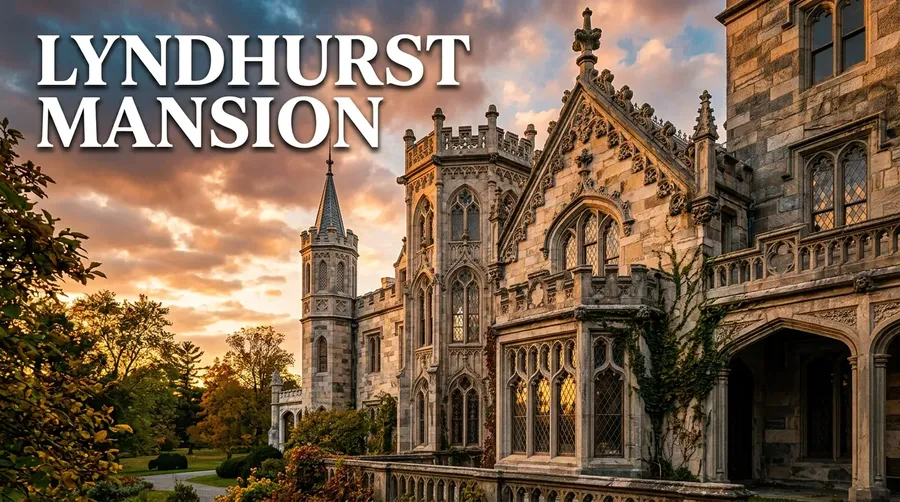
The Victorians were nothing if not eclectic, and their windows often directly reflected their fascination with historical styles. Nowhere is this more apparent than in the Gothic Revival and Italianate movements, which offered dramatic departures from simpler forms. Gothic Revival windows, particularly prevalent in High Victorian Gothic architecture (1860-1890), were a direct nod to medieval ecclesiastical architecture. Forget the straight lines; here you'd find pointed arches, lancet designs, and intricate tracery—those delicate, decorative patterns carved into stone or wood that hold the glass. I’ve explored old churches and university buildings, and even some grand homes, where these windows, often adorned with stained or leaded glass, create an almost otherworldly ambiance. They weren’t merely functional openings; they were pictorial elements, often framed by ornate stone or brick trim in contrasting colors, sometimes with decorative hood moldings above them. What's often overlooked is the sheer craftsmanship involved: intricate muntin patterns (the strips holding the glass) with lead and solder for leaded glass, demanding immense skill. Don't expect to find many active restoration shops capable of this precise work today unless you hunt for true specialists, and be prepared for costs that reflect a dying art. Then we have the Italianate style, which brought a completely different, yet equally dramatic, flair. Peaking from 1865-1890, Italianate homes emphasized verticality. This meant tall, narrow windows, often arranged in pairs or trios, dominating the first floor to suggest a *piano nobile*—the principal floor of a grand Italian palace. What defines these windows is less about their operating mechanism (they were often double-hung) and more about their pronounced ornamentation: heavy, decorative hood moldings above each opening, sometimes with elaborate keystones. These weren't subtle; they were bold, almost theatrical, intended to evoke the classical Renaissance. The larger plate glass panes, a luxury made possible by improved production from the 1830s, allowed these windows to truly *become* picture windows, framed by contrasting stone or marble sills against brick facades. Standing before an Italianate mansion, you can almost hear the grand pronouncements of a bygone era in the sheer scale of its fenestration.Beyond the Main View: Sidelights, Transoms, and Casements – The Unsung Workhorses
While grand bays and pointed arches captured attention, other window types performed vital roles, often with understated elegance or surprising efficiency. Consider the transom and sidelight windows. These might seem minor, but they were architectural powerhouses for light, ventilation, and privacy, especially before mechanical air conditioning. Transoms are those small horizontal windows found above doors, while sidelights are the vertical windows flanking a doorway. In Victorian homes, particularly in the flamboyant Queen Anne style (1880-1910), these were often adorned with truly exquisite stained, leaded, or beveled glass. I’ve seen countless examples where a simple entryway is transformed by a transom featuring intricate geometric patterns, floral motifs, or even subtle heraldic symbols. These weren’t just pretty; they allowed light into dark entryways and stairwells while maintaining privacy, and could be opened for airflow without compromising security. A semicircular variant, the *fanlight*, was especially popular in formal entryways, adding a touch of Georgian elegance reinterpreted through Victorian decorative excess. The lead came (those H-shaped strips holding the glass) and the painstaking soldering involved in these art glass pieces speak volumes about the artisanal skill of the period. Today, these are often the first elements to be carelessly replaced or painted over, losing an essential part of the home's original character. Then there are casement windows, which offer a refreshing counterpoint to the ubiquity of the double-hung sash. Unlike their sliding counterparts, casements are hinged on the side and open outward or inward like a door, providing maximum ventilation and often an unobstructed view. While popular in early Victorian rural buildings and later in Arts and Crafts designs, they weren't always the first choice for urban residential facades. Early casements (1840s-mid-1800s) often featured robust oak frames, initially with glass panes held by lead strips before glazing compound became standard. Later, softwood frames allowed for slimmer profiles, frequently painted in vibrant regional colors—light blue, green, black, even red—a stark contrast to the often muted tones of later eras. What’s critical here is their functional advantage: they could open fully, without taking up interior space when swung outward, or allowing for a full breeze indoors if hinged to open inward, something a double-hung window could never quite manage.Finding Authenticity: Appreciating Victorian Windows in the Modern Age
So, how does one truly appreciate these varied window styles when traversing America's historic landscape in 2025? First, don't just glance. *Look*. Notice the pane configuration: is it the ubiquitous two-over-two, or an older six-over-six hiding in an early Victorian? Does it have sash horns, or has it been "modernized" away? Observe the materials: is the wood original, showing the patina of age, or a vinyl replacement masquerading as a classic? Many historic districts, while beautiful, have fallen prey to thoughtless renovations. A true Victorian window, even in pristine condition, carries a different weight, a subtle unevenness in its glass, a depth to its wood that modern reproductions can rarely replicate. If you’re planning a trip to a city famed for its Victorian architecture, like San Francisco's Painted Ladies or the historic homes of Cincinnati, aim for the shoulder seasons—late spring or early autumn. You’ll avoid the suffocating humidity and peak tourist crowds of summer, allowing you to linger and observe. Parking in these areas can be notoriously difficult and expensive; consider public transport or ride-sharing services, and be prepared for walking. Many historic house museums offer guided tours that will explicitly point out window details, sometimes even opening them to demonstrate their mechanisms. Always ask. The admission fees are usually modest (expect $10-$20 per person for a house tour), but the insights gained are invaluable. Don't be afraid to ask about restoration efforts—many homes are constantly battling the elements, and understanding the cost and effort of maintaining these historic windows against modern demands for energy efficiency is an eye-opening experience. The best way to challenge the conventional wisdom that old windows are inefficient is to see a properly restored and weather-stripped one in action; they often perform surprisingly well, especially compared to poorly installed modern replacements. Ultimately, America's Victorian windows are more than architectural elements; they are portals to another time. Each sash, each pane, each decorative flourish tells a story of innovation, aspiration, and the enduring human desire to connect the interior world with the beauty and utility of the exterior. Take the time to truly see them; you might be surprised by the conversation they spark.Complete Guide to Victorian Window Architecture Across America
What is the history of Victorian window architecture?
Victorian window architecture emerged during the reign of Queen Victoria (1837-1901) and evolved through multiple styles including Gothic Revival, Italianate, Queen Anne, and Stick styles. The era saw significant advancement in glass production, allowing for larger, more affordable glass panes, which revolutionized window design with features like double-hung sash windows, ornate muntins, bay windows, and decorative stained glass becoming hallmark characteristics of the period.
What are the best US cities to see Victorian window architecture?
Cape May, New Jersey features the second-largest concentration of Victorian homes in the USA with hundreds of preserved examples; San Francisco, California is home to the famous Painted Ladies and has the largest collection; Toledo, Ohio's Historic Old West End contains 25 city blocks of Victorian and Edwardian homes; Newport, Rhode Island offers stately Victorian mansions along its coastline; and Galveston, Texas showcases the 1892 Bishop's Palace and other Victorian landmarks.
What defines a double-hung sash window in Victorian architecture?
A double-hung sash window features two movable sashes (upper and lower) that slide vertically within the frame, allowing flexible ventilation by opening either sash independently or together. These windows typically have characteristic thin muntins (glazing bars) that divide the glass into smaller panes, creating the iconic grid pattern seen in Victorian homes.
What are muntin bars and glazing bars?
Muntin bars, also called glazing bars or window grids, are slender strips of wood or metal that divide a window's glass panes into individual sections. Originally necessary due to glass production limitations, they became a defining decorative and structural element of Victorian windows, maintaining both the architectural integrity and the classic grid aesthetic of period homes.
What are bay windows and why are they significant in Victorian design?
Bay windows are three-sided architectural projections from a building's exterior, typically featuring 6-foot-high double-hung windows projecting 2-3 feet from the wall plane. They became a trademark of Victorian architecture, particularly in San Francisco and other coastal cities, providing bonus interior space, natural light, and dimension while embodying the opulent Victorian design aesthetic.
Part of 🏛 Architecture Styles
Architecture Styles
Gothic Revival Architecture: What the Street Can—and Cannot—Tell You
A three-level field test separates visible Gothic Revival evidence from a style hypothesis and the dates, authorship or alterations that require records.

Architecture Styles
Greek Revival Without Columns: A Confidence Test
Greek Revival can survive without a portico. Use roofline, entablature, entrance, wall plane, date and later alterations to state confidence.
Architecture Styles
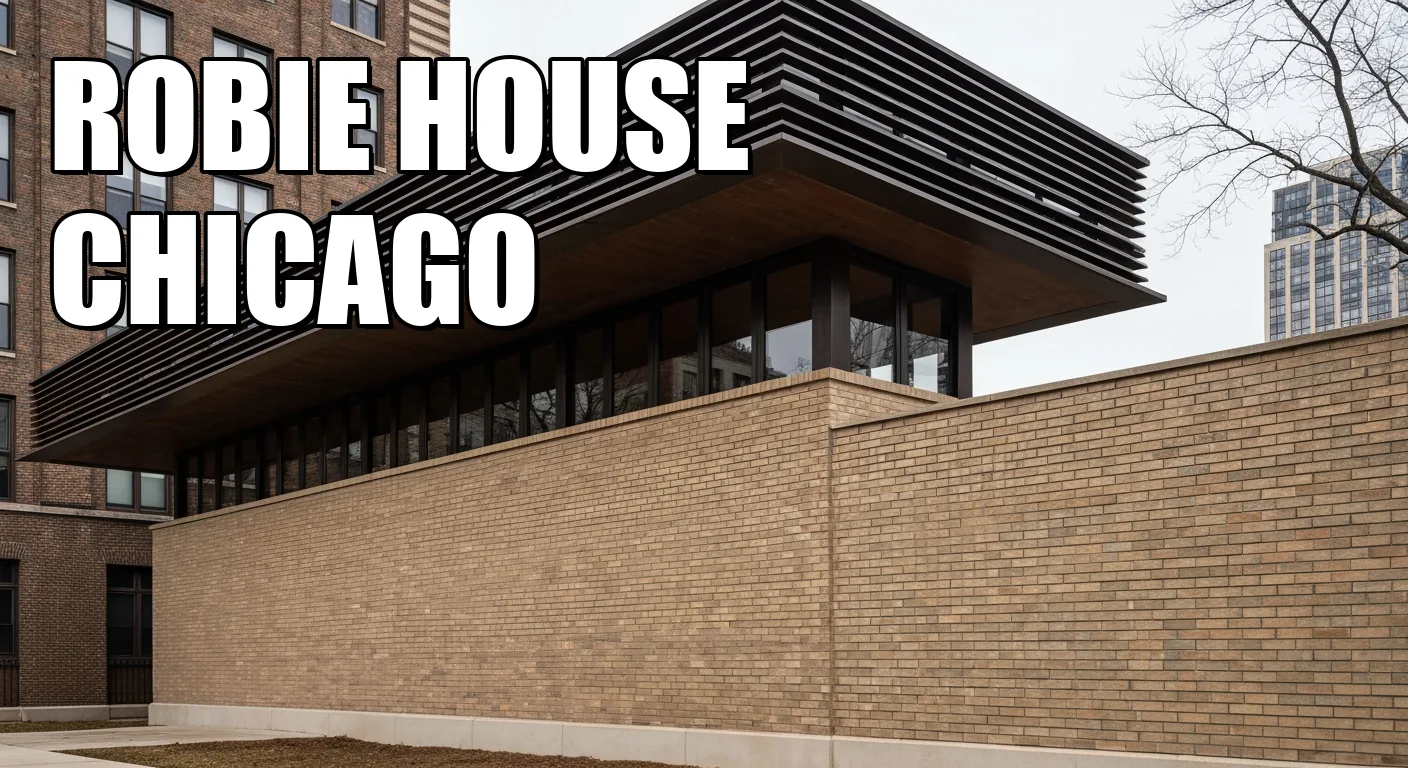
Prairie Style Architecture: How to Spot the Style in American Houses
A practical guide to Prairie Style architecture in the United States, with the roof, window, massing, and site cues readers should compare from the street.