
Stanley Hotel's Room 401: Unpacking the Haunting Legend
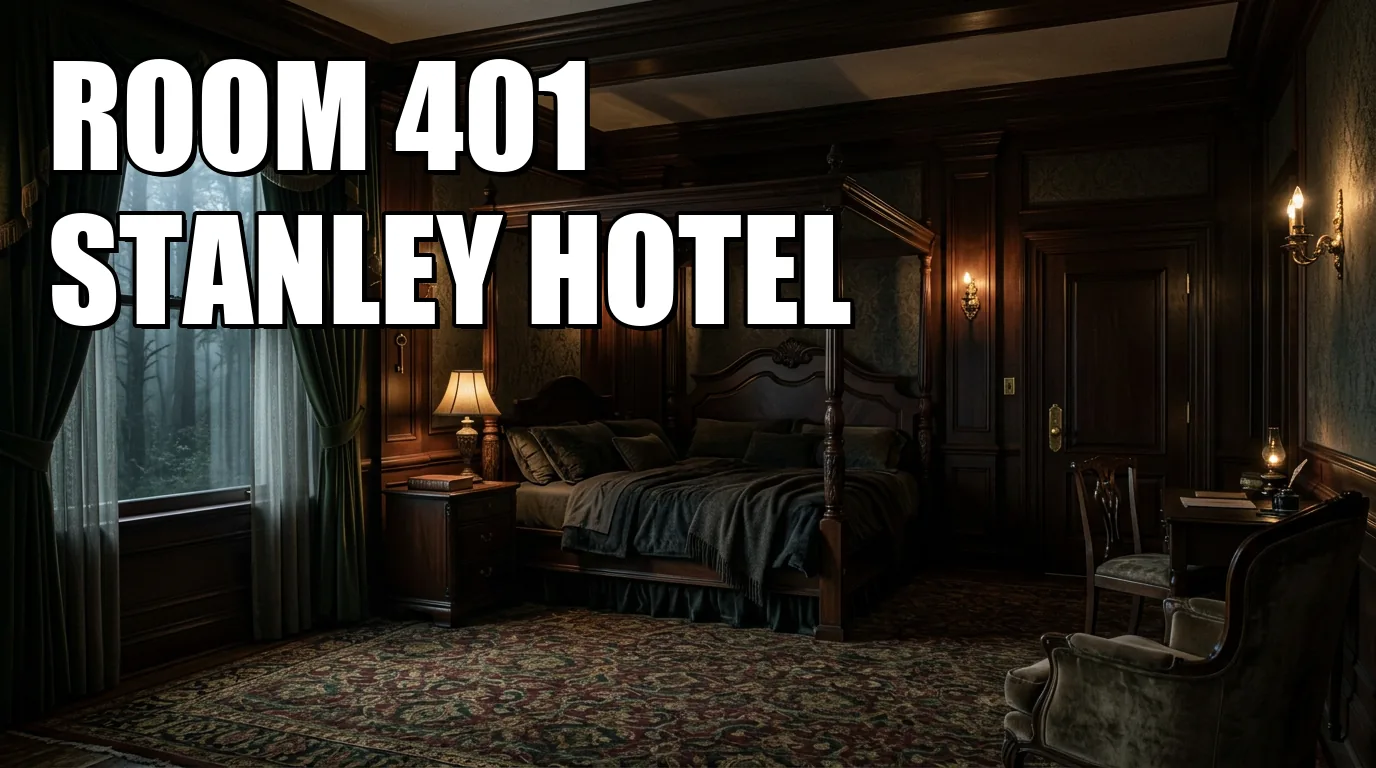
The Stanley Hotel
Estes Park, COThe Shining's inspiration — Room 401 is a real key you can request.
Deconstructing the Ghost Story: What Does "Haunted" Even Mean Here?
When we talk about hauntings, we usually imagine a singular, recognizable entity. In the case of Room 401, conventional wisdom points squarely to Windham Wyndham-Quin, the 4th Earl of Dunraven—a man who once owned the land on which the Stanley now stands. Legend paints him as an unwelcoming male spirit, perhaps annoyed by the very existence of a grand hotel on his former hunting grounds. But do the reported incidents actually coalesce around this singular figure, or are visitors simply projecting the narrative they’ve been told? This is where the story gets interesting, and frankly, a bit more complex than your average ghost tour might let on. For instance, consider the most oft-repeated tales specific to this room. Multiple women, guests and even a maid, have claimed to feel unseen hands brush, stroke, or even pinch them while standing inside the spacious walk-in closet. The specificity of the location—*inside the closet*—is what gives these accounts their particular chill. It’s not a general cold spot or a flickering light; it's a very direct, personal, and profoundly violating sensation. Another male guest recounted watching his wedding band inexplicably slide across the vanity and disappear down the bathroom sink drain, defying any logical explanation of gravity or vibration. These aren't grand apparitions; they're intimate, sometimes unnervingly tactile, events.Whispers from the Closet and Unsettling Incidents
Beyond those personal experiences, Room 401 has been the subject of more formal investigations, providing fodder for both skeptics and believers. On a 2009 episode of "Ghost Hunters," during an investigation within that very closet, a lone female participant distinctly heard a disembodied female voice utter, "Lift your face." This detail is crucial because it introduces a new variable: a *female* voice, in a room primarily associated with a male spirit. Does Lord Dunraven have company? Or does it suggest a more complex tapestry of residual energy, perhaps linked to the room's original purpose as part of the fourth-floor servant quarters? It makes you wonder if the narrative we cling to is perhaps too simplistic for the energies at play. Then there's the more dramatic sighting reported on Halloween Eve in 2002. A group of overnight ghost hunters allegedly witnessed the spectral figure of Lord Dunraven standing over a female guest’s bed, accompanied by sudden bursts of cigar smoke—a tell-tale sign of the aristocratic Earl—and the curious movement of jewelry across the room. More recently, in 2014, paranormal blogger Scotty, after securing a loose window in 401, returned later to hear phantom bass notes from a distant piano and found the previously latched window abruptly and forcefully closed. These incidents paint a picture of an active, if somewhat eclectic, presence. They highlight that the paranormal activity isn't confined to visual sightings; it encompasses auditory, tactile, and even psychokinetic phenomena, which some might argue is far more compelling than a fleeting shadow.Echoes of History: Servant Quarters and Literary Legends
To truly appreciate Room 401’s peculiar energy, one must understand its historical context. The entire fourth floor of the Stanley Hotel, upon its grand opening in 1909, wasn't originally designed for high-paying guests. No, this was the domain of the invisible workforce: the female employees, nannies, and children, connected by a network of underground service tunnels—a silent, bustling world beneath the opulent guest floors. Many paranormal investigators theorize that the residual energy from this constant human activity, the daily lives and emotions of these often-overlooked individuals, concentrates on this level. Could the alleged female voice in the closet be one of these former staff members, rather than a mere echo? This perspective challenges the dominant Dunraven narrative, suggesting a more democratic, if disquieting, array of spirits. Of course, no discussion of the Stanley, or Room 401, is complete without acknowledging the elephant in the ballroom: Stephen King. In October 1974, a stay at the hotel, then on the verge of closing for the season, provided the catalyst for "The Shining." King and his wife were the only guests, and a nightmare he experienced in *another* room—Room 217—triggered the plot of his iconic novel. While Room 217 garnered fame from the book, the hotel itself shrewdly capitalized on the ensuing horror lore, embracing its spectral reputation. It’s impossible to separate the hotel’s current "haunted" identity from King’s influence. One must ask: would Room 401 be quite so infamous, quite so *demanded*, without the long shadow of his terrifying fiction? The answer is likely no, which means visitors often arrive with expectations shaped more by cultural narrative than by genuine historical accounts of paranormal events.The Architect's Whispers: How Design Shapes Disquiet
Beyond the specters and literary fame, Room 401 possesses some unique architectural quirks that undeniably contribute to its distinctive atmosphere. It's not just a standard hotel room with a ghost; its very layout seems to lend itself to a heightened sense of anticipation. Take that walk-in closet, for instance—a deep, enclosed space that, as mentioned, appears to be a nexus for some of the most personal and unnerving encounters. Its very design creates a sense of compression and isolation, perhaps making guests more susceptible to suggestion, or genuinely providing a contained space for activity. During a recent remodel, the room saw the addition of a vaulted ceiling accented with reclaimed ship timber, culminating in a nautical-inspired ceiling fan fashioned from an actual ship's wheel. This detail is surprisingly charming, an homage to early 20th-century craftsmanship that feels oddly out of place in a mountain hotel, yet adds a layer of unexpected character. The bathroom, too, has been reconfigured, with the current shower and sink occupying what was once part of the original closet space. This alteration enhances the room's inherent asymmetry and helps preserve a somewhat narrow, almost labyrinthine passage feel, a subtle design choice that might, consciously or subconsciously, contribute to the "eerie atmosphere" often reported. Despite its sinister reputation, a small private balcony offers panoramic views of the Rockies and the hotel courtyard, a beautiful juxtaposition of serene natural beauty and the room's unsettling interior life.Securing Your Own Spectral Stay: A Practical Guide
So, you're intrigued. You've weighed the historical context against the spectral incidents, and the allure of Room 401 still beckons. What do you need to know before attempting to book this storied chamber? First and foremost, manage your expectations. You're paying for a *chance* at an experience, a slice of history, and the undeniable bragging rights of having slept in one of America's most famous "spirited rooms." This isn't a guarantee of a ghostly encounter, but it is a guarantee of a unique stay in a truly grand hotel. Room 401 is consistently one of the Stanley's most requested accommodations, particularly during the crisp, atmospheric autumn months, which many believe are prime time for paranormal activity. If you’re dead set on experiencing this room, plan your trip *far* in advance—we’re talking several months, especially if aiming for a weekend or a peak season date. Your best bet is to book directly through the Stanley Hotel's official website, which often provides the most up-to-date availability and comprehensive packages, including ghost tours that might deepen your understanding of the hotel's lore. While third-party aggregators list the room, going directly ensures you’re getting the most accurate information and potentially the best rates, which currently start around $451 USD per night. Consider a mid-week visit during the late spring or early summer to increase your chances of snagging this elusive room without competing with the peak fall crowds. Arriving prepared, with an open mind and a sense of adventure, is perhaps the most important advice for any would-be spectral sleuth. Will you encounter Lord Dunraven, or a more subtle, unexpected presence? Only time, and a night in Room 401, will tell.Planning the Wider Trip?
Use this planner when the mountain trip is already plausible and the real question is whether the Stanley deserves the overnight, or whether Estes Park should be treated as a wider base with the hotel as only one chapter.
Open Estes Park Stanley Hotel Stay PlannerMysteries and Essentials of Room 401 at The Stanley Hotel
Stanley Hotel Room 217: What Guests Can Actually Confirm
A practical Room 217 guide covering the story, the hotel context around it, and what guests can actually confirm instead of just repeating the King myth.
Stanley Hotel Halloween: Insider's Guide to a Spooky Sojourn
Stepping into The Stanley Hotel, especially as autumn's chill bites, feels like walking directly into a well-loved ghost story. But for those plotting a pilgrimage for Halloween 2025, merely showing up won't cut it. This isn't just a hotel; it's a meticulously crafted experience, one that demands savvy planning to truly peel back its haunted layers.
Stanley Hotel Ghost Tour: Which Tour to Book, Room 217, and the Active Fourth Floor
The Stanley Hotel experience splits into tours, famous rooms, and overnight haunted-stay choices. Here is which tour to book, why Room 217 is separate, and what the fourth floor actually means.
Planning a trip? See the full Estes Park guide.
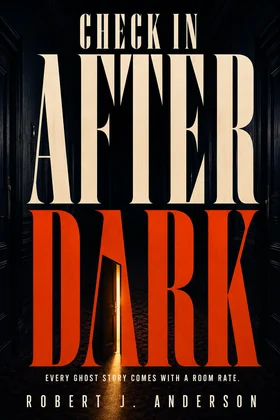
Check In After Dark
One writer checks into the rooms with the stories — Stanley 217, Banff Springs 873, the Del's 3327 — and reports what the night is actually like.