An Index Of Real-Place Friction In The Screen-Tourism Boom
Maison built this 2026 index to track what happens after a place becomes famous on screen and real visitors start arriving with fictional expectations. Some properties absorb the attention gracefully. Others ration it, redirect it, or fight it off with gates, waivers, booking rules, and tightly controlled access windows.
The easy version of screen tourism is simple to sell: stand where a scene was filmed, order the themed drink, take the photo, move on. The harder version starts once a private home becomes a crowd-control problem, a working ranch turns fan demand into a reservation gate, a small town has to script tram schedules around homeowners, or a historic hotel converts pop-culture fame into regulated inventory and fenced routes.
Maison reviewed a focused source set on May 18, 2026: official travel-trend research from Expedia Group and Booking.com, plus current official visitor pages for five high-signal properties and tour operators. A score rises when the public-facing rules show that screen fame has forced the real place to defend itself, monetize itself, or tightly script the visitor experience.
Maison rule for this index
A location does not rank just because a movie or show made it famous. It ranks when the official public surface shows real operational response: gates, timed tours, reservation-only access, recording restrictions, rate premiums, homeowner-protection rules, or explicit warnings that the place is not the fantasy fans are chasing.
The fantasy may sell the trip, but the real place decides what happens next.
The Maison Friction Model
The first Maison Screen-Tourism Friction Index uses a 10-point scale. It does not rank the quality of the film or series, and it does not measure popularity by itself. It measures how much operational pressure the real place now shows in public.
| Index Level | Score Range | What Maison Is Seeing |
|---|---|---|
| Low-Friction Absorber | 1-3 | A large or well-managed place can absorb on-screen fame without radically changing how access works. |
| Managed Access | 4-6 | The property still welcomes fans, but routes, timing, pricing, or use rules reveal meaningful control. |
| Reservation Gate | 7-8 | Fans must buy their way into access through formal tours, prebooked schedules, or protected operating windows. |
| High-Friction Reality Check | 9-10 | The real place must actively protect itself against fan behavior or convert demand into sharply restricted, premium, or exclusionary access. |
High friction is not automatically bad. It can signal exploitation of fandom, necessary self-defense, or, in many cases, both at once.
The Maison Screen-Tourism Friction Index 2026
The first Maison pass focuses on five high-signal properties or tour systems that illustrate five very different relationships between fiction and access. Scores are Maison's interpretation of public evidence as of May 18, 2026.
Maison Screen-Tourism Friction Index 2026: first-pass scores
| Property / System | Maison Score | Why It Scores Here | Current Access Logic |
|---|---|---|---|
| 66 Perry Street New York, New York | 10/10 | A private stoop became such a tourist magnet that the owner sought and won approval for a gate after years of trespassing, bell-ringing, window-peering, and vandalism. | Pure backlash model: exterior recognition remains public, but the property itself is defending against fandom. |
| Chief Joseph Ranch Darby, Montana | 9/10 | The ranch allows gate photos but no tours without a cabin reservation, turning screen access into a high-priced, gated overnight product. | Reservation-only ranch model with included set tour for paying guests. |
| Mystic Falls Tours Covington, Georgia | 8/10 | The town's fan economy runs on approved tram schedules, waivers, no full-tour recording, homeowner discretion, and advance demand that can sell out far ahead. | Guided-tour town model with protected stops and limited informal access. |
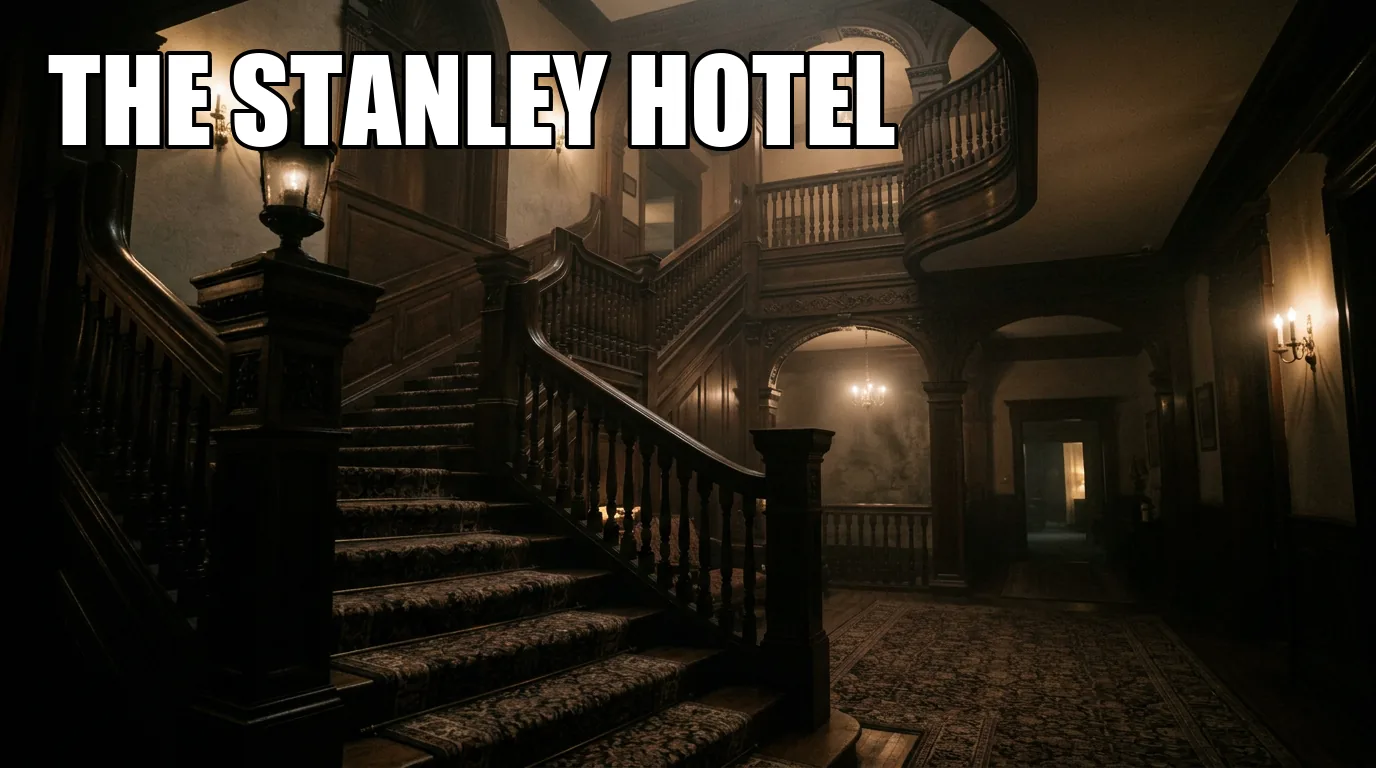
| The Stanley Hotel Estes Park, Colorado | 6/10 | Its public rules show controlled monetization rather than panic: age gates, no recording, hard check-in windows, and routes that do not enter guest rooms. | Commercial campus model with tourism fenced away from ordinary hotel operations. |
| Biltmore Estate Asheville, North Carolina | 4/10 | Biltmore has decades of film history, but the estate's size, ticketing structure, and broad visitor infrastructure let it absorb screen fame better than smaller or private sites. | Large-estate absorber with sufficient scale to handle cinematic spillover. |
The real-world consequences of fame vary sharply. One location ends in a gate, another becomes a premium stay, and another runs through a tram system shaped by homeowner-protection rules. The fantasy may be similar, but the access logic is not.
The Demand Shock Behind The Rules
The official travel data helps explain why this friction is getting harder to ignore. Expedia Group's current Unpack '26 material describes set-jetting as a potential $8 billion U.S. industry and says 53% of travelers report increased desire to take a set-jetting trip year over year. The same piece says 81% of Millennial and Gen Z travelers now plan getaways based on what they have seen on screen.
Booking.com's 2026 trend material adds a second layer. It argues that fantasy itself is becoming a travel blueprint. More than 71% of global travelers say they could be interested in a romantasy-inspired destination, 53% are open to role-play retreats tied to favorite fantasy worlds, and 78% are open to AI suggestions that point them toward “storybook” stays or real-world filming locations.
The current travel-trend numbers pushing screen tourism into a management problem
That is why a screen-tourism article in 2026 has to be about operational stress, not just dreamy itineraries. The current demand signals are already strong enough to change how real properties protect themselves.
What Friction Looks Like In Practice
Friction becomes easier to compare once it is translated into visitor sacrifice. In every high-scoring case below, the fan gets some version of the fantasy, but not the fantasy on its own terms.
| Case | Main Access Barrier | What The Fan Gives Up | What The Real Place Gains |
|---|---|---|---|
| 66 Perry Street | Private-residence protection and a gate. | Physical stoop access and any illusion that the location exists for fan participation. | Basic privacy, reduced nuisance behavior, and a harder boundary between public sidewalk and private life. |
| Chief Joseph Ranch | Cabin reservation required for real access. | Affordability, spontaneity, and the idea of a quick stop turning into a full ranch experience. | Low-volume traffic, premium revenue, and much tighter control over who enters the property. |
| Mystic Falls Tours | Ticketed tram route, waiver, and no full-tour recording. | Self-directed wandering, unrestricted filming, and certainty that every stop will be available on demand. | Homeowner cooperation, predictable timing, and a fan economy that does not destroy the town's private-space tolerance. |
| The Stanley Hotel | Age floors, no recording, and no guest-room access. | Total campus freedom and the expectation that every cinematic or paranormal zone can be entered equally. | Guest protection, cleaner operations, and attraction traffic that stays inside a planned commercial box. |
| Biltmore Estate | Standard estate ticketing and route control at scale. | Very little, beyond accepting that the film layer is only one path into a much larger visitor machine. | A way to monetize screen recognition without letting it dictate the estate's whole identity. |
Set-jetting may sound like pure desire, but on the ground it becomes negotiation. The visitor gets part of the fantasy, while the real place keeps deciding how much disruption it can tolerate.
The Private-Home Limit: 66 Perry Street
The most unforgiving case in the index is also the clearest. At 66 Perry Street, the exterior used as Carrie Bradshaw's apartment stoop did not turn into a charming low-stakes photo stop. It turned into a decades-long quality-of-life problem for the owner and tenants.
At a January 14, 2025 New York City Landmarks Preservation Commission hearing, the owner described the property as a global tourist destination because of Sex and the City. She told the city that at all hours visitors were taking flash photos, filming social media content, climbing over the chain placed across the base of the stoop, posing on the steps, staring into parlor windows, trying the main door, ringing bells late at night, and even carving initials into the doorframe. After more than twenty years of waiting for the fascination to fade, she asked for a proper gate.
That is what a 10 out of 10 looks like in this index. The fiction did not merely create traffic. It forced a residential building to harden itself physically against fandom. There is no friendlier way to interpret that. The stoop became a visitor-management issue because the place was never meant to absorb themed behavior in the first place.
It is also the cleanest warning in the article. Once a filming location is a private residence, screen tourism has almost no moral room to pretend the fantasy is harmless. For the place-first version of that address, readers can continue to Maison's 66 Perry Street guide.
The Reservation Gate: Chief Joseph Ranch
Chief Joseph Ranch shows a very different response. Here the property does not repel fans altogether. It sorts them.
The official ranch FAQ says it plainly: no tours are offered without a cabin reservation. Fans can stop at the gate and photograph the Dutton Ranch sign so long as they do not block the driveway, but actual access beyond that line is tied to a paid overnight stay. The current reservation update says the ranch is accepting reservations from March 15 through August 31, 2026. The cabins page currently lists Lee Dutton's cabin at $1,400 per night and Rip's cabin at $1,700 per night, each with a three-night minimum under current reservation policy. Each reservation includes a tour of the ranch and sets.
The filter is brutally effective. It transforms the strongest fan demand into high-friction, high-revenue, low-volume visitation. Casual admirers get the gate photo. Serious fans can buy their way into the experience. Everybody else is kept out of the operational core of the ranch.
It is also one of the purest examples in American screen tourism of how a real place converts fiction into a scarcity product. The ranch is historic, family-owned, and still functioning as more than a TV facade. The reservation wall is the mechanism that lets the property survive its fame.

Chief Joseph Ranch is the cleanest example of a set-jetting location that protects itself by turning true access into a premium, reservation-only product. Readers who want the place-first practical guide can continue to Maison's Dutton Ranch breakdown.
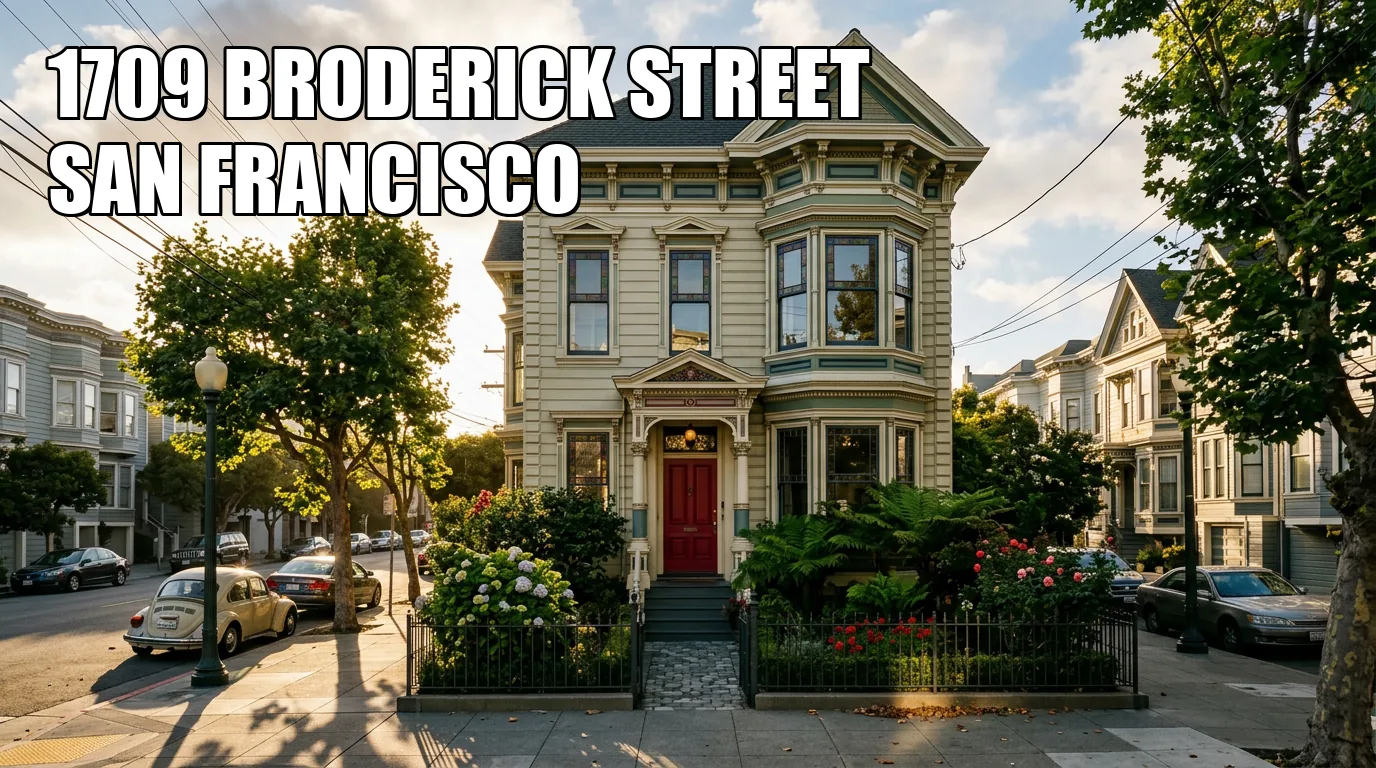
The wider lesson applies well beyond Montana: once a filming location is also a real home or real working property, access will always be a negotiation between fantasy and protection.
The Guided-Town Model: Mystic Falls
Covington, Georgia shows what happens when a real town embraces its fictional alter ego but still has to protect private stops and maintain scheduling discipline.
The current Mystic Falls Tours page advertises the operation as the original and most exclusive way to experience the town, with direct-booking access to places such as Lockwood Mansion, the Witches House, and Elena's porch. The real story sits in the rule stack. Public tours currently cost $65 per person. Tour days are limited. All guests must sign a waiver and non-compete agreement. Full video recording of the tour is not permitted. Children under five cannot be accommodated. The FAQ says tours often sell out, that seats open only at homeowners' discretion, and that the tram runs on an approved schedule coordinated with the various location stops.
That is not fan whimsy. That is a negotiated access system. The operators are not only selling nostalgia; they are managing private-property relationships, timing windows, and homeowner tolerance. The experience remains warm and highly fan-facing, but it only works because the town's most valuable stops are not treated like uncontrolled public commons.
This is why Mystic Falls scores an eight instead of a four or a five. It has not reached the pure backlash stage of 66 Perry Street, but the real place is clearly under enough fan pressure that casual spontaneity has been replaced by a rule-bound guided model. For the practical fan version, readers can continue to Maison's Mystic Falls guide.
The Commercial-Campus Model: The Stanley Hotel
Not every location in the index is a private home or a town stop. The Stanley Hotel matters because it shows how a commercial historic property can monetize fame without surrendering the entire guest experience to fandom.
The official tours page is full of operational guardrails. Children under eight are not permitted on any tour. Audio and video recording are not permitted. Tours do not feature guest rooms. Check-in windows are strict. Advance purchase is strongly recommended. Parking is monetized from May through October. The separate Paranormal Investigations page adds another fence: the experience is three hours long and limited to guests 13 and up.
The Stanley has become a layered attraction in part because it learned how to separate curiosity from lodging. Pop-culture fame and ghost fame are both welcome, but neither is allowed to overrun the building. Tours stay out of guest rooms, age gates reduce chaos, recording rules protect the experience, and the route itself becomes a business instrument.
That is a different kind of friction from the Perry Street gate or the Chief Joseph cabin wall. It is softer, more commercial, and far more scalable. But it is still friction. The hotel is telling visitors that they may enter the myth only under carefully managed terms.
The Low-Friction Absorber: Biltmore
Biltmore matters because it represents the opposite end of the spectrum. It has been a film location since the golden age of Hollywood and the current official blog still treats that on-screen legacy as part of the estate story, pointing to productions ranging from The Last of the Mohicans to Forrest Gump and beyond. Yet Biltmore does not show the same access panic as smaller or private locations.
The reason is scale. The official visit framing describes Biltmore as an 8,000-acre estate with house tours, gardens, trails, winery infrastructure, maps, ticketing systems, special offers, and multiple layers of visitor circulation. In other words, this place was already built to move large numbers of people through a broad controlled environment. Film fame lands inside a machine that already knows how to meter demand.
That makes Biltmore a low-friction absorber rather than a high-friction hotspot. It can convert cinematic recognition into one more route into the estate rather than a threat to the estate's basic function. The on-screen layer matters, but it is not large enough to redesign the property around itself.
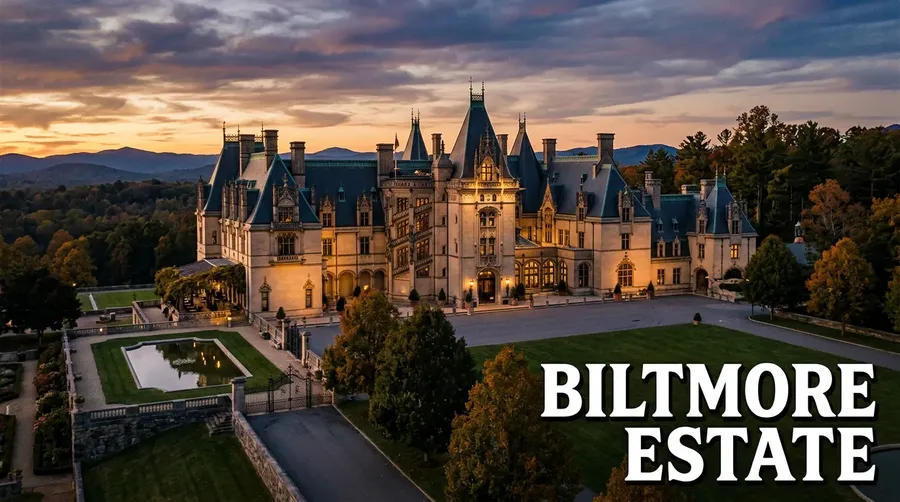
Biltmore is the rare filming-location giant that can absorb movie curiosity because its visitor infrastructure was already bigger than the screen story itself. For the place-first version, see Maison's Biltmore filming-locations guide.

That contrast is the point of the index: a giant estate, a tour town, a hotel campus, a private stoop, and a working ranch all wear screen fame differently because their access baselines were different before the fans ever arrived.
Five Ways Real Places Respond To Fiction
| Access Model | What The Property Sells | What It Tries To Prevent | Best Current Example |
|---|---|---|---|
| Private-home backlash | Almost nothing beyond exterior recognition. | Trespass, nuisance behavior, vandalism, and residential disruption. | 66 Perry Street. |
| Premium reservation gate | Scarce, high-value access bundled into overnight stays. | Drive-by entitlement and uncontrolled touring. | Chief Joseph Ranch. |
| Guided-tour town | Structured visits to semi-private fandom sites. | Homeowner conflict, off-schedule arrivals, uncontrolled filming. | Mystic Falls Tours. |
| Commercial campus fencing | Bookable themed inventory inside a managed property. | Cross-contamination between attraction traffic and ordinary guests. | The Stanley Hotel. |
| Large-estate absorption | Film fame as one entry point into a much larger visitor machine. | Dependence on screen tourism alone. | Biltmore Estate. |
Once the access model is clear, the rest of the screen-tourism story becomes easier to predict.
What The Next Phase Will Look Like
The official trend data suggests the next wave will be broader than straightforward movie tourism. It will include romantasy, AI-assisted destination matching, franchise travel, and premium-access packages that make fans feel as if they have crossed a threshold into the story. The beat now sits closer to access design, hospitality strategy, and visitor-management policy than to entertainment fluff.
The critical question for every real place is now the same: what part of the fantasy are you willing to sell, and what part of yourself do you still need to protect? The answers vary. One site needs a gate, another monetizes scarcity through two cabins, another scripts a tram route, another fences off guest floors, and another lets the film layer dissolve into a much larger machine.
Once a fictional place becomes real enough for people to travel toward it, the property has to reveal who it actually serves.