
Venturing into the world of historical estates often conjures images of opulent homes, grand auctions, and perfectly preserved relics. But when you delve into the legacy of Mary Cassatt, America's pioneering Impressionist, the narrative takes a delightfully unexpected turn. Her "estate," both in terms of her artistic output and her physical dwelling, defies the neat categories typical guides might present. It wasn't a static collection awaiting a singular, monumental sale after her death, nor is her French château a pristine museum frozen in time. To truly appreciate Cassatt, you must first shed these preconceived notions and embrace a more nuanced, human story.
Unpacking Mary Cassatt's Legacy: Estate, Art, and Enduring Influence
Deconstructing the "Estate Sale" Myth: Where Did Cassatt's Legacy Truly Land?
Most people, when they hear "artist's estate," envision a comprehensive auction immediately following their passing, where eager collectors clamor for a piece of history. Yet, for Mary Cassatt, who died in 1926, the dispersal of her vast collection of artworks and personal effects was a far more intimate, drawn-out affair. The conventional narrative simply doesn't apply here. Instead, a significant portion of her artistic output—nearly 300 paintings, drawings, pastels, and prints—was bequeathed to her loyal longtime housekeeper and companion, Mathilde Valet.
This critical detail often escapes the casual observer, yet it profoundly reshapes our understanding of Cassatt’s personal and professional life. Valet, a woman whose dedication had spanned decades, became the unexpected custodian of a staggering artistic inheritance. It was her subsequent sales, primarily the one held in May-June 1931 at Galerie A.-M. Reitlinger in Paris, that truly constituted the largest dispersal of Cassatt's studio contents. Designated cryptically as "Collection Mlle. X" to protect Valet's privacy, these auctions weren't a somber post-mortem event, but rather a testament to a deep, personal connection, quietly unfurling years after the artist's passing. This isn't just a factual correction; it’s an insight into Cassatt's character and her prioritization of loyalty over institutional posthumous curation.
Whispers of the Auction Block: Landmark Sales and Shifting Records
While Mathilde Valet’s sales provided the initial significant release of Cassatt’s work into the market, subsequent decades have seen individual masterpieces emerge, commanding impressive sums and continually recalibrating her standing in the art world. Following the trail of these sales is like charting the evolving appreciation of her genius. Take, for instance, the record-breaking Young Lady in a Loge Gazing to Right. This vibrant pastel, gouache, watercolor, and charcoal work, originally owned by none other than Paul Gauguin, fetched a staggering $7,489,000 in October 2022. It didn't just break Cassatt's previous auction record; it shattered a 15-year-old benchmark, underscoring a renewed, robust market for her unique vision.
Before that 2022 triumph, the canvas Children Playing with a Dog (1907) held the record for years, selling for $6,200,000 in May 2007. This piece beautifully encapsulates her famed mother-and-child compositions, a subject she explored with unparalleled sensitivity, moving beyond sentimentality to capture genuine human connection. Another notable work, A Goodnight Hug (circa 1880), a pastel on brown paper, achieved $4,500,000 in May 2018, setting a then-record for a work on paper. This painting was famously exhibited at the Sixth Impressionist Exhibition in 1881, placing it squarely within the movement’s most dynamic period. These aren't just numbers; they are markers of her enduring artistic power and the competitive hunger of collectors to own a piece of her story.
We also find intriguing glimpses into her preparatory process through sales like Head of Smiling Child: A Study for 'Mother and Child in a Boat' (circa 1906–08), which sold for $869,000 in 2015. This oil on canvas offers a window into her mature period at her French residence, Château de Beaufresne, revealing the meticulous studies behind her finished works. It's a reminder that even the smallest studies from an artist of her caliber carry immense historical and artistic weight, often revealing more about their creative struggle than a grand, finished piece. Likewise, Sketch of Antoinette (No. 2) (1899), an oil on canvas, was acquired by the prominent collector A. Alfred Taubman in 1980, reflecting its importance in her oeuvre, particularly during her fully developed Impressionist style.
Château de Beaufresne: An Artist's Sanctuary, Not a Stuffy Museum
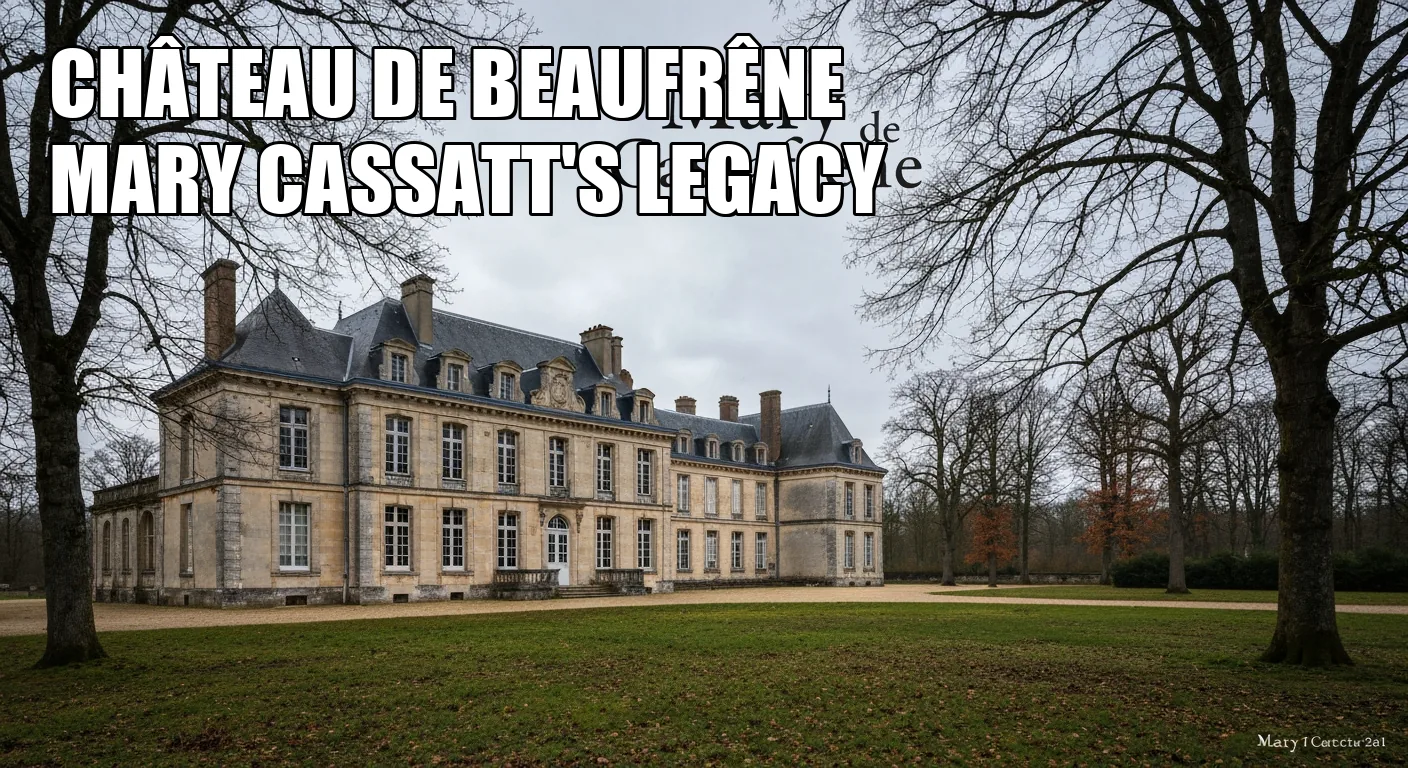
Stepping away from the auction houses and into the rolling French countryside, we arrive at Château de Beaufresne, the true heart of Cassatt's later life and artistic output. Purchased in March 1894, this late 18th-century structure, originally a modest hunting lodge, became her primary country residence and a crucible for her most iconic works. It wasn't some grand, imposing edifice, but a comfortable, functional home—two towers capped with slates, a central pediment, and a charming red brick and stone exterior, all nestled within a 10-hectare park with a stream feeding a tranquil lake. The picturesque surroundings, the Ru du Mesnil winding through the estate, became silent muses for her later pastels and landscape studies.
Cassatt immediately embarked on ambitious renovations, transforming the somewhat rustic property into a hub of modern convenience and artistic productivity. She installed central heating and running water—luxuries almost unheard of in rural France in the 1890s. Electricity followed, making Mesnil-Théribus one of the first villages in the area to boast such infrastructure, though her generous offer to extend power to the village for street lighting was surprisingly declined. These weren't mere aesthetic updates; they were practical investments that allowed her to live and work efficiently, removing the domestic friction that could impede her intense creative focus. Curiously, letters from the summer of 1894 reveal her exasperation with the workmen, who "don't follow orders anyway," even leading her to briefly consider selling the property—a wonderfully human detail that reminds us even great artists contend with frustrating contractors.
The Mill's Metamorphosis: Where Pigment Met Paper and Reputation Grew
Of all the renovations at Château de Beaufresne, none was more significant than the transformation of the old watermill. This isn't a mere footnote; it’s a central chapter in Cassatt’s artistic journey. In 1894, she painstakingly restored the mill building and converted it into her dedicated engraving and printing studio. This wasn't simply a matter of having a space; it was about embracing a medium that would define a significant part of her international reputation.
It was within these walls that Cassatt created her renowned etchings, aquatints, and color prints, masterworks that allowed her to explore form, light, and narrative in entirely new ways, often with a distinctly Japanese aesthetic influence. The printmaking process, demanding precision and a different kind of draftsmanship than painting, offered her a fresh challenge and a means to reach a wider audience. Imagine the rhythmic whir of the presses, the rich scent of ink, and the meticulous layering of colors—all unfolding in a renovated watermill by a quiet stream. This wasn't just a room; it was a factory of innovation, a place where a female artist, often marginalized by the mainstream, forged an indelible mark on art history.
Tracing Cassatt's Footprints Today: Navigating a Legacy Without the Grand Tour
For the ardent admirer hoping to walk in Mary Cassatt's footsteps, the journey today requires a shift in perspective. Château de Beaufresne, while historically rich, is a private residence, not open to public tours. This means you won't find signposted paths or gift shops. It’s a reality that challenges the conventional "travel guide" expectation but opens the door to a more thoughtful exploration of her legacy. So, how does one truly connect with Cassatt's world without a direct visit to her home?
Your "travel" becomes a curated quest through the world's finest art institutions. Start by researching major museums that hold her works. The National Gallery of Art in Washington, D.C., for instance, holds several significant pieces, including works originally sold from Mathilde Valet’s collection, like the poignant Portrait of an Elderly Lady (c. 1887), bequeathed by Chester Dale. The Pola Museum of Art in Hakone, Japan, now proudly houses her record-breaking Young Lady in a Loge Gazing to Right. These museums offer specific viewing opportunities; always check their current exhibitions and permanent collection displays online before planning your trip, as works can be rotated or loaned out. Predicting the best time to visit means avoiding major holidays and school breaks, opting for weekday mornings when crowds are thinner, allowing for a more intimate viewing experience.
Beyond specific canvases, seek out her prints. Many institutions, particularly those with strong print collections, might have smaller, less-advertised exhibitions of her etchings and aquatints—the very works created in that converted mill at Beaufresne. Consider diving into academic libraries or specialized art archives; often, her letters, personal documents, and exhibition catalogs offer an incredibly vivid, unfiltered glimpse into her thoughts, struggles, and inspirations. While you may not sip tea in her salon, you can certainly immerse yourself in the intellectual and creative currents that shaped her. The true journey into Cassatt's estate, then, isn't about visiting a single site, but about appreciating a dispersed, yet deeply connected, artistic heritage across continents.
Mary Cassatt's life and work, deeply rooted in both American ambition and French Impressionist innovation, continues to resonate. Her "estate" is not merely a collection of buildings or a tally of auction prices; it’s an enduring testament to a woman who navigated a male-dominated art world with unapologetic vision, leaving behind a legacy that is as complex, personal, and surprisingly accessible as it is profoundly beautiful. Her story reminds us that some of the richest historical journeys aren't found on a well-worn path, but in the quiet pursuit of understanding the overlooked details.
Discover Mary Cassatt: Your Complete Guide to the Impressionist Master
What is the history of Mary Cassatt estate?
Mary Cassatt's family owned several estates across Pennsylvania and France, with her brother Alexander Cassatt, president of the Pennsylvania Railroad, creating Gramercy Mansion as a wedding gift in 1902. Cassatt herself spent the latter part of her life at Château de Beaufresne in Le Mesnil-Theribus, France, from 1894 until her death in 1926.
Where did Mary Cassatt live most of her life?
Mary Cassatt lived in Paris, France for the majority of her adult life starting in 1874, though she spent her final years at her country home, Château de Beaufresne, in Le Mesnil-Theribus, north of Paris.
What is the history of Mary Cassatt's family?
Mary Cassatt was born into an affluent Pennsylvania family in 1844; her father Robert Simpson Cassatt was a successful businessman, and her brother Alexander became president of the Pennsylvania Railroad. The family was of French ancestry and moved frequently between Pennsylvania, Europe, and their Main Line estates during Mary's youth.
Why did Mary Cassatt go blind?
Mary Cassatt developed cataracts in both eyes around 1900 and underwent surgery in 1911 and 1917, but the procedures were unsuccessful. Her condition was complicated by diabetes, and she became almost completely blind by 1914, living blind until her death in 1926.
Where are Mary Cassatt paintings located?
Mary Cassatt's works are housed in major American museums including the Metropolitan Museum of Art, the Philadelphia Museum of Art, the Art Institute of Chicago, the National Gallery of Art in Washington D.C., and the Smithsonian American Art Museum, as well as international institutions like the Louvre in Paris.
Part of ⭐ Famous Residents
Famous Residents
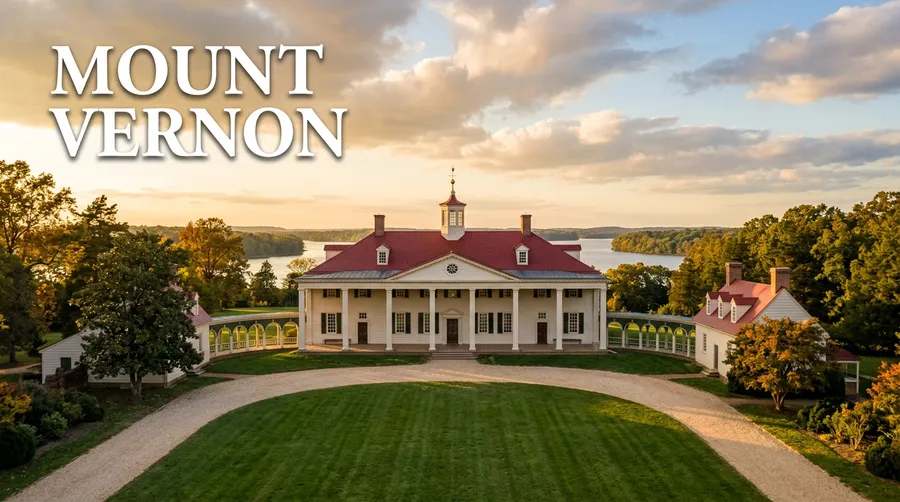
Mount Vernon Tickets, Mansion Tour, and What to See at George Washington’s Estate
A first-timer’s Mount Vernon guide covering timed mansion entry, how long to budget, what is included beyond the house, and how the estate now frames slavery as central history.
Famous Residents
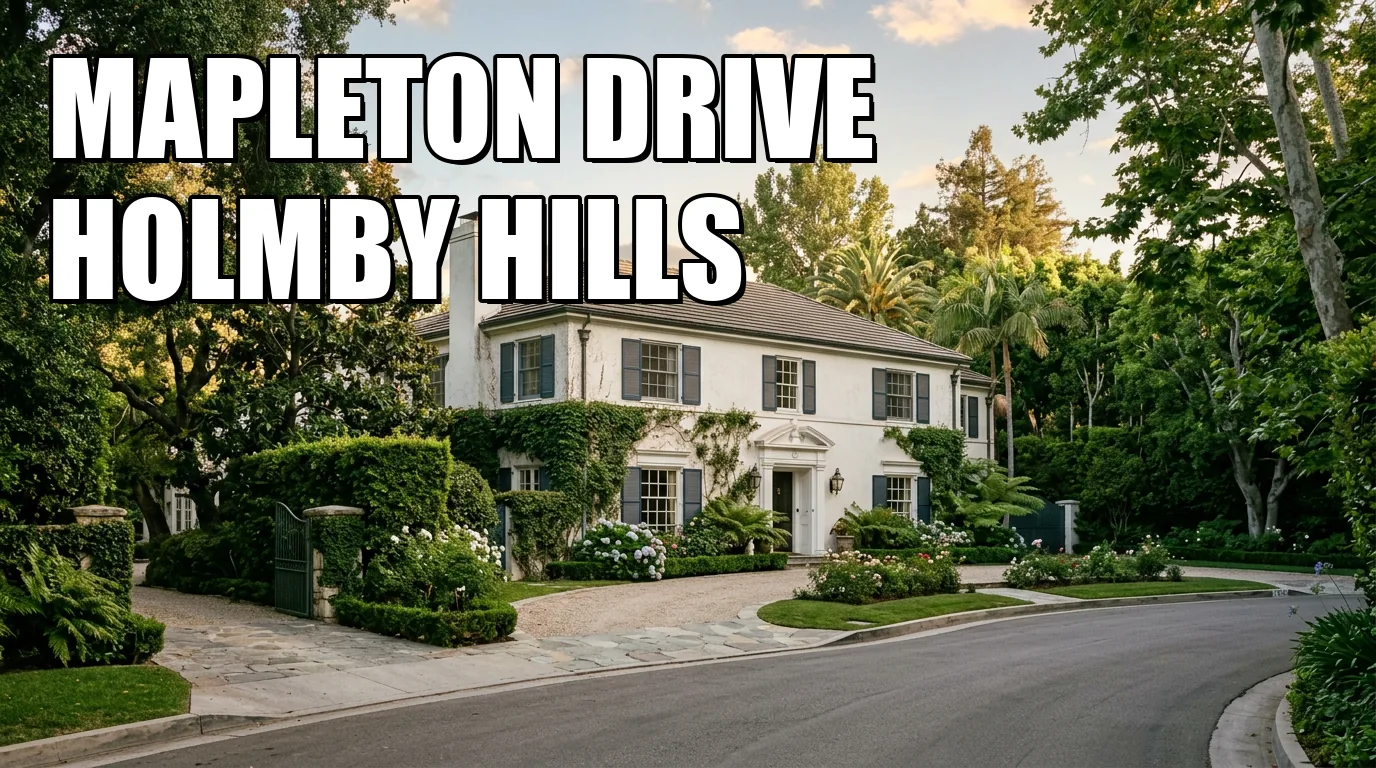
Humphrey Bogart Homes: The Los Angeles Addresses Fans Still Search For
Most Bogart addresses in Los Angeles are private residential properties. Here is which stops are publicly accessible, what each address documents, and how to frame the trip.
Famous Residents
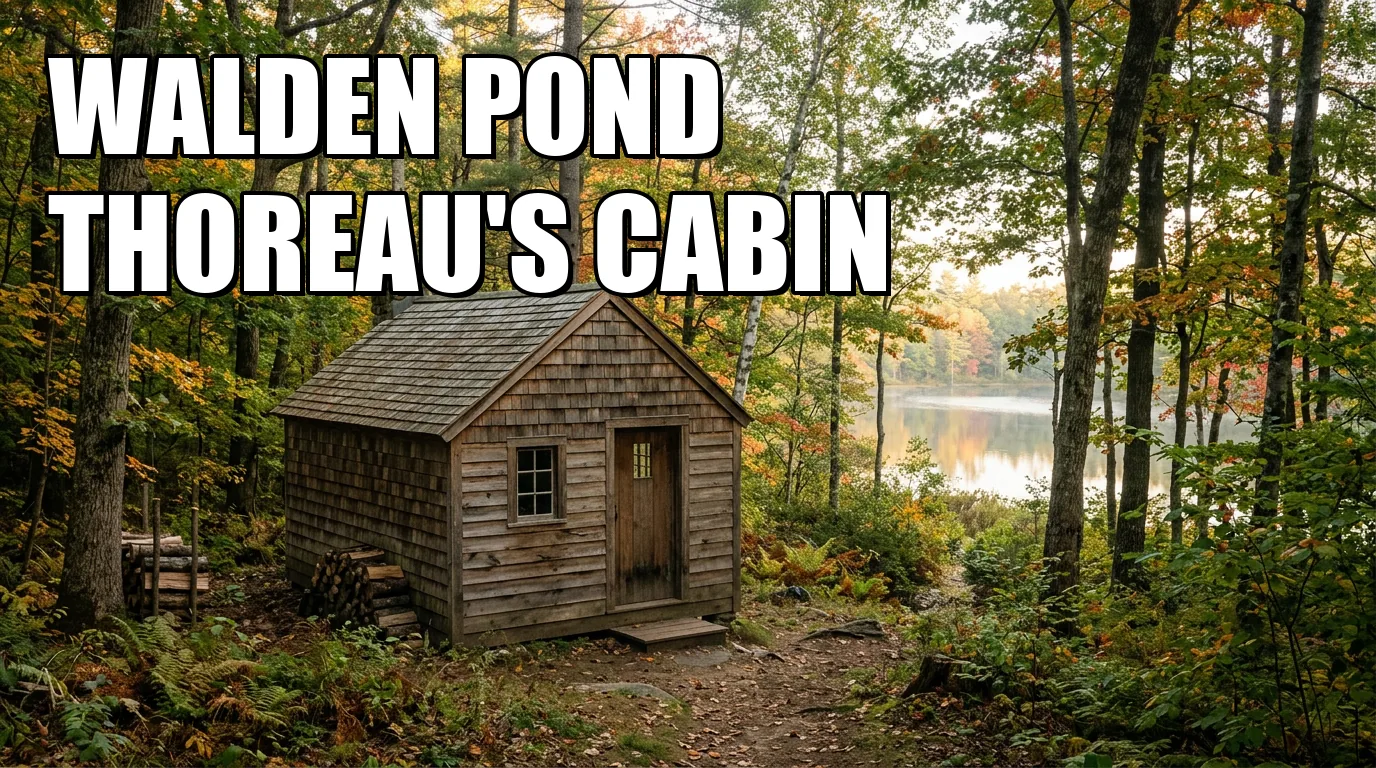
Walden Pond and Thoreau's Cabin: Replica, Site, and What Is Original
The cabin near the lot is a replica; the documented site is a half-mile away. A field guide to scale, archaeological location, landscape change, and access.
From the author of this guide
Check In After Dark
One writer checks into the rooms with the stories — Stanley 217, Banff Springs 873, the Del's 3327 — and reports what the night is actually like.