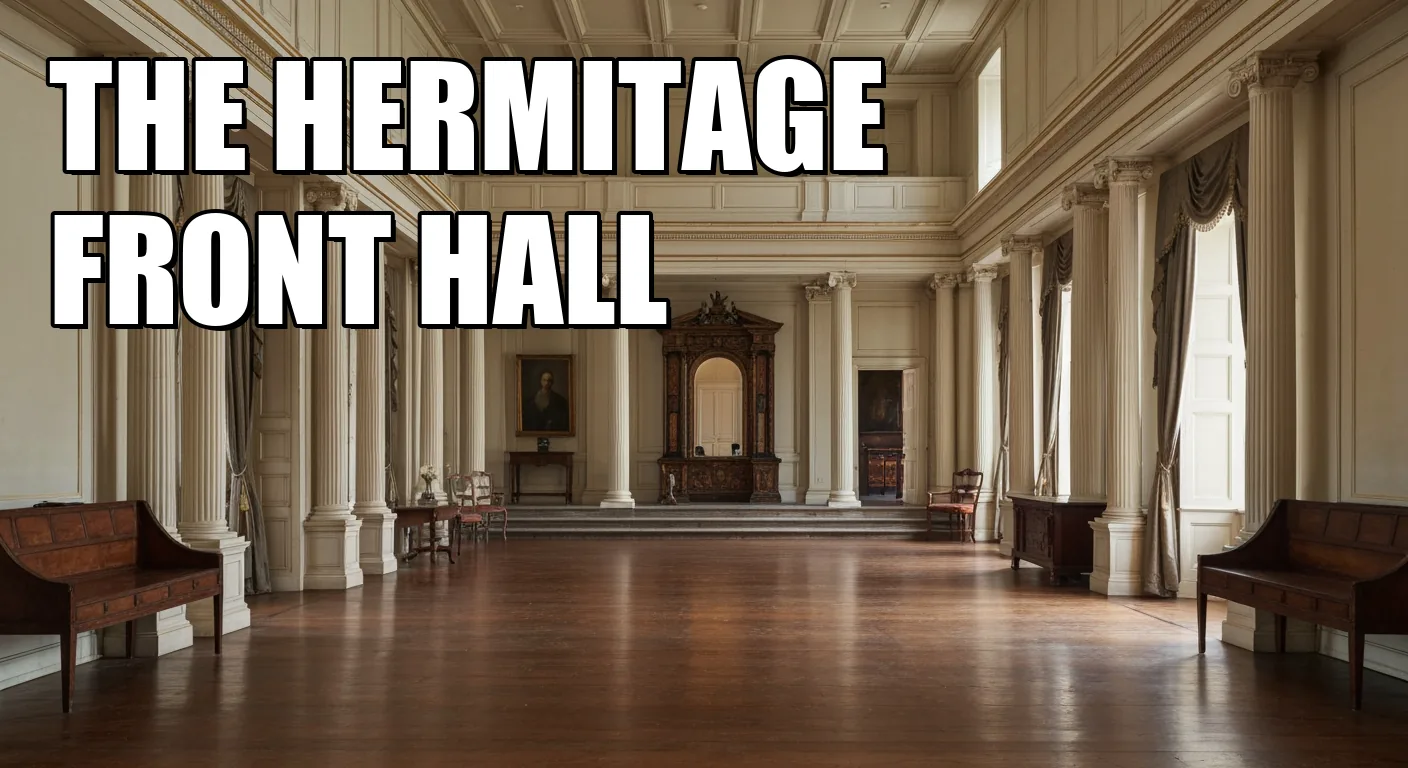
Expectation: a polished presidential shrine where Old Hickory’s battlefield myth fills every room. Reality at The Hermitage east of Nashville: a 1,120-acre National Historic Landmark where the mansion tour is short, 80–90% of furnishings are original Jackson pieces—and the site’s strongest interpretation is the enslaved community whose labor made the wealth. Hours often 8:30/9:00 a.m.–6:00 p.m. (winter may close ~4); last tickets ~5:00, mansion line by ~5:30. Ticket ladder: Grounds Pass ~$22 (no mansion); General’s Tour roughly $20–$28 adult / $13–$18 youth (grounds + 25–30 min guided mansion); VIP ~$50 (90 min, balcony, only tier with non-flash interior photos); In Their Footsteps enslaved-focused walk ~$45; wagon tour add-on ~$15–$20. Wine tasting discount for 21+ at Natchez Hills on-site.
Can you go beyond the tour guide’s highlight reel in 2026? Yes—if you book online, arrive early, wear outdoor shoes, and walk the field-quarter archaeology instead of only the elliptical staircase. The mansion is 25–30 minutes; the estate is a half day if you let it be—do not rush the garden tomb.
Tickets and how the day actually runs
Timed tickets mark arrival, not porch entry—land 30–45 minutes early for museum film and exhibits; mansion groups form in porch order. Bring earbuds for QR audio (kids’ track narrated by Poll the parrot lore). Plan 2–3 hours. Mansion: Federal brick core 1819–21, rebuilt Greek Revival after 1834 fire—13 rooms; view from halls only to protect interiors. Grounds: English garden (1819) with Andrew and Rachel’s limestone tomb; First Hermitage log complex; smokehouse/springhouse; slave cabins; 1.5-mile nature trail past cotton field and field-quarter foundations—many day-trippers skip the trail and miss the quiet archaeology. First floor accessible; second floor stairs only—request digital upstairs tour at admissions. Free parking; service animals OK. ~10 miles / 20–25 min from downtown Nashville (rental/rideshare beat WeGo + long walk). ~200,000 visitors/year; open as museum since 1889; 17M+ cumulative visits. On-site Bailey & Cato soul food and discounted winery tastings keep you from racing back downtown for lunch.
Slavery interpretation you should not skip
Peak enslaved population at Jackson’s death ~150–161; lifetime Jackson household enslavement over 300. Archaeology recovered 1M+ artifacts from quarters—evidence of Bakongo religious practice, personal spending, china. Letters show Jackson ordering public whippings for “putting on airs.” Named lives: Hannah Jackson (head housemaid who fled to Union Nashville with daughters); Gracy Bradley (seamstress—lace needles under foundation); “Uncle” Alfred Jackson (born enslaved, free tenant, first museum guide, buried near the presidential tomb). GPR work 2023–24 located a forgotten enslaved cemetery (~28 graves). Wagon and Footsteps tours exist because the story is not a hallway sidebar—schedule them when you buy tickets or you will default to mansion-only pacing under time pressure.
Fact vs lore: hero, Rachel, Poll
Lore: pure frontier hero; Rachel’s marriage scandal is gossip only; the house is only about presidents. Documented: Rachel’s prior marriage to Lewis Robards and disputed divorce timeline made her a campaign target in 1828; she died at The Hermitage weeks before inauguration—Jackson blamed rivals and never remarried, visiting her garden tomb daily. 1791 Natchez wedding evidence remains thin; they remarried 1794. Poll the cursing parrot is colorful tradition (English/Spanish/swear words disrupting a funeral). Hero narratives that erase slavery fail the site’s own archaeology and letter record.
Three scenarios and who should go
Who yes: presidential-history travelers willing to confront slavery; archaeology fans; families with earbuds for kids’ audio; half-day Nashville add-ons. Who no: visitors needing full second-floor wheelchair access without digital substitute; people seeking only “Old Hickory merch” without cabin walks; last-ticket arrivals who skip the museum film.
Three cost scenarios. (1) Budget grounds: ~$22, no mansion—still museum film, gardens, tomb, and cabin sites. (2) Mid General’s Tour: ~$26–$28 adult + optional $15 wagon into the cotton fields. (3) VIP or Footsteps: $45–$50 for balcony/photo rights or a full mile of enslaved-community interpretation with mansion access. Downtown stay (Noelle / Indigo / Hermitage Hotel landmark) or Opryland/East Nashville Airbnbs—budget rideshare both ways so you are not late for the timed arrival window. Bailey & Cato on-site soul food covers lunch; winery tasting is a cheap add if you are 21+. Severe spring storms can roll in fast—watch weather alerts and keep a rain layer in the car. Bottom line: the unseen Hermitage is the field quarter, the whipping orders, and Hannah’s flight—not just the French wallpaper of Telemachus.
Hermitage Andrew Jackson FAQ
How much is The Hermitage admission?
A Grounds Pass is about $22 without mansion access. The standard General’s Tour is typically in the $20–$28 adult range (youth lower) and includes a short guided mansion tour. VIP and specialized enslaved-history tours cost about $45–$50. Confirm current prices online before you go.
What are Hermitage hours?
The site is generally open daily from about 8:30 or 9:00 a.m. to 6:00 p.m., with shorter winter hours possible. Last tickets are often sold around 5:00 p.m. Allow 2–3 hours for museum, mansion, garden tomb, and enslaved-community sites.
Does The Hermitage interpret slavery?
Yes. Exhibits, archaeology, cabin sites, wagon tours, and the In Their Footsteps program focus on the enslaved community—roughly 150–161 people at Jackson’s death and more than 300 over his lifetime. Recent work has located an unmarked cemetery with about 28 graves.
Can I take photos inside the mansion?
Standard mansion tours generally prohibit interior photography. The VIP tour is typically the option that allows non-flash photography inside and includes balcony access. Rules can change—confirm at booking.
How far is The Hermitage from downtown Nashville?
About 10 miles east, roughly a 20–25 minute drive. Rideshare or rental car is more practical than bus routes that end with a long walk to the entrance.
The Cornerstone Brief
One historic place, once a week — what it is, why it matters, whether it's worth going. No filler, no paid placements.
Coming soon. Unsubscribe any time.