Eureka Springs haunted tourism folds four different kinds of evidence into one story. Norman Baker’s cancer-hospital fraud belongs to the court record. Bottles excavated behind the Crescent Hotel are physical artifacts. Michael in Room 218 and Theodora in Room 419 are hotel-origin legends. Apparition photos, mirror messages and named tour ghosts are later reports. None of those layers automatically proves the next.
Eureka Springs Haunts Use Four Different Kinds of Evidence
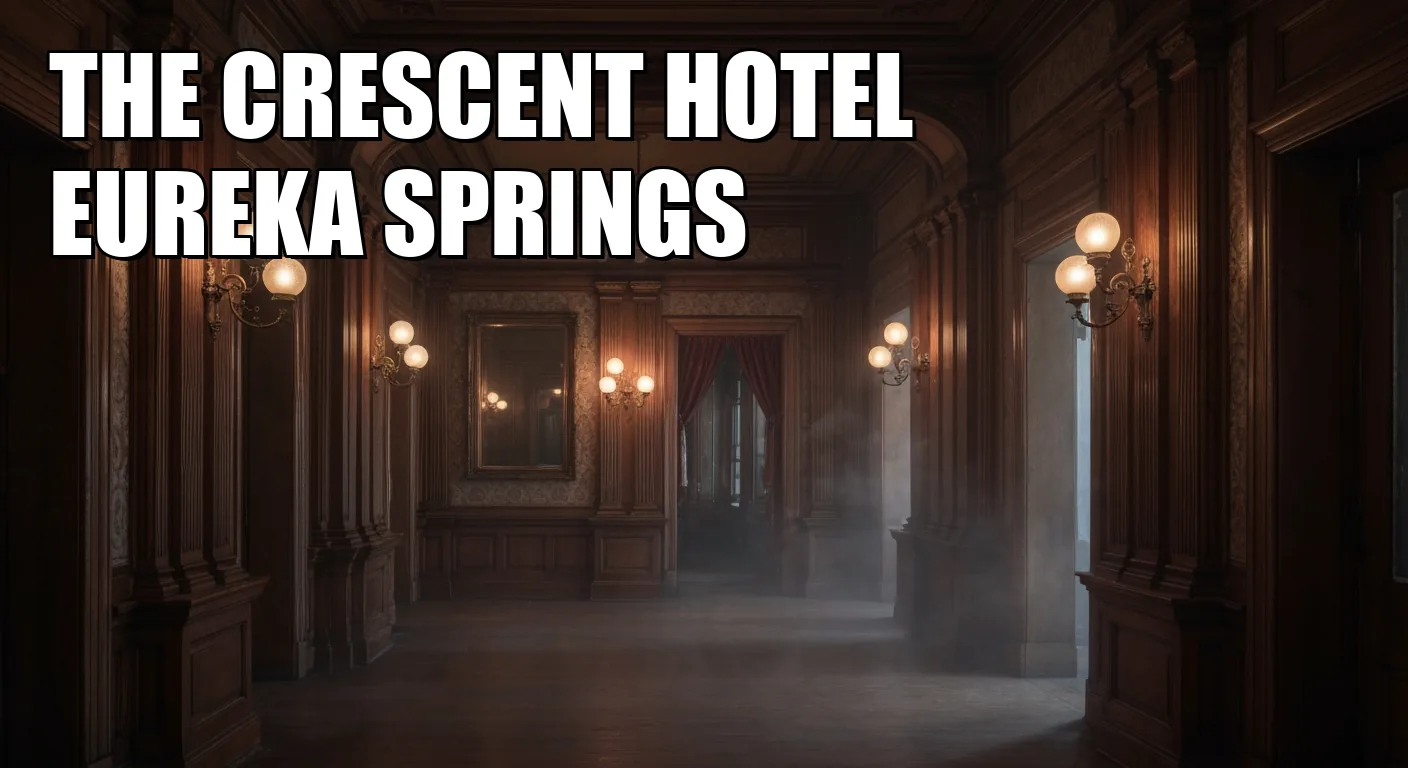
Baker is the strongest dark story because it reached court
Norman Baker bought the vacant Crescent in 1937 and converted it into a cancer hospital despite having no medical license. He advertised a cure that avoided surgery and radiation and used the mail to solicit patients. He was arrested in 1939 and convicted of mail fraud in 1940.
That record establishes an operation built around false medical claims and vulnerable patients. It does not establish that Baker’s ghost appears in the hotel, that every basement object was surgical equipment or that a particular room apparition was once his patient.
The buried bottles are evidence with a hard limit
Grounds work behind the Crescent exposed the bottle cache in February 2019. After state police and hazardous-material review, Arkansas Archeological Survey staff excavated the deposit that April. Some containers held liquid and tissue; a selection is now displayed by the hotel.
The objects give Baker’s hospital chapter a material trace. They do not, by themselves, identify the tissue as human tumors, connect a specimen to a named patient or verify a supernatural claim. An artifact can authenticate disposal from a medical setting while leaving its exact contents and use unresolved.
The room ghosts begin where the contemporaneous record stops
The hotel’s Room 218 account introduces Michael with “It is said”: an Irish stonemason supposedly fell during construction into the area of the present room. The imported sources contain no contemporary death notice, coroner record, payroll entry or construction document that closes that chain.
Theodora in Room 419 occupies the same evidentiary level. Employee and guest reports describe a woman associated with the Baker hospital period, but the reports do not supply a documented patient identity. Activity reported in a room cannot retroactively establish the biography attached to it.
Basin Park keeps building history and ghost identity separate
The Basin Park site has a documented rupture: the Perry House opened in 1881 and was destroyed by a kitchen fire in 1890; the present hotel opened in 1905. That sequence can be checked without deciding whether the building is haunted.
The little-girl story sold on current investigations belongs to a later layer. Tour guests are invited to look for Elizabeth with ghost-hunting equipment, but the sources assembled here do not provide a corresponding child, death or event in the hotel record.
The useful question on a Eureka Springs ghost tour is not simply “Did this happen?” Ask which part happened: the fraud, the excavation, the first hotel retelling or the latest reported encounter. The town’s documented human history is already dark; the evidence ladder keeps it from being used as automatic proof for every ghost added afterward.
Part of 👻 America's Most Haunted Hotels
Haunted Hotels
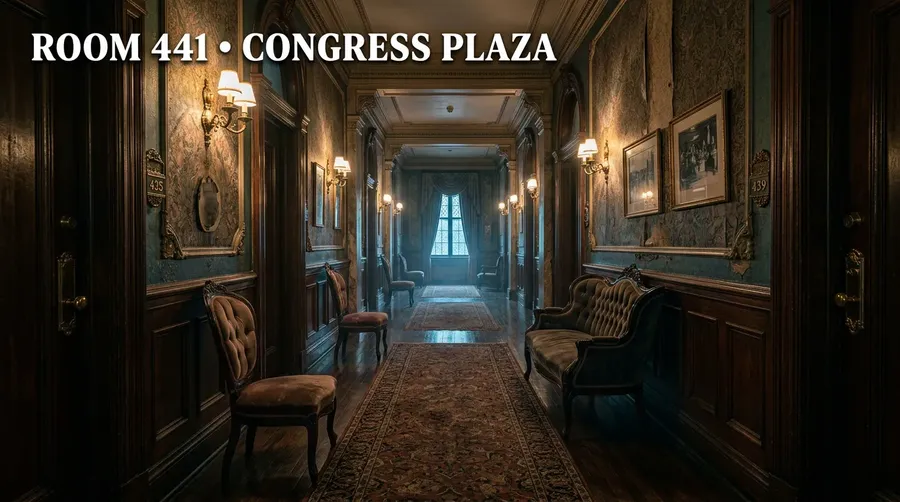
Congress Plaza Hotel Room 441: Booking Reality, Grant Park Logic, and What Guests Can Actually Confirm
Room 441 is the search hook, but the real question is whether Congress Plaza is the right historic Chicago stay once the lore stops doing all the work.
Haunted Hotels
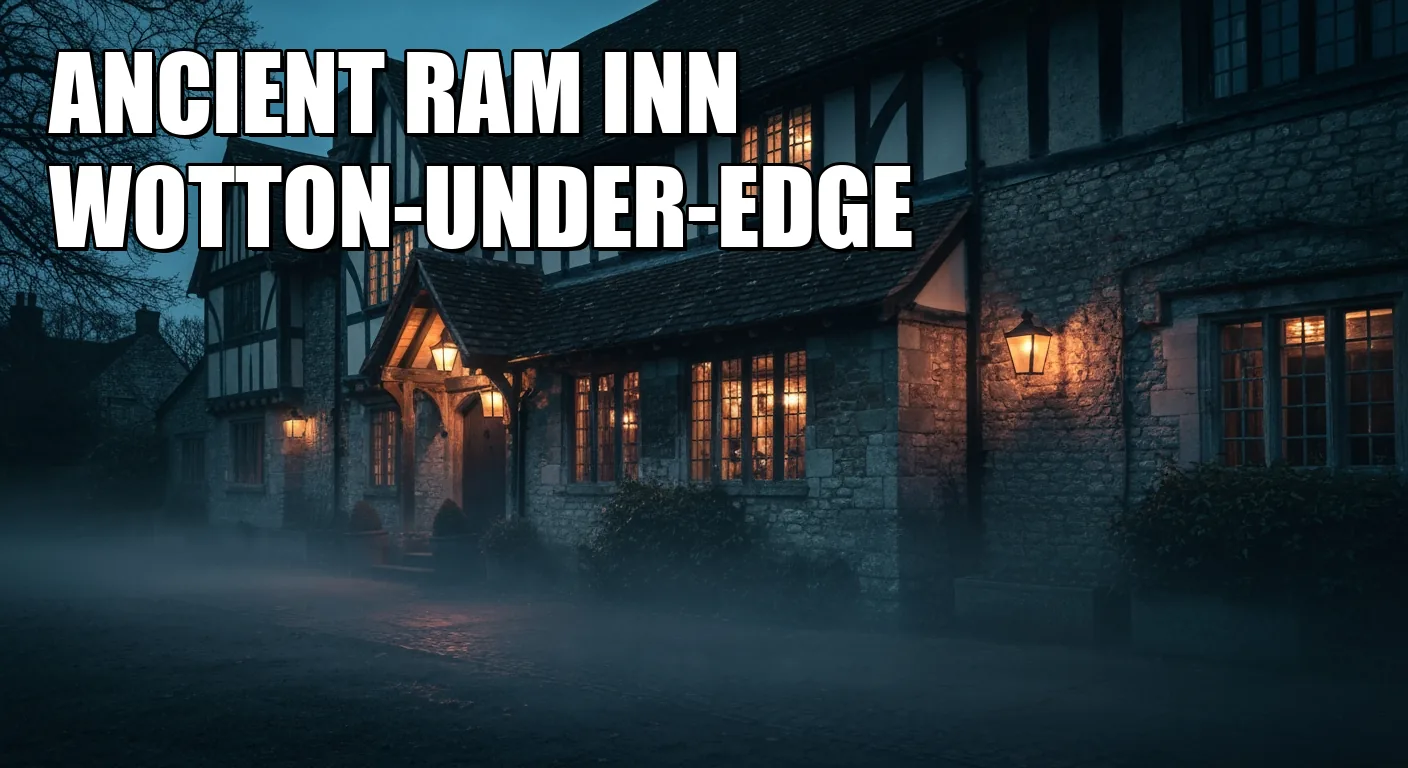
Ancient Ram Inn: Unveiling England's Most Haunted
Having navigated countless haunted highways and historic battlefields across the States, I thought I’d seen it all. Then I encountered the Ancient Ram Inn. This isn't just another old building with a spooky legend; it's a vortex, a living, breathing archive of fear and forgotten lives.
Haunted Hotels
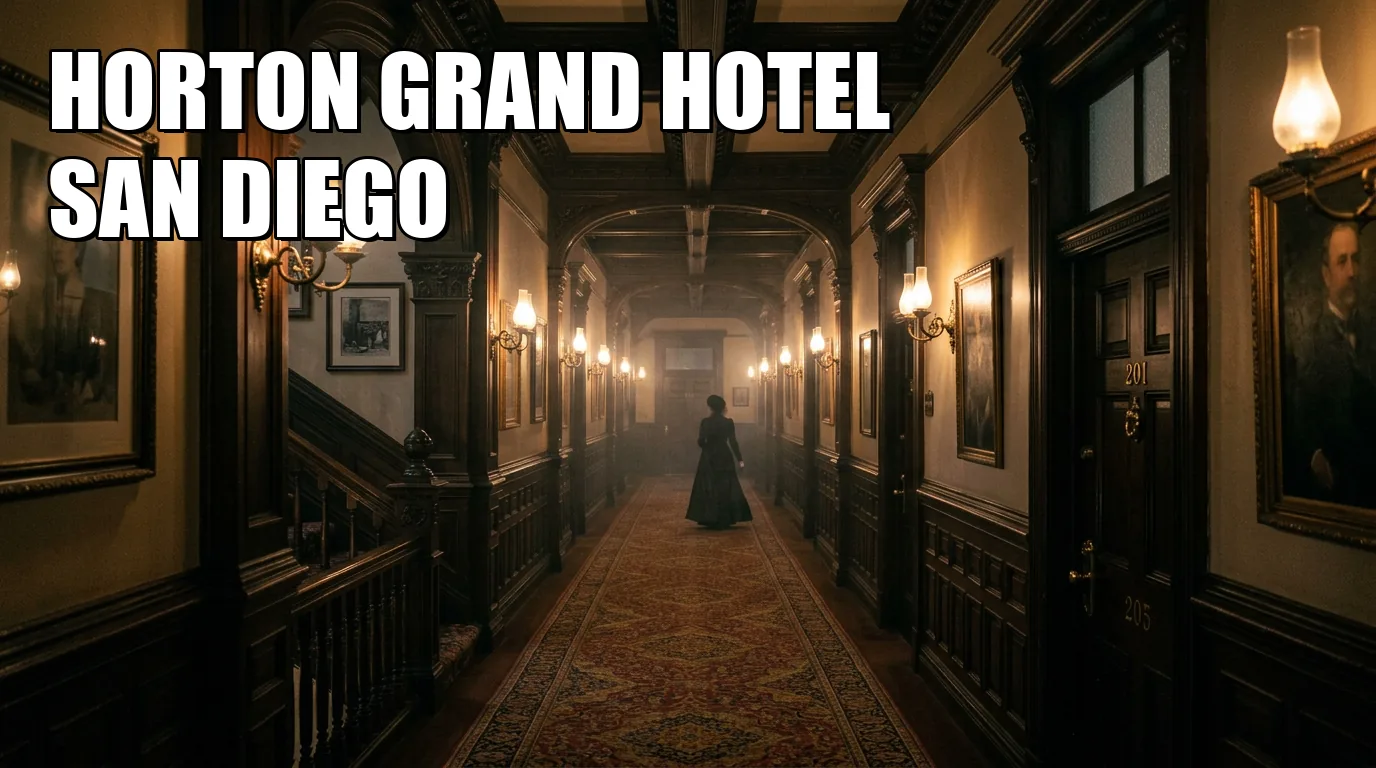
Horton Grand Hotel: Rooms, Gaslamp Location, and the Ghost Story Guests Still Ask About
A practical Horton Grand guide covering the rooms, the Gaslamp location, and the ghost story guests still ask about when they book the stay.
From the author of this guide
Check In After Dark
One writer checks into the rooms with the stories — Stanley 217, Banff Springs 873, the Del's 3327 — and reports what the night is actually like.