
Winterthur's Untold Stories: A Deep Dive into Du Pont's Vision
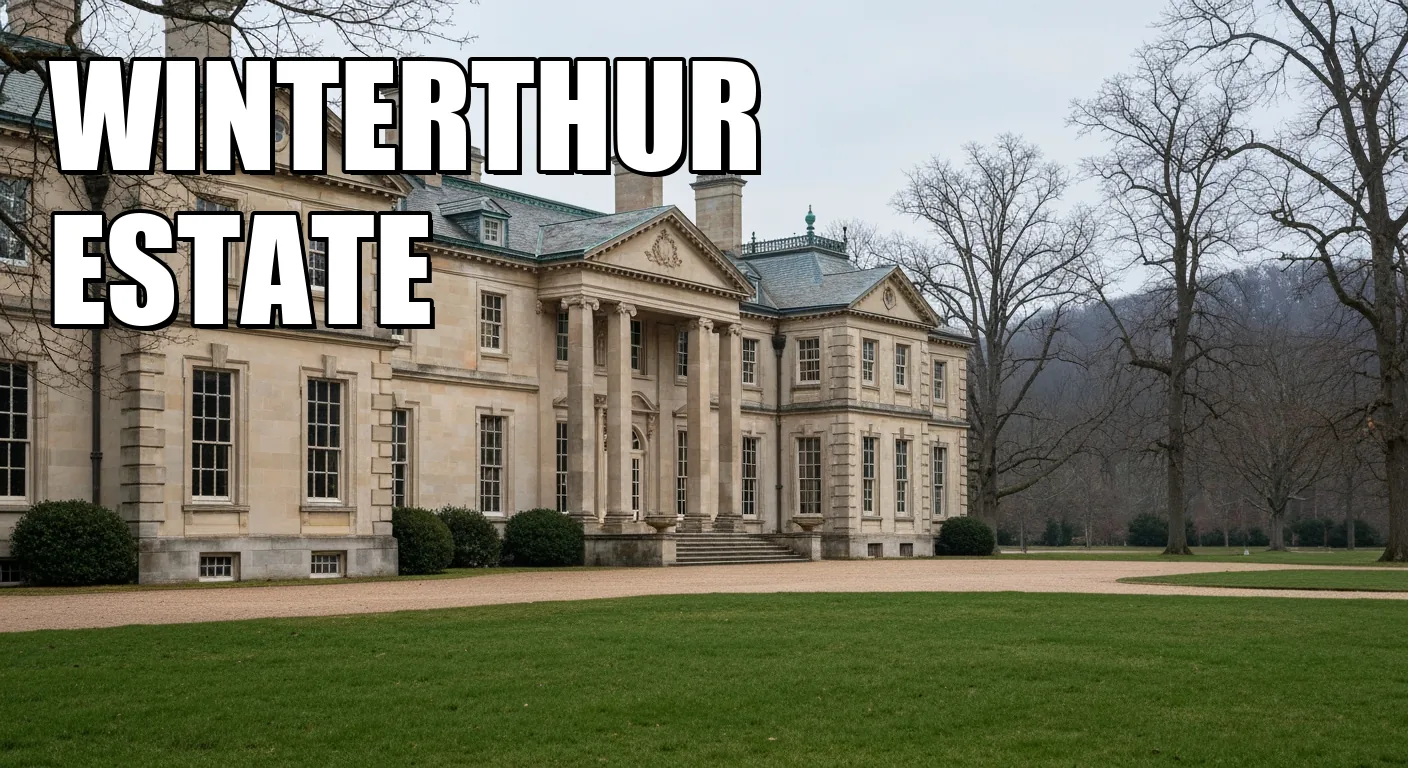
For years, I've championed the notion that true travel isn't about ticking off landmarks, but about uncovering the soul of a place. And few places embody this ethos quite like Winterthur, nestled in the rolling Brandywine Valley of Delaware. This isn't just another grand estate; it's the audacious, living legacy of Henry Francis du Pont, a man who didn't simply collect beautiful things but orchestrated a profound, almost architectural symphony of American decorative arts.
What most casual visitors miss, however, lies beyond the sweeping grandeur of the main house and its meticulously arranged period rooms. They often breeze past the nuanced stories, the sheer audacity of du Pont's vision, and the vital work that continues behind the scenes. My extensive rambles through similar historic sites have taught me to look for the interstitial spaces, the less-advertised experiences, because that's invariably where the true insights hide. Winterthur, I assure you, has plenty of these.
### Peeling Back the Layers: Henry Francis du Pont's Audacious Vision
How many times have you walked through a museum and wondered about the person behind the collection? At Winterthur, the individual is as compelling as the objects he amassed. Henry Francis du Pont, affectionately known as H.F., was no mere dilettante; he was a revolutionary in the field of American decorative arts. His genius lay not just in acquiring masterpieces, but in re-creating entire rooms to showcase them within their historical context, essentially inventing the "period room" concept as we understand it today. This wasn't just about displaying pretty furniture; it was about immersing visitors in the domestic lives and craftsmanship of early America.
He had a particularly discerning eye, a deep scholarly interest, and, crucially, the financial wherewithal to back his passions. Picture a wealthy gentleman, surrounded by his treasures, constantly tweaking, moving, and re-evaluating each piece's placement. This wasn't static curation; it was an evolving narrative, a lifelong passion project that became a monumental contribution to American cultural history. Most guides simply state he was a collector; I tell you he was an *artist* using historical objects as his palette. He was also a fierce competitor, as evidenced by his pursuit of some truly iconic pieces.
### The Duel for a Masterpiece: The Turner-Van Pelt Family High Chest
Consider the tale of the Turner-Van Pelt Family High Chest, a breathtaking piece of Philadelphia rococo furniture dating from the 1750s. This isn't just a beautiful antique; it's a testament to the pinnacle of American cabinetmaking and du Pont's unwavering resolve. In May 1929, at the legendary Howard Reifsnyder sale, this high chest became the subject of an intense bidding war, with du Pont going head-to-head against none other than William Randolph Hearst, another titan of collecting. The hammer finally fell at an astonishing $44,000—a record-breaking sum for American antiques at the time.
Why does this matter? It underscores du Pont's commitment to acquiring the absolute best, regardless of cost. He wasn't simply filling rooms; he was securing the finest examples of American craftsmanship to tell a coherent story. Today, this magnificent high chest proudly anchors the Port Royal Parlor at Winterthur, its intricate carvings and graceful lines speaking volumes about an era of exquisite artistry and the fierce competition among those dedicated to preserving it. Seeing it in person, you can practically feel the history emanating from its polished surface, a palpable link to the hands that shaped it and the collector who fought to keep it.
Of course, not every acquisition involved such dramatic flair. Du Pont's collecting was systematic and wide-ranging. Take, for instance, the Maine-made Chest of Drawers, crafted by the Cumston and Buckminster workshop in Saco, Maine, between 1809 and 1816. He acquired this fine example of Federal furniture in September 1928 from dealer Isaac Sack. While its specific purchase price isn't publicly documented, its presence highlights du Pont's interest in regional variations and the breadth of American craftsmanship beyond the more celebrated centers like Philadelphia or Boston. It's a quieter piece, perhaps, but equally significant in the grand tapestry of his collection, showcasing a distinct aesthetic from northern New England.
### Beyond the Grand Rooms: Specialized Tours Unlocking Deeper Understandings
While the main house at Winterthur is undoubtedly impressive, truly understanding the collection requires venturing beyond the standard path. My advice to anyone planning a visit in 2025 is to budget extra time and a few additional dollars for the specialized tours. These aren't mere add-ons; they are gateways to the "how" and "why" that elevate Winterthur from a museum to a living, breathing institution.The "More to Explore" Guided Tour: This 75-minute expedition, available Tuesday through Friday at 11:00 am and 1:30 pm, and on weekends at 11:00 am, 1:00 pm, and 1:30 pm, offers an intimate look at the house as both a home and an entertaining space. For $10 with admission (or $5 for members), this tour dives into the domestic side of Winterthur, revealing how the du Ponts lived amidst their unparalleled collection. What sets it apart is the emphasis on seeing the house *as a home*, not just a static display. It's a chance to imagine conversations in those parlors and dinners in those dining rooms. Do note, reservations are required, and capacity is limited, so book ahead.A Glimpse Behind the Velvet Ropes: The Conservation Focus Lab Tour: This is where Winterthur truly differentiates itself from many other estates. Have you ever wondered how priceless antiques are cared for, repaired, and studied? The 90-minute Conservation Focus Lab Tour, offered on select Wednesdays (e.g., October 1, November 5, December 3, 2025, with varying lab focuses), is your chance to peer into the scientific heart of the museum. For another $10 with admission, visitors aged 8 and up can observe conservators and graduate students at work, examining, studying, and meticulously preserving these historic objects. This tour fundamentally shifts your perspective; it transforms objects from static displays into ongoing projects of scholarly inquiry and physical care. It's an unexpected insight into the sheer dedication required to maintain such a vast and fragile collection. This isn't just a tour; it’s an education in preservation.Unearthing Overlooked Narratives: "Almost Unknown: Continue the Journey": This hour-and-fifteen-minute tour, running Tuesday through Sunday until January 4, 2026, for $10 with admission (age 13+), delves into an aspect often glossed over in traditional house tours: the African American experience connected to Winterthur's architecture and objects. It’s a vital re-contextualization, reminding us that no grand estate exists in a vacuum. This tour challenges the conventional, pristine narrative, pushing visitors to consider the lives and contributions of individuals whose stories are often marginalized. It's an essential journey for anyone seeking a more comprehensive and honest understanding of American history, asking questions that typical guides tend to avoid.Deciphering the Past: "Conversations with the Archives": For the truly curious, the 45-minute "Conversations with the Archives" tour, available Tuesday through Friday until January 4, 2026, offers a rare privilege. For just $5 with admission (free for members, age 13+), you gain access to the Rare Books Room in the library. Here, you'll encounter priceless books, manuscripts, drawings, and rotating thematic exhibitions. This tour isn't about grand gestures; it's about the quiet power of primary sources, the handwritten notes, the original prints that underpin our understanding of history. It's an immersive experience for those who appreciate the tactile connection to the past, a chance to see the very documents that conservators and historians pore over. Again, reservations are required due to the sensitive nature of the materials.
### Navigating Your Winterthur Expedition in 2025
Planning your visit, especially if you intend to explore these specialized offerings, requires a little foresight. While the museum itself is open Tuesday through Sunday from 10 am to 5 pm, with tickets valid for two consecutive days (a generous allowance that many institutions could learn from), the deeper experiences demand specific bookings.
To reserve any of these tours, particularly the popular Conservation Lab or Archives tours which have limited capacity, you'll want to act proactively. The easiest route is to visit winterthur.org and browse available tours. Alternatively, you can call 800-448-3883 (extension 7029), or even email TourInfo@winterthur.org. For those who prefer spontaneous decisions, in-person bookings are possible at the Visitor Center, though I wouldn't recommend this for the more niche tours, especially during peak seasons like autumn. Always confirm current availability for October 2025, as schedules can subtly shift. Arriving early for your designated tour time is always a wise strategy, allowing a leisurely stroll to the meeting point.
Expect weekend afternoons to be the busiest, particularly if the weather is fine, as many visitors combine a house tour with a wander through the magnificent gardens. If a quieter experience is your preference, target a weekday morning. Be mindful of the age requirements for some tours; they are in place for good reason, often related to the delicate nature of the objects or the depth of the discussion. These tours are designed for engagement, not just passive viewing, so come ready with questions and an open mind.
Ultimately, Winterthur is far more than a stunning house filled with beautiful things; it's a testament to one man's relentless pursuit of American history through its material culture. It's a place where objects tell stories, and where, with a little extra effort and a willingness to explore beyond the obvious, you can uncover narratives that truly resonate. Venture beyond the main rooms, delve into the archives, witness the conservators at work, and you'll leave with a profound appreciation for Henry Francis du Pont's enduring legacy and the dedicated individuals who continue to bring it to life. This isn't just a museum visit; it's an immersion.
Ultimate Guide to Winterthur: America's Premier Estate Museum & Gardens
What are Winterthur's hours of operation?
Winterthur is open Tuesday–Sunday, 10:00 am–5:00 pm during spring, summer, and fall seasons. During the Yuletide season (November 22–January 4), hours are 10:00 am–5:00 pm, with extended Holiday Nights on Fridays and Saturdays until 8:00 pm.
How much does general admission cost?
General admission prices are $26 for adults, $24 for seniors (62+) and students (13+), $9 for children (3–12), and free for children under 2.
What is included with general admission?
General admission includes access to the 175-room mansion, exhibition galleries, garden and grounds, the 30-minute narrated garden tram tour (weather permitting), and self-guided tours of selected rooms.
What can I see in the museum collections?
Winterthur houses nearly 90,000 objects of American decorative and fine arts made or used in the USA between 1640 and 1860, including ceramics, glass, furniture, metalwork, paintings, prints, and textiles.
Is parking available at Winterthur?
Yes, Winterthur offers free on-site parking at the Visitor Center lot, with reserved accessible parking available in front of the Visitor Center.
Part of ⭐ Famous Residents
Famous Residents
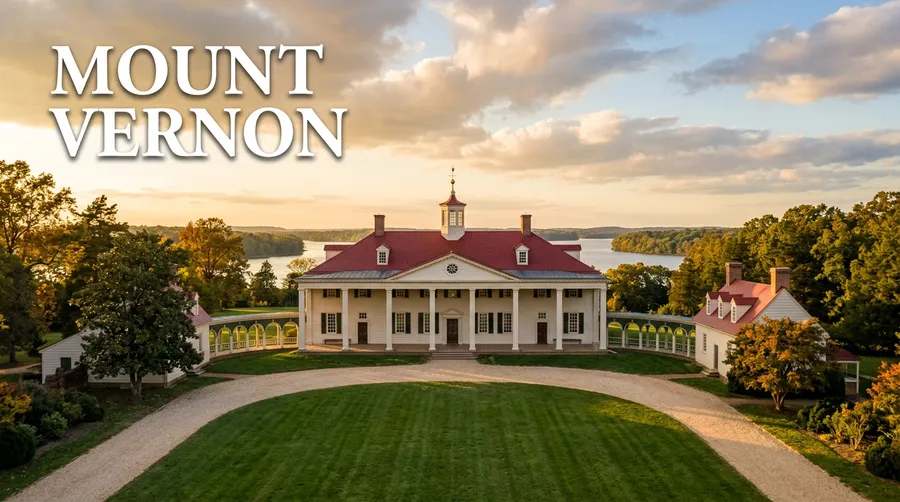
Mount Vernon Tickets, Mansion Tour, and What to See at George Washington’s Estate
A first-timer’s Mount Vernon guide covering timed mansion entry, how long to budget, what is included beyond the house, and how the estate now frames slavery as central history.
Famous Residents
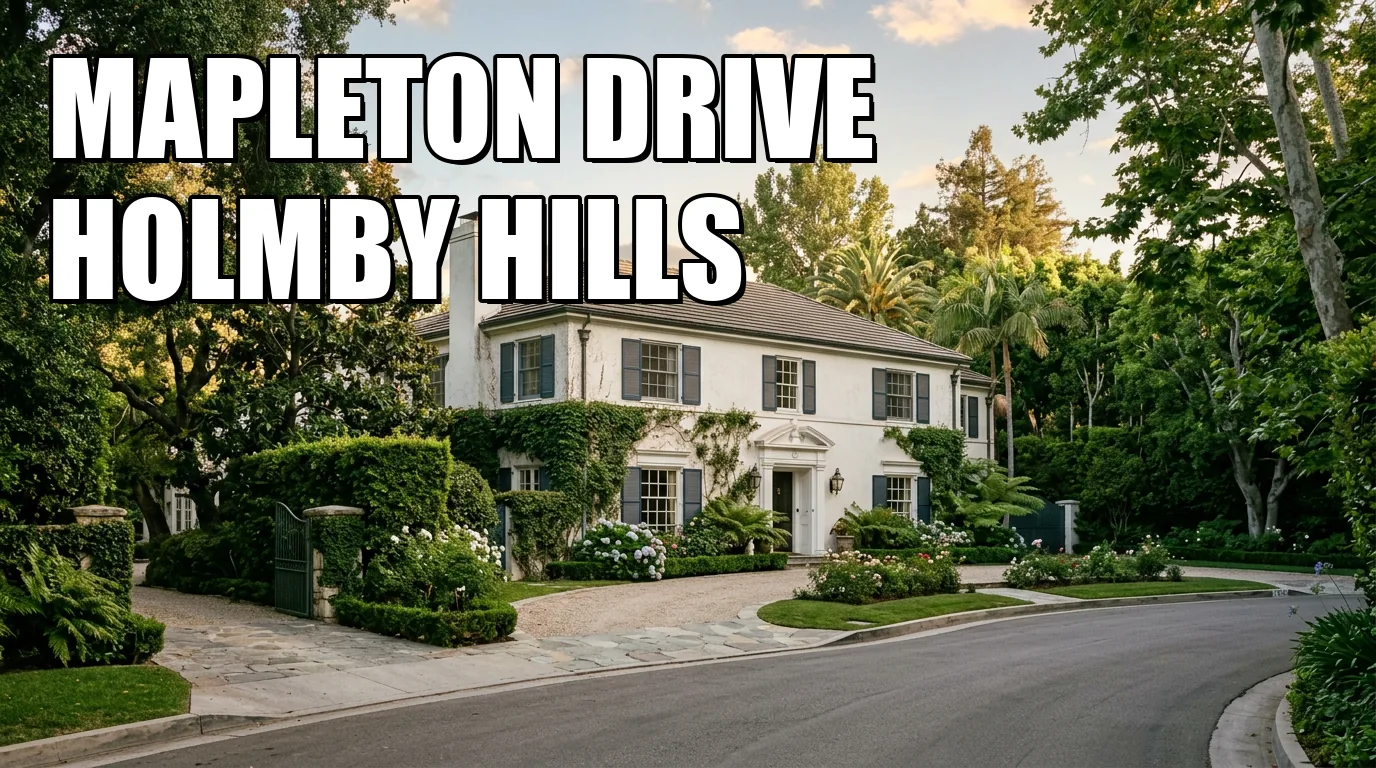
Humphrey Bogart Homes: The Los Angeles Addresses Fans Still Search For
Most Bogart addresses in Los Angeles are private residential properties. Here is which stops are publicly accessible, what each address documents, and how to frame the trip.
Famous Residents
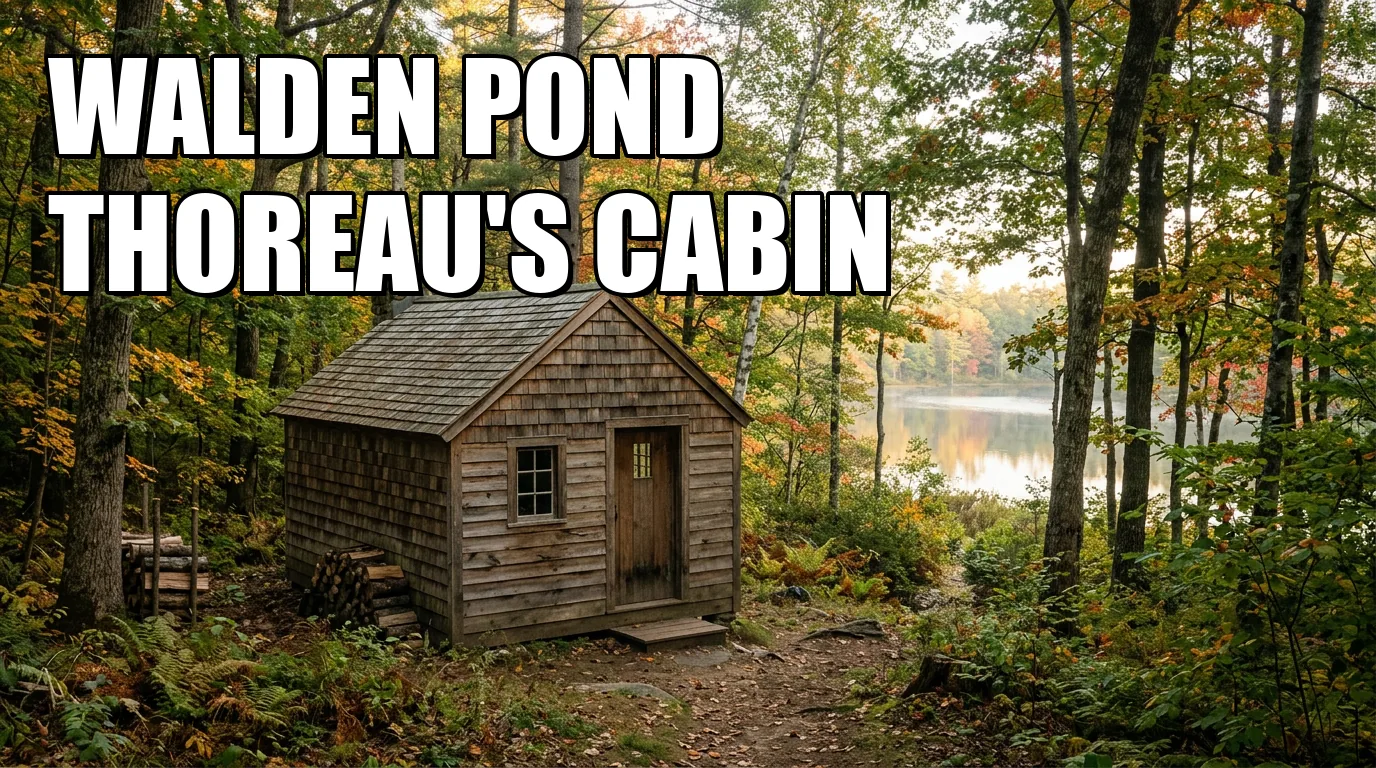
Walden Pond and Thoreau's Cabin: Replica, Site, and What Is Original
The cabin near the lot is a replica; the documented site is a half-mile away. A field guide to scale, archaeological location, landscape change, and access.
From the author of this guide
Check In After Dark
One writer checks into the rooms with the stories — Stanley 217, Banff Springs 873, the Del's 3327 — and reports what the night is actually like.