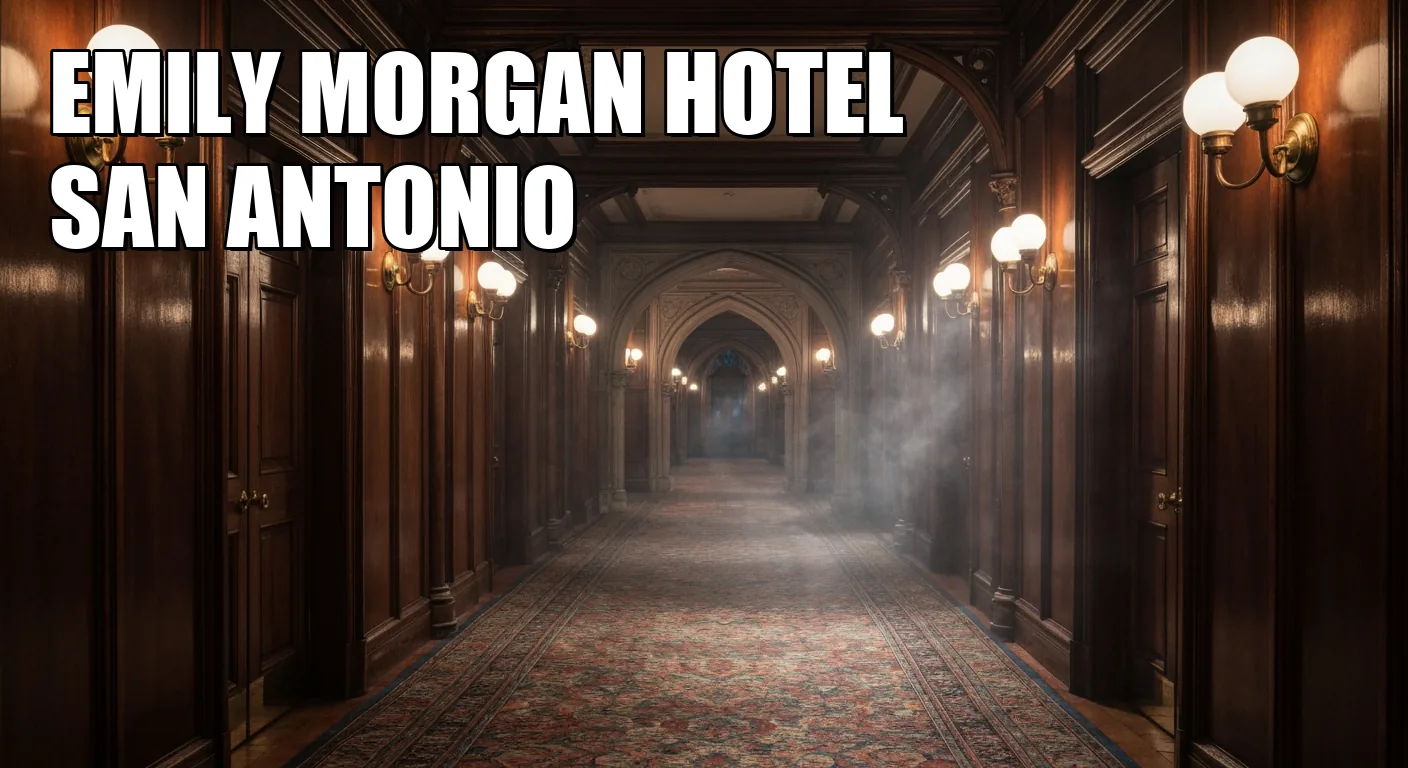
The Emily Morgan is the San Antonio hotel for travelers who want to stay on Alamo Plaza without giving up a more predictable brand-hotel feel. The property is strongest when the trip needs the Alamo at the window, downtown walkability, and a room product that feels easier to read than some older landmark hotels. It is not the same stay as the Menger, even though the two properties are close enough that many people mistakenly compare them as though they solve the same problem.
The practical frame: book the Emily Morgan if you want Alamo-facing geography, pet flexibility, and a DoubleTree-style stay inside a 1926 building. Skip it if the trip is really about the deepest old-hotel atmosphere, if valet-only parking feels like a bad fit, or if you want the bigger pool-and-public-room logic that makes the Menger so strong.
What the Emily Morgan Actually Is
The official Hilton page keeps the framing usefully simple: this is the Official Hotel of the Alamo. That is the core of the product. The Emily Morgan gives you a 1926 building, direct visual and geographic closeness to the Alamo, and a DoubleTree by Hilton operating model layered into the stay. If what you want is an older-looking San Antonio hotel without having to give up the cues of a recognizable national brand, that blend is the whole point.
That is why the Emily Morgan should not be sold as just another spooky tower. Its real market is travelers who like the idea of history but still want the trip to read clearly at check-in, in the room, and on the service side. In this cluster, that is a real differentiator.
The Location May Be the Cleanest in the Cluster
The Emily Morgan's location logic is almost impossible to misunderstand. Hilton's own page positions the hotel directly beside the Alamo, and that matters in the most obvious possible way: when San Antonio is a first-timer trip, staying where the city explains itself quickly has real value. You are not solving an abstract downtown stay. You are choosing a base that lets the Alamo, the plaza, and the River Walk-side movement line up without much friction.
That does not automatically make it better than the Menger. It makes it cleaner for a certain kind of traveler. If the trip wants the Alamo to stay visually central and you want to reduce the interpretive work that older independent hotels sometimes ask from guests, the Emily Morgan can be the easier fit.
Arrival and Parking Are Straightforward, if Not Cheap
Hilton's current hotel information page lists valet parking at $54. There is no self-parking on site. Check-in begins at 4 p.m., check-out is noon, and the property is non-smoking. These are useful facts because they make the hotel easier to compare honestly against the Menger. Both properties are valet-centric downtown stays. The Emily Morgan's advantage is not cheaper parking. It is the later checkout and the cleaner branded-hotel structure around it.
That later noon checkout is more valuable than it sounds. It gives the hotel slightly more breathing room on departure day, especially if the trip is trying to squeeze in one more Alamo pass, a slower breakfast, or a calmer handoff back to the airport. In a one- or two-night trip, that is real practical value.
| If you care most about... | The Emily Morgan is stronger when... | It is weaker when... |
|---|---|---|
| Pet-friendly flexibility | You need a downtown historic stay that can take up to two pets, with a listed 50-pound maximum and a $50 fee. | You are not traveling with pets, so this advantage does not matter. |
| Brand familiarity | You want Hilton-style predictability, Digital Key, and a more standard modern-hotel operating logic. | You want the deepest old-landmark atmosphere instead of a branded historic stay. |
| Alamo-facing immediacy | You want the clearest possible sense that the Alamo is part of the overnight. | You would rather let a larger public-room hotel do more of the trip identity work. |
Rooms, Comfort, and Why the Hilton Layer Matters
Hilton's current page lists 177 rooms and suites, Digital Key, free standard Wi-Fi for Honors members, connecting rooms, streaming entertainment, and other details that push the Emily Morgan toward a more legible mainstream stay. That is important because many travelers want the old-building location without having every part of the experience feel idiosyncratic.
In practical terms, that makes the Emily Morgan a strong answer for couples or families who want the historic setting but do not want to spend the whole weekend adjusting to a more eccentric room product. You are still in a distinctive building. You are just getting there through a smoother operational frame.
The Pet Policy Is Not a Minor Footnote
Hilton lists the Emily Morgan as pet-friendly, with up to two pets allowed, a $50 non-refundable fee, and a 50-pound maximum. In this cluster, that is a major dividing line. The Menger does not allow pets at all. If you are driving through Texas, folding San Antonio into a bigger trip, or simply not leaving an animal at home, that single policy can settle the decision fast.
That does not mean the Emily Morgan automatically wins every comparison. It means the hotel answers a real use case that the Menger does not. Good planning pages should make that obvious early instead of hiding it below ghost stories and legend summaries.
Dining, Public Space, and the Version of San Antonio This Hotel Serves
The Emily Morgan is not trying to imitate the Menger's older public-room identity. Its appeal is different. Hilton highlights ORO Restaurant and Bar and leans into the easier branded-hotel read of the property. That makes the stay more approachable for travelers who want an identifiable downtown base but do not need the hotel itself to feel like the biggest historical artifact on the trip.
This is exactly where some readers should choose the Emily Morgan. If what you want is an Alamo-core stay that feels efficient, pet-capable, and still distinct, the hotel does a better job than a more atmospheric but less flexible property would. If what you want is the most iconic old-hotel atmosphere in the cluster, that case still belongs to the Menger.
Who Should Choose the Emily Morgan Instead of the Menger
Choose the Emily Morgan if you want to stay directly over the Alamo side of the trip, need pet flexibility, care about noon checkout, or simply trust a Hilton-structured room product more than an older independent landmark. It is also a better fit for travelers who want historic context without letting the hotel itself dominate the whole weekend.
Choose the Menger if the trip wants the bigger pool, the heavier old-hotel feel, and the sense that the stay itself is part of San Antonio's deeper public history. The two hotels are close in geography, but they are not close in personality.
Is the Emily Morgan Worth It?
Yes, when you want the Alamo-core location but need the stay to feel cleaner and easier than some landmark hotels do. The Emily Morgan is worth it for pet owners, Hilton loyalists, and travelers who want a direct Alamo relationship without signing up for the full symbolic weight of an 1859 hotel next door.
The simplest way to think about it is this: the Emily Morgan is the more brand-legible historic stay in the cluster. If that is the balance your trip wants, it makes a lot of sense.