There are cities where the flight is a formality and the hotel is a bed. New Orleans is not one of them. In New Orleans, the first cab ride after landing can decide whether the weekend feels theatrical, slow, indulgent, or faintly off from the version of the city you were trying to buy in your head. The airport is easy. The mistake comes after the airport, when travelers treat the French Quarter, the lower Quarter, and the CBD like interchangeable dots on a hotel map.
That is why this page exists. It is not here to tell you which airport code belongs to New Orleans. It is here to answer the more expensive question: what kind of arrival turns the city on properly once you land? If the trip wants gas lamps, old balconies, and a hotel you can step back into after midnight without breaking the mood, the arrival should feed that. If the trip wants a bigger room, a grander building, or a calmer downtown rhythm after dark, the arrival should support that instead. Same plane. Same airport. Not the same weekend.
Use this page if: New Orleans is already likely, but you have not yet answered the harder question: should the trip sleep inside the French Quarter grid, just outside it in the CBD, or around one named historic hotel strong enough to carry the whole stay?
What You Are Really Flying In For
Most New Orleans trips are not attraction checklists in disguise. They are mood trips. You are flying in for the first walk after check-in, for the feeling that dinner can stretch into a second drink without turning the way home into a logistics job, for the kind of hotel lobby that makes you feel the city never fully turns off. That is why the city is so punishing when the stay shape is wrong. A cheap room in the wrong part of the downtown grid can drain the electricity out of the trip faster than a higher rate ever will.
Put more bluntly: the goal is not merely to get from airport to room. The goal is to land in a version of New Orleans that feels better at 10 p.m. than it did while you were still on the plane. Some trips need Royal Street or Jackson Square within easy reach. Some need a bigger-property exhale once the day is over. Some want one named hotel to carry almost half the fantasy on its own. The flight page matters because it makes you pick one of those truths before the booking map flattens them into "downtown."
Start With the Default: MSY Is Not the Problem
For most readers, Louis Armstrong New Orleans International Airport is not a real debate. The airport markets itself as the region's main gateway, and its passenger-facing transportation pages make the practical case clearly enough: it is the airport for downtown New Orleans, the French Quarter, and the central hotel districts people actually mean when they say they are taking a historic-stay trip to the city.
That matters because it removes a layer of false complexity. You are not trying to game a multi-airport metro. You are landing at the obvious airport, which means the real work starts immediately after that. In New Orleans, a clean arrival is not the hard part. Choosing the right handoff between airport, district, and hotel identity is the hard part. This is why a thin utility page is not enough here.
The First Hour Sets the Tone More Than People Admit
A good New Orleans arrival makes the city feel available quickly. You clear baggage claim, choose the right ground transfer, get to the block that matches the trip, and by the time you drop your bag the city is already behaving like the city you came for. A weak arrival feels tolerable in the moment but expensive later. You land late, sleep in the wrong grid, and suddenly the Quarter is something you visit rather than inhabit. Or you pay for a famous hotel only to realize your real priority was a calmer base and easier decompression after dark.
That is why first-night rhythm matters so much here. A one-night or short two-night trip is often strongest when the arrival is feeding directly into the French Quarter. A longer trip can absorb more compromise, which is where a CBD grand-hotel base or a looser downtown rhythm starts to make more sense. The airport does not tell you that. The arrival page has to.
The Ground Transfer Question: Simple, but Not Meaningless
MSY's official ground transportation guidance is unusually clear, which is a gift. Taxis load at the dedicated zone outside Level 1 Baggage Claim Door 7. Ride app pickups use the middle curb outside Level 1 Baggage Claim. Courtesy shuttles exist, but the airport is explicit that these serve off-airport parking and nearby airport-area properties, not the kind of French Quarter stay most readers here are actually trying to build.
The cleanest official planning fact is the taxi rule: rides to the CBD or the French Quarter west of Elysian Fields cost $36 for up to two passengers, and for three or more passengers the fare is $15 per passenger. Taxis are also required to accept credit card payments. That matters because it gives your arrival a floor. If you land tired, late, or already annoyed by the flight day, New Orleans still offers an unusually low-drama handoff into the right part of the city.
Ride apps can absolutely be the right move, especially if pricing is cleaner at the moment you land or you simply prefer that flow. But it is useful that the airport itself tells you exactly where the pickup happens. This is one of those cases where the practical guidance is straightforward enough that you can stop obsessing over the transfer and put your energy where it belongs: the shape of the stay.
The Three New Orleans Trips Hiding Behind One Airport
Quarter-first: you want the old grid underfoot, easy late returns, and the feeling that the city begins the moment you leave the lobby. This is not just a location choice. It is a trip-rhythm choice. It usually points you toward Monteleone, Bourbon Orleans, or Place d'Armes, depending on whether you want flagship aura, fuller-hotel energy, or quieter lower-Quarter texture.
CBD-first: you still want New Orleans to feel historic and atmospheric, but you care more about a larger room product, a bigger hotel plant, or a broader downtown rhythm than about sleeping inside the Quarter itself. This is where Le Pavillon becomes a real answer instead of a fallback.
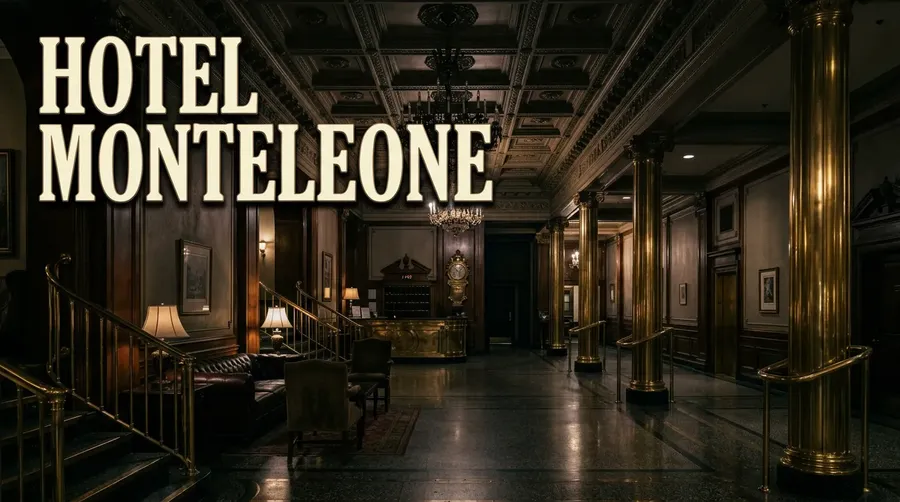
Hotel-first: the property itself is part of the fantasy. You are not just booking a room in New Orleans. You are booking a famous building, a strong lobby, a bar, a reputation, and a sense that the hotel itself will hold some of the emotional weight of the weekend. That often leads straight back to Monteleone, but it is important to admit the logic early, because hotel-first trips should not be planned the same way as district-first ones.
| If the trip wants... | The arrival usually works best when... | The next read should be... |
|---|---|---|
| French Quarter outside the door | You treat the airport handoff as something to finish quickly and stop thinking about. | New Orleans Historic Hotel Planner plus Monteleone, Bourbon Orleans, or Place d'Armes. |
| A quieter lower-Quarter rhythm | You still land Quarter-first, but the sleep base should feel more inhabitable than performative. | Place d'Armes and the broader New Orleans planner. |
| A grand downtown base | You care less about sleeping inside the oldest grid and more about a calmer larger-property rhythm after dark. | Le Pavillon and the New Orleans planner. |
| One named flagship hotel | The hotel itself is part of the destination and deserves to be treated that way. | Hotel Monteleone first, then the citywide planner. |
Why People Quietly Book the Wrong Version of the City
Because New Orleans search results make everything look more interchangeable than it is. A traveler thinks they are choosing between room rates, when they are really choosing between different versions of the city after 9 p.m. Another thinks they are booking the "best" historic hotel, when what they actually need is a quieter lower-Quarter base and not the social gravity of a flagship property. A third traveler saves money in theory and then spends the whole stay paying back that savings in friction, ride timing, or the sense that the city lives somewhere beyond the room rather than around it.
The arrival page is useful because it interrupts that mistake before it hardens. If you admit that the real prize is a walk-backable Quarter night, that immediately narrows the right hotel field. If you admit that the trip really wants a broader downtown base and more hotel infrastructure, that is equally clarifying. The airfare is not the emotional center of the decision. The first night is.
What the Airport Adds to the Mood, Not Just the Logistics
MSY is not only functional. The airport's own materials push the idea that the New Orleans experience starts before the hotel key hits your hand, and in this case that framing is fair. The airport highlights more than forty local concessions and live music at the Jazz Garden on Level 1 near baggage claim. That does not mean you should turn the terminal into an attraction. It means New Orleans is good at beginning early, which is exactly why the rest of the trip deserves to be planned with more intention than a generic airfare page usually allows.
In practical terms, this is one reason New Orleans works so well as a short historic-hotel city. You are not landing into a remote gateway that demands a punishing transfer before anything interesting can happen. The airport clears out of the way relatively fast. That puts the emotional burden back where it belongs: on whether the hotel and district actually fit the version of New Orleans you came for.
How To Think About One-Night, Two-Night, and Three-Night Trips
One night: unless you know otherwise, bias toward the Quarter. A short New Orleans trip gets stronger when the city starts fast and keeps working on foot after dark.
Two nights: this is where the choice gets more interesting. Quarter-first still wins often, but lower-Quarter calm or a more deliberate named-hotel choice can be even smarter than the loudest famous address.
Three nights or more: the city has room to breathe. This is where a CBD base, a split-neighborhood logic, or a more hotel-forward decision can stop looking like compromise and start looking like judgment.
What To Open Next
If the stay still feels district-first, move into New Orleans Historic Hotel Planner next. That page sorts the city into real overnight shapes instead of asking you to infer them from rate cards. If the trip already feels hotel-first, go straight into the named-property pages and pressure-test the fantasy against the practical details before you widen the map.
The clean reading order for most people is simple: this arrival page first, the citywide planner second, and one or two named hotel pages third. That sequence lets the airport do its small job and the stay logic do the larger one.
The Real Reason To Fly Here
You are not flying to New Orleans to solve transportation. You are flying because the city can still deliver one of the strongest short urban stays in the country when the block, the hotel, and the first evening all agree with each other. The airport side is easy enough that there is no excuse to let it become an afterthought. Land cleanly, pick the right version of the city, and let the room search serve the trip you actually want instead of the flattened one a generic booking map keeps trying to sell you.