
Famous Residents
Carter's Plains Home: A President's Unvarnished Legacy
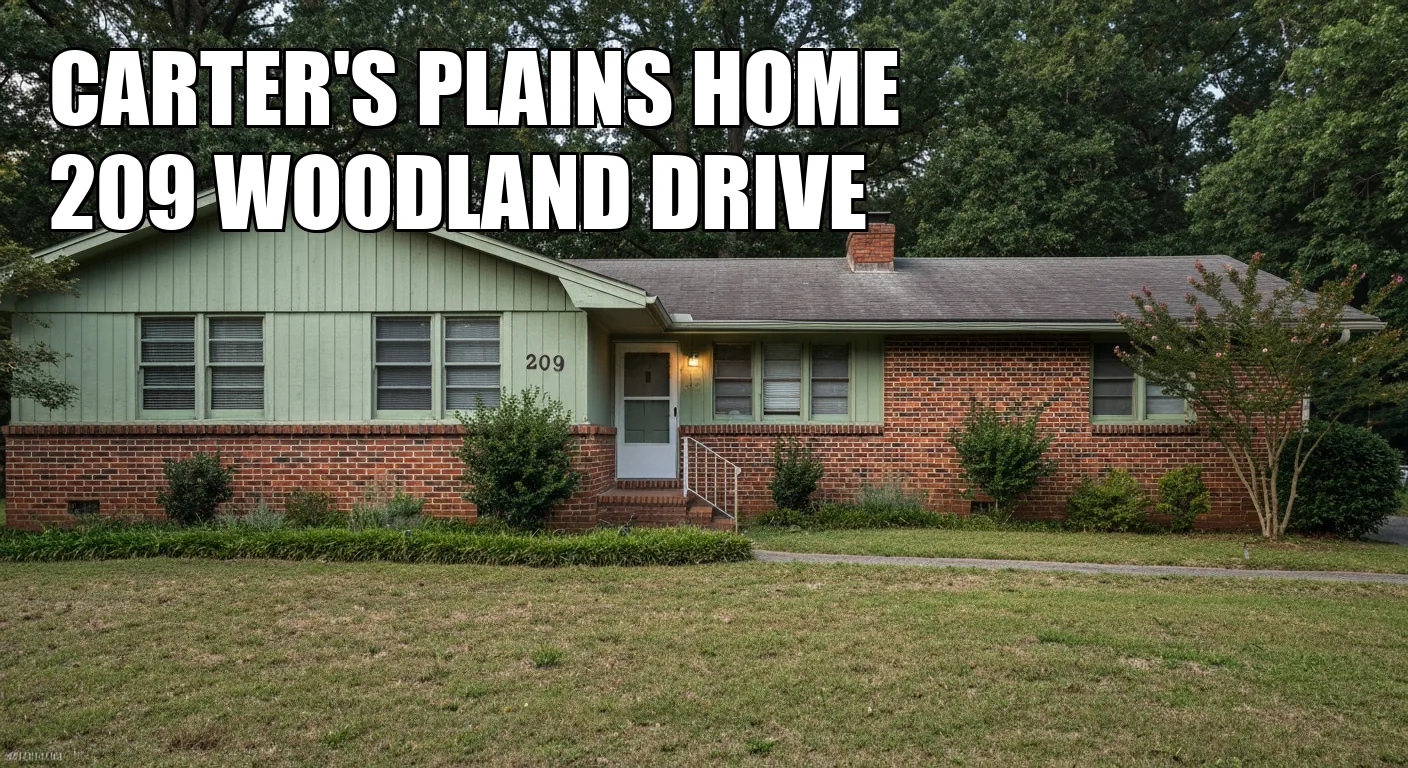
Think of most presidential estates. Your mind likely conjures images of stately mansions, sprawling grounds, and opulent furnishings, each detail carefully curated to project power and prestige. Now, mentally prepare for a complete paradigm shift when contemplating the home of Jimmy Carter in Plains, Georgia. This isn't just a deviation from the norm; it's a deliberate, profound counter-narrative, revealing a president who truly walked his own path, both in public office and private life.
Driving into Plains, past the fields and the small-town charm, you might easily miss the modest ranch-style house at 209 Woodland Drive. That's precisely the point. Built by the Carters themselves in 1960-1961 for what would be a mere ten dollars per square foot —a fraction of what even a contemporary suburban home costs—this 4,000-square-foot brick and timber structure stands as a testament to values rarely seen among the nation's highest office holders. It was their only residence from 1961 until their passing, a steadfast anchor through governorship, presidency, and a remarkable post-presidency. Expecting grandeur here is missing the forest for the trees; the true story is in its utter lack of pretension.
### A Ranch House, Not a Palace: The Unassuming Facade of Presidential Life
What does a president's home tell us about the person? In Carter's case, everything. The simple, single-story design, with its four bedrooms, reflects a pragmatic approach to family life rather than a desire for ostentation. The pale green timber and brick exterior don't scream "former commander-in-chief"; they whisper "comfortable, lived-in home." This wasn't some inherited ancestral seat or a carefully selected symbol of upward mobility. It was a home built from scratch, reflecting the self-reliance ingrained in the Carters. For visitors accustomed to the more elaborate homes of other presidents, this initial visual might feel almost underwhelming, but that's where its power lies—it forces you to look beyond superficial display.
The original four bedrooms housed their three young sons—James, Donnel, and Jack—a practical layout for a growing family. Inside, you won't find silk tapestries or gilded ceilings. Instead, the ubiquitous light blue carpeting throughout the bedrooms, living room, and dining room speaks to a mid-century sensibility, a choice for comfort and durability over fleeting fashion. This wasn't a show home; it was a sanctuary, a place where a family grew up and a president wrestled with the world's problems, far from the White House's gilded cages.
### Inside Carter's Private World: Where Craft Met Comfort
Step inside, and the intimate scale of the home becomes even more apparent. It's the kind of place where you can almost feel the presence of daily life, where every object seems to have a story rather than just a price tag. Perhaps the most telling detail resides in the master bedroom: a queen-sized four-poster bed, handcrafted by President Carter himself. This wasn't a hobby project; it was a deeply personal expression of his skill and connection to the earth. He chose walnut for the bed , explaining that it was his favorite wood, readily available from old homesteads in the region. This choice of material, sourced locally, underscores a preference for authenticity and utility over exotic imports.
Consider for a moment the symbolic weight of a president sleeping in a bed he built with his own hands. It speaks volumes about his character, his humility, and his deep connection to practical skills. For Rosalynn and Jimmy, this bed was their anchor, carrying them through decades, long after they'd left Washington. Such details weren't mere eccentricities; they were fundamental expressions of who the Carters were—individuals who valued creation, permanence, and the tangibility of their own labor.
### From Oval Office to Woodshop: A President's Hands-On Retreat
What does a president do for refuge after leaving the highest office in the land? For Jimmy Carter, the answer was a surprising pivot to sawdust and chisels. Upon returning from the White House in 1981, he didn't retreat to a formal study for quiet contemplation. Instead, he converted the garage's first floor into a dedicated woodworking shop. This wasn't just a casual hobby; it became a cornerstone of his post-presidency, a place where he spent three to four hours daily , meticulously honing his craft.
His 2004 reflection in *Fine Woodworking* magazine offers a fascinating window into this period: "I spent most of 1981 at home in Plains, Ga., writing a memoir of my years in the White House. I put in several solid hours of writing before and after breakfast, and each day I walked the 20 steps to my woodshop for a restful vacation." Imagine the intellectual rigor of writing a presidential memoir, then seeking "restful vacation" not in luxury, but in the precise, demanding work of dovetail joints, ornamental carving, and mastering the lathe. It's a stark, compelling illustration of a man who found solace and renewal in creation, challenging the conventional image of a retired statesman. The shop, filled with the scent of wood and the hum of machinery, was a testament to his belief in working with his hands, transforming raw materials into beautiful, functional objects.
### Beyond the Homestead's Edge: Stories Etched in the Landscape
The Carter property extends beyond the immediate footprint of the house, offering further glimpses into the president's unique approach to life. A pond, personally dug by Jimmy Carter himself, serves as a serene spot for fly fishing. This isn't a landscape architect's design; it's the result of one man's labor, creating a personal oasis for quiet reflection and a beloved pastime. Similarly, a magnolia tree on the grounds holds a symbolic lineage, having been grown from a cutting taken from a tree on the White House lawn originally planted by President Andrew Jackson. This isn't just a pretty tree; it's a living connection, linking Carter's personal space to a deep historical continuity, a quiet nod to the presidential legacy he now shared.
Even the later renovations tell a story of their hands-on ethos. In the 2010s, well into their advanced years, the Carters personally knocked down a wall during a remodeling project. Rosalynn Carter, reflecting on their extensive work with Habitat for Humanity, described it as "second-nature." This collaborative effort, a president and first lady doing demolition work, encapsulates their unwavering commitment to practical action and their dismissal of any perceived need for hired hands for such tasks. It’s a powerful image: two people, decades after leaving the world stage, still working side-by-side, maintaining their home with the same dedication they applied to global issues.
### What Does Simplicity Teach Us? Planning Your Visit to a Unique Legacy
Visiting Plains, Georgia, to experience the Carter home (which will transition into a house museum after the couple's passing, becoming part of the Jimmy Carter National Historical Park) requires recalibrating your expectations. This isn't a sprawling estate like Monticello or Mount Vernon, designed to impress with architectural grandeur. Instead, expect an intimate, deeply personal journey into the values of a president who prioritized authenticity, modesty, and service above all else. Its true value lies in what it *doesn't* showcase: a lack of pretense that is, in itself, profoundly inspiring.
What will you find here that typical guides might gloss over? The profound significance of a working man's home becoming a presidential landmark. The palpable sense of a life truly lived within its walls, rather than merely displayed. Jason Carter, the grandson, perhaps summed up the family's philosophy best when discussing their 1985 microwave, still ticking along decades later: "My grandparents, their microwave is from 1985... why would you buy a new microwave?" This anecdote, often overlooked in grander narratives, encapsulates the Carters' enduring philosophy of functionality and sustainability, a principle that defined both their home and their monumental lives.
Planning your trip for 2025 or beyond? While specific museum operational details like exact admission fees aren't set in stone yet, anticipate a nominal fee typical of National Historical Parks. Parking in Plains is generally accessible and often free at various park sites. Consider visiting during the shoulder seasons—late spring or early fall—when the Georgia weather is pleasant and you'll likely encounter smaller crowds than during peak summer months. Arriving earlier in the day, especially on weekends, will afford the most serene experience. Prepare for an experience focused on personal narrative and democratic humility, not opulent display. The Carter home is a rare opportunity to witness history not through grand pronouncements, but through the quiet, consistent choices of a president who never forgot where he came from. It's a visit that will likely surprise you, not with its lavishness, but with its profound, unvarnished honesty.
Famous Residents
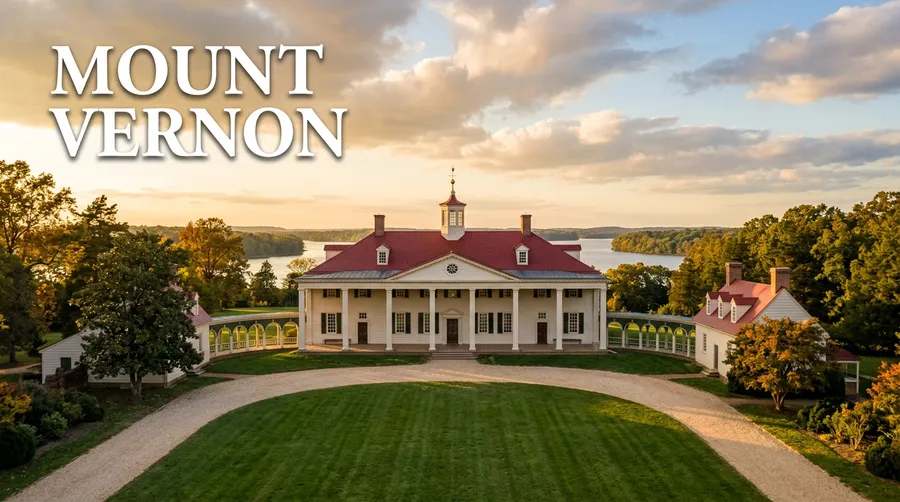
Mount Vernon Tickets, Mansion Tour, and What to See at George Washington’s Estate
A first-timer’s Mount Vernon guide covering timed mansion entry, how long to budget, what is included beyond the house, and how the estate now frames slavery as central history.
Famous Residents
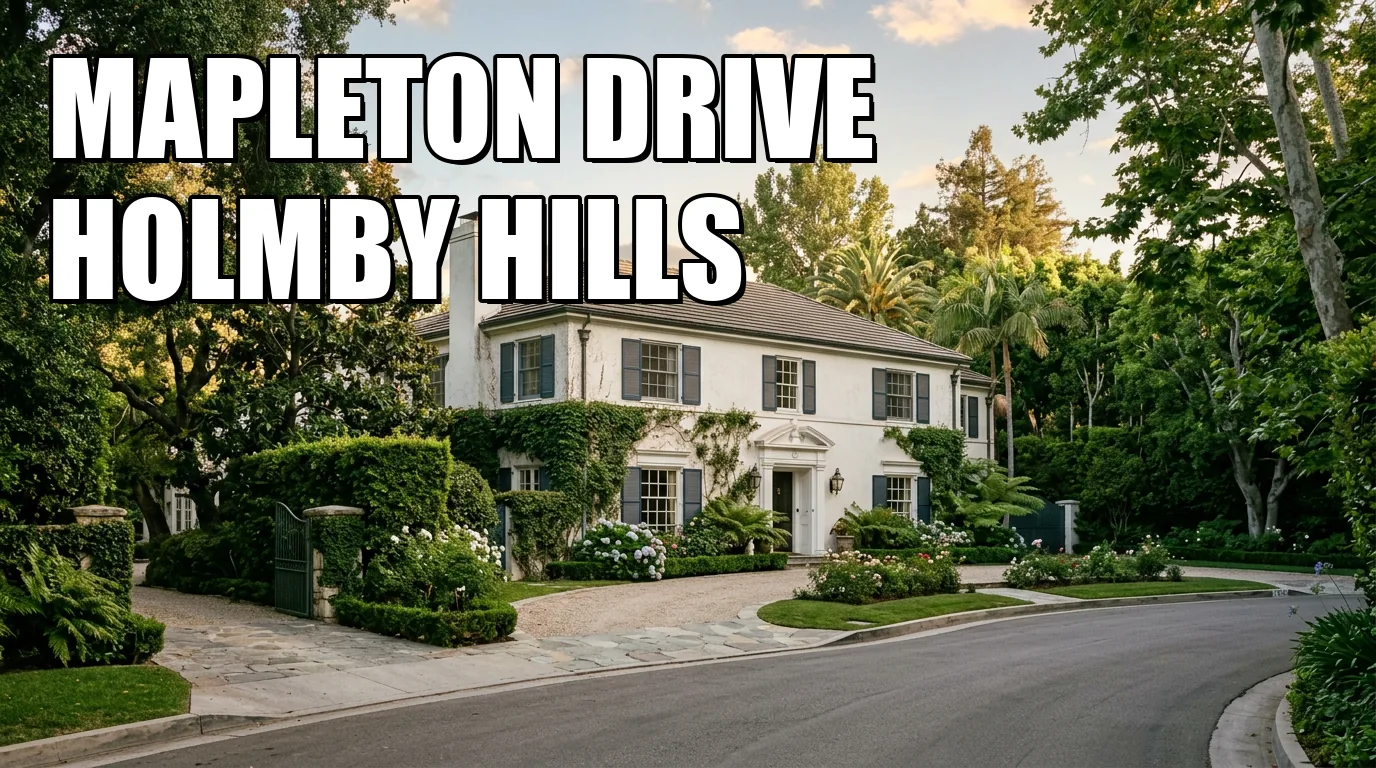
Humphrey Bogart Homes: The Los Angeles Addresses Fans Still Search For
Most Bogart addresses in Los Angeles are private residential properties. Here is which stops are publicly accessible, what each address documents, and how to frame the trip.
Famous Residents
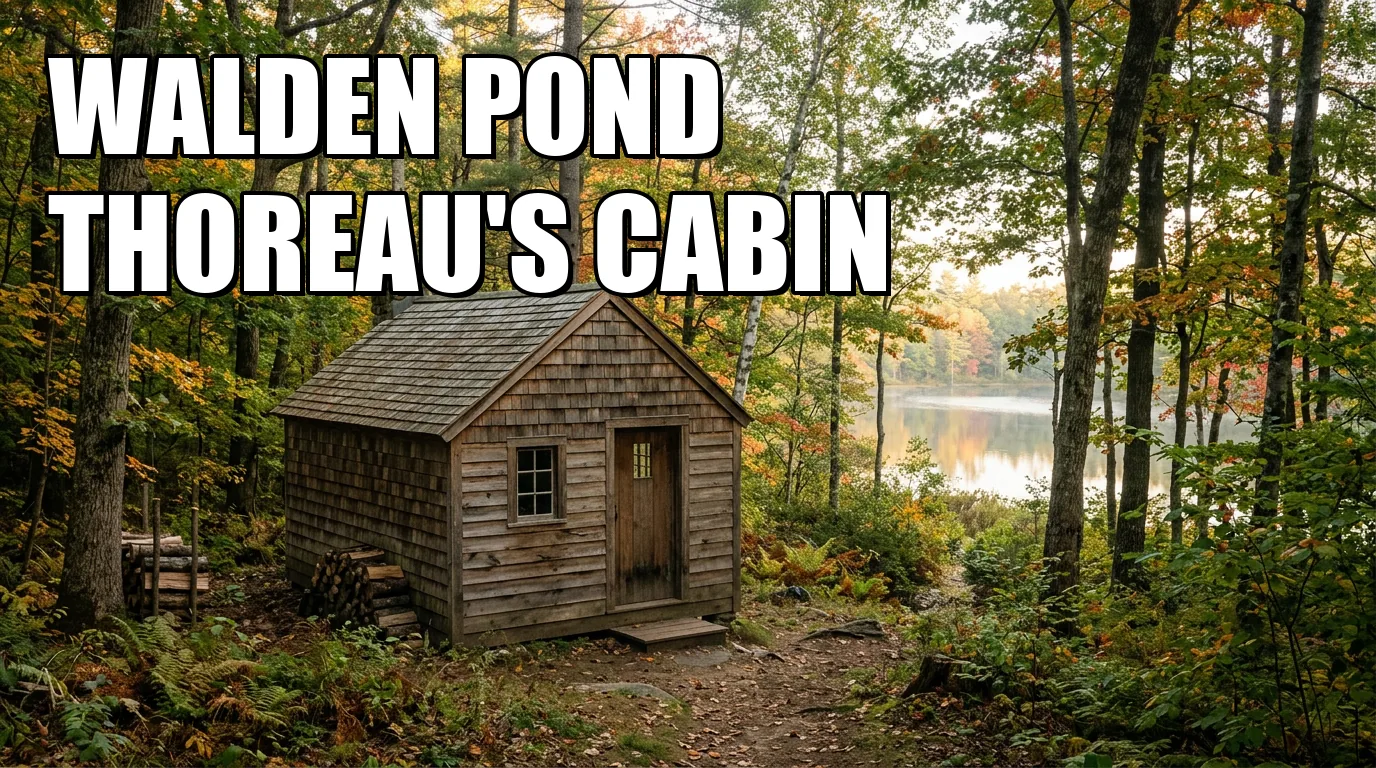
Walden Pond and Thoreau's Cabin Site: What You Can Actually See in Concord
A practical Walden Pond guide covering the original cabin site, the replica, the visitor center, and the parking and closure logic readers need before going to Concord.

Famous Residents
Truman Little White House Key West: Tour Shape, Parking, and What the Visit Is Like
A practical Truman Little White House guide covering the tour shape, Front Street entrance, Truman Annex parking reality, and why the stop works inside a history-shaped Key West trip.
Explore the Legacy of President Jimmy Carter in Plains, Georgia - Complete Visitor's Guide
What are the current operating hours for the Jimmy Carter National Historic Site?
The Plains High School Visitor Center, Boyhood Farm, and Campaign Headquarters are all open daily from 10:00 AM to 5:00 PM, except on New Year's Day, Thanksgiving Day, and Christmas Day. The visitor information desk is staffed during these hours to assist guests with questions and information.
Is there an admission fee to visit the Jimmy Carter Plains sites?
No, there is no entrance fee or pass required to visit any of the Jimmy Carter National Historic Site locations in Plains. All attractions are completely free to the public.
What can I see and do at the Jimmy Carter National Historic Site?
Visitors can explore the Plains High School Visitor Center & Museum, the 1888 Train Depot (1976 Presidential Campaign Headquarters), and the Jimmy Carter Boyhood Farm. Additionally, the Carter Gardens & Burial Site is now open, where you can visit the final resting place of President Jimmy Carter and former First Lady Rosalynn Carter.
Is Jimmy Carter's residence open to the public?
The Carter Home at 209 Woodland Drive remains closed to the public but will eventually be turned into a museum by the National Park Service. Currently, only the Carter Gardens and Burial Site are accessible to visitors.
How long should I plan for a visit to the Jimmy Carter sites?
Plan to spend a minimum of 2-4 hours to see all the National Park Service sites (School, Farm, and Depot). Allow 1-2 hours at the Plains High School Visitor Center alone, 15-20 minutes at the Train Depot, and 1-1.5 hours at the Boyhood Farm.
What is the best time of year to visit Plains, Georgia?
The best times to visit are spring (March to May) with mild temperatures in the 50s-70s Fahrenheit, and fall (September to November) when temperatures cool to the 60s-70s with vibrant foliage. October is considered the ideal month for visiting.
How far is Plains from Atlanta, and how long is the drive?
Plains is located 133 miles south of Atlanta, and the drive takes approximately 2.5 to 3 hours via car. Americus, a larger town with more amenities, is just 10 miles east of Plains.
Are there guided tours available at the Jimmy Carter National Historic Site?
Self-guided tours are available at Plains High School, Plains Depot, and the Jimmy Carter Boyhood Farm during normal operating hours. The Boyhood Farm offers staff-led guided tours on weekends at 11:30 AM and 3:30 PM, plus blacksmithing demonstrations on Saturdays and boiled peanut demonstrations on Sundays.
Is the Jimmy Carter National Historic Site accessible for people with disabilities?
Yes, the site has accessibility accommodations available; visitors should check the NPS website or contact the visitor information desk at (229) 824-4104 for specific details about accessible facilities and services.
What restaurants and accommodations are available in Plains?
Plains has limited dining options with a couple of restaurants in the downtown area that close early. For more dining and accommodation choices, visit nearby Americus (10 miles away), which offers the historic Windsor Hotel, various restaurants, and multiple hotel options. The Plains Historic Inn in downtown Plains offers uniquely themed suites from the 1920s-1980s.
What are the main exhibits at the Plains High School Visitor Center?
The museum features exhibits on Carter's life including his time as a peanut farmer, his rise to politics, his presidency, and his humanitarian efforts. The building includes preserved classrooms, the principal's office, auditorium, and even a replica of Carter's Oval Office desk.
Can I take photos at the Jimmy Carter Plains sites?
Photography is generally permitted at the Plains High School Visitor Center, Train Depot, and Boyhood Farm. However, check with staff at each location for any specific restrictions or guidelines.
What special events occur in Plains throughout the year?
Plains hosts the annual Peanut Festival in September, Butterfly Daze in August (which now includes a wreath-laying ceremony for Rosalynn Carter), Plains, Trains & Fireworks with BBQ Cook-Off in June, and a July 4th celebration with fireworks. Check jimmycarterfriends.org for the complete 2025 event calendar.
What is unique about the Jimmy Carter Boyhood Farm?
The farm has been restored to its 1938 appearance (before electricity was installed) and includes the childhood home where Carter lived from age 4 to college, his father's commissary, tenant houses, and various outbuildings. Visitors can listen to audio stations where Carter shares stories about his childhood.
Are there other attractions near the Jimmy Carter sites?
Nearby attractions include the National Prisoner of War Museum in Andersonville (about 20 miles away), Providence Canyon State Park, Habitat for Humanity headquarters, and the town of Americus which has historic sites, dining, and shopping. The entire area represents significant American history and culture.
Maison builds place guides to help readers plan a real visit or understand a real site. When a page makes present-day access, booking, or visitor claims, those details are revised against public-facing source material and editorial review. For the wider standards behind that work, see methodology.