Omni Shoreham Hotel: Pool, Pets, and When This D.C. Stay Makes Sense
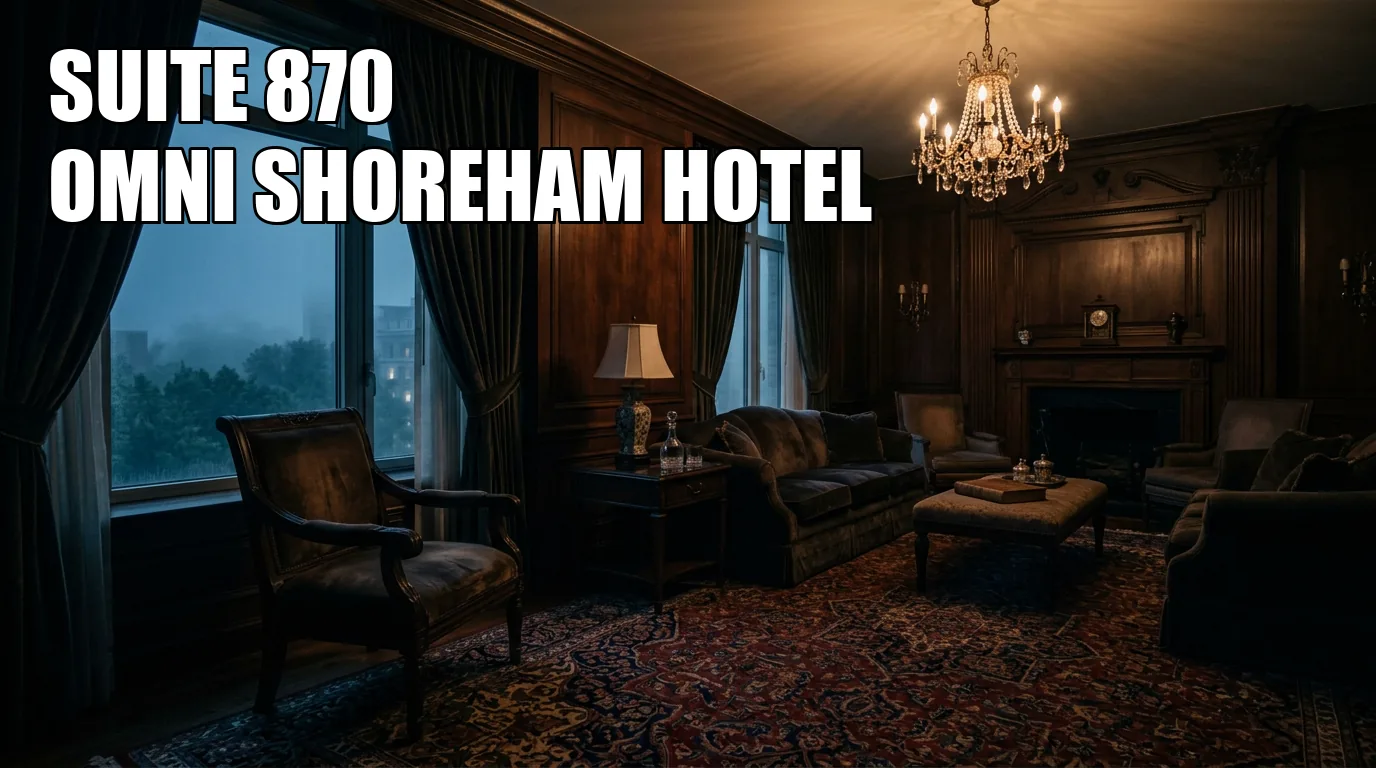
A practical Omni Shoreham guide covering pool access, pet fees, Woodley Park location, and why this landmark hotel fits a different D.C. trip than a downtown core stay.
Mount Vernon to the Omni Shoreham — the DC addresses where American history is still legible in the architecture.
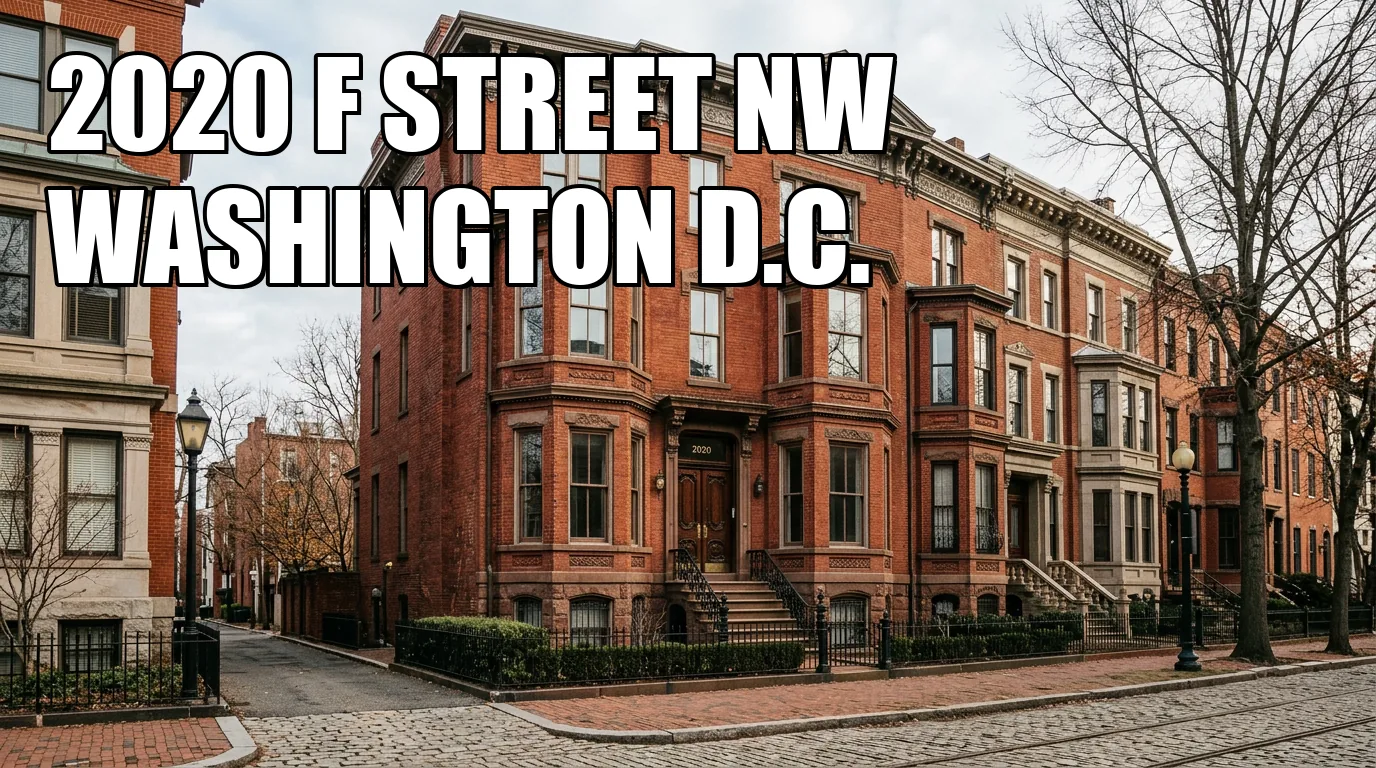
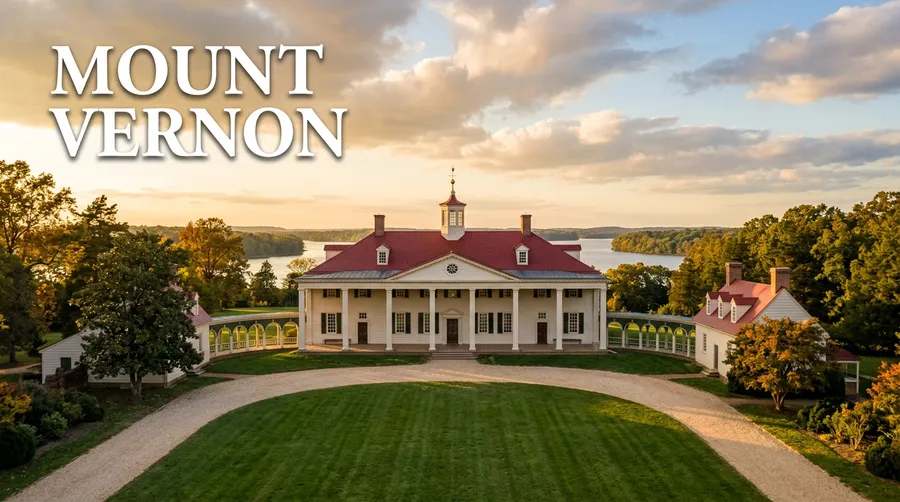
Washington DC's historic layer runs deeper than the monuments. Mount Vernon anchors the Virginia side; the Omni Shoreham holds a documented haunt on the eighth floor; Alexander Graham Bell's legacy is scattered across addresses most visitors don't find; Woodrow Wilson's S Street home preserves the last years of a presidency that ended badly. Our guides cover what to visit, how access works, and what the standard tours compress past recognition.
A practical Omni Shoreham guide covering pool access, pet fees, Woodley Park location, and why this landmark hotel fits a different D.C. trip than a downtown core stay.
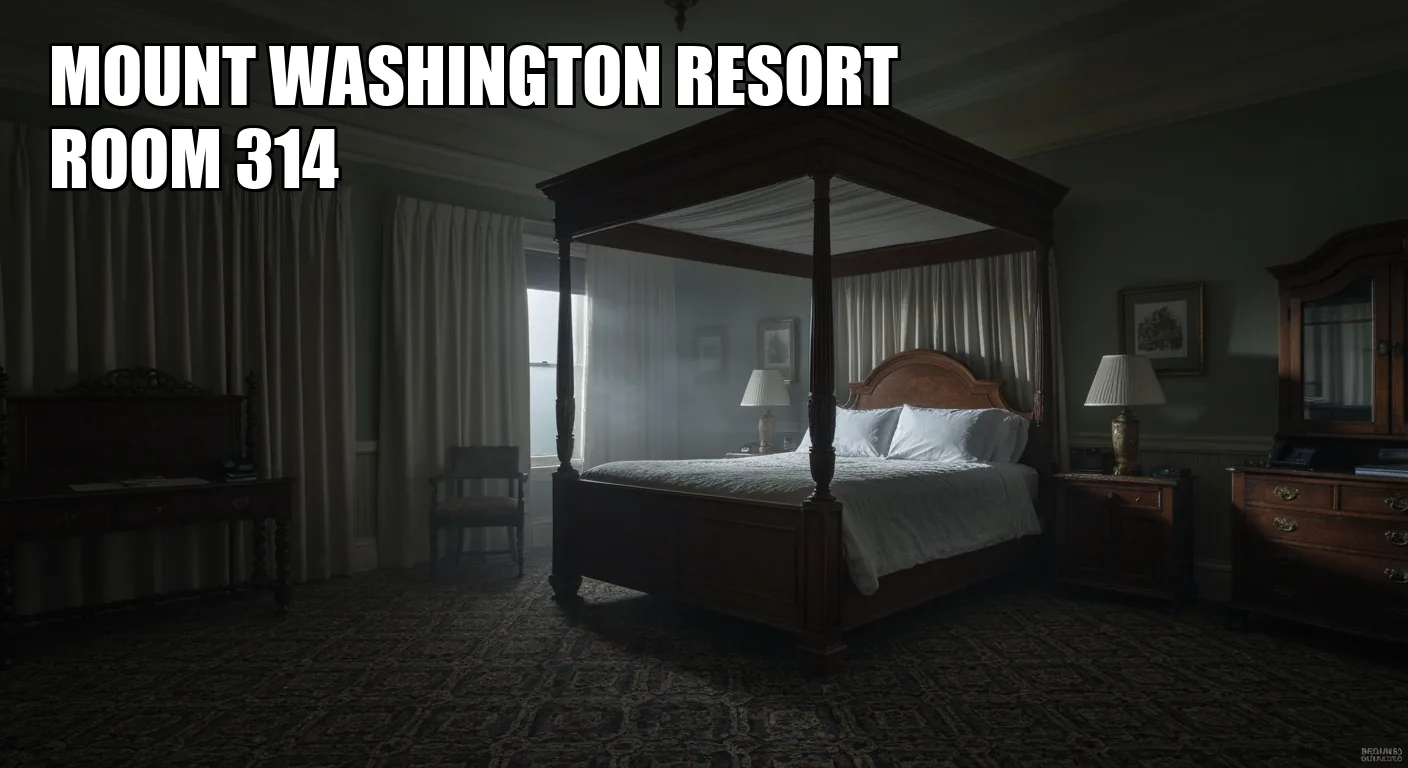
The Omni Mount Washington Resort isn't merely a testament to Gilded Age opulence; it's a living, breathing chronicle steeped in New England's chilling lore. For those drawn to the whispers of the past, this grand dame of the White Mountains offers more than just scenic views – it promises encounters with history, both seen and unseen.
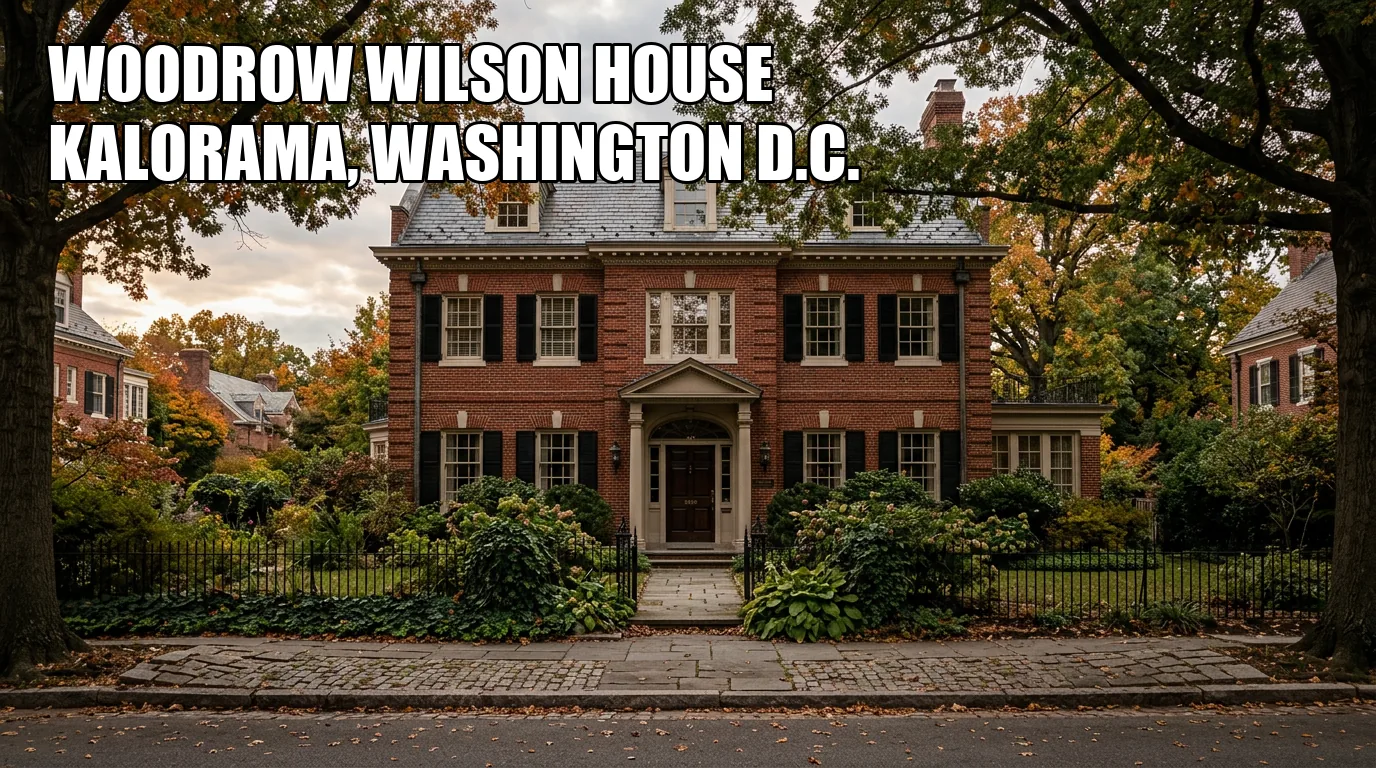
Step beyond the White House gates and into the intimate, often somber, world of Woodrow Wilson's post-presidency. This guide uncovers the human story behind the historic façade, revealing a resilience few guides mention and challenging expectations of presidential grandeur.
Most people associate Alexander Graham Bell solely with the telephone, perhaps picturing him in a Boston workshop. But his Washington D.C. years birthed inventions he considered even greater. Forget grand, unified estates; prepare for a detective's journey through scattered addresses where light carried voices and wax cylinders captured history.
A first-timer’s Mount Vernon guide covering timed mansion entry, how long to budget, what is included beyond the house, and how the estate now frames slavery as central history.