Having traversed countless battlefields and presidential libraries, I've come to appreciate that the true measure of a leader often lies not in their grand pronouncements, but in the quiet corners of their private lives. And nowhere is this more evident than at the Eisenhower National Historic Site in Gettysburg, Pennsylvania, a place that offers a profoundly intimate look at a man who shaped much of the 20th century. Forget the imposing monuments or the weighty pronouncements of state; this is where you truly encounter Dwight D. Eisenhower, the general, the president, the husband, and the surprisingly down-to-earth gentleman who simply loved his farm.
Most presidential homes feel like curated mausoleums, grand statements of power or prestige. The Eisenhower farm, however, retains an almost startling authenticity. Approximately 99 percent of the furnishings are original, a fact that hits you the moment you step inside. This isn't a recreation; it’s a time capsule, a feeling that allows for an immediate, visceral connection to Ike and Mamie. Their son, John, made sure of it, donating over 1,500 personal items, with another 650 on loan, ensuring that the essence of their life together remains palpable.
Where Global Politics Met a Cozy Porch Swing
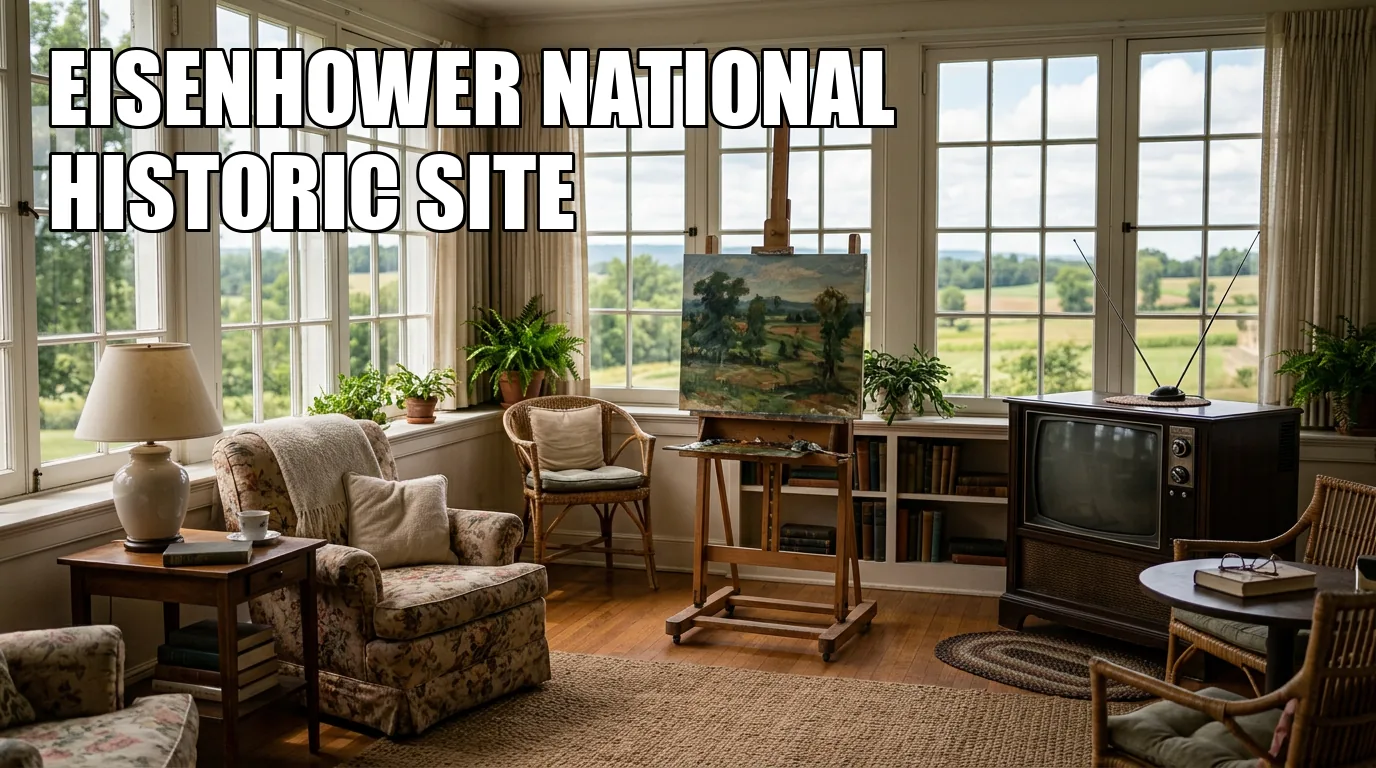
You might expect a president's home to feature an ostentatious office or a formal reception hall as its diplomatic nerve center. Yet, Eisenhower, a master strategist in war and peace, understood the power of informality. His chosen venue for some of the most sensitive Cold War discussions? The Sun Porch. This modest, comfortably furnished space, brimming with natural light, was where Ike and Mamie truly lived. They watched television here, played cards, and Eisenhower, ever the artist, pursued his oil painting hobby. The easel still displays a reproduction of the unfinished Culzean Castle, Scotland, painting he worked on in his final year, a poignant detail that speaks volumes about his character.
What truly makes this room fascinating is its role as an unexpected stage for international diplomacy. Eisenhower entertained Soviet Premier Nikita Khrushchev here, alongside French President Charles de Gaulle and numerous other dignitaries. He believed this relaxed atmosphere could disarm guests, fostering intimate conversations impossible in the formal halls of the White House. It was a shrewd psychological gambit: inviting world leaders into his personal sanctuary, away from the glare of Washington, to build rapport. Khrushchev, for instance, became so enamored with Eisenhower’s prize-winning Black Angus cattle during his 1959 visit that Ike later sent a young bull to Moscow as a gift, a truly unexpected diplomatic exchange during the height of the Cold War.
Mamie's Unmistakable Stamp: A First Lady's Personal Touches
Walk through the home, and Mamie Eisenhower's vibrant personality is everywhere, lending the house a warmth often missing from presidential residences. Consider the Entrance Hall, where every visitor, from world leaders to rambunctious grandchildren, was required to sign her guest book. It's not just a register of famous names like Prime Minister Jawaharlal Nehru of India or Winston Churchill; it's a testament to Mamie’s desire to maintain a personal connection, a grounding ritual amidst the whirlwind of presidential life. In the same hall, her curio cabinet contains personal treasures that delightfully shatter any image of a staid First Lady: a presidential plate from a Stuckey's souvenir stand and plastic figurines of presidents and first ladies, collected from cereal boxes. These items, seemingly mundane, offer a genuine, humanizing glimpse into her character, revealing a woman who, despite her public role, embraced the simple joys and kitsch of American life.
The Dining Room, too, tells a story of Mamie's taste and the couple's journey. She purchased the dining room suite in 1927, and it followed them through countless military transfers, a steadfast piece of their domestic life. While the Eisenhowers often preferred the casual comfort of TV trays on the sun porch for their meals, this room was reserved for family gatherings and formal guests. The tea service, acquired piece by piece by a young Major Eisenhower with his poker winnings, is a testament to their early years and the enduring nature of their marriage, a tangible reminder of a love story that spanned decades and continents before reaching the White House.
Ike's Private World: Retreats and Rustic Respite
Beyond the diplomatic theater and Mamie's elegant flair, the farm offered Eisenhower pockets of true personal retreat. The Den, a room that preserves part of the original 18th-century farmhouse with its salvaged fireplace and oven, was one such haven. Here, Eisenhower shed the weight of global responsibility, spending hours reading, or engaged in spirited games of bridge with friends. Above the fireplace, a Civil War pike and musket hang, perhaps reflecting his lifelong fascination with military history, or simply a nod to Gettysburg's own legacy. The fishing-fly-decorated lamp and art books underscore a man with diverse interests, someone who found solace in quiet pursuits away from the Oval Office.
Another, even more private space, was the General's Room, a sparsely decorated dressing room that served a critical purpose after his 1955 heart attack: a place for mandated afternoon naps. The bookshelf, filled with his beloved Western novels, paints a vivid picture of the popular culture he enjoyed, a stark contrast to the complex geopolitical texts he devoured for work. Hanging above the bed is a portrait he personally painted of his two oldest grandchildren – a touching detail that reminds visitors of the intensely personal connections that grounded this world leader, despite the immense pressures of his office.
A Temporary White House: When Gettysburg Became the Center of the World
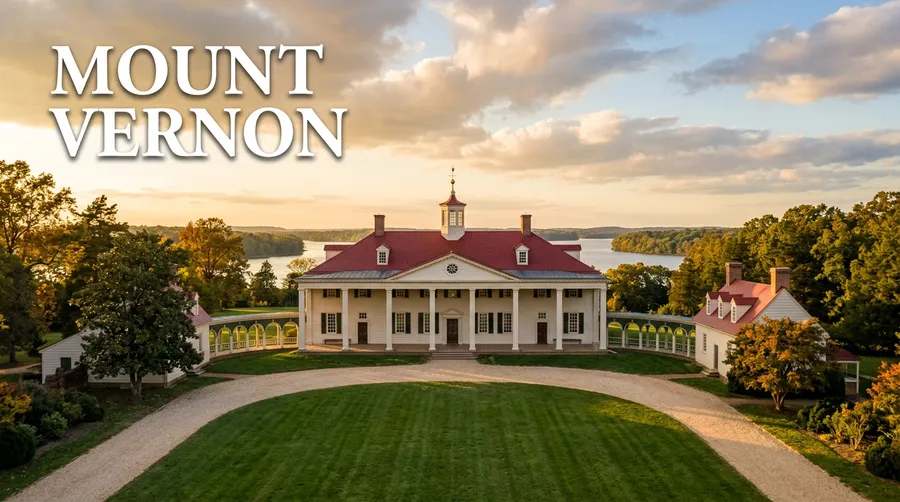
While the farm exuded personal warmth, it also undeniably served as a crucial nerve center for global events. The Office is, without question, the most historically significant room on the property from a presidential perspective. It was here, in 1955, after suffering a heart attack, that the farm became a "temporary White House," allowing Eisenhower to continue governing from a place of recovery and relative peace. The desk, a reproduction modeled on George Washington's Mount Vernon desk and built from pine boards salvaged during the 1948-1952 Truman White House renovation, is more than just furniture; it's a symbolic link to presidential continuity and the weight of executive decisions.
It was at this very desk that Eisenhower signed numerous pieces of legislation, shaping the trajectory of the nation. More dramatically, it was here, on May 7, 1960, that he received the devastating phone call informing him of the U-2 spy plane’s shoot-down over Soviet territory, a pivotal moment in Cold War tensions that plunged his presidency into crisis and jeopardized planned superpower summits. The simplicity of this office—its functional layout, devoid of ostentation—strikingly underscores Eisenhower's no-nonsense approach to leadership, emphasizing practicality over pomp, a characteristic that defined him as both a five-star general and a two-term president.
Planning Your Pilgrimage: Practicalities and Unexpected Charms
Visiting the Eisenhower National Historic Site isn't like touring a grand estate; it's an intimate experience that requires a bit of planning to fully appreciate. The site is accessible via a free shuttle bus from the Gettysburg National Military Park Visitor Center, where you'll also find ample and usually free parking. There's a nominal admission fee for the guided house tour, typically around $9-10, which I strongly recommend. The guides are incredibly knowledgeable, offering anecdotes and context that bring the rooms to life in a way a self-guided tour simply cannot. Given the seasonal nature of the tours, always check the National Park Service website for current operating hours before you go.
To truly savor the atmosphere and avoid the busiest crowds, aim for a weekday visit outside of summer peak season – perhaps a crisp autumn afternoon in October, or an early spring morning in April. The site offers a fascinating counterpoint to the more somber and grand scale of the Gettysburg battlefield, just a short distance away. While the battlefield immerses you in a pivotal moment of American conflict, the farm pulls you into the personal world of a man who navigated the complexities of global peace. Don't expect elaborate gardens or sprawling grounds, though you can certainly walk the perimeter and appreciate the rural setting. Instead, prepare for a focused exploration of about 16 meticulously preserved rooms, offering a profound sense of stepping directly into the Eisenhowers' lives. It's a visit that challenges conventional notions of presidential power, revealing the subtle ways in which personal spaces can, and often do, shape history.