
Sagamore Hill and the Portsmouth Treaty: What Happened Where
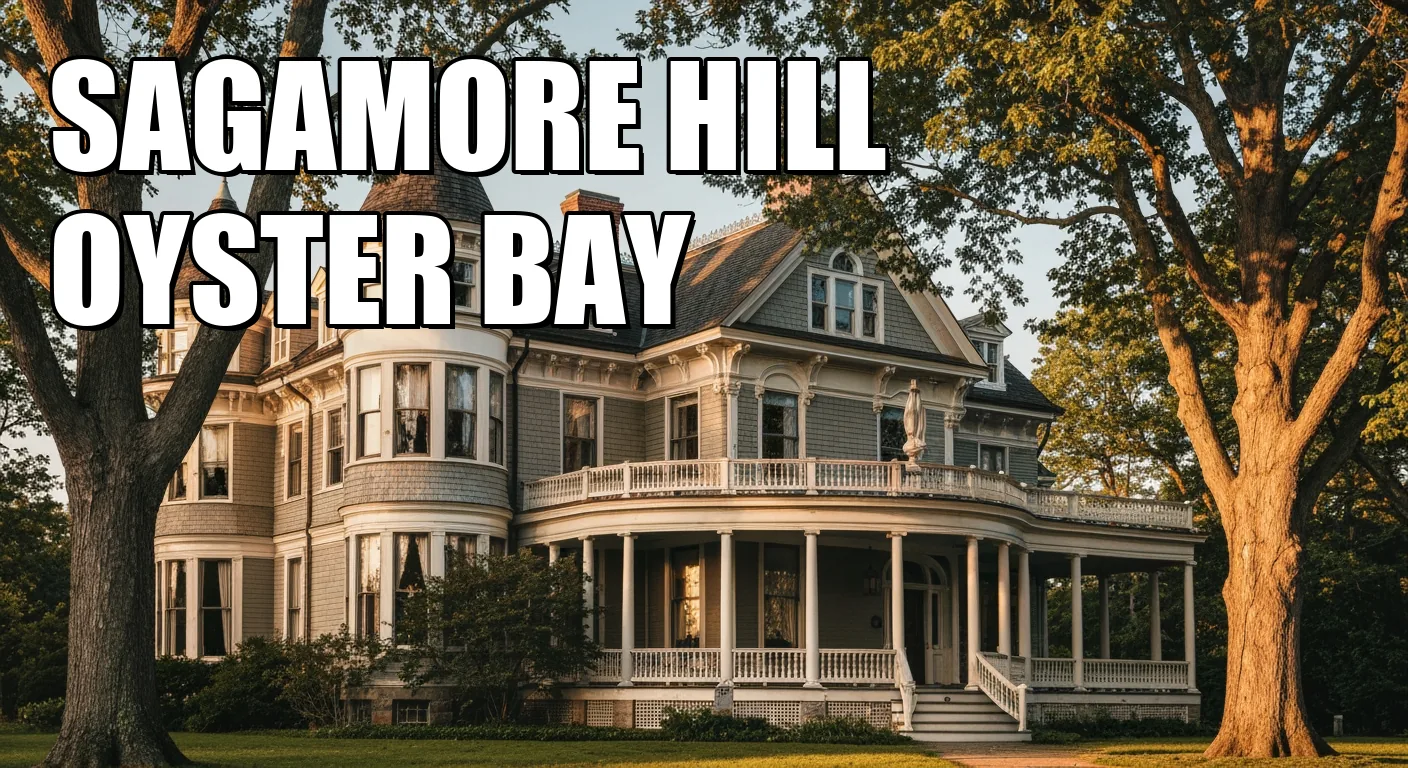
Sagamore Hill is easy to misread as a miniature White House: a presidential house with enough trophies, books and diplomatic drama to make every room sound like a state chamber. The more useful reading is narrower. Theodore Roosevelt used the Oyster Bay property as a working presidential base, and in the summer of 1905, its Library hosted the opening move of the Russo-Japanese peace process. The formal Portsmouth conference moved to the Navy Yard in Kittery, Maine, where the treaty was signed. The distinction changes what a visitor should look for: not a room where the war was formally ended, but a private study that briefly became a diplomatic threshold.
What happened at Sagamore Hill in 1905
The documented Sagamore Hill episode belongs to the summer of 1905. One account places the Russian and Japanese delegations' first mutual encounter aboard USS Mayflower in Oyster Bay; the Sagamore Hill site record places Roosevelt's opening peace conference in the Library. Read together, the sources support a sequence from waterfront contact to house-based presidential mediation, but they do not reconstruct every exchange with certainty. The participants identified across the records include Sergei Witte, Roman Rosen, Jutarō Komura and Kogoro Takahira. That first meeting mattered because Roosevelt was using the house as an instrument of access. The Library was his private study and office, not a ceremonial hall. Diplomats entered a domestic room lined with the signs of his working life before the delegations moved on to the formal negotiating setting in New Hampshire and Maine. The house supplied the first contact; it did not replace the conference table. The geography after that moment is part of the story. The delegations traveled onward to the Portsmouth conference at the Portsmouth Navy Yard in Kittery, where the formal sessions took place. The treaty was signed there on September 5, 1905; the selected site record identifies Building 86 as the treaty museum setting, not enough to call it the signing room. Calling Sagamore Hill the place where the treaty was made collapses a sequence that the surviving record keeps separate. Popular retellings add exact lunches, private complaints about Roosevelt's table settings and secret August conversations about Sakhalin or indemnity. The selected National Park Service and historic-site records verify the Library's opening role but do not establish those precise anecdotes, dates or room assignments. A careful tour can tell you that Roosevelt's house launched the encounter without pretending that every later negotiation happened there.The North Room is a reception machine, not the treaty room
The large North Room, also called the Trophy Room, was designed by C. Grant LaFarge and added in 1905. Its documented purpose was to provide a dignified space for groups of delegates and distinguished visitors, while also displaying Roosevelt's trophies. The room measures about 40 by 30 feet—an unusually expansive insertion into a house whose other rooms feel domestic and densely personal. That purpose explains why the North Room matters even when it is not the documented Library setting for the opening peace conference. It shows the property adapting to presidential traffic. Roosevelt's Oyster Bay home had become a summer operating base, and the architecture had to absorb people who were neither family nor ordinary guests. The room's scale is evidence of institutional pressure arriving at a private estate. It is also a reminder to date the building before assigning a scene to it. The North Room was still part of a 1905 construction phase while the peace process unfolded. The best-supported account places the opening meeting in the Library, not in the room that later became the obvious gathering space.Read the collection as a diplomatic ledger
Sagamore Hill's objects are most useful when their gift history stays attached to them. A small object can document a political relationship more precisely than a sweeping claim about Roosevelt's influence.| Object | What the evidence supports | Why it helps |
|---|---|---|
| Scarf Dance bisque figures | Agathon Léonard figurines received by Edith Roosevelt in May 1902 as a French diplomatic gift | Diplomacy entered the family rooms through a gift, not only through formal conferences |
| Lincoln hair ring | John Hay gave Roosevelt a ring containing a lock of Abraham Lincoln's hair for the 1905 inauguration; correspondence places the sending on March 3 | The object links Roosevelt's succession story to a specific giver and date |
| Miniature coal scuttle | Presented around 1902 in appreciation for Roosevelt's coal-miners' strike settlement | A domestic-scale object records a national labor intervention |
| Stalking Panther | A. Phimister Proctor's bronze, gifted by the Tennis Cabinet at a March 1, 1909 farewell luncheon | The late-presidential gift belongs to Roosevelt's social world, not to the 1905 peace conference |
What the house preserves—and what it asks you to imagine
The attraction is powerful because the setting remains specific: a private study, a reception room built for delegates, family rooms carrying diplomatic gifts, and grounds that preserve the property's domestic scale. It is less useful to describe the house as a frozen presidential office. The estate was altered, restored and interpreted over time, and not every object or architectural detail carries the same evidentiary weight. The practical question is therefore not “Where did Roosevelt make peace?” but “Which layer do I want to see?” The Library answers the question of where the opening contact happened. The North Room answers how a family home adapted to official traffic. The object collection answers how political relationships entered everyday rooms. Portsmouth answers where the formal negotiations and treaty belong.Plan the visit around the access contract
Interior access to the Theodore Roosevelt Home is by guided tour, with advance reservation required. The tour lasts about 45 minutes and includes indoor and outdoor portions, so it is not a free-roaming house museum experience. The grounds can be explored independently, and the site offers a self-guided audio layer for the wider property. The physical boundary matters. The historic home is accessible on the first floor only. Visitors who cannot use the second and third floors can watch a closed-captioned video at the Old Orchard Museum or use the site's virtual alternative. Large bags, backpacks, luggage and strollers are not allowed inside the home, and food and drinks stay out as well. Visitors are asked not to touch objects or lean over barriers. Treat the visitor center and Old Orchard Museum as part of the same interpretive sequence rather than as an afterthought. Start there to understand the upper-floor alternative, then use the guided house visit for the rooms whose arrangement and objects carry the strongest provenance. Leave the grounds and nature paths for the self-guided portion of the day. The site works best when you let each access mode answer a different question. Sagamore Hill's diplomatic legacy is real, but it is not a single-room myth. Roosevelt's Library opened the 1905 encounter in the house record; the Portsmouth conference moved the formal negotiations to the Navy Yard in Kittery, which also received the signatures. The house's surviving rooms and objects make that sequence tangible precisely because they do not all claim the same job. Part of ⭐ Famous Residents
Famous Residents
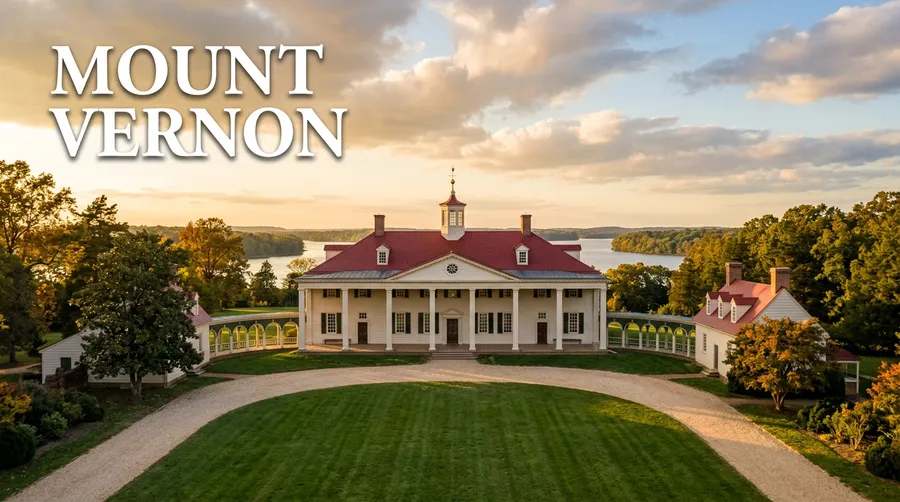
Mount Vernon Tickets, Mansion Tour, and What to See at George Washington’s Estate
A first-timer’s Mount Vernon guide covering timed mansion entry, how long to budget, what is included beyond the house, and how the estate now frames slavery as central history.
Famous Residents
Humphrey Bogart Homes: The Los Angeles Addresses Fans Still Search For
Most Bogart addresses in Los Angeles are private residential properties. Here is which stops are publicly accessible, what each address documents, and how to frame the trip.
Famous Residents
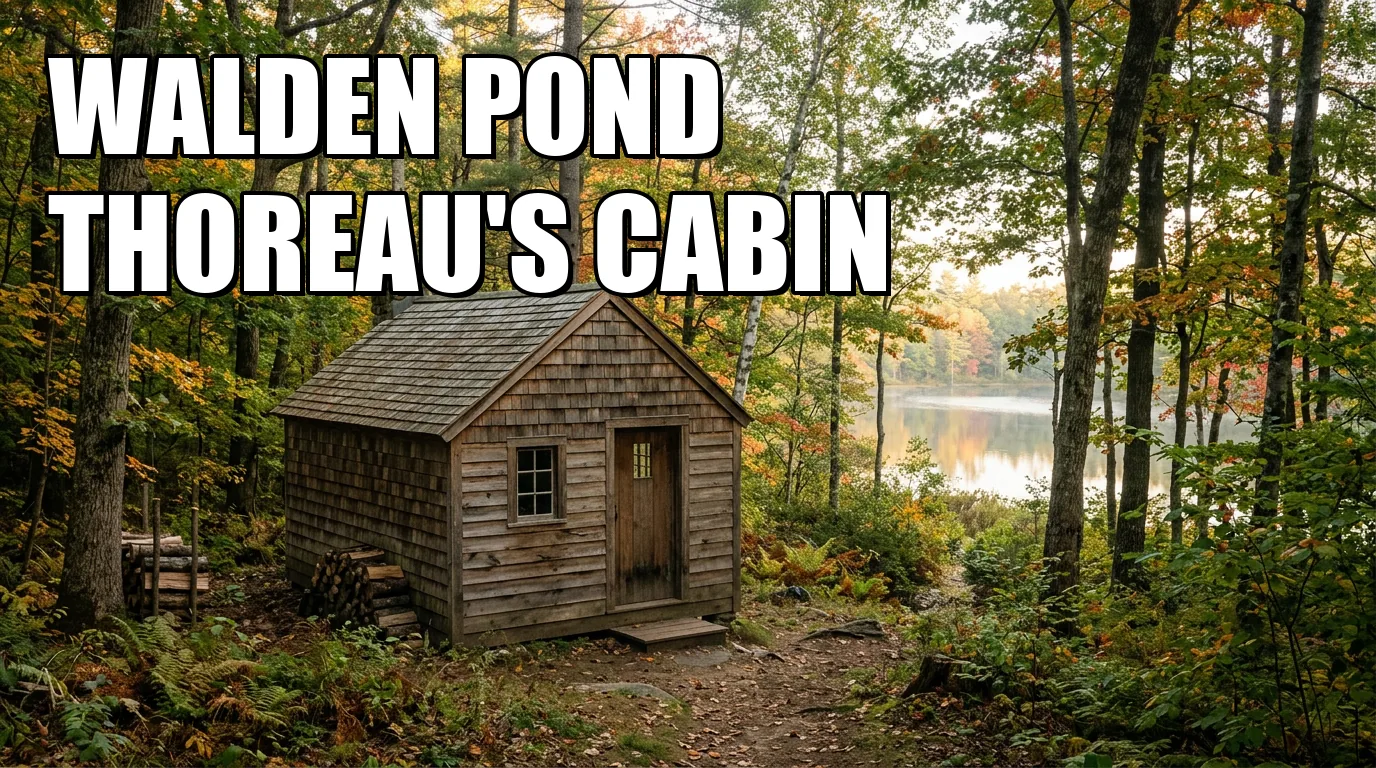
Walden Pond and Thoreau's Cabin: Replica, Site, and What Is Original
The cabin near the lot is a replica; the documented site is a half-mile away. A field guide to scale, archaeological location, landscape change, and access.
From the author of this guide
Check In After Dark
One writer checks into the rooms with the stories — Stanley 217, Banff Springs 873, the Del's 3327 — and reports what the night is actually like.