Historic Mansions

America's Historic Mansions: Beyond Velvet Ropes

As an old hand who’s probably worn out a dozen pairs of walking shoes tramping through America’s grandest estates, I can tell you something fundamental has changed in how we experience these historic mansions. It’s no longer just about admiring the architecture or imagining the owners’ lavish parties. In 2025, these institutions are finally, truly, grappling with the fuller, often uncomfortable, truths of their pasts. This isn't just a tweak to a tour script; it’s a cultural reckoning, a recognition that whose stories get told shapes our understanding of history itself. We're moving beyond the superficial, delving into the unseen lives, the backstairs struggles, and the brutal realities that underpinned these gilded fantasies.

Newport's Hidden Worlds: Peeking Beneath the Velvet Ropes

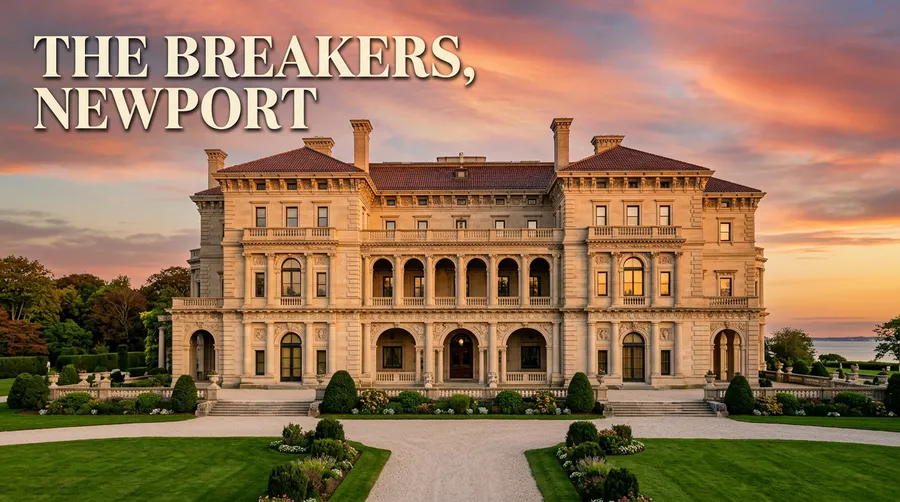
Picture this: Newport, Rhode Island, shimmering with Gilded Age excess. For decades, tours here focused on the Vanderbilt's chandeliers and Mrs. Astor’s dinner parties. But what fueled that luxury? What mechanisms, human and mechanical, made such opulence possible? The Preservation Society of Newport County, overseeing behemoths like The Breakers, has been at the forefront of this narrative evolution, daring to peer behind the velvet. Take The Breakers, Cornelius Vanderbilt II’s sprawling summer "cottage." For years, visitors marveled at its public rooms, but the real marvel, the engine of its operation, lay hidden. Their "Beneath The Breakers" tour pulls you into this subterranean world—an underground tunnel, the boiler room, the vast basement—showing how cutting-edge systems like electricity, elevators, and modern plumbing were revolutionary for their time. Guides don't just point; they delve into house engineers' meticulous journals, detailing the daily grind of keeping the Gilded Age humming. Tours run daily at 10:00 AM, with additional 2:00 PM slots during peak summer. Expect to pay $25 for adults, slightly less for members. Even more remarkably, The Breakers opened its third floor to the public in 2024, a space private for Vanderbilt descendants until just a few years ago. The "Third Floor Preservation in Progress Tour," offered twice daily, isn't about perfectly restored rooms; it’s about the process itself, the painstaking work of conservation. It's a raw, honest look at preservation in action, allowing visitors to see history in the making, or rather, in the *unmaking* and *remaking*. It’s a bold move, demystifying the glamour and showing the grit. But if you truly want to understand the human cost of Gilded Age splendor, The Elms’ "Servant Life Tour" is essential. This isn't a walk-through; it's a descent—into kitchens, coal cellars, laundry rooms, and up the back stairs to the third-floor staff quarters where 40 individuals lived. You'll hear about specific people: butler Ernest Birch, cook Grace Rhodes, maid Nellie Lynch Regoli. These aren't abstract figures; they're individuals whose lives, loves, and labor made the Elms function. Daily tours depart at 10:30 AM and 2:30 PM. Honestly, the stark contrast between the owners’ rooms and the servants’ cramped quarters is more impactful than any grand ballroom. And for those truly obsessed, the "Newport Mansions Servant Life Tour" (August 15-October 24, 2025, 1:00 PM-4:45 PM) takes you through *four* different estates. Clearly, HBO's "The Gilded Age" has piqued widespread interest, and Newport is rightly capitalizing on a hunger for these "downstairs" narratives.

Shadows of Grandeur: Confronting Slavery in the South

Nowhere is the narrative shift more profound—and frankly, more necessary—than at Southern plantation museums. For too long, these sites peddled a "moonlight and magnolias" fantasy, glossing over the brutal truth of chattel slavery. In 2025, many institutions are finally choosing honesty over romanticism, albeit with varying degrees of success. This is where a critical eye is paramount, because the difference between superficial acknowledgement and genuine reckoning is vast. McLeod Plantation Historic Site in Charleston, South Carolina, sets the national standard. Unlike most plantations that still lead with the "big house," McLeod’s guided tour centers almost entirely on the enslaved. Here, guides will point out fingerprints in bricks, left by enslaved children who made them. The 37-acre Gullah/Geechee heritage site preserves authentic slave quarters and tells the complete, unflinching story of enslavement, emancipation, and the Freedmen's Bureau. It's not an easy visit, but it's an absolutely vital one, ensuring the voices of the oppressed are heard above the rustle of the oaks. Just outside New Orleans, Whitney Plantation takes a similarly uncompromising stance. Louisiana's *only* plantation museum focused exclusively on slavery, Whitney uses powerful interpretive techniques. Visitors receive passes bearing the names of former enslaved people, encouraging a personal connection as you search for traces of "your" assigned person throughout the tour. The "Children of Whitney" memorial, with 40 sculptures by Woodrow Nash, based on WPA slave narratives, is particularly gut-wrenching. They've even relocated the 1870 Antioch Baptist Church, built by formerly enslaved people, to the site. This isn't just about what happened; it’s about *who* it happened to, giving identity and dignity back to those systematically dehumanized. Other plantations are making strides, if sometimes more cautiously. Boone Hall Plantation in Charleston, famous for its iconic Avenue of Oaks, has notably increased its focus on enslaved narratives. They preserve nine brick slave cabins, built between 1790 and 1810 by enslaved craftspeople—remarkable structures that stood testament to their skill. While still a popular wedding venue (a controversial practice at such sites, I might add), Boone Hall's lecturers, like Heather Coker, now emphasize the immense skilled labor provided by enslaved individuals who built not only these cabins but much of Charleston itself. Magnolia Plantation and Gardens offers a crucial "From Slavery to Freedom Tour," often led by Joseph McGill, founder of the Slave Dwelling Project. McGill guides visitors through former slave dwellings, answering pointed questions about daily life, worship, and literacy. His immersive program even offers overnight stays in slave cabins, a powerful, if challenging, experience designed to foster awareness. Contrast these with places like Oak Alley Plantation. While it boasts a digital Slavery Database and an extensive "Slavery at Oak Alley" exhibit with reconstructed cabins, critics argue that the topic remains marginalized in the *main* guided tour, relegated to a self-guided experience. It’s a good step, yes, but it risks allowing visitors to opt out of the harder truths if they prefer the picturesque oaks. The integration needs to be seamless, not an optional add-on. Then there's Laura Plantation on Louisiana's River Road, lauded by Lonely Planet as "The Best History Tour in the United States." It masterfully tells the complex story of Creole families—both free and enslaved—through first-hand memoirs and French National Archives. Laura's tour moves beyond the "moonlight and magnolias" to present the raw realities of plantation life, even showcasing original slave cabins where the Compair Lapin (Br'er Rabbit) stories were recorded. It’s a testament to how meticulous research can illuminate a truly unique and comprehensive narrative.

Founders and Fault Lines: Presidential Homes Grapple with Legacies

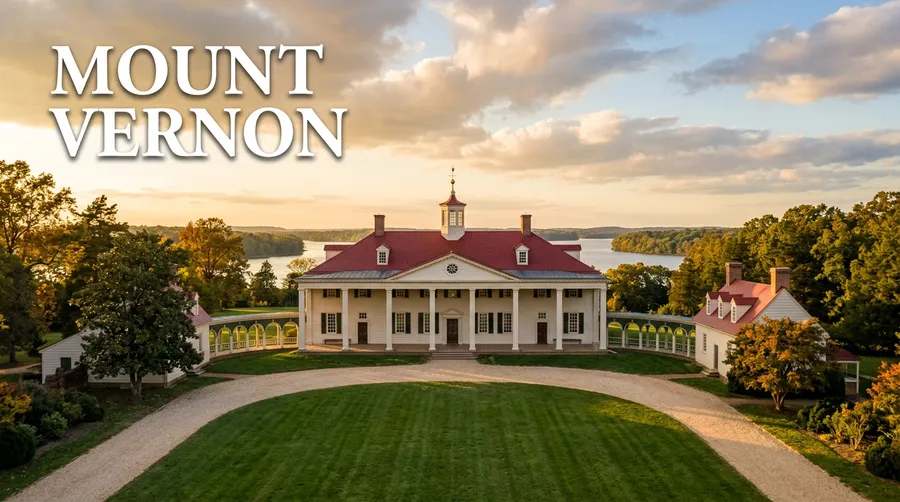
Our founding fathers, revered figures, often owned enslaved people. How do their historic homes reconcile this uncomfortable truth with their national legacies? It’s a delicate, yet essential, balancing act, and some are doing it far better than others. Monticello, Thomas Jefferson's iconic estate, has undergone perhaps the most dramatic transformation in its slavery interpretation. Their "From Slavery to Freedom" tour, a 2.5-hour, small-group guided experience, focuses specifically on enslaved families and slavery's enduring legacies. This immersive experience, which includes the Burial Ground for Enslaved People and explores Mulberry Row through enslaved people’s perspectives, isn't just a tour; it’s a facilitated dialogue on race and slavery's ongoing impact. It’s intimate, emotionally taxing, and frankly, not recommended for children under 12. For a less intense but still vital experience, daily "Slavery at Monticello" outdoor walking tours along Mulberry Row provide context about specific families and their arduous lives. Monticello now openly acknowledges the 400 enslaved individuals whose labor made Jefferson's political career and lifestyle possible, even featuring a "Life of Sally Hemings" exhibit that honors their complex relationship. Mount Vernon, George Washington's home, faces similar challenges. Their "The Enslaved People of Mount Vernon" tour delves into the lives of the 317 enslaved individuals who lived there, detailing their daily routines, family formations, and acts of resistance. You’ll hear about Ona Judge, Martha Washington's lady's maid who escaped to freedom, and Hercules Posey, the favored cook who also fled. The tour culminates at the Slave Memorial & African American Burial Ground, a truly moving tribute. While Monticello has arguably integrated slavery into its core narrative more thoroughly, Mount Vernon’s specialty tours, like "Lives, Loves, and Losses," focusing on specific enslaved families, offer profound insights. However, some critics, like the Zinn Education Project, still argue that slavery remains marginalized in the main Mount Vernon tour and brochure, leaving many schoolchildren to admire the mansion without fully confronting the forced labor that made it possible. This is a crucial point: an exhibit, no matter how good, shouldn't be a substitute for comprehensive integration into the primary narrative. James Monroe’s Highland in Charlottesville, Virginia, has pioneered a different kind of innovation: augmented reality. Launched in 2018, its ARtGlass smart glasses overlay 3D holograms, text, and videos onto the physical landscape. Imagine seeing Monroe, his wife, their granddaughter, an enslaved cook, and a blacksmith virtually interacting, sharing their perspectives right before your eyes. You can even visualize Monroe's original house, long destroyed by fire. The beauty of this technology? It's woven into historically accurate content developed through years of research and consultation. The ARtGlass tours are free with admission and the Epson glasses boast a five-hour battery life, making them genuinely practical for an immersive afternoon.

The Industrial Barons' Backdoor: Unsung Heroes of Midwest Mansions

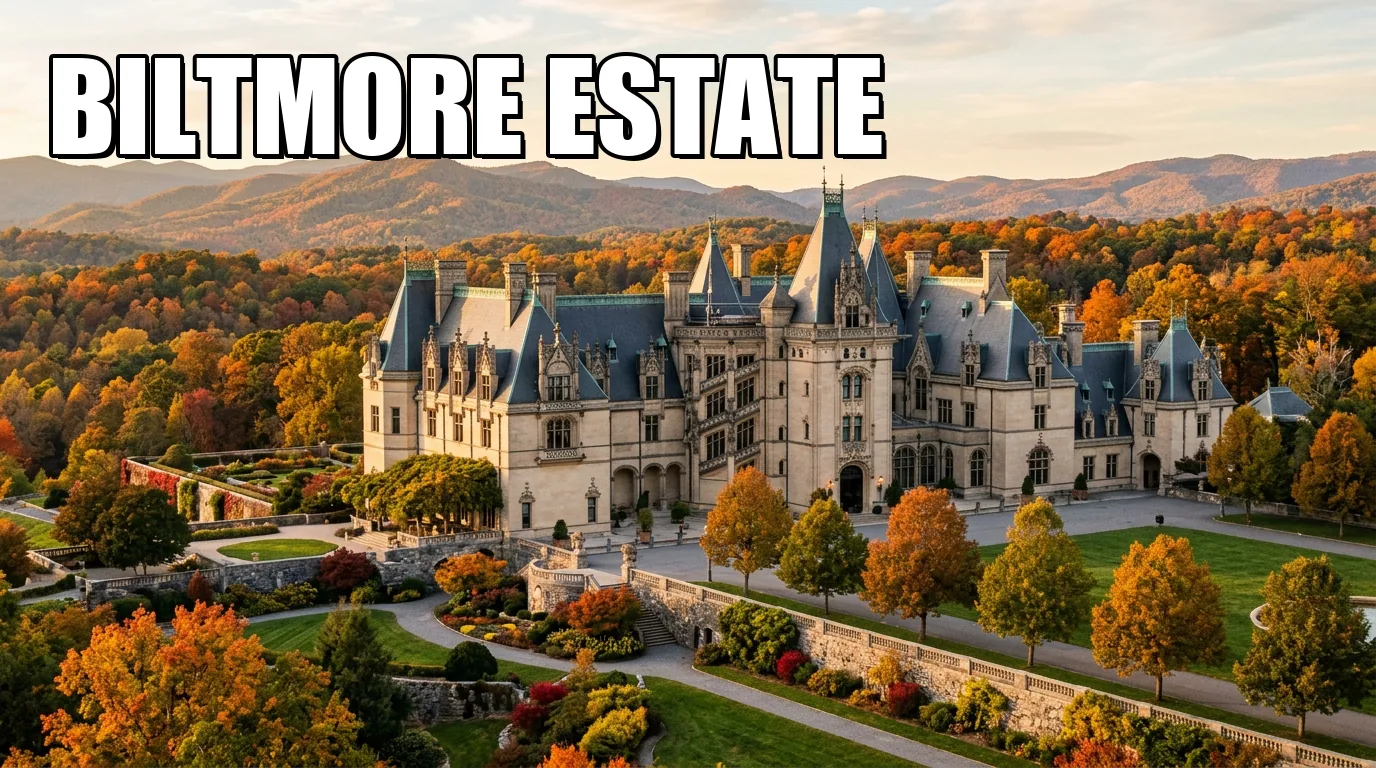
When we think of grand historic homes, our minds often jump to Newport or the South. But the industrial titans of the Midwest also built remarkable estates, and their interpretations of domestic service are quietly evolving. Consider Biltmore Estate in Asheville, North Carolina. While technically not the Midwest, it’s a Gilded Age behemoth that was among the first to incorporate servants’ quarters into tours way back in the 1980s. Henry, a long-time staff member, recalls, "People were continually asking to see the kitchen." Today, Biltmore's "Upstairs Downstairs" tours (requiring specific ticket packages) offer behind-the-ropes access to the colossal kitchen complex, butler's pantry, housekeeper's room, and the fourth floor where female staff resided. You’ll see German-language Bibles and family photographs, adding a personal touch to the lives of these workers. While Biltmore still largely emphasizes the Vanderbilt lifestyle, its early adoption of servant space interpretation set a precedent many followed. Henry Ford's Fair Lane Estate in Dearborn, Michigan, currently undergoing extensive restoration since 2014, promises to reveal much about both Ford's technological innovations and the vast domestic infrastructure that supported his and Clara's lifestyle. While interior tours aren't yet available, a 3D virtual tour offers a fascinating glimpse into the restoration process. When it fully reopens, expect to see how Ford's private hydroelectric power station powered not only his ambitions but also the daily lives of his extensive staff. Another unsung gem is the Pabst Mansion in Milwaukee. This isn't just about admiring the beer baron's opulent home; it's about seeing it in flux. Their "Hard Hat Tours" (select dates May-September) allow visitors to climb scaffolding, getting a truly behind-the-scenes look at 19th-century façade restoration. Led by architects and specialists, these tours offer exclusive access to intricate masonry repairs and conservation techniques. You'll need advance reservations and be at least 16 years old, but it's a unique opportunity to witness history being preserved in real-time. Lyndhurst Mansion in Tarrytown, New York, arguably offers the most comprehensive servant space interpretation in the Northeast. Their "Backstairs Tour" is a physical journey: 79 steps up to the tower for panoramic views, then 99 steps down to the basement kitchens, butler's suite, and servants' dining room. The tour concludes at the c.1911 Laundry Building, complete with original machinery. For a full experience, the "Upstairs-Downstairs Tour" combines the classic mansion tour with this backstairs odyssey. Be warned: both are physically demanding, involving many steps, so they're not for those with limited mobility or young children. But if you're up for it, it paints a complete picture of Gilded Age social hierarchy.

Beyond the Bricks: Technology, Preservation, and the Persistent Challenges

Beyond traditional tours, many sites are leveraging technology to deepen the historical experience. We've seen Highland’s AR glasses. Cahokia Mounds in Illinois offers an augmented reality tour via smartphone app ($4.99) that reconstructs ancient Mississippian dwellings atop Monks Mound, bringing a lost civilization to life. The Harriet Tubman Underground Railroad Byway has AR/VR experiences that transform modern intersections into bustling 1850s scenes, complete with clickable characters sharing their stories of freedom and resistance. These aren't just gimmicks; they're powerful tools when paired with rigorous historical research. Just as fascinating is the growing trend of "preservation as programming." Instead of hiding the restoration process, institutions are making it part of the visitor experience. The Breakers' third-floor tours, for instance, invite you into their preservation wing, allowing you to watch conservators meticulously cataloging and restoring original furniture, examining construction techniques, and analyzing paint samples. Drayton Hall's "Hard Hat Tours" offer similar access to their plaster ceiling rehabilitation project, revealing 18th-century craftsmanship and cutting-edge conservation methods. This transparency demystifies history, showing that our understanding of the past is not static, but an ongoing process of discovery and care. Yet, despite all this progress, significant challenges persist. A 2015 account by a former plantation tour guide revealed disturbing visitor resistance: one guest complained, "dragging all this slavery stuff up again is bringing down America." At various plantations, guides reported being pressured to use euphemisms like "servants" instead of "enslaved people," and to minimize discussions of slavery. The 2024 documentary "Vacation Plantation" highlighted these ongoing tensions, with staff worrying that truthful slavery interpretation might deter family visits, fearing the topic is "a negative" for a Saturday afternoon outing. Economic pressures undoubtedly complicate matters. Plantation tourism generates substantial revenue, and sites emphasizing architectural beauty and gardens often attract more visitors than those focusing on slavery's brutal reality. The continued use of former plantations as wedding venues remains highly controversial, with many arguing that celebrating joyous occasions where enslaved people suffered is deeply inappropriate. Regional differences also play a role; Gilded Age estates with primarily white European immigrant servants face less cultural resistance to "downstairs" interpretations than Southern plantations confronting the legacy of slavery. It’s simply less politically fraught. The path forward, then, requires courage and commitment. The most successful institutions in 2025 share several characteristics: they engage descendants of the enslaved, incorporating their perspectives into interpretation. They use individual-focused storytelling, humanizing history. They create spatial experiences, allowing visitors to physically inhabit the spaces where servants and the enslaved lived and worked. Crucially, they embrace difficult conversations, acknowledging resistance and white supremacy rather than sanitizing the past. And by integrating preservation as pedagogy, they show visitors that historical interpretation evolves through ongoing research and conservation. Technology, while powerful, cannot replace human-centered interpretation. Highland’s AR glasses work because they’re grounded in years of historical research. Whitney Plantation’s sculptures resonate because they’re based on real children’s testimonies. Monticello’s tours succeed because they facilitate genuine dialogue. As America continues to grapple with its complex history, these mansion museums are serving as critical spaces where past and present intersect. The question is no longer *if* to tell inclusive stories, but *how* to tell them with honesty, nuance, and profound respect for all who lived, worked, and suffered within these walls. The pioneers—from McLeod’s unflinching slavery focus to The Elms’ servant life tours to Highland’s AR innovations—demonstrate that architectural grandeur and historical truth need not be mutually exclusive. Indeed, understanding the complete story makes these places more powerful, more relevant, and ultimately, more worthy of preservation.

Insider’s Guide to Historic Mansion Tours

What are the best Gilded Age mansion tours?
Top tours include the Biltmore Estate in North Carolina, The Breakers in Newport, Rhode Island, and the Hearst Castle in California.
Which of the Newport mansions is the best to tour?
The Breakers is widely regarded as Newport’s premier mansion tour for its grand scale and preserved interiors.
What is the most famous Gilded Age mansion?
The Biltmore Estate in Asheville, North Carolina, is the most famous, known for its size and Vanderbilt heritage.
Which is better, The Breakers or Marble House?
The Breakers is generally preferred for its dramatic ocean views and extensive original furnishings, while Marble House offers lavish decorative arts.
Do any Gilded Age mansions still exist?
Yes; over a dozen major Gilded Age mansions remain open to the public across the United States.
Can you tour the Carnegie mansion?
Yes; Andrew Carnegie’s former Fifth Avenue mansion now houses the Cooper Hewitt Smithsonian Design Museum and offers guided tours.
What happened to the Vanderbilt fortune?
Most of the Vanderbilt wealth was divided among heirs, invested in trusts, and partly donated to education and public institutions.
Are there any 5th Avenue mansions left?
Yes; several remain, including the Frick Collection, the Cooper Hewitt, and private residences in the Upper East Side.
Are any Vanderbilt mansions still standing?
Yes; surviving Vanderbilt properties include the Biltmore Estate, The Breakers, Marble House, and The Elms.
How much do tickets cost for historic mansion tours?
Ticket prices typically range from $20 to $60 per adult, depending on the property and tour type.
Do I need to book tours in advance?
Advance booking is recommended during peak season to guarantee tour availability and preferred time slots.
Are guided tours available at all mansions?
Most major historic mansions offer guided tours, either included with admission or for a small extra fee.
How long do typical tours last?
Guided tours generally last between 45 minutes and 1.5 hours, with self-guided audio options also available.
Are there group discounts?
Many estates offer group rates for parties of 10 or more, often with additional perks like private guide access.
Are tours wheelchair accessible?
Accessibility varies by property, but most large estates provide wheelchair access to main areas and ramps where feasible.